3 Ways to Lower Your Foundation Quote Without Cutting Corners
I remember the moment clearly—standing in a muddy backyard, my hands on my hips, realizing that my foundation estimate was spiraling out of control. It wasn’t because I wanted to cut corners, but because every little detail seemed to add more zeros to the final figure. At that point, I wondered: is there a way to lower the foundation quote without sacrificing quality and safety? If you’ve ever found yourself in a similar boat, you’re not alone. The good news is, there are effective strategies that can help you trim costs while still maintaining the integrity of your project.
Why Cutting Costs Early Matters More Than You Think
Costs can quickly become a nightmare if not managed carefully—especially with foundations, which are absolutely critical to the safety and longevity of your new build or renovation. A common mistake I made early on was accepting the first quote without exploring options. That’s a trap many homeowners and even contractors fall into. According to research from the Home Innovation Research Labs, early financial planning can save up to 20% on construction costs when strategic adjustments are made beforehand (source). This underscores the significance of cost-effective planning from the outset.
So, how do you manage to reduce your foundation costs without sacrificing quality? Well, it’s about being resourceful, informed, and proactive. Today, I’ll share my personal tips—backed by expert advice—that helped me find the sweet spot between affordability and safety. These aren’t shortcuts or low-grade compromises, but strategic adjustments and negotiations that save money without risking your project’s success. Ready to take control of your foundation budget? Let’s dive into three proven ways to make it happen.
Are You Facing Higher Than Expected Foundation Quotes? Let’s Clear That Doubt
One thing I learned early was to avoid the mistake of thinking all quotes are created equal. I once accepted a quote without verifying the underlying assumptions, which led to surprises later on. Learning how to compare estimates thoroughly is crucial—whether it’s checking for hidden fees or understanding scope differences. If you’re curious about how to spot these issues, I recommend reviewing this step-by-step guide to estimating costs. This foundational knowledge helps you negotiate better and avoid overpaying. With that in mind, let’s look at some of the most effective strategies to lower your foundation quote—without cutting corners, I promise.
Break Down Your Project Requirements
Start by creating a detailed scope of work, listing every task involved in your foundation. Think of it like making a grocery list—missing items can lead to unexpected costs later. Take the time to specify the size, materials, and complexity needed. During my last project, I used a comprehensive checklist from this cost-effective estimating techniques guide, which helped me identify unnecessary extras that inflated the quote.
Obtain Multiple, Detailed Bids
Don’t settle for the first estimate. Reach out to several reputable contractors and request formal bids based on the same scope. When I did this, I used a standardized request, making it easy to compare line items and identify discrepancies. Remember, like comparing apples to apples, similar scope leads to meaningful comparisons. This approach often highlights hidden markups, such as those revealed in inspection of subcontractor markups.
Verify Scope and Material Assumptions
Review each bid carefully: Are they accounting for the same foundation depth, soil conditions, and reinforcement? A common mistake is accepting a quote that assumes better soil than yours, leading to underestimated costs. As I learned from this step-by-step guide, clarifying assumptions prevents surprises. Don’t hesitate to ask contractors to justify their scope, especially when prices differ significantly.
Optimize Permit and Inspection Processes
Streamlining permit acquisition reduces delays and costs. I once worked with a team that accelerated approval by thoroughly preparing documentation, reducing wait times during the permitting phase. Use resources like this permit navigation guide to understand requirements upfront. A clear plan minimizes rework and avoids costly permit amendments, which are common when scope changes after submission.
Choose Cost-Effective Materials and Techniques
Not all foundation materials impact quality equally. For instance, opting for high-quality concrete with a standard PSI might save money compared to premium mixes that offer marginal benefits for your project. I managed to cut costs by selecting foundation reinforcement options that met safety standards but avoided over-engineering, a strategy detailed in this estimating techniques article. Focus on materials that align with your specific soil and climate conditions to avoid unnecessary upgrades.
Negotiate Efficiently and Wisely
Negotiation isn’t just about price—it’s about value. When discussing bids, ask about flexible options like phased payments or bundled services. I found that contractors appreciate transparency, and in one case, this led to a lower overall quote when I committed to certain scope adjustments. Use this expert estimate guide for negotiation strategies that leverage detailed estimates to get better deals.
Monitor and Document Throughout the Project
Keep track of all costs and changes during construction. Regular site checks prevent scope creep and ensure work aligns with the budget. My experience taught me that documenting progress and verifying that work matches initial estimates helps catch errors early. This proactive approach saves money and maintains quality, much like keeping receipts helps track expenditures for tax claims.
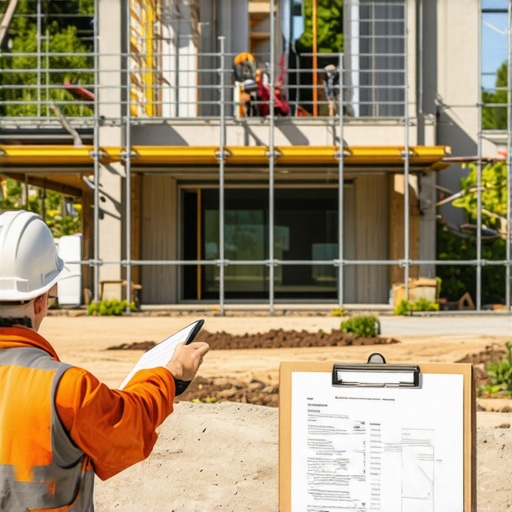
” alt=”Contractor reviewing foundation estimate with homeowner” title=”Contractor discussing foundation quote with homeowner”/>When it comes to estimating for new builds and renovations, many assume that initial quotes are straightforward reflections of actual costs. However, in my experience, there’s a hidden nuance that often trips up even seasoned professionals: the over-reliance on surface-level estimates without accounting for underlying complexities. A common myth is that once a contractor provides a quote, it’s nearly final. But the truth is, these estimates can hide significant discrepancies, especially if scope assumptions aren’t scrutinized.
Are You Considering the Complete Cost Picture or Just the Surface?
Many overlook the importance of a detailed scope and precise scope verification, which are crucial for accurate estimates. Skipping this step often leads to unexpected expenses later, when hidden scope creep or overlooked site conditions emerge. For example, soil stability or utility access often surface as costly surprises if not thoroughly investigated during planning. An in-depth approach, such as consulting this guide to cost-effective estimating techniques, can help uncover these nuances upfront.
Furthermore, many underestimate the importance of permit efficiency. It’s tempting to focus solely on construction costs, but permit delays, reapplications, or overlooked requirements can significantly inflate overall project budgets. The misconception that permits are just a formality is risky; in reality, streamlined permit processes—like those detailed in this guide—can save you weeks or even months of costly delays.
The most advanced mistake I see is ignoring the compounding effect of these hidden costs. For example, a small increase in soil testing or permit fees might seem trivial individually, but when aggregated—especially with the added delay costs—the total can become substantial. According to a study by the Construction Management Association of America, proactive cost analysis and comprehensive scope verification can reduce unforeseen expenses by up to 15%. This emphasizes the importance of digging deeper beyond initial quotes.
Being aware of these nuances helps avoid becoming another victim of the hidden cost trap. So, next time you receive an estimate, ask yourself: Have I considered all site-specific conditions, permit requirements, and scope details? Doing your due diligence helps ensure your project stays within budget and on schedule. Remember, a well-rounded approach to estimating and permitting isn’t just smart—it’s essential for successful construction. Have you ever fallen into this trap? Let me know in the comments.
Keep Your Projects Running Smoothly with the Right Tools
Staying on top of your construction projects requires more than just good intentions; it demands reliable tools and methods that ensure durability and efficiency over time. One of my go-to strategies is implementing a digital project management system like Procore, which I personally use to coordinate schedules, track costs, and document changes. Its real-time updates keep everyone on the same page, reducing miscommunication and costly delays. Additionally, leveraging laser distance meters such as the Bosch GLM 50 C has revolutionized my site measurements. These devices deliver quick, accurate readings—critical when verifying foundation depths or material lengths, ultimately saving hours and preventing errors.
For ongoing maintenance, I recommend establishing a routine inspection schedule utilizing checklists I create in Evernote. This proactive approach helps identify issues like shifting soil or minor cracks before they become major problems. Technological integration is vital; in the future, I anticipate AI-driven site monitoring systems that analyze images and sensor data to predict structural vulnerabilities automatically.
How do I maintain project quality over time?
Consistent oversight comes down to the right combination of tools and a disciplined process. Regular site walks combined with photographic documentation allow me to track progress and spot discrepancies early. Using software like project management platforms streamlines this process, enabling seamless reporting and collaboration among team members.
Incorporating these strategies not only helps maintain quality but also positions your projects for successful scaling—be it tackling larger builds or more complex renovations. As trends evolve, leveraging data analytics and automation will become indispensable in construction management. For now, start by choosing a comprehensive project tracking tool and setting up your routine inspections—small steps that yield long-term benefits.
Remember, maintenance isn’t a one-time effort; it’s an ongoing commitment. Implementing these tools and practices today will save time and money tomorrow, setting the stage for scalable success.

Illustration of a site manager using a drone for inspection, with a digital overlay showing structural data — alt=’Construction site drone inspection with data overlay’ title=’Drone-assisted site monitoring for long-term project health’
What I Wish I Knew Before the First Quote
One of my biggest lightbulb moments was realizing that my initial estimates often overlooked critical site-specific factors, like soil stability and utility access. These oversights can lead to surprise costs and delays. The lesson? Always dig deeper into the assumptions behind each quote, and don’t hesitate to ask detailed questions—this proactive approach saved me thousands in unexpected expenses.
Another insight was understanding that permit delays aren’t just bureaucratic hassles—they can significantly inflate your budget. Streamlining your permit process with thorough documentation and early submission can shave weeks off your timeline and keep costs in check. It’s a detail many overlook, but it pays dividends.
I also learned that material choices aren’t just about price—they’re about value and site conditions. Opting for standards that meet your project’s specific climate and soil needs ensures safety and longevity without unnecessary extras. Tailoring your materials smartly avoids over-engineering and keeps your budget tight.
Finally, effective negotiation is a game-changer. When I approached my contractors with well-verified estimates and clear scope, I consistently secured better prices and flexible terms. It’s about standing confident in your research and not settling for the first figure presented—that mindset transformed my budgeting process.
Tools and Resources That Made a Difference
My essential toolkit for foundation estimating includes Procore for project management, which keeps estimates, schedules, and documentation organized. It’s invaluable for maintaining clarity and avoiding miscommunication. I trust laser distance meters like the Bosch GLM 50 C because they quickly provide precise measurements, crucial for verifying foundation depths and scope accuracy. For comprehensive guidance, I lean on the estimating techniques guide, which breaks down the nuances of project-specific costs. Lastly, the permit acquisition resource helps me navigate the process efficiently, avoiding costly delays and rework.
Seize the Moment and Get Started
Remember, mastering your foundation budget isn’t about shortcuts—it’s about informed, strategic decisions that last a lifetime. The more you learn and implement these lessons, the more confident you’ll become in managing costs without compromising safety or quality. Your project’s success starts with you—so take these insights, apply them, and watch your plans come to life with confidence. What’s the biggest challenge you’ve faced in estimating or permitting? Share your experiences below and let’s learn together!
,