The Hidden Cost of Hauling Dirt Away From Your New Build
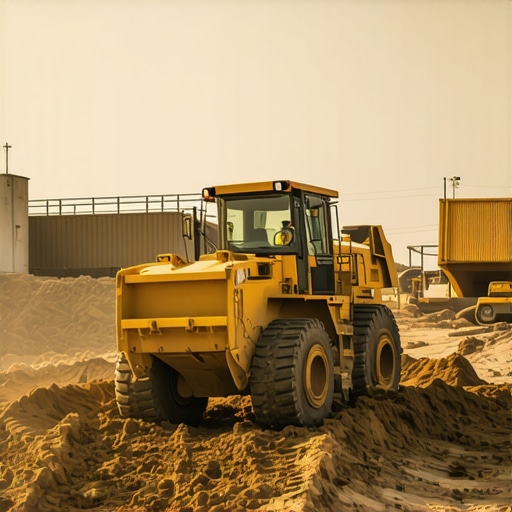
I remember the moment vividly—standing there with my boots deep in mud, realizing that the massive pile of dirt I thought was just a temporary obstacle was actually a looming financial surprise. It hit me like a ton of bricks: the cost of hauling that dirt away wasn’t just about disposing of soil; it was an unanticipated expense that stretched my budget thin. That lightbulb moment made me question everything I thought I knew about building a new home.
Why You Might Be Underestimating the Dirt Disposal Dilemma
When planning a new construction or big addition, soil management is often an afterthought—something you leave to your contractor, hoping it won’t cost a fortune. But in my experience, overlooking this step can lead to unexpected delays and ballooning costs. The tricky part? Many homeowners aren’t aware of just how much dirt needs to be moved, or the complexities involved in proper disposal. In fact, studies show that site work can account for up to 30% of the total project budget if not carefully managed, with debris hauling playing a significant role.
Have you ever faced a surprise bill for dirt removal that threw your entire project timeline into chaos? If so, you’re not alone. This common oversight can turn what seems like a minor issue into a major headache.
Is Dirt Removal Really That Big of a Deal?
Early in my project, I made the mistake of assuming dirt hauling was a straightforward task—after all, how complicated could it be? That mistake cost me dearly when I learned about local regulations, permit requirements, and the significant labor involved in proper soil disposal. Skipping this step or underestimating it led to permits being delayed and extra fees. An expert tip? Check out [this guide on estimating home additions](https://constructionedgez.com/estimating-home-additions-a-step-by-step-guide-for-2025) to better understand all the hidden costs involved, including soil management.
So, what’s the key takeaway? Proper planning and understanding your project’s soil removal needs can prevent costly surprises and keep your timeline intact. Up next, I’ll share practical tips I wish I had known from the start—so you can avoid the pitfalls I fell into.
Start with a Detailed Site Assessment
Before breaking ground, walk your property to identify the amount of soil that needs relocating. Use a simple measuring tool or hire a professional to perform a soils report. This initial step is comparable to weighing ingredients before baking; accuracy here sets the tone for the entire project and helps prevent surprises later. When I assessed my site, I realized the excavation would generate roughly 125 cubic yards of soil—more than I initially estimated—prompting me to rethink my disposal strategy.
Calculate Volumes with Precision
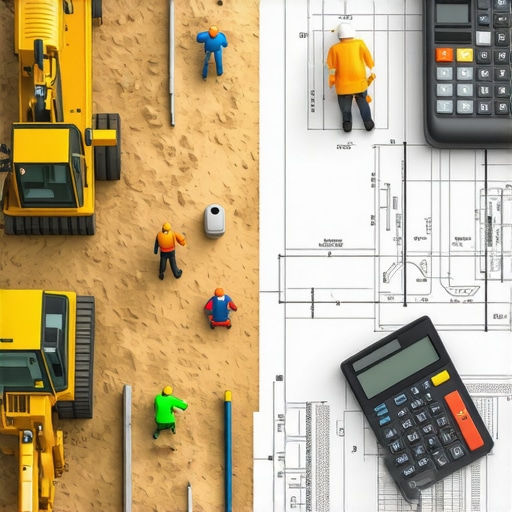
Convert measurements into cubic yards, which is the standard unit for soil. Remember, 27 cubic feet equal one cubic yard. Use this conversion to determine the total volume of dirt to be removed; this precision helps you compare costs accurately across contractors. In my case, measuring the excavation site and multiplying length, width, and depth gave me a clear volume, streamlining my negotiation process with hauling companies.
Research Disposal Options and Regulations
Consult local environmental agencies or your city’s construction permit office about soil disposal requirements. Regulations vary: some areas allow on-site reuse, while others mandate hauling soil to authorized landfills. Failing to comply might result in fines or project delays. I discovered that due to contamination concerns, my soil needed to be disposed of at a licensed facility, adding unexpected costs. For a smooth process, familiarize yourself with these rules early, perhaps by reviewing resources such as permit processes for home additions.
Vary Your Disposal Strategies
Determine whether you will handle disposal yourself or hire professionals. If choosing DIY, rent a suitable container and arrange timely pickup to avoid additional fees. For larger projects like mine, I opted to hire a licensed hauler who provided a fixed quote based on my volume estimate. This approach minimized unexpected costs, much like ordering a meal with a clear price—no surprises at checkout.
Request Multiple Quotes
Don’t settle for the first estimate. Contact several licensed disposal companies and compare their prices and reviews. Be specific about your volume and disposal needs to get accurate bids. In my experience, requesting detailed quotes helped identify a competitive rate and clarified all charges upfront. This step is critical to prevent overpaying or dealing with hidden fees, much like how estimating costs for new builds reduces budget overruns.
Incorporate Soil Disposal into Your Budget
Once you have all estimates, add the disposal costs into your overall project plan. Treat it like a line item in your construction budget rather than an afterthought. This foresight was vital for my project; I set aside a contingency fund specifically for soil hauling, which kept my project on track even when unexpected charges arose due to special permits or contaminated soil handling. Accurate budgeting helps avoid delays and ensures your project progresses as planned, paralleling the importance of precise estimates in successful home improvements.
While many believe that simply adding up square footage or consulting a contractor is enough for accurate estimates, the truth is far more complex. A common myth is that all materials and labor costs are predictable once rates are established. However, project-specific nuances—like unexpected site conditions or permit peculiarities—often lead to significant budget overruns. An overlooked mistake is underestimating the complexity of permits, especially when local regulations change unexpectedly, which can cause costly delays. For example, recent studies suggest that nearly 25% of project budget variances stem from permit-related surprises, emphasizing the importance of detailed research and proactive planning. Advanced homeowners and builders dig deeper into these facets, understanding how small discrepancies in initial assumptions cascade into larger issues. Poor estimation often results from relying on generic formulas, neglecting variables like soil quality, accessibility, or historical zoning restrictions, which are crucial for precise budgeting. For a comprehensive approach, consider consulting expert resources like top estimating strategies that factor in these intricate details. Moreover, advanced planning involves understanding how permits are processed—many overlook that permit approval timelines and requirements vary widely between jurisdictions, adding unexpected costs and delays. This is where professional guidance can save thousands, ensuring you navigate these pitfalls effectively. Are you aware of hidden costs lurking in your project plan? A proactive, nuanced approach can make the difference between a successful build and a financial nightmare. For deeper insights, explore managing your addition from planning through execution, and learn how to anticipate and mitigate these common mistakes. Have you ever fallen into this trap? Let me know in the comments.
Invest in Reliable Equipment for Long-Term Success
One of the most critical aspects of maintaining a construction project is ensuring your tools and equipment are top-notch and properly cared for. I personally swear by using high-quality, durable power tools like Bosch and Milwaukee, which have consistently proven their longevity and performance on-site. Regular maintenance—such as cleaning, lubricating moving parts, and promptly replacing worn accessories—helps prevent costly breakdowns and keeps workflows flowing seamlessly. Keep a detailed maintenance schedule and record expenses to anticipate future repairs; this proactive approach ensures you’re not caught off-guard when equipment fails unexpectedly.
Leverage Technology for Better Project Oversight
Utilizing construction management software like Procore or Buildertrend can dramatically improve how you oversee day-to-day operations. These platforms offer real-time updates, document management, and communication tools that reduce miscommunication—a common cause of project delays. I especially like how these systems integrate scheduling with cost tracking, allowing me to catch issues early before they become expensive setbacks. The future of project management is leaning toward AI-driven dashboards that predict potential delays based on current data; staying ahead by adopting early is key to maintaining a competitive edge.
Prioritize Consistent Inspection and Preventive Care
Scheduled inspections—even for smaller tasks—can save you from major repairs down the line. I recommend setting routine checks for structural integrity, electrical wiring, and plumbing systems, ideally aligned with your project’s phases. Addressing minor issues early, like a leaky pipe or loose wiring, prevents small problems from escalating into costly repairs or safety hazards. This habit of regular preventive care is becoming standard practice in the industry, with some experts citing it as essential for extending the lifespan of both physical structures and the tools used to build them.
How do I maintain my construction tools over time?
Maintaining your tools is as straightforward as establishing a regular cleaning and inspection routine. Keep power tools charged, store them in dry, organized spaces, and replace worn-out parts immediately. For heavy equipment, schedule professional servicing periodically—usually after every 200-250 hours of use—and keep detailed service logs. This proactive maintenance not only extends equipment lifespan but also prevents unexpected failures that could halt your project. For in-depth strategies, check out cost-effective maintenance tips for builders.
Prepare for Scaling and Long-Term Growth
As your projects grow, so should your toolkit and processes. Modular equipment systems and adaptable project management software will help ease transition into larger or more complex builds. Invest in scalable tools like hydraulic lifts or multipurpose scaffolding, which can be reconfigured for different job sizes. Additionally, developing a network of reliable vendors and service providers ensures you can quickly ramp up when needed, minimizing downtime. Industry forecasts suggest that as automation advances, integrating robotics into routine tasks will become commonplace—so staying updated today positions you advantageously for tomorrow.
By combining quality tools, strategic maintenance, and innovative management practices, you set the stage for successful, long-lasting projects. Remember to review estimating strategies regularly to align your budget with your growing ambitions. Take the initiative now—try implementing a scheduled maintenance routine for your most-used equipment and notice the difference in efficiency and reliability it brings to your next build.
Why I Bet You Overlooked These Critical Soil Secrets
One of the toughest lessons I learned was that soil is more complex than it appears. It’s tempting to think of dirt as just fill, but structured soil can hold or release moisture, affect foundation stability, and change construction costs unexpectedly. Not accounting for this led me to costly delays and safety concerns. If you want smoother projects, prioritize a detailed soils report early, just like I did when I realized quick site assessments simply aren’t enough to prevent surprises.
Effortless Strategies to Cut Unexpected Permitting Costs
Early in my journey, I discovered that understanding local regulations can save thousands. Small details like permit zones, environmental restrictions, or special soil handling requirements often trip up projects. A simple step like reviewing the permit process guides gave me clarity and prevented costly mistakes. To keep your project on budget and timeline, invest time upfront in research and build relationships with local authorities.
Embrace Creative Soil Management to Save Your Budget
There’s no one-size-fits-all for soil disposal. Some sites benefit from on-site reuse, while others require hauling and special treatment. I learned that discussing multiple disposal options with experienced contractors leads to smarter, cheaper choices. For example, you might find that soil contaminated from previous structures can be recycled or remediated without expensive landfill fees. Think outside the traditional bin—your wallet will thank you.
Lessons from My Biggest Soil Handling Headache
The most expensive mistake I made was underestimating how much soil I’d need to move. Precise volume calculations—using simple measurements and conversions—saved me from price gougers and last-minute fees. Always remember that even a small miscalculation can snowball into thousands of dollars in extra charges. Use reliable tools and double-check your estimates, aligning with what I found in this estimation guide.
Don’t Follow the Crowd—Find Your Unique Solution
One size definitely doesn’t fit all when it comes to soil management and permits. Your soil type, local laws, and project scope require custom strategies. I learned that working with seasoned professionals who understand your specific site prevents generic pitfalls. Be proactive: ask questions, explore various options, and never accept a one-dimensional plan. Your project’s success hinges on tailored approaches that fit only you.
Ready to Build Smarter? Here’s My Secret Weapon
The key to smooth additions and new builds isn’t just about heavy lifting or fast permits but understanding the tiny details others ignore. Integrate thorough site assessments, flexible disposal methods, and precise budgeting into your process. For example, I now routinely consult resources like this comprehensive guide before starting, making my projects more predictable and less stressful. Remember, mastering the soil, permits, and estimation game is your first step toward building smarter, not harder.
Curious About Your Next Step?
Have you faced unexpected costs or delays due to soil or permit issues? Share your story below, and let’s learn together how to turn setbacks into smart strategies.