
Why Your Exterior Cladding Affects Your Fire-Safety Permit
I remember the day I applied for my new addition permit. Excitement mixed with anxiety—until I was hit with a unexpected surprise: my exterior cladding choices could delay or even jeopardize my entire project. It was a real lightbulb moment for me. I had always thought of cladding as just an aesthetic choice, not a critical factor in safety regulations or permits.
Why Your Exterior Cladding Matters More Than You Think
It turns out, exterior cladding isn’t just about curb appeal. Local fire safety codes are increasingly strict about materials used on building exteriors, especially for additions and renovations. Depending on your property’s location, certain cladding materials may either fast-track your permit process or send it into limbo. Getting this right can save you months of delays and extra costs, or worse, risking non-compliance fines.
Have you ever faced permit delays because of your exterior materials?
Early in my project, I made the mistake of choosing a trendy wood-based siding without checking fire ratings. That oversight nearly cost me a permit approval, and I didn’t want that to happen to others. After some digging, I discovered that fire-resistant materials like fiber cement or metal siding often streamline the permit process and boost your home’s overall safety.
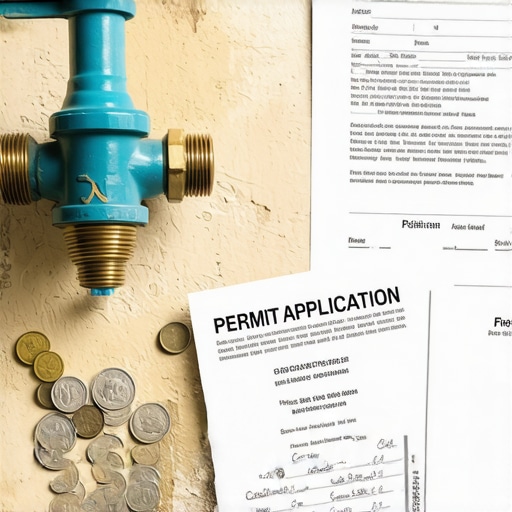
For a comprehensive understanding, I suggest reviewing detailed permit guides like this complete permit guide. It offers valuable insights into how material choices influence approval times and compliance standards.
Now, let’s explore how your exterior cladding choices can impact your fire-safety permit and the steps to ensure you’re on the right track.
Select Fire-Resistant Materials That Speed Up Permitting
Begin by assembling a list of approved exterior cladding materials with high fire-resistance ratings, such as fiber cement siding and corrugated metal. During my own project, I visited local building supply stores and consulted the complete permit guide to verify compliance. Once I had my options, I ordered samples to review fire ratings and compatibility with local codes, ensuring that my choices wouldn’t cause permit delays.
Assess the Material Impact on Permitting Timeline
Contact your local building department early to understand how specific materials affect your permit process. Think of this step like checking the weather before a trip; it prepares you for what’s ahead. I called the permit office with my chosen siding options, and they confirmed that metal siding would streamline approval due to its fire safety benefits. This proactive step saved me weeks of uncertainty and potential redesigns.
Gather Necessary Documentation for Smooth Approval
Prepare detailed product specifications, fire ratings, and manufacturer certifications for your selected materials. During my project, I downloaded technical datasheets and included them in my permit package, which I submitted through the online portal. This thorough documentation prevented back-and-forths and sped up the review process, similar to having a complete puzzle picture ready for inspection.
Coordinate with Your Contractor and Suppliers
Ensure your contractor sources approved materials and adheres to specified fire ratings. I worked closely with my supplier to get a stamped certification for the siding, which I presented during permit submission. This step is like aligning all the gears before running the engine—every piece must fit perfectly to keep the project moving forward without hiccups.
Monitor and Confirm Approval Progress
Keep in touch with the permit office and regularly check the status of your application. I logged into the permit portal weekly, and when approval was granted for my cladding, I celebrated a small victory. Staying engaged prevents surprises and allows quick response to any requests for additional information, akin to tending a garden to ensure healthy growth.
By following these targeted steps, you transform an overwhelming process into a manageable sequence, much like assembling a well-constructed blueprint. Each action reduces doubts and clarifies your project’s pathway, ensuring that exterior choices support your permit success and safety standards.

Illustration of a homeowner reviewing fire-rated cladding options with a contractor, showcasing materials and certifications.
Many homeowners and even seasoned builders often fall prey to misconceptions about the complexities of new builds and additions. One such myth is that estimating costs can be straightforward if you have a rough idea. In reality, accurate estimating demands meticulous attention to detail and a thorough understanding of local permitting nuances. Relying solely on ballpark figures from generic sources can lead to substantial budget overruns, as highlighted in expert analyses like those found in this comprehensive guide.
A common trap is underestimating permit delays, which often stems from a misconception that permit approval is solely about submitting the correct paperwork. However, permit timelines are heavily influenced by the specifics of material choices, site conditions, and compliance intricacies. For example, selecting fire-resistant cladding not only impacts safety but can also expedite approval processes, contrary to the belief that all exterior materials are evaluated equally. Building professionals emphasize that understanding the detailed permit requirements—like those discussed in this resource—is crucial in avoiding costly delays.
Let’s address a nuanced question frequently posed by advanced builders: How do minor deviations in site plans influence permit approval? Even slight inaccuracies or overlooked easements can trigger significant review delays. A study by industry experts demonstrates that, in many jurisdictions, permit reviewers scrutinize site plans meticulously for compliance with setback and easement regulations. Missing these details can result in complete permit rejections or require costly redesigns. Ensuring precision in site documentation—by working closely with civil engineers and reviewing local ordinances—saves time and money, as discussed in this detailed article.
Another advanced mistake involves estimating not just the immediate project costs but also the hidden expenses that can arise from overlooked or misunderstood permit prerequisites. For instance, some builders neglect to account for additional engineering reports or inspections triggered by specific project features like retaining walls or special foundation requirements. A 2024 industry survey indicates that these hidden costs often lead to 15-20% budget increases if not anticipated early.
So, what’s the key takeaway? Don’t assume that permit processes or cost estimates are simple checklists—these involve layered nuances that can trip you up. Deep understanding of local regulations, precise site documentation, and conservative budgeting for unexpected fees are essential strategies. To master the art of accurate planning, consult comprehensive guides like this expert guide and stay proactive.
Have you ever fallen into this trap? Let me know in the comments. Recognizing these pitfalls early can make the difference between a smooth project and a costly headache.
Invest in Reliable Digital Tools for Seamless Management
Using robust project management software can make a significant difference in maintaining your project over time. I personally rely on Buildertrend because of its comprehensive features—like real-time collaboration, scheduling, and document storage—that help me stay organized and responsive to changes. This platform’s integration with your smartphone ensures you can monitor progress and address issues promptly, which is crucial when managing multiple contractors or permits.
How do I maintain my project’s momentum over time?
Regularly updating your project schedule and doing routine site audits using tools like Trello or Fieldwire allows you to catch potential delays early. I also set weekly check-ins with my team, leveraging notifications within these apps to stay informed. This proactive approach minimizes surprises and keeps your project moving forward efficiently.
Choose Equipment That Stands the Test of Time
Investing in quality tools is essential for long-term results. For example, I use the DeWalt Cordless Drill Kit because of its durability and battery life, saving me time and frustration. For measuring tasks, I prefer the Bosch Laser Distance Measurer, which offers precise readings that prevent costly errors during framing or siding installation. These tools, although slightly more expensive upfront, pay off in productivity and accuracy over the course of your project.
Adopt Proven Methods to Maintain Quality and Safety
Implementing consistent checklists and protocols—such as regular safety inspections and quality assurance walkthroughs—can dramatically improve your project’s longevity. I personally follow the methods outlined in this guide to ensure each phase is completed to standard. Maintaining detailed records of inspections and changes helps in case you need to address issue resolutions or future modifications.
Plan for Future Expansion and Scaling
Thinking ahead about scaling your project involves choosing adaptable tools and methods. Modular building systems and flexible scheduling software help accommodate changes or future additions without derailing your initial plans. I recommend reviewing this resource for strategies on estimating and planning for long-term growth, ensuring your investment continues to pay dividends years down the line.
Keep Tools Updated and Maintain Documentation
Regularly updating your software and maintaining comprehensive electronic records ensure that you have consistent access to your project’s history, permits, and compliance documentation. This practice reduces risks associated with poor record keeping and simplifies future renovations or permit renewals. For a detailed method, consider following the steps outlined in this guide.
Finally, don’t overlook hiring experts for periodic inspections, especially when approaching critical project milestones. Their insights can uncover issues early, saving time and money in the long run. Implement these specific tools and methods, and you’ll keep your project vigilant, efficient, and primed for success—today and in the future.

Close-up of a construction supervisor reviewing digital project plans on a tablet, emphasizing modern project management techniques.
The Hardest Lesson I Learned About New Builds and Permits
Early in my construction journey, I underestimated how much climate and safety regulations influence material choices. I thought aesthetic appeal was enough, but I faced unexpected delays due to fire-rated requirements. That experience taught me that compliance isn’t just a box to check—it can make or break your timeline.
Three Myths About Permitting That Cost Me Time and Money
- Myth 1: All exterior materials are evaluated equally. Reality: Fire safety ratings vary widely and impact approval speeds.
- Myth 2: Permits are straightforward if you submit the correct paperwork. Reality: Material choices, site specifics, and zoning details add layers of complexity.
- Myth 3: Budget estimates can be quick and rough. Reality: Hidden costs, especially related to compliance documentation and inspections, can significantly inflate your budget if unanticipated.
What Expert Builders Won’t Tell You About Cladding and Permits
Top professionals know that investing time in early consultations with your local building department and thoroughly verifying fire ratings can accelerate permit approval. They also understand that detailed product certifications and proactive communication keep projects on track, preventing costly surprises. Reading guides like this comprehensive permit guide can illuminate nuanced regulations many overlook.
Curious if your exterior cladding could delay your permit?
If you’re considering new materials, ask your local permit office about approved fire-resistant options like fiber cement or metal siding. Then, gather detailed documentation, including manufacturer certifications, to streamline approval. Building trust with your supplier to provide certified materials ensures your project remains on schedule, saving you from unnecessary setbacks.
Your Turn to Make a Move
Armed with insider knowledge, you can prioritize fire-safe, compliant cladding choices early in your project. This proactive approach not only keeps your permit process smooth but also ensures your home’s safety standards are met from the start. Remember, understanding and planning for permit nuances today will pay dividends tomorrow in project success and peace of mind.
What has been your biggest challenge when choosing exterior materials for a permit? Share your experiences below and let’s learn together!