How to Verify Contractor License Numbers with the State Board
Ever had that uneasy feeling during a home addition project, wondering if the contractor you’re trusting is truly qualified? I remember the moment I realized I’d been wandering blindly through the maze of contractor licensing, risking delays and costly mistakes. It was a lightbulb moment — one that made me realize how vital it is to confirm license authenticity before breaking ground.
Why Verifying Contractor Licenses Should Be Your First Step
When I first started out in home renovations, I naively thought that a license number was just a formality. Turns out, it’s a critical marker of credibility and compliance. A valid license ensures your contractor has met the necessary standards set by the state, reducing the risk of shoddy work or legal issues down the line. Statistics show that projects handled by licensed professionals tend to have fewer complications and better quality outcomes. According to the National Association of the Remodeling Industry, licensed contractors are less likely to cause project delays or run into legal trouble, saving you headaches and money.
Is License Verification Really That Important?
Early in my career, I made the mistake of trusting a contractor purely based on a friendly handshake, only to discover days later that their license was expired. That oversight nearly derailed my project and added weeks of frustration. It’s tempting to think that a license number looks official enough, but without verification, you might be leaving yourself open to unscrupulous operators. To dodge this trap, always verify license numbers directly through your state’s licensing board — it’s quick, free, and can save your project from disaster.
Now, let’s get into how you can confidently check your contractor’s credentials and avoid falling prey to scams or subpar work. Whether you’re planning a small repair or a major addition, knowing how to verify licenses is a step every homeowner should master.
Check Official Licensing Sites with Precision
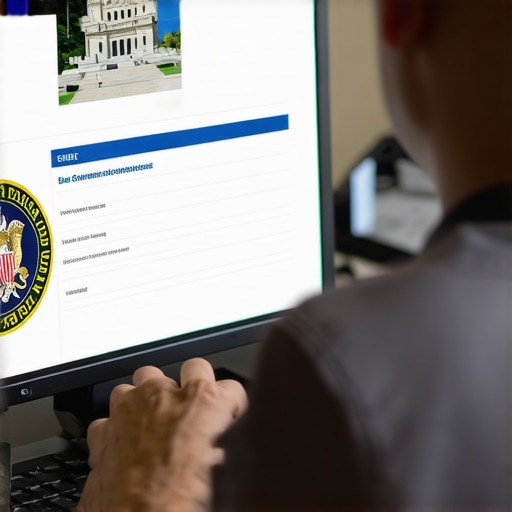
Begin by locating your state’s licensing board website, which is the authoritative source for contractor credentials. Enter the contractor’s license number into the search tool to confirm validity, license type, and expiration date. I recall a time when I discovered a contractor’s license was expired just days before the scheduled start, thanks to this quick check. This proactive step prevented potential delays and legal complications.
Verify License Details Directly
Cross-reference the information provided with the contractor’s official paperwork, such as their business card or contract documents. Look for discrepancies in name spelling, license number, or issuance date, which could flag fraudulent credentials. Consider calling the licensing board if anything seems suspicious. This ensures you’re not relying solely on online data but actively confirming authenticity.
Review Past Projects and References
Next, ask the contractor for a list of recent projects similar to yours. Contact previous clients to discuss their experience regarding workmanship, punctuality, and adherence to permits. When I did this for my kitchen extension, a homeowner’s praise about timely permit approvals underscored the contractor’s familiarity with local regulations, saving us weeks in permit processing.
Visit Previous Job Sites if Possible
If feasible, visit ongoing or completed sites to assess actual work quality and safety standards. Observe the site organization, material handling, and worker professionalism. Seeing a recent project firsthand provided me reassurance that the contractor’s license translated into quality work, reducing my anxiety about potential scamming.
Utilize Additional Verification Tools
Leverage online databases or third-party verification services, which often compile comprehensive contractor records. Some sites also flag licenses that are under review or have pending violations. Remember, a license can sometimes be revoked or suspended, so be diligent. I once used an industry-specific verification platform that flagged an unlicensed subcontractor, enabling me to adjust my plans immediately.
Understand Local Permit Processes
Familiarize yourself with local permit requirements through resources like this guide. Ensuring your contractor is aware of and complies with permit protocols can be the difference between a smooth project and costly rejections. During my project, my contractor’s familiarity with the permit process prevented inspection delays, keeping everything on schedule.
Document Everything for Peace of Mind
Maintain records of all verification steps, including copies of licenses, correspondence, and reference checks. This documentation can be invaluable if disputes arise or if legal proof of verification is needed in the future. I’ve found that organized documentation not only streamlines project management but also provides confidence that I’ve taken every precaution.
Keep Communication Open
Finally, establish clear communication channels with your contractor about licensing and permits to ensure ongoing compliance. Regular updates and transparency foster trust and help catch licensing or licensing-related issues early. When I kept an open dialogue about licensing during my project, it fostered mutual accountability, reducing surprises and ensuring smoother progress.
When tackling home additions or new builds, many homeowners operate under mistaken assumptions that can lead to costly mistakes. One widespread myth is that estimating total costs is simply a matter of multiplying square footage by a standard rate. In reality, estimating is a complex process influenced by numerous nuanced factors such as permit fees, site-specific challenges, and material fluctuations. Relying solely on generic estimates often results in significant underbudgeting, which can stall or derail your entire project. That’s why consulting detailed estimating guides is essential for accuracy.
Many assume that permits are straightforward and can be obtained quickly if the paperwork is filled correctly. However, the hidden nuance lies in understanding local permit requirements that vary significantly by jurisdiction. Some areas impose stringent reviews for certain additions, which can cause delays if overlooked. Proactively reviewing permit processes in your locality helps you anticipate potential hurdles and budget for them.
A common mistake during project planning revolves around the perceived simplicity of the construction timeline. Homeowners often underestimate the impact of unforeseen site conditions, like underground utilities or soil stability issues, which can add weeks or even months to the schedule and increase costs unexpectedly. Engaging with experts who understand local conditions and incorporating contingency periods into your timeline can save headaches later.
Let’s address a more advanced question:** How does zoning variation impact your addition plans more than just setbacks?** Zoning laws not only dictate setback distances but can also restrict building height, lot coverage, or even specific design styles. Overlooking these restrictions can lead to permit rejections or the need for costly redesigns. For savvy homeowners, understanding these limits early by consulting resources like permitting guides can provide a strategic advantage and prevent expensive setbacks.
Finally, homeowners frequently overlook the importance of detailed cost estimation verification. Relying on initial quotes without cross-checking line-item specifics leaves room for hidden fees and padding. By systematically reviewing estimates—checking for inflated line items or hidden surcharges—you ensure your project stays within budget. This proactive approach is backed by studies like those from the Home Improvement Cost Control Initiative, which highlights that detailed scrutiny can save tens of thousands of dollars.
Are you guilty of any of these misconceptions? Recognizing these hidden nuances and debunking the myths can be your best defense against overlooked costs and project delays. For more expert insights, visit our contact page and keep your project on track. Remember, thorough research and strategic planning make all the difference in turning your home improvement dreams into reality. Have you ever fallen into this trap? Let me know in the comments.
Maintaining Your Home Project with Precision Tools
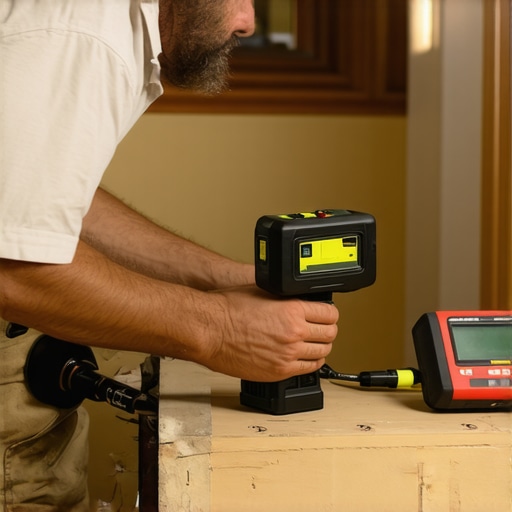
To ensure your home addition stays on track long after the initial build, leveraging the right tools is essential. I personally rely on advanced laser levels like the Bosch GSL2 Professional Laser Distance Meter. This device provides quick, highly accurate measurements, making it effortless to verify dimensions during post-construction inspections or future modifications. Accurate measurements prevent costly errors and help in maintaining the integrity of your build over time.
How do I maintain my addition over time?
Regular inspections are key. I schedule seasonal checks of structural elements and roofing, using digital moisture meters like the FLIR C2 Thermal Camera to spot hidden issues such as leaks or insulation breakdown early. This proactive approach allows for timely repairs, preserving your home’s value and safety. Additionally, maintaining updated records of all inspections and repairs in a dedicated digital folder helps track weather-induced wear and tear, guiding future maintenance decisions.
Embracing Software for Long-Term Success
Beyond physical tools, project management software like Buildertrend can significantly streamline ongoing maintenance tasks. I use it not just for scheduling but also for recording maintenance reminders, warranty info, and vendor contacts. This centralized system ensures nothing is overlooked, especially when coordinating with contractors or scheduling inspections for permits like those detailed in permit approval tips.
Future Trends in Home Maintenance Tools
Looking ahead, I predict an increased integration of IoT devices into home systems. Smart sensors monitoring humidity, structural shifts, or energy efficiency will provide homeowners with real-time alerts, enabling even more proactive upkeep. Staying informed via industry updates and emerging technologies will be critical for homeowners aiming to protect their long-term investments.
Scale Up with Confidence and Efficiency
If you’re planning to expand your project or undertake more complex additions, understanding the latest estimation strategies is vital. Resources like modern estimation methods equip you with the tools to accurately project costs and avoid budget overruns. Combining precise measurement tools with robust project management software will give you the confidence to scale up while maintaining quality and compliance.
Try integrating the Bosch laser level into your routine inspections this season. It’s a game-changer when it comes to early problem detection and maintaining tight tolerances. Remember, ongoing care and the right technological support are keys to a lasting, successful home addition. For more tips on maintaining your project, visit our contact page — we’re here to help you keep everything working perfectly long after the build concludes.
Lessons Behind the Curtain: What I Wish I Knew About Permits and Estimating
- One crucial insight I uncovered was the importance of timing permit applications to coincide with your project phases, preventing costly delays I hadn’t anticipated.
- Understanding local zoning nuances transformed my approach, saving me from redesigns due to overlooked setback or height restrictions, which often trip up homeowners.
- I’ve realized that detailed cost estimates are more than just numbers; they’re strategic tools. Investing time in cross-checking line items revealed hidden fees and inflated charges, keeping my budget in check.
- Experiencing the pitfalls of relying solely on online license verification taught me that direct communication with licensing boards is the gold standard to ensure contractor credibility.
My Essential Toolkit for Addition Success
- ConstructionEdgez: The platform’s guides on permit processes and estimation strategies are my go-to resources, providing confidence backed by industry expertise.
- Buildertrend: This project management software streamlines collaboration, especially when coordinating permit submissions and progress tracking, ensuring nothing slips through the cracks.
- Bosch Laser Distance Meter: Precision in measurements prevents costly mistakes, making it invaluable during inspections and adjustments post-build.
- Digital Moisture Meters and Thermal Cameras: Regular home maintenance with these tools catches issues early, prolonging your investment’s longevity.
Your Next Move Starts Now
Embarking on a home addition project is an exciting journey—armed with the right knowledge, resources, and proactive approach, you gain confidence to turn your vision into reality. Remember, strategic planning and leveraging trusted tools make all the difference in creating a space that’s both beautiful and compliant. Don’t wait for problems to find you; take action today and turn your dream home into your best reality. Have you ever overlooked a permit step that came back to bite you? Share your story below and learn from others’ experiences.