Why Your Guest House Needs a Separate Water Meter Permit
It was a weekend like any other when I finally realized I had made a costly mistake. I was halfway through installing a new guest house on my property, excited about the extra space and potential rental income. However, I overlooked a crucial step: securing a separate water meter permit. Soon, I was faced with unexpectedly high water bills and the headache of sorting out permits after the fact. That lightbulb moment made me ask myself, “Why didn’t I handle this earlier?”
Getting Water Under Control for Your Guest House
Many homeowners jump into building a guest house or an addition without considering the complexities involved with water supply and permits. But neglecting to get a separate water meter permit isn’t just a minor oversight—it’s a real risk that can cost you time, money, and frustration down the line. Today, I want to share why this small but essential step can save you from big headaches and how to approach it correctly from the start. We’ll explore what a separate water meter permit entails, why it’s often overlooked, and how taking action early can streamline your project. If you’ve felt overwhelmed by permit processes or wondered whether you need a separate water meter, this post is for you. Ready to get the facts straight and avoid common pitfalls? Let’s dive in.
Is a Separate Water Meter Permit Really Worth the Hassle?
I admit, at first I believed I could save a bit of effort by skipping the permit process. That mistake cost me a lot more than I anticipated. An early error I made was assuming that connecting to the existing water line was enough—only to find out that local codes mandated a separate meter for the guest house’s water supply. According to industry experts, proper permits are essential to ensure compliance and avoid fines or delays. In fact, failing to secure these permits can complicate future maintenance and resale. For more on estimating costs accurately and avoiding avoidable expenses, check out this guide on estimating costs for new builds. Now, let’s move beyond the mistakes and look at what you need to know to do it right the first time.
Start with Local Regulations and Requirements
Before diving into any physical work, visit your local permitting office or municipality website to understand specific requirements for separate water meters. These regulations vary by location, so knowing the rules upfront saves time and prevents costly mistakes. For example, some jurisdictions require submitting detailed site plans, subdivision approval, or specific fee payments. Contact the permitting department directly at this contact page to clarify any uncertainties.
Gather Necessary Documentation
Prepare detailed site drawings showing the placement of the guest house, existing water lines, and proposed connection points. Include property deeds, proof of ownership, and any previous permits related to water or construction. A well-organized documentation set streamlines the review process and demonstrates compliance with local codes.
Estimate Costs Accurately
Proper costing is crucial to avoid surprises. Consider all expenses including permit application fees, inspection charges, and potential infrastructure upgrades. Use this guide on estimating costs to ensure your budget reflects real market prices and project scope.
Identify Allowable Connection Points
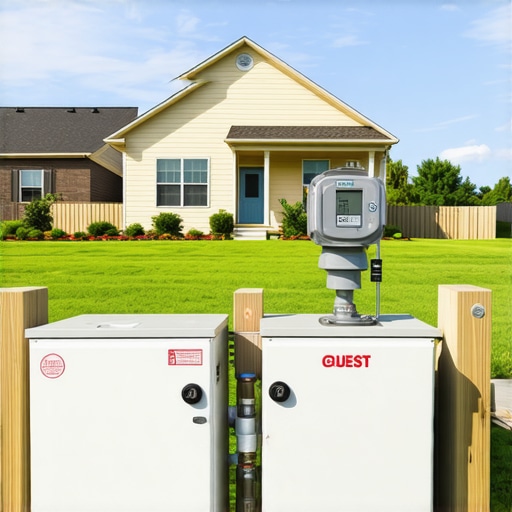
Determine where the guest house can legally connect to the existing water line and identify if additional piping or meters are necessary. This step often involves consulting with a licensed plumber or civil engineer. A real-world example: I initially thought I could link directly to my main line, but after professional consultation, I learned the code mandated a separate meter right at the property line, which saved me from subsequent compliance issues.
Submit Application with Precision
Complete all application forms meticulously, including detailed site plans and supporting documents. Attach all required fees and double-check that everything aligns with local regulations. Submitting incomplete or inaccurate applications leads to delays, which can be frustrating and costly. To enhance your chances of swift approval, review specific tips in this permit approval guide.
Hire Licensed Professionals When Needed
Engage a licensed plumber and possibly a civil engineer to design the connection. Their expertise not only ensures code compliance but also can expedite permit approval. In my case, hiring a professional early on meant fewer back-and-forth with inspectors and a smoother approval process, ultimately saving time and potential rework costs.
Schedule Inspections and Follow Up
After submitting the application, monitor its progress regularly. Schedule required inspections promptly once approvals are granted to maintain your project timeline. Keep all documentation and correspondence organized for future reference or in case of disputes. Consistent follow-up with the permitting office helps prevent unnecessary delays and demonstrates your commitment to compliance.
Adjust Based on Feedback
If inspectors identify issues, address them swiftly—whether that means redesigning a connection point or upgrading infrastructure. Being responsive can significantly reduce the approval timeline and keeps your project on track. In my experience, prompt adjustments after initial feedback avoided prolonged delays and additional costs.
Securing a separate water meter permit doesn’t have to be daunting if broken down into clear, actionable steps. By understanding local regulations, preparing thorough documentation, engaging professionals, and staying organized, you can streamline your process and focus on bringing your guest house project to completion efficiently.
Many homeowners believe that estimating costs and navigating permits for new builds or additions is straightforward—just total up materials and submit some paperwork. However, in my experience, there’s a complex layer of nuances that often go unnoticed, leading to costly mistakes and project delays.
One common myth I encounter is the assumption that all estimates are created equal. In reality, detailed and accurate estimations depend on understanding the specific scope, local market fluctuations, and hidden variables like soil conditions or permit fee variations. Relying solely on rough calculations can result in underbudgeting, which then forces tough compromises or project halts. For expert strategies on precise cost estimation, check out this guide on estimating costs.
Another trap homeowners fall into involves permit processes. Many think that securing a permit is merely a bureaucratic hurdle, but in fact, permits are tailored to each project’s specific elements—such as soil tests, setbacks, or structural modifications—that must align with local codes. Overlooking these nuances risks delays or non-compliance penalties. For an in-depth look at navigating permit requirements, see this resource on permit navigation.
Why Do Many Miss Critical Details in Estimates or Permits? The Oversight of Subtle Factors
In my experience, one of the most overlooked aspects is the impact of soil conditions. For example, soil stability tests can reveal underlying issues like clay expansion or sinkhole susceptibility, which can significantly inflate foundation costs and require specialized engineering. Ignoring this factor not only leads to budget overruns but also potential safety hazards. According to a recent study by geotechnical experts, soil testing is one of the most cost-effective measurements to prevent unexpected foundation failures in new builds.
Similarly, permit applications often neglect to consider local zoning variances or upcoming regulatory changes, especially when homeowners try to expedite their projects. This oversight can cause permit rejections or legal complications down the line. To avoid this, being proactive and consulting with specialists familiar with local permit nuances is advisable. You might find this guide on permit success very helpful.
Understanding these hidden layers is crucial. Don’t fall into the trap of oversimplification; instead, approach estimates and permits as dynamic processes requiring meticulous attention to detail. This mindset not only saves money but also ensures your project stays compliant andon schedule. Have you ever fallen into this trap? Let me know in the comments and share your experience!
Streamlining Maintenance with Smart Tools
To ensure your construction investments stand the test of time, leveraging the right tools for ongoing maintenance is vital. I personally rely on digital asset management software like Buildertrend because it consolidates all project documentation, warranties, and maintenance schedules in one accessible platform. This approach minimizes missed inspections or neglected repairs, which are common pitfalls in long-term project management.
Another game-changing tool I recommend is ProCore, especially for coordinating maintenance tasks with your team and subcontractors. Its mobile app allows instant updates on repairs or inspections, reducing downtime and keeping the project moving smoothly. As technology advances, integrating these tools into your routine will become increasingly essential to maintain quality and efficiency.
How do I maintain my projects over time?
Regular inspections and preventive maintenance are the backbone of long-term success. Scheduling routine checks using digital checklists helps catch issues early—like minor leaks or structural wear—that could escalate into costly repairs. Additionally, setting up automated reminders within your maintenance software ensures nothing slips through the cracks, especially for complex builds with multiple systems.
Tools I Trust for Longevity and Performance
When it comes to physical equipment, I swear by high-quality laser levels such as the Mitutoyo Digital Level. Its precision ensures that structures remain perfectly aligned over time, preventing problems like uneven flooring or compromised load-bearing walls. For soil testing, I use the SAF T Sonde, which provides immediate feedback on soil stability, critical for foundations and ongoing landscaping. These instruments pay for themselves by reducing unforeseen repairs stemming from initial miscalculations.
Investing in reliable software and equipment might seem like an upfront expense, but it pays dividends by extending the lifespan of your projects. In the future, I predict the integration of IoT sensors into building infrastructure will offer real-time monitoring of structural health, drastically improving maintenance efficiency and safety. Staying ahead means adopting these innovations early.
What’s the benefit of proactive maintenance planning?
Proactivity prevents costly surprises and ensures your build maintains its integrity over decades. For example, integrating preventative checks in your permit renewal and inspection cycles, as highlighted in this resource, helps identify potential issues before they escalate. Implement a maintenance calendar now, and make it a routine part of your project management strategy. Try scheduling a comprehensive soil test or structural review with the tools discussed—you’ll be surprised how much groundwork this proactive approach covers.
Lessons That Changed My Approach to Permits and Cost Planning
- Overestimating the complexity of permit approval processes cost me valuable time; I learned that building strong relationships with local officials can often speed things up significantly.
- I realized that assuming my initial cost estimates were foolproof was a mistake—scoping out hidden variables like soil testing needs prevented future budget overruns.
- My biggest eye-opener was understanding that early engagement with licensed professionals not only eased permit approval but also avoided costly reworks later.
- One lesson I won’t forget is how crucial detailed documentation is—skimping on this step led to unnecessary delays and stress during inspections.
- Lastly, I discovered that embracing technology for project management and maintenance can save years of hassle and keep everything running smoothly long after the build is complete.
Tools and Resources That Made a Difference in My Project
Among my most trusted tools is the guide on estimating costs. It helped me refine my budget, accounting for those sneaky hidden fees. For permit navigation, I leaned heavily on this resource on understanding permit requirements. It demystified the often confusing process and made me confident during submissions. Managing inspections and follow-ups became much easier with this step-by-step tip sheet. Finally, I rely on project management apps like Buildertrend, which keep my documentation, schedules, and communication organized—saving me from endless lost papers and missed steps.
Your Next Move Is Closer Than You Think
Building a guest house or any addition might seem intimidating at first, but with the right mindset and resources, you can master the process. Remember, the key lies in deep preparation, engaging professionals wisely, and leveraging the best tools for ongoing maintenance. Your project’s success depends on your willingness to dive in with purpose and patience—these investments pay off long after the walls are up.
What has been your biggest challenge with permits or estimating costs in your own projects? Let me know below, and let’s learn from each other’s experiences!
}#}#}#}#}#}#}#}#}#}#}#}#}#}#}#}#}#}#}#}#}#}#}#}#}#}#}#}#}#}#}#}#}#}#}#}#}#}#}#}#}#}#}#}#}#}#}#}#}#}#}#}#}#}#}#}#}#}#}#}#}#}#}#}#}#}#}#}#}#}#}#}#}#}#}#}#}#}#}#}#}#}#}#}#}#}#}#}#}#}#}#}#}#}#}#}#}#}#}#}#}#}#}#}#}#}#}#}#}#}#}#}#}#}#}#}#}#}#}#}#}#}#}#}#}#}#}#}#}#}#}#}#}#}#}#}#}#}#}#}#}#}#}#}#}#}#}#}#}#}#}#}#}#}#}#}#}#}#}#}#}#}#}#}#}#}#}#}#}#}#}#}#}#}#}#}#}#}#}#}#}#}#}#}#}#}#}#}#}#}#}#}#}#}#}#}#}#}#}#}#}#}#}#}#}#}#}#}#}#}#}#}#}#}#}#}#}#}#}#}#}#}#}#}#}#}#}#}#}#}#}#}#}#}#}#}#}#}#}#}#}#}#}#}#}#}#}#}#}#}#}#}#}#}#}#}#}#}#}#}#}#}#}#}#}#}#}#}#}#}#}#}#}#}#}#}#}#}#}#}#}#}#}#}#}#}#}#}#}#}#}#}#}#}#}#}#}#}#}#}#}#}#}#}#}#}#}#}#}#}#}#}#}#}#}#}#}#}#}#}#}#}#}#}#}#}#}#}#}#}#}#}#}#}#}#}#}#}#}#}#}#}#}#}#}#}#}#}#}#}#}#}#}#}#}#}#}#}#}#}#}#}#}#}#}#}#}#}#}#}#}#}#}#}#}#}#}#}#}#}#}#}#}#}#}#}#}#}#}#}#}#}#}#}#}#}#}#}#}#}#}#}#}#}#}#}#}#}#}#}#}#}#}#}#}#}#}#}#}#}#}#}#}#}#}#}#}#}#}#}#}#}#}#}#}#}#}#}#}#}#}#}#}#}#}#}#}#}#}#}#}#}#}#}#}#}#}#}#}#}#}#}#}#}#}#}#}#}#}#}#}#}#}#}#}#}#}#}#}#}#}#}#}#}#}#}#}#}#}#}#}#}#}#}#}#}#}#}#}#}#}#}#}#}#}#}#}#}#}#}#}#}#}#}#}#}#}#}#}#}#}#}#}#}#}#}#}#}#}#}#}#}#}#}#}#}#}#}#}#}#}#}#}#}#}#}#}#}#}#}#}#}#}#}#}#}#}#}#}#}#}#}#}#}#}#}#}#}#}#}#}#}#}#}#}#}#}#}#}#}#}#}#}#}#}#}#}#}#}#}#}#}#}#}#}#}#}#}#}#}#}#}#}#}#}#}#}#}#}#}#}#}#}#}#}#}#}#}#}#}#}#}#}#}#}#}#}#}#}#}#}#}#}#}#}#}#}#}#}#}#}#}#}#}#}#}#}#}#}#}#}#}#}#}#}#}#}#}#}#}#}#}#}#}#}#}#}#}#}#}#}#}#}#}#}#}#}#}#}#}#}#}#}#}#}#}#}#}#}#}#}#}#}#}#}#}#}#}#}#}#}#}#}#}#}#}#}#}#}#}#}#}#}#}#}#}#}#}#}#}#}#}#}#}#}#}#}#}#}#}#}#}#}#}#}#}#}#}#}#}#}#}#}#}#}#}#}#}#}#}#}#}#}#}#}#}#}#}#}#}#}#}#}#}#}#}#}#}#}#}#}#}#}#}#}#}#}#}#}#}#}#}#}#}#}#}#}#}#}#}#}#}#}#}#}#}#}#}#}#}#}#}#}#}#}#}#}#}#}#}#}#}#}#}#}#}#}#}#}#}#}#}#}#}#}#}#}#}#}#}#}#}#}#}#}#}#}#}#}#}#}#}#}#}#}#}#}#}#}#}#}#}#}#}#}#}#}#}#}#}#}#}#}#}#}#}#}#}#}#}#}#}#}#}#}#}#}#}#}#}#}#}#}#}#}#}#}#}#}#}#}#}#}#}#}#}#}#}#}#}#}#}#}#}#}#}#}#}#}#}#}#}#}#}#}#}#}#}#}#}#}#}#}#}#}#}#}#}#}#}#}#}#}#}#}#}#}#}#}#}#}#}#}#}#}#}#}#}#}#}#}#}#}#}#}#}#}#}#}#}#}#}#}#}#}#}#}#}#}#}#}#}#}#}#}#}#}#}#}#}#}#}#}#}#}#}#}#}#}#}#}#}#}#}#}#}#}#}#}#}#}#}#}#}#}#}#}#}#}#}#}#}#}#}#}#}#}#}#}#}#}#}#}#}#}#}#}#}#}#}#}#}#}#}#}#}#}#}#}#}#}#}#}#}#}#}#}#}#}#}#}#}#}#}#}#}#}#}#}#}#}#}#}#}#}#}#}#}#}#}#}#}#}#}#}#}#}#}#}#}#}#}#}#}#}#}#}#}#}#}#}#}#}#}#}#}#}#}#}#}#}#}#}#}#}#}#}#}#}#}#}#}#}#}#}#}#}#}#}#}#}#}#}#}#}#}#}#}#}#}#}#}#}#}#}#}#}#}#}#}#}#}#}#}#}#}#}#}#}#}#}#}#}#}#}#}#}#}#}#}#}#}#}#}#}#}#}#}#}#}#}#}#}#}#}#}#}#}#}#}#}#}#}#}#}#}#}#}#}#}#}#}#}#}#}#}#}#}#}#}#}#}#}#}#}#}#}#}#}#}#}#}#}#}#}#}#}#}#}#}#}#}#}#}#}#}#}#}#}#}#}#}#}#}#}#}#}#}#}#}#}#}#}#}#}#}#}#}#}#}#}#}#}#}#}#}#}#}#}#}#}#}#}#}#}#}#}#}#}#}#}#}#}#}#}#}#}#}#}#}#}#}#}#}#}#}#}#}#}#}#}#}#}#}#}#}#}#}#}#}#}#}#}#}#}#}#}#}#}#}#}#}#}#}#}#}#}#}#}#}#}#}#}#}#}#}#}#}#}#}#}#}#}#}#}#}#}#}#}#}#}#}#}#}#}#}#}#}#}#}#}#}#}#}#}#}#}#}#}#}#}#}#}#}#}#}#}#}#}#}#}#}#}#}#}#}#}#}#}#}#}#}#}#}#}#}#}#}#}#}#}#}#}#}#}#}#}#}#}#}#}#}#}#}#}#}#}#}#}#}#}#}#}#}#}#}#}#}#}#}#}#}#}#}#}#}#}#}#}#}#}#}#}#}#}#}#}#}#}#}#}#}#}#}#}#}#}#}#}#}#}#}#}#}#}#}#}#}#}#}#}#}#}#}#}#}#}#}#}#}#}#}#}#}#}#}#}#}#}#}#}#}#}#}#}#}#}#}#}#}#}#}#}#}#}#}#}#}#}#}#}#}#}#}#}#}#}#}#}#}#}#}#}#}#}#}#}#}#}#}#}#}#}#}#}#}#}#}#}#}#}#}#}#}#}#}#}#}#}#}#}#}#}#}#}#}#}#}#}#}#}#}#}#}#}#}#}#}#}#}#}#}#}#}#}#}#}#}#}#}#}#}#}#}#}#}#}#}#}#}#}#}#}#}#}#}#}#}#}#}#}#}#}#}#}#}#}#}#}#}#}#}#}#}#}#}#}#}#}#}#}#}#}#}#}#}#}#}#}#}#}#}#}#}#}#}#}#}#}#}#}#}#}#}#}#}#}#}#}#}#}#}#}#}#}#}#}#}#}#}#}#}#}#}#}#}#}#}#}#}#}#}#}#}#}#}#}#}#}#}#}#}#}#}#}#}#}#}#}#}#}#}#}#}#}#}#}#}#}#}#}#}#}#}#}#}#}#}#}#}#}#}#}#}#}#}#}#}#}#}#}#}#}#}#}#}#}#}#}#}#}#}#}#}#}#}#}#}#}#}#}#}#}#}#}#}#}#}#}#}#}#}#}#}#}#}#}#}#}#}#}#}#}#}#}#}#}#}#}#}#}#}#}#}#}#}#}#}#}#}#}#}#}#}#}#}#}#}#}#}#}#}#}#}#}#}#}#}#}#}#}#}#}#}#}#}#}#}#}#}#}#}#}#}#}#}#}#}#}#}#}#}#}#}#}#}#}#}#}#}#}#}#}#}#}#}#}#}#}#}#}#}#}#}#}#}#}#}#}#}#}#}#}#}#}#}#}#}#}#}#}#}#}#}#}#}#}#}#}#}#}#}#}#}#}#}#}#}#}#}#}#}#}#}#}#}#}#}#}#}#}#}#}#}#}#}#}#}#}#}#}#}#}#}#}#}#}#}#}#}#}#}#}#}#}#}#}#}#}#}#}#}#}#}#}#}#}#}#}#}#}#}#}#}#}#}#}#}#}#}#}#}#}#}#}#}#}#}#}#}#}#}#}#}#}#}#}#}#}#}#}#}#}#}#}#}#}#}#}#}#}#}#}#}#}#}#}#}#}#}#}#}#}#}#}#}#}#}#}#}#}#}#}#}#}#}#}#}#}#}#}#}#}#}#}#}#}#}#}#}#}#}#}#}#}#}#}#}#}#}#}#}#}#}#}#}#}#}#}#}#}#}#}#}#}#}#}#}#}#}#}#}#}#}#}#}#}#}#}#}#}#}#}#}#}#}#}#}#}#}#}#}#}#}#}#}#}#}#}#}#}#}#}#}#}#}#}#}#}#}#}#}#}#}#}#}#}#}#}#}#}#}#}#}#}#}#}#}#}#}#}#}#}#}#}#}#}#}#}#}#}#}#}#}#}#}#}#}#}#}#}#}#}#}#}#}#}#}#}#}#}#}#}#}#}#}#}#}#}#}#}#}#}#}#}#}#}#}#}#}#}#}#}#}#}#}#}#}#}#}#}#}#}#}#}#}#}#}#}#}#}#}#}#}#}#}#}#}#}#}#}#}#}#}#}#}#}#}#}#}#}#}#}#}#}#}#}#}#}#}#}#}#}#}#}#}#}#}#}#}#}#}#}#}#}#}#}#}#}#}#}#}#}#}#}#}#}#}#}#}#}#}#}#}#}#}#}#}#}#}#}#}#}#}#}#}#}#}#}#}#}#}#}#}#}#}#}#}#}#}#}#}#}#}#}#}#}#}#}#}#}#}#}#}#}#}#}#}#}#}#}#}#}#}#}#}#}#}#}#}#}#}#}#}#}#}#}#}#}#}#}#}#}#}#}#}#}#}#}#}#}#}#}#}#}#}#}#}#}#}#}#}#}#}#}#}#}#}#}#}#}#}#}#}#}#}#}#}#}#}#}#}#}#}#}#}#}#}#}#}#}#}#}#}#}#}#}#}#}#}#}#}#}#}#}#}#}#}#}#}#}#}#}#}#}#}#}#}#}#}#}#}#}#}#}#}#}#}#}#}#}#}#}#}#}#}#}#}#}#}#}#}#}#}#}#}#}#}#}#}#}#}#}#}#}#}#}#}#}#}#}#}#}#}#}#}#}#}#}#}#}#}#}#}#}#}#}#}#}#}#}#}#}#}#}#}#}#}#}#}#}#}#}#}#}#}#}#}#}#}#}#}#}#}#}#}#}#}#}#}#}#}#}#}#}#}#}#}#}#}#}#}#}#}#}#}#}#}#}#}#}#}#}#}#}#}#}#}#}#}#}#}#}#}#}#}#}#}#}#}#}#}#}#}#}#}#}#}#}#}#}#}#}#}#}#}#}#}#}#}#}#}#}#}#}#}#}#}#}#}#}#}#}#}#}#}#}#}#}#}#}#}#}#}#}#}#}#}#}#}#}#}#}#}#}#}#}#}#}#}#}#}#}#}#}#}#}#}#}#}#}#}#}#}#}#}#}#}#}#}#}#}#}#}#}#}#}#}#}#}#}#}#}#}#}#}#}#}#}#}#}#}#}#}#}#}#}#}#}#}#}#}#}#}#}#}#}#}#}#}#}#}#}#}#}#}#}#}#}#}#}#}#}#}#}#}#}#}#}#}#}#}#}#}#}#}#}#}#}#}#}#}#}#}#}#}#}#}#}#}#}#}#}#}#}#}#}#}#}#}#}#}#}#}#}#}#}#}#}#}#}#}#}#}#}#}#}#}#}#}#}#}#}#}#}#}#}#}#}#}#}#}#}#}#}#}#}#}#}#}#}#}#}#}#}#}#}#}#}#}#}#}#}#}#}#}#}#}#}#}#}#}#}#}#}#}#}#}#}#}#}#}#}#}#}#}#}#}#}#}#}#}#}#}#}#}#}#}#}#}#}#}#}#}#}#}#}#}#}#}#}#}#}#}#}#}#}#}#}#}#}#}#}#}#}#}#}#}#}#}#}#}#}#}#}#}#}#}#}#}#}#}#}#}#}#}#}#}#}#}#}#}#}#}#}#}#}#}#}#}#}#}#}#}#}#}#}#}#}#}#}#}#}#}#}#}#}#}#}#}#}#}#}#}#}#}#}#}#}#}#}#}#}#}#}#}#}#}#}#}#}#}#}#}#}#}#}#}#}#}#}#}#}#}#}#}#}#}#}#}#}#}#}#}#}#}#}#}#}#}#}#}#}#}#}#}#}#}#}#}#}#}#}#}#}#}#}#}#}#}#}#}#}#}#}#}#}#}#}#}#}#}#}#}#}#}#}#}#}#}#}#}#}#}#}#}#}#}#}#}#}#}#}#}#}#}#}#}#}#}#}#}#}#}#}#}#}#}#}#}#}#}#}#}#}#}#}#}#}#}#}#}#}#}#}#}#}#}#}#}#}#}#}#}#}#}#}#}#}#}#}#}#}#}#}#}#}#}#}#}#}#}#}#}#}#}#}#}#}#}#}#}#}#}#}#}#}#}#}#}#}#}#}#}#}#}#}#}#}#}#}#}#}#}#}#}#}#}#}#}#}#}#}#}#}#}#}#}#}#}#}#}#}#}#}#}#}#}#}#}#}#}#}#}#}#}#}#}#}#}#}#}#}#}#}#}#}#}#}#}#}#}#}#}#}#}#}#}#}#}#}#}#}#}#}#}#}#}#}#}#}#}#}#}#}#}#}#}#}#}#}#}#}#}#}#}#}#}#}#}#}#}#}#}#}#}#}#}#}#}#}#}#}#}#}#}#}#}#}#}#}#}#}#}#}#}#}#}#}#}#}#}#}#}#}#}#}#}#}#}#}#}#}#}#}#}#}#}#}#}#}#}#}#}#}#}#}#}#}#}#}#}#}#}#}#}#}#}#}#}#}#}#}#}#}#}#}#}#}#}#}#}#}#}#}#}#}#}#}#}#}#}#}#}#}#}#}#}#}#}#}#}#}#}#}#}#}#}#}#}#}#}#}#}#}#}#}#}#}#}#}#}#}#}#}#}#}#}#}#}#}#}#}#}#}#}#}#}#}#}#}#}#}#}#}#}#}#}#}#}#}#}#}#}#}#}#}#}#}#}#}#}#}#}#}#}#}#}#}#}#}#}#}#}#}#}#}#}#}#}#}#}#}#}#}#}#}#}#}#}#}#}#}#}#}#}#}#}#}#}#}#}#}#}#}#}#}#}#}#}#}#}#}#}#}#}#}#}#}#}#}#}#}#}#}#}#}#}#}#}#}#}#}#}#}#}#}#}#}#}#}#}#}#}#}#}#}#}#}#}#}#}#}#}#}#}#}#}#}#}#}#}#}#}#}#}#}#}#}#}#}#}#}#}#}#}#}#}#}#}#}#}#}#}#}#}#}#}#}#}#}#}#}#}#}#}#}#}#}#}#}#}#}#}#}#}#}#}#}#}#}#}#}#}#}#}#}#}#}#}#}#}#}#}#}#}#}#}#}#}#}#}#}#}#}#}#}#}#}#}#}#}#}#}#}#}#}#}#}#}#}#}#}#}#}#}#}#}#}#}#}#}#}#}#}#}#}#}#}#}#}#}#}#}#}#}#}#}#}#}#}#}#}#}#}#}#}#}#}#}#}#}#}#}#}#}#}#}#}#}#}#}#}#}#}#}#}#}#}#}#}#}#}#}#}#}#}#}#}#}#}#}#}#}#}#}#}#}#}#}#}#}#}#}#}#}#}#}#}#}#}#}#}#}#}#}#}#}#}#}#}#}#}#}#}#}#}#}#}#}#}#}#}#}#}#}#}`