
Why Your Bathroom Addition Needs a Lead-Time Check on Tiles
I vividly remember the moment I realized my bathroom renovation was about to spiral out of control. It was mid-project, and I was staring at a stack of unpacked tiles that had arrived three weeks late. The delay wasn’t just a minor inconvenience; it threatened to push back the entire schedule, increase costs, and leave me frustrated and overwhelmed. That lightbulb moment made me wonder: had I overlooked an essential step in planning for tile installation? The answer was a resounding yes.
Why Timing on Tile Delivery Can Make or Break Your Bathroom Project
In my experience, many homeowners underestimate the importance of lead-time management when it comes to critical materials like tiles. Especially for bathroom additions, where moisture and tight timelines are involved, delays can cause a domino effect—stalled work, increased labor costs, and even compromised quality if rushed.
Today, I want to share from my own slip-ups and help you avoid the same pitfalls. We’ll explore how accurately estimating lead times, especially for tiles, is vital—not just for keeping your project on schedule but for delivering a result that truly meets your expectations. Managing your tile lead-time effectively can save you stress, money, and major headaches.
Is Lead-Time Management Really That Crucial for Tiles?
Absolutely. Early in my renovation journey, I failed to account for supply chain delays, which are more common than you might think. I assumed that ordering tiles a few weeks in advance was enough. Meanwhile, supply chain disruptions—amplified during worldwide events like the pandemic—threw a wrench in those plans. According to industry experts, lead times for specialized tiles can range from four to eight weeks, sometimes even longer, if you’re not proactive. You can find more detailed strategies for managing these timelines in [top estimating strategies for accurate project budgets](https://constructionedgez.com/top-estimating-strategies-for-accurate-project-budgets).
My mistake early on was simply not factoring in these delays into my schedule, leading to rushed, subpar work and added expense. The key takeaway is that being aware of potential lead-time issues and planning accordingly can make all the difference.
So, have you ever faced unexpected delays that threw your project off course? If so, you’re not alone. And don’t worry—there’s a practical way to prevent this from happening again. Up next, we’ll look at how to build a reliable lead-time check into your renovation plan, starting with understanding permit processes and supply chain factors that influence delivery times.
.
Get Clarity on the Permit Process
Start by researching your local building codes and permit requirements—these vary widely and can trip you up if overlooked. Contact your municipal planning department or visit their website to understand the necessary documentation and approval timeline. An effective way to streamline this step is to schedule an initial meeting with a permit specialist or building official, which can clarify common pitfalls and cut down review times. For example, I once mistakenly assumed I could self-approve my plans, only to face a month-long delay because I lacked proper documentation. By consulting the local permit office early, I submitted a complete package, expediting approval and avoiding costly re-submissions.
Prepare Your Documentation Precisely
Ensure your drawings, specifications, and surveys are detailed and accurate. Think of this like ordering a custom suit—you wouldn’t accept vague measurements or generic styles. Use professional drawings or hire a qualified designer to avoid delays caused by incomplete submissions. I learned the hard way when a missing detail about ventilation pathways caused my permit to be held for correction. Including comprehensive plans prevents these back-and-forths and keeps your project moving forward.
Estimate Lead Times Accurately
Understanding how long materials and inspections take is essential. Borrow an analogy from cooking: if you underestimate the baking time for a cake, you serve an undercooked mess. Likewise, underestimating tile or fixture delivery can lead to delays. Start by contacting suppliers and requesting current lead times—these can fluctuate based on seasonality or supply chain issues. I called my tile supplier and learned their lead time was actually double my initial estimate, so I adjusted my schedule accordingly. Being proactive here can save days—or even weeks—by preventing last-minute scrambles.
Use reliable data sources and build in buffers for unexpected delays. For complex components like specialty tiles or fixtures, order 6-8 weeks in advance, especially if they are custom or imported. This is where source-guided estimates like those in top estimating strategies for accurate project budgets come into play, helping you plan realistically and avoid surprises.
Coordinate Inspections and Approvals
Schedule inspections early in your timeline, not as an afterthought. Think of inspections as checkpoints in a race—they keep your progress on track, but if scheduled too late, they cause delays. Contact your local building inspector offices—to inquire about their schedules and any pre-inspection checklists or requirements needed to pass on the first attempt. I once waited until the final week to schedule my rough-in inspection, only to find the inspector’s backlog meant a two-week wait. Planning inspections well in advance avoids bottlenecks and keeps your schedule intact.

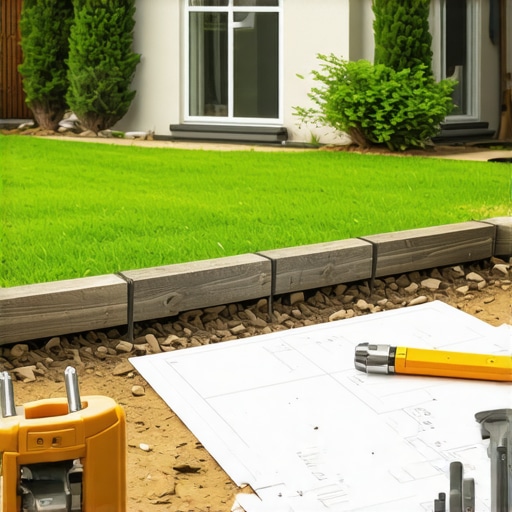
This image illustrates the permit application process, showcasing documents and a city office, helping clarify what you need to prepare before submission.
Many homeowners and even seasoned builders often fall prey to misconceptions about the complexities of estimates and permits, believing these are straightforward tasks. However, the truth lies in the nuances that many overlook, which can lead to costly delays or budget overruns. One common myth is that permit procedures are uniform across jurisdictions. In reality, local building codes and permit requirements vary drastically, and underestimating this variability can be a surefire recipe for trouble. For example, some municipalities require detailed soil reports or specific fire safety measures for new additions, which might not be immediately apparent. Consulting with local permit offices or experts on permitting processes can save weeks of frustration.
Another misconception revolves around estimating costs, especially for specialized work like custom tiling or structural modifications. Many assume that a rough estimate is enough, but in my experience, precision is crucial—yet it’s also where most mistakes happen. Inaccurate estimates often stem from ignoring potential supply chain delays or project-specific challenges, like accommodating existing foundation constraints. Advanced estimation techniques suggest building in contingencies and understanding supply lead times, as detailed in accurate project budgeting. Skipping this step can result in surprise expenses that strain your overall budget.
Have you ever fallen into this trap? Let me know in the comments.
Ask any veteran in the industry, and they’ll tell you that the devil is in the details—especially when managing permits and estimates. For instance, smaller details such as verifying the depth of foundation frost lines or ensuring your site plan complies with local setback requirements can greatly influence your project’s timeline and success. Overlooking these can cause permit rejections or costly redesigns. The good news is that by adopting a meticulous approach—such as referencing adding value with expert guidance—you can proactively navigate these nuances.
It’s also essential to understand that estimates are dynamic. Factors like fluctuating material prices, labor availability, and regulatory changes can affect your initial figures. Staying informed through resources like cost estimation insights helps you adapt and plan effectively.
In essence, unlocking the hidden nuances in permits and estimates requires a combination of local knowledge, meticulous planning, and ongoing adjustment. Failing to recognize these subtleties can lead to delays, increased costs, and even legal issues. So, how do you prepare for these intricacies? Share your experiences or questions below!
Staying on top of maintenance, utilizing the right tools, and planning for long-term success are essential for any serious builder or homeowner managing a renovation or construction project. In my experience, having a curated set of reliable equipment and software can make a significant difference, especially when it comes to scaling projects or managing complex permits.
Invest in Effective Project Management Software
For me, the backbone of smooth project execution is a dedicated project management tool like Buildertrend or Procore. These platforms offer real-time collaboration, document sharing, and scheduling features. They help prevent miscommunications—think of it as having a digital construction office on your device. Specifically, I use these tools to monitor progress, track permits, and schedule inspections. As the project scales, this centralized system keeps everything visible and accountable.
Equip Yourself with Precision Tools
Quality measurement tools are non-negotiable for maintaining high standards. I rely heavily on laser distance meters like the Bosch GLM 50 CX because of their accuracy and ease of use. These devices save hours on site and reduce errors when measuring spaces for permits or planning HVAC runs. Additionally, a high-quality level like the Stabila 378 ensures your foundation and framing are perfectly aligned, preventing costly corrections later.
Implement Consistent Maintenance Routines
To keep construction sites safe and compliant, I advocate for a routine checklist—daily inspections, equipment servicing, and documentation updates. This simple habit reduces downtime caused by equipment failure or safety violations. For long-term results, maintain a log of all inspections and repairs, which proves invaluable during permit renewals or inspections. A digital tool like permit management software can aid in tracking these activities efficiently.
Plan for Future Expansion and Permitting
Scaling projects or adding new units requires an understanding of evolving permits and regulations. Regularly reviewing permit requirements will help you anticipate bottlenecks. I recommend budgeting for unexpected delays by allocating a contingency fund—usually 10-15% of your project cost—since unforeseen obstacles often crop up as projects grow.
How do I maintain project momentum over time?
Consistency in using your tools, routine site checks, and staying informed about regulation changes are key to long-term success. The trend is moving toward digital integration, so investing in management software and modern measuring equipment now will pay dividends as your projects scale. Try incorporating regular equipment maintenance routines and digital project tracking today—they are golden for sustainable progress. For more detailed strategies, explore adding value with expert guidance.
What I Wish I Knew Before Diving Into Permits and Estimations
One of my most eye-opening lessons was realizing how much overlooked detail in permits and lead times could derail my entire bathroom renovation—leading to stress, extra costs, and wasted weeks. I learned that even small misjudgments in estimating supply chain delays or misunderstandings about local permit nuances could snowball into major setbacks. Authentic success in home additions hinges on your mastery of these behind-the-scenes processes, which many homeowners tend to underestimate. The real reward is the confidence that comes from knowing you’re proactive rather than reactive, ensuring your project flows smoothly from start to finish.
My Tool Arsenal for Smooth Construction Journeys
Over time, I’ve curated a set of tools that keep my projects on track. Reliable project management software like these platforms help coordinate schedules, permits, and inspections seamlessly. Laser distance meters such as the Bosch GLM 50 CX save measurement time and boost accuracy, while high-quality levels like the Stabila 378 keep framing precise. Investing in these tools not only makes the work more efficient but also minimizes costly errors, giving you peace of mind throughout your renovation process.
Leaning Into Your Inner Construction Warrior
Embarking on a renovation or addition can feel overwhelming, but embracing a proactive mindset makes all the difference. Stay informed about permit requirements, build buffer periods into your schedule, and don’t hesitate to seek expert advice when needed. Every delay you prevent, every permit you pass on the first try, contributes to a smoother, more rewarding home transformation. Remember, A well-prepared homeowner is a confident builder—your best asset in creating a space that truly reflects your vision. Are you ready to take charge of your next addition or renovation project? Share your thoughts below and let’s elevate your building game together!