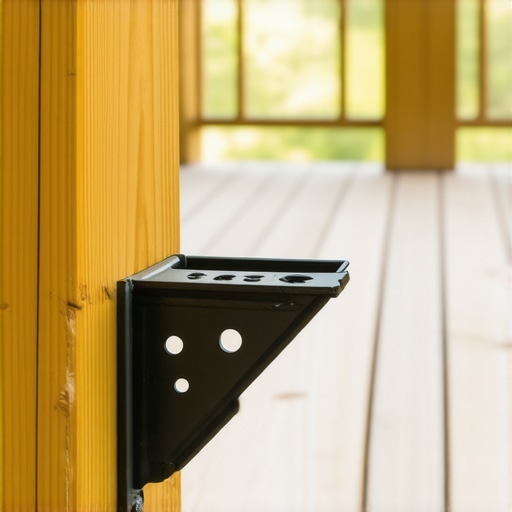
Why Your Deck Post Brackets Are the Most Important Part
It was a weekend like any other, but as I hammered away on my new deck, I suddenly heard a creak—my heart sank. The post wobbling unsettlingly beneath the support beam was a glaring sign that I’d overlooked something crucial from the start. That lightbulb moment made me realize: those tiny-looking brackets are actually the backbone of your entire outdoor space, yet so many homeowners tend to neglect their importance.
The Hidden Power of Deck Post Brackets You Can’t Afford to Ignore
When I initially began my remodeling project, I thought I could get away with the cheapest brackets available. After all, they looked sturdy enough in the store. But the first heavy rain and subsequent sway of my deck told a different story. It’s a mistake I see all too often—people underestimate how vital these brackets really are. They’re not just simple fasteners; they are the unsung heroes that keep your structure safe and sturdy for years to come.
But what exactly makes these brackets so crucial? Well, for starters, they bear the entire weight of your deck, including live loads like people, furniture, and even snow. Properly installed, they distribute the forces evenly and prevent sagging, shifting, or worse—collapse.
If you’ve ever wondered whether investing in high-quality brackets is worth it, I can tell you right now: absolutely. Skimping on this small component can lead to expensive repairs and safety hazards down the line. And if you’re unsure about how to choose the right brackets for your project, don’t worry—I’ll walk you through what to look for.
Before I dive into the details, let me share a quick tip. I learned early on that understanding permit processes can save headaches later. For instance, knowing the requirements for deck construction permits, like those outlined on [constructionedgez.com/permits-for-new-builds-essential-tips-for-your-project](https://constructionedgez.com/permits-for-new-builds-essential-tips-for-your-project), can inform your choice of materials and installation practices. Trust me, skipping this step can turn your DIY project into a legal headache.
Now, if you’ve faced the frustration of realizing your deck isn’t as stable as you hoped, you’re not alone. A little knowledge about why these brackets matter—and how to pick the right ones—can make all the difference. That’s exactly what I’m here to help you with, so let’s get started on understanding the core reasons why your deck post brackets are the most important part of your build.
Define Your Project Scope with Precision
Start by creating a detailed plan that clearly states your goals, materials, and timeline. In my recent porch rebuild, I drafted a comprehensive scope that outlined every detail, preventing costly changes later.
Estimate Costs Accurately to Avoid Surprises
Use detailed algorithms or tools like the ones found at this guide to forecast expenses. In my case, I broke down materials, labor, permits, and contingencies, which kept my budget on track and highlighted potential overruns early.
Research and Secure Necessary Permits
Familiarize yourself with local regulations through resources like this permit overview. I personally visited the permit office to clarify requirements, which streamlined my approval process and avoided delays.
Visualize the Process with a Site Survey
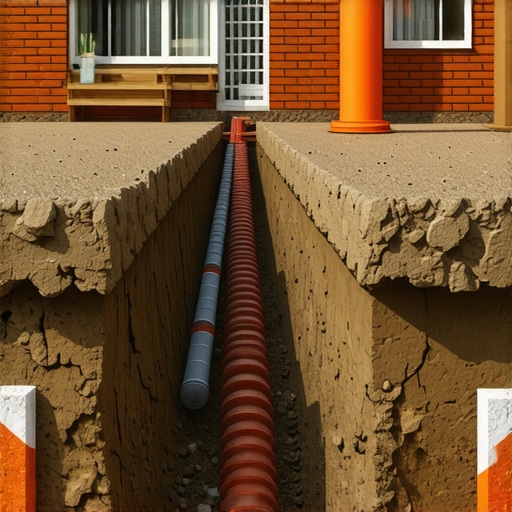
Conduct a detailed survey to understand yard topography, utility lines, and setbacks. For my project, I hired a surveyor, whose report prevented future surprises and helped me plan proper drainage and foundation placement.
Start with Proper Foundation Work
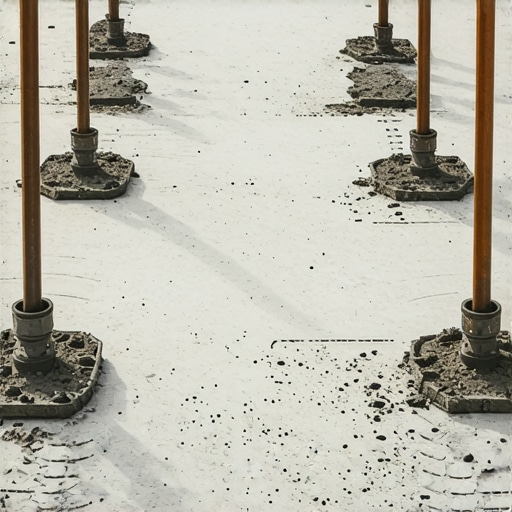
Ensure your foundation is solid by following soil bearing capacity guidelines and quality standards. I learned that skipping soil testing can lead to uneven settling—an expensive lesson I experienced firsthand. Proper footing width and depth, aligned with your local codes, are non-negotiable.
Select Quality Materials and Skilled Contractors
Quality matters over cost savings for safety and durability. I sourced materials from reputable suppliers, verified their certifications, and hired licensed professionals. This investment paid off with a sturdy, long-lasting structure and peace of mind.
Stay Organized and Document Every Step
Track progress, receipts, and inspections meticulously. During my build, maintaining a detailed record helped me monitor the schedule, manage changes, and validate expenses, especially during permit inspections.
Plan for Unexpected Issues
Set aside a contingency fund, typically 10-15% of your total budget. When unexpected foundation cracks appeared, I used this reserve to address the problem swiftly, avoiding project halts.
Coordinate Timeline and Permits Effectively
Align your construction phases with permit approval timelines. I found that scheduling inspections proactively and having all documentation ready minimized holds, speeding up the entire process. Remember, permit tips can help streamline approvals.
When it comes to estimating, permits, and new construction projects, many homeowners and even some professionals operate under misconceptions that can derail an entire project. One common myth is that accurate estimates are just a matter of plugging in numbers from past projects. However, in my experience, overly relying on historical data without accounting for nuanced variables—such as fluctuating material costs or regional permit delays—can lead to significant budget overruns. For example, a study by the National Association of Home Builders highlights that material costs have increased by over 20% since 2020, making early estimates based on outdated prices dangerously inaccurate.
How can a sophisticated estimator avoid common pitfalls in project planning?
A key oversight is neglecting the hidden costs embedded within permit processes. Many believe permits are just a one-time fee, but complex projects often encounter unforeseen hurdles like additional inspections or engineering reviews, leading to surprise expenses. Skipping detailed review of local requirements—such as those outlined on this resource—can cause costly delays and cause estimates to balloon. Furthermore, the misconception that permits are a bureaucratic burden discourages proactive engagement with authorities, which is a mistake. Building a rapport with permit officials and understanding the intricacies identified in these tips can expedite approvals.
Another nuance often overlooked is the impact of project scope creep—additional features or design changes made mid-project without revising the estimate. This is especially crucial in additions or new builds where plans evolve rapidly. My advice is to adopt detailed change management procedures, and always include a contingency buffer—typically 10-15%—to accommodate unforeseen adjustments.
What about the mistakes contractors might make that influence your planning? Some underestimate the time required for approval processes, leading to project delays. This is where understanding the permit timeline, as discussed in this guide, becomes vital. Overlooking these stages can cause schedules to slip and budgets to increase unexpectedly.
Finally, there’s often a false sense of security regarding contractor estimates. Many assume that bids are all-encompassing, but bids sometimes omit hidden costs like soil testing, site cleanup, or utility relocations. A thorough review of bids against established standards—for instance, through this evaluation method—can reveal these gaps.
In summary, the real nuance lies in understanding that estimates and permits are dynamic components of project planning. They require ongoing attention, proactive communication, and informed oversight. Recognizing these complexities early can save you from expensive surprises and ensure your project stays on track. Have you ever fallen into this trap? Let me know in the comments.
Invest in Reliable Monitoring Tools
To ensure your project stays on track and everything remains in optimal condition, I rely heavily on advanced monitoring equipment. For example, laser levels like the Kielder Laser Level have become indispensable in my toolkit. They provide highly accurate readings over long distances, making alignment tasks much faster and more precise. Regular calibration of such tools is crucial—every few months, I send my laser levels back to the manufacturer or use a certified calibration service to maintain their accuracy. This proactive maintenance prevents costly errors and keeps your work consistent over time.
Leverage Construction Management Software
Staying organized is half the battle in long-term projects. I personally use Buildertrend for project scheduling, document sharing, and communication with contractors. Its cloud-based platform allows me to access project data from any device, which is especially helpful when managing multiple sites or after-hours emergencies. I also recommend integrating features like automatic reminders for inspections and permit renewals, ensuring nothing slips through the cracks. Over time, such software streamlines workflows and reduces the risk of miscommunication, ultimately saving money and time.
Regular Equipment Maintenance to Prevent Failures
Heavy machinery and power tools are the backbone of any construction project. I set up a routine maintenance schedule—changing oils, inspecting hoses, and checking for wear and tear—based on manufacturer guidelines. For instance, I use industry standards to determine when equipment needs servicing. Proper maintenance not only extends the lifespan of your tools but also reduces unexpected breakdowns, which can cause costly delays. Investing in quality maintenance supplies like DeWalt or Makita parts further guarantees reliability during demanding projects.
Adopt Long-term Planning for Maintenance and Scaling
Thinking ahead about how your project will accommodate future expansion or lasting performance is vital. I recommend creating a long-term maintenance log, noting when protective coatings should be reapplied or when structural components might need reinforcement. As the project scales, these notes help plan for additional permits or new equipment purchases. For instance, if you’re adding an outdoor patio, early planning for drainage and foundation reinforcement—supported by detailed inspections—ensures durability and compliance. Staying proactive in this manner streamlines growth and reduces costly reworks down the line.
How do I keep my construction projects functional over time?
Consistent maintenance and using advanced, proven tools are key. Incorporate digital solutions like project management platforms to track ongoing needs and schedule regular checks. Remember, staying vigilant ensures your project remains safe, compliant, and ready for future modifications. For example, I recently started employing predictive maintenance software that analyzes equipment usage data to forecast failures—an innovative trend I predict will become standard in the industry by 2030. I encourage you to try integrating one of these tools into your workflow to see immediate benefits in project longevity and efficiency.
Lessons that Changed My Approach to Building Projects
- One of the most profound insights I gained is that the devil truly is in the details. Overlooking small components like permit nuances or minor grading variations can lead to costly delays or rework. The realization that proactive communication with authorities and thorough site assessments could save months of hassle was a game-changer for me.
- Another lesson was understanding that accurate estimating isn’t a one-time task but an ongoing process. Regularly updating costs with current data, consulting with experienced contractors, and anticipating scope changes keep budgets realistic and prevent surprises. It’s like maintaining a living document, not a static figure.
- I also learned that building permits are more than bureaucratic hurdles—they are safeguards that ensure safety and compliance. Embracing the permit process as part of craftsmanship, rather than an obstacle, made the journey smoother and more rewarding.
Tools and Resources That Elevated My Projects
- ConstructionEdgez Estimating Guides: Their step-by-step insights, like those found at this resource, transformed my budgeting approach. They helped me identify hidden costs and refine my estimates accurately.
- Permit Process Overviews: Resources such as this guide demystified permitting, allowing me to navigate requirements confidently and avoid bureaucratic pitfalls.
- Site Survey Tools: Investing in professional surveys proved invaluable. Knowing the exact topography and utility lines saved me from surprises during excavation and foundation work, ensuring compliance and durability.
Taking Action Toward Smarter Building
Embarking on a construction or renovation project is an adventure that demands both courage and knowledge. The key is to view each step—estimating, permitting, and planning—as integral parts of your craftsmanship. By leveraging reliable tools, embracing the permit process, and learning from my mistakes, you can turn potential chaos into a well-orchestrated success. Remember, every project is a chance to hone your skills and build more than just structures—build confidence and resilience. What’s your biggest challenge right now in estimating or permit acquisition? Share your story below and let’s grow together.