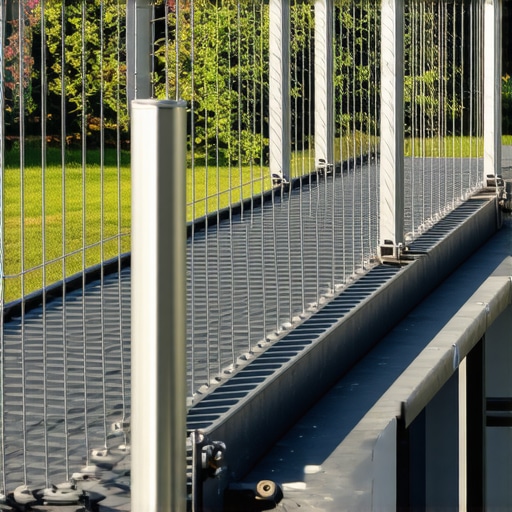
Why Cable Deck Railing Systems Fail Inspection Without Proper End Posts
Why Cable Deck Railing Systems Fail Inspection Without Proper End Posts
In my thirty years as a Professional Engineer, I have witnessed the evolution of the American backyard from simple pressure-treated platforms to architectural masterpieces. Today, homeowners are increasingly demanding the “invisible” look. They want to sit on their low maintenance deck and see the mountains or the lake, not a series of chunky wooden balusters. This desire has led to the massive surge in the popularity of cable deck railing systems.
However, there is a recurring nightmare I see during final inspections. A homeowner has spent thousands on high-end composite decking and sleek stainless steel cables, only to have the building inspector fail the project because the railing is “unsafe.” The culprit is almost never the cable itself; it is the structural inadequacy of the end posts. Many DIYers and even seasoned contractors treat cable railing like traditional vertical balusters. This is a fundamental engineering error. While wood or composite balusters are largely decorative or provide light infill support, cable systems are active structural components that exert massive, constant force on the deck’s frame.
The Physics of Tension: Why End Posts Bow
To understand why a composite deck railing fails, we must first look at the physics of tension. When you install a traditional railing, the balusters are simply held in place by nails or screws. They aren’t pulling on the posts. In contrast, cable deck railing systems work by putting the stainless steel lines under significant tension to prevent them from sagging or being pushed apart.
From an engineering perspective, each individual cable is typically tensioned to between 200 and 400 pounds. On a standard 36-inch high residential railing, you will likely have 10 to 11 cable runs. If you do the math, that is a cumulative force of 2,000 to 4,400 pounds of constant pull on your end posts. This force is directed inward, attempting to pull the two end posts toward each other. This is what we call “deflection.”
If a post bows even 1/8th of an inch under this pressure, the cables will immediately lose their tautness and begin to sag. This isn’t just an aesthetic issue; it is a safety failure. When I consult on how to fix a rejected deck permit without tearing it down, the first thing I look at is the post-rigidity. If the post isn’t reinforced to handle two tons of lateral pull, the system is destined to fail. This is why understanding the deck railing mechanics is more important than the brand of cable you buy.
The “4-Inch Sphere Rule” and Inspection Failure
The International Residential Code (IRC) and International Building Code (IBC) are very specific about safety openings. The most famous of these is the “4-inch sphere rule” (IRC R312.1.3). This code states that the spacing of the infill must be such that a 4-inch sphere cannot pass through any point of the railing.
This is where many ogden decks fail their final walk-through. A contractor might space the cables 3 inches apart at the post, which seems compliant. However, the inspector doesn’t just look at the cables; they test them. Using a weighted probe or a 4-inch sphere, the inspector will apply pressure to the cables in the center of the span. If the end posts are not perfectly rigid, the cables will have enough “give” to stretch apart, allowing the sphere to pass through. This is essentially the same issue I discuss in my guide on the balcony railing gap that fails every safety inspection.
To pass, the cables must be under enough tension that they cannot be deflected more than a fraction of an inch under a 50lb load. If your end posts are leaning even slightly, you can tighten the turnbuckles all day, but you will only succeed in pulling the post further out of alignment rather than tightening the line. This leads to a cycle of failure that often requires the entire railing system to be dismantled and the posts rebuilt.
Structural Solutions: Reinforcing the End Post
So, how do we prevent this? It starts from the ground up, literally. You cannot have a rigid post without a rigid frame, and you cannot have a rigid frame without proper decking footers. I always tell my clients that the deck foundations are the most critical part of the build. If the footer settles or the joists twist, the tension in your cables will fluctuate, leading to slackness.
To ensure your end posts can withstand the load, consider these three engineering requirements:
1. Sub-Surface Blocking
You cannot simply bolt a post to a rim joist and expect it to hold 3,000 pounds of tension. You must install “blocking” – extra pieces of pressure-treated lumber – between the joists directly under the post location. This ties the post into the entire mass of the deck frame rather than just a single board. Without this, the rim joist will simply rotate outward under the cable’s pull.
2. Through-Bolting
Lag screws are insufficient for cable end posts. Over time, the constant tension of the cables will “strip” the wood fibers around the screw threads, causing the post to wobble. I recommend through-bolting with 1/2-inch galvanized bolts and large washers. This creates a mechanical “sandwich” that prevents the post from moving.
3. Post Material Choice
While a standard 4×4 wood post is common, they are prone to warping and checking. For cable deck railing systems, I highly recommend using reinforced metal posts or specialized composite sleeves. Using Deckorators structural post mounts, for example, provides a level of rigidity that standard lumber cannot match. These mounts are engineered specifically to resist the lateral pull of cable systems.
Brand Comparison: Trex vs. Deckorators vs. TimberTech
When selecting your deck supplies near me, you will likely encounter the “Big Three” of the industry. Each handles cable tension differently, and choosing the right one is essential for a successful inspection.
In any deckorators review, you’ll find that their strength lies in their ALX aluminum systems. Because aluminum doesn’t compress or warp like wood, it is an ideal candidate for cable. If you are using the deckorators venture sandbar decking, pairing it with their color-matched aluminum railing ensures that the aesthetic is backed by industrial-grade strength.
On the other hand, if you prefer trex decking pebble gray, you might look at the Trex Signature line. Trex uses a high-performance aluminum that integrates seamlessly with trex deck boards. However, the engineering caveat remains: even the best composite deck railing from Trex requires the installer to follow the blocking and bolting requirements I mentioned earlier. No railing system is “plug and play” when it involves high-tension cables.
For those who want a more traditional look, the timbertech fulton rail offers a robust profile. TimberTech’s engineering focuses on a thick-walled composite that resists the “crushing” force that can occur when cable fittings are tightened against the post face. When choosing between deckorators vs trex or TimberTech, the best composite decking material is only as good as the hardware that secures it.
The Importance of the Foundation
Many homeowners focus so much on the accessories for deck beauty – the lights, the hidden fasteners, the colors – that they forget the basics of soil science. If you are building a low maintenance deck in a region with freeze-thaw cycles, your decking footers must be below the frost line. If your footers heave, your deck frame moves. If your frame moves, your cable tension is compromised.
When you visit your local deck depot or search for utah deck supply, ask about footing requirements for your specific soil type. A cable railing system on a deck with sinking footers is a recipe for a failed inspection and a costly repair. This is particularly true for elevated structures, as I explain in the footing width rule for two-story additions. The higher the deck, the more leverage the railing posts have against the frame, making the foundation even more critical.
Why Your Permit Might Be at Risk
In my experience, many homeowners skip the permit process because they find it daunting. However, failing to understand understanding permit processes for new building projects is a major mistake when installing cable railing. Because these systems are more complex than traditional wood railings, building departments often require specific engineering specs before they will issue a permit.
If you are building a second-story deck, the stakes are even higher. I’ve written extensively on why your second-floor deck permit was denied, and more often than not, it’s because the plans didn’t account for the lateral load of the railing. An inspector doesn’t want to see “4×4 wood post.” They want to see how that post is attached to the house and the frame to ensure it won’t snap or pull away when a person leans against the cable.
Conclusion: Passing the Final Inspection
Cable railing is a beautiful, modern choice that can significantly increase the value of your home. But it is not a “set it and forget it” project. It is a precision-engineered system that requires a deep understanding of tension, deflection, and structural integrity.
To ensure you pass your final inspection:
- Always use reinforced end posts (metal or structural composite).
- Never rely on lag screws; always through-bolt your posts to the frame.
- Ensure your deck foundations are solid and below the frost line.
- Test your cables with a 4-inch sphere before the inspector arrives.
If you are looking for decking near me or high-quality deck materials near me, don’t just buy the cheapest option. Visit a reputable utah deck supply specialist who understands the local building codes for ogden decks. Whether you choose the deckorators venture sandbar or trex decking pebble gray, ensure your underlying structure is up to the task.
Don’t let your project stall at the finish line because of a bowing post. If you have questions about your specific deck’s engineering, consult with a professional. At the end of the day, a deck is only as good as its weakest point – and in a cable system, that point is almost always the end post. Secure your foundation, reinforce your posts, and enjoy the view through your new, perfectly tensioned, code-compliant railing.