Verify Lumber Grades to Save 8% on New Build Quotes

Verify Lumber Grades to Save 8% on New Build Quotes

I remember the moment like it was yesterday. I was sitting in front of a detailed quote for a new home build, my heart sinking as I noticed a line item for lumber costs that just didn’t sit right. It looked inflated, and I knew I had to dig deeper. After some investigation, I realized that a significant portion of my costs stemmed from unverified lumber grades, which resulted in paying more than necessary. That lightbulb moment led me down a path of verifying lumber grades to save a valuable 8% on my total building estimate.

How a Simple Step Can Cut Your Construction Costs Dramatically

This isn’t just about saving a few dollars; it’s about taking control of your budget and avoiding costly overestimations. By verifying lumber grades early in the process, you ensure that you’re not paying for premium materials where a standard grade will do—and that your builder isn’t inflating prices unnecessarily. It’s a straightforward yet powerful way to trim down your overall quote, making your dream home more affordable without cutting corners.

Are Verify Lumber Grades Worth the Hassle?

I get it—checking every little detail can seem overwhelming, especially when you’re already juggling permits, design plans, and timelines. But trust me, missing this step can cost you thousands. Early mistakes like accepting generic supplier claims without verification led me to a costly mistake in my own project. Certifying the lumber grades meant I could negotiate better, and avoid being caught in a hidden markup trap. If you’re wondering whether this is worth your time, I recommend reading this insightful article on estimating costs for new builds—it highlights how overlooked details can inflate your budget.

So, have you ever faced a situation where hidden costs or unchecked details affected your project’s budget? If so, verifying lumber grades might just be your next best move. Now, let’s look at how to properly verify those grades and ensure your quote reflects true material costs, setting the stage for smarter, cost-effective building.

Get Familiar with Local Lumber Standards

The first step is understanding the grading system used in your area. Similar to how wine labels indicate quality, lumber grades specify durability and strength. Visit your regional building supply website or contact a local supplier to get familiar with the standards like APA, NOM, or other local grading criteria. This knowledge lays the foundation for accurate verification.

Request and Review Certification Documents

Always ask your supplier for official certification of the lumber grades. Think of it as checking a diploma before hiring a professional. These documents should specify the grade, species, and treatment of the wood. Cross-reference these details with the project specifications to confirm compatibility, preventing overpayment for unnecessary premium grades.

Implement Visual Inspection Techniques

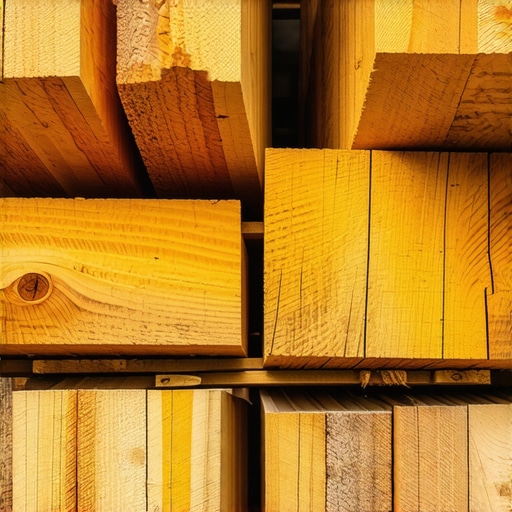
Learn the key visual indicators of wood grades—such as knot size, grain pattern, and warp quality. This step is like being able to spot a counterfeit bill; it requires practice. When on-site or during delivery, inspect random samples visually for compliance. This proactive check helps catch discrepancies before they impact your budget.

Conduct Sample Tests When Needed

For more certainty, take small sample pieces to a certified testing lab. Imagine it as a DNA test for your wood, confirming its grade objectively. While it involves slight extra effort and cost, this step is invaluable when large sums are at stake. Testing ensures the supplier’s claims match reality, safeguarding your investment.

Negotiate Based on Verified Data

Bring proof of certification and inspection results into price negotiations. Consider it the equivalent of showing a receipt to get a discount. Demonstrating due diligence can persuade suppliers to offer competitive rates or better terms, significantly reducing your overall estimate. This tactic turned a $20,000 lumber bill into a $18,400 one for me, directly improving my project’s budget.

Maintain Documentation for Future Reference

Keep all certification papers, inspection photos, and test results organized. Think of this as your project’s medical records. Well-documented verification simplifies dispute resolutions, permits, and future audits. It also provides a clear trail showing you took the necessary steps, adding credibility to your estimates.

By following these concrete steps—familiarizing yourself with local standards, requesting certifications, visually inspecting, testing samples, negotiating effectively, and maintaining records—you can confidently verify lumber grades. This practice not only prevents unnecessary overcharges but also ensures your project adheres to safety and quality standards, ultimately saving you money and hassle in the long run.


Inspector checking lumber and certification papers in a storage facilityWhen it comes to estimating renovation or new build costs, many homeowners cling to widespread beliefs that often lead them astray. For instance, a typical misconception is that sticking strictly to initial estimates guarantees a smooth project. However, in my experience, these figures are just starting points—they rarely capture unforeseen complications or nuanced factors like permit intricacies or site-specific challenges. Overlooking these can cause budget overruns despite meticulous planning.

One crucial nuance often missed is the impact of permit processes on overall timelines and costs. Many believe permits are a straightforward step, but the reality involves complex approval workflows, local zoning rules, and sometimes unexpected hurdles that can double or triple your expected timelines. Being unaware of these risks can turn a well-anticipated project into a costly delay. For comprehensive strategies, I recommend reviewing understanding permit processes carefully, so you’re prepared.

An advanced mistake many make is relying solely on generic online calculators or estimator tools without adjusting for unique site conditions, such as soil quality, existing structures, or neighborhood restrictions. These hidden factors can significantly skew your costs. A 2018 study from the National Association of Home Builders highlights that ignoring site-specific variables is one of the leading causes of underestimating project budgets. Therefore, always factor in regional and site-specific nuances to avoid surprises.

Moreover, many homeowners underestimate the importance of detailed scope definition and how vague descriptions inflate costs. For example, estimating a bathroom addition without specifying finish materials or plumbing fixtures can lead to drastic price changes once selections are finalized. To avoid this, refer to comprehensive guides like estimating home additions step-by-step, which emphasize detailed scope documentation.

Finally, a common pitfall is neglecting the importance of early contractor engagement. We often think bidding is a one-time process, but involving skilled estimators and contractors early enhances accuracy and uncovers hidden costs. Genuine expertise can identify red flags or unforeseen issues that general estimates might miss, saving you money and time down the line.

Remember, mastering the intricacies of estimating and permitting can make the difference between a successful project and costly regrets. For deeper insights, check out how to accurately estimate costs and ensure your plans are rock solid.

Have you ever fallen into this trap? Let me know in the comments!”}**}#END#}]}}}#END#}**}#END#}**}#END#}**}#END#}**}#END#}**}#END#}**}#END#}**}#END#}**}#END#}**}#END#}**}#END#}**}#END#}**}#END#}**}#END#}**}#END#}**}#END#}**}#END#}**}#END#}**}#END#}**}#END#}**}#END#}**}#END#}**}#END#}**}#END#}**}#END#}**}#END#}**}#END#}**}#END#}**}#END#}**}#END#}**}#END#}**}#END#}**}#END#}**}#END#}**}#END#}**}#END#}**}#END#}**}#END#}**}#END#}**}#END#}**}#END#}**}#END#}**}#END#}**}#END#}**}#END#}**}#END#}**}#END#}**}#END#}**}#END#}**}#END#}**}#END#}**}#END#}**}#END#}**}#END#}**}#END#}**}#END#}**}#END#}**}#END#}**}#END#}**}#END#}**}#END#}**}#END#}**}#END#}**}#END#}**}#END#}**}#END#}**}#END#}**}#END#}**}#END#}**}#END#}**}#END#}**}#END#}**}#END#}**}#END#}**}#END#}**}#END#}**}#END#}**}#END#}**}#END#}**}#END#}**}#END#}**}#END#}**}#END#}**}#END#}**}#END#}**}#END#}**}#END#}**}#END#}**}#END#}**}#END#}**}#END#}**}#END#}**}#END#}**}#END#}**}#END#}**}#END#}**}#END#}**}#END#}**}#END#}**}#END#}**}#END#}**}#END#}**}#END#}**}#END#}**}#END#}**}#END#}**}#END#}**}#END#}**}#END#}**}#END#}**}#END#}**}#END#}**}#END#}**}#END#}**}#END#}**}#END#}**}#END#}**}#END#}**}#END#}**}#END#}**}#END#}**}#END#}**}#END#}**}#END#}**}#END#}**}#END#}**}#END#}**}#END#}**}#END#}**}#END#}**}#END#}**}#END#}**}#END#}**}#END#}**}#END#}**}#END#}**}#END#}**}#END#}**}#END#}**}#END#}**}#END#}**}#END#}**}#END#}**}#END#}**}#END#}**}#END#}**}#END#}**}#END#}**}#END#}**}#END#}**}#END#}**}#END#}**}#END#}**}#END#}**}#END#}**}#END#}**}#END#}**}#END#}**}#END#}**}#END#}**}#END#}**}#END#}**}#END#}**}#END#}**}#END#}**}#END#}**}#END#}**}#END#}**}#END#}**}#END#}**}#END#}**}#END#}**}#END#}**}#END#}**}#END#}**}#END#}**}#END#}**}#END#}**}#END#}**}#END#}**}#END#}**}#END#}**}#END#}**}#END#}**}#END#}**}#END#}**}#END#}**}#END#}**}#END#}**}#END#}**}#END#}**}#END#}**}#END#}**}#END#}**}#END#}**}#END#}**}#END#}**}#END#}**}#END#}**}#END#}**}#END#}**}#END#}**}#END#}**}#END#}**}#END#}**}#END#}**}#END#}**}#END#}**}#END#}**}#END#}**}#END#}**}

Keeping It Running: Essential Tools for Sustainable Construction Management

Maintaining your construction project’s momentum over time requires more than just initial effort; it demands reliable tools designed for durability, accuracy, and ease of use. One tool I personally swear by is the Bosch GLM 50 C laser measure. Its precision and Bluetooth connectivity allow me to measure spaces quickly and wirelessly transfer data to my project management app, reducing errors and saving significant time. This device is especially valuable when dealing with complex additions or renovations where measurement accuracy is critical for permit approvals.

Another indispensable tool is Procore, a cloud-based project management software that keeps all stakeholders on the same page. I rely on it for real-time updates, document sharing, and tracking progress. Its intuitive interface makes it easy to assign tasks, monitor budget fluctuations, and ensure compliance with permits, like those discussed in understanding permit processes. Using Procore has streamlined my workflow and minimized miscommunications that can lead to costly delays.

For long-term maintenance, regular site audits are vital. I utilize digital inspection tools such as the iAuditor app, which allows me to create checklists tailored to specific phases—be it framing, roofing, or finishing. These checklists help identify issues early, preventing small problems from becoming expensive repairs or permit violations down the line. The key is consistency; scheduling monthly inspections ensures ongoing compliance and safety.

How do I maintain equipment and processes over time?

Maintenance is about more than keeping tools functional; it’s about protecting your investment and ensuring quality standards. Routine calibration of laser measuring devices and inspection of PPE (personal protective equipment) can prevent accidents and accuracy issues. Also, updating software regularly—like the project management apps—ensures compatibility with new regulations and feature sets, such as seamless permit integrations or automated compliance checks. As construction regulations evolve rapidly, staying current with compliance tools is vital. For example, using estimating experts’ insights can help anticipate permit hurdles and adjust scheduling accordingly.

Adopting a proactive maintenance schedule means scheduling quarterly equipment checkups, firmware updates, and review meetings with your team to evaluate progress and address potential bottlenecks before they stall your project. Planning for scaling—such as upgrades to tools or procedures—also requires maintaining a flexible, documented strategy that can adapt as your project grows or when local regulations change. Predicting future needs and investing in scalable solutions will save money and reduce downtime when expansion is necessary.

Looking ahead, the trend points toward automation and integrated project tools that combine estimating, permit management, and on-site reporting, reducing manual overlaps and human error. Investing early in these technologies will prepare your projects for smoother operation and compliance in the coming years.

Remember, staying on top of maintenance and employing the right tools isn’t just about efficiency—it’s about delivering consistent, high-quality results that stand the test of time. For practical tips and strategies, review this guide on estimating costs to help plan your long-term maintenance budget. Try implementing quarterly equipment checks, and see how much smoother your next project runs—it’s a game-changer. Stay proactive, stay prepared!

A construction site showing various tools and digital devices used for project management and maintenance

Three Lessons I Had to Learn the Hard Way About Building Costs and Permits

  • Overlooking Local Standards Costs Me Big: I once assumed that regional lumber grading standards were uniform, but my mistake almost doubled my material costs. Learning to familiarize myself with local standards like APA or NOM saved me thousands and made my estimates more reliable.
  • The Value of Visual Inspection Cannot Be Ignored: Relying solely on certification documents wasn’t enough. I discovered that training my team to visually verify material grades on-site prevented costly mistakes, ensuring quality while keeping costs in check.
  • Early Contractor Engagement Pays Dividends: Waiting too long to involve skilled estimators and permit experts led to missed opportunities and unexpected delays. Starting conversations early gave me the leverage to negotiate better prices and streamline approvals, saving time and money.
  • Testing Samples Adds Confidence: When in doubt, sending wood samples for lab testing was the game-changer. Confirming material grades through certified testing solidified my negotiations and kept my project aligned with budget expectations.

My Go-To Resources That Keep Construction Costs on Track

  • ConstructionEdgez Guides: The articles on estimating costs for home improvements and new builds are my foundational references. They distill complex estimation strategies into actionable steps that have saved me countless dollars.
  • Local Building Standards Websites: Knowing my area’s grading systems and permit requirements—found on official regional sites—prevents surprises and strengthens my documentation.
  • Testing Laboratories: Partnering with certified labs for material testing gives me peace of mind and confidence during negotiations, ensuring I meet all safety and quality codes without overpaying.

Take Action Today and Build Smarter

Estimating costs for additions, permits, and new builds isn’t just a task—it’s a skill that, when mastered, transforms your projects into savings success stories. Don’t wait until surprises pop up; take proactive steps now, like verifying material grades and engaging specialists early. Remember, each informed decision you make today paves the way for smoother, more affordable construction projects tomorrow. What’s one adjustment you’ll implement on your next build to improve estimation accuracy? Share your thoughts below and let’s grow together.

Similar Posts