The Soil Compaction Rule That Ruins New Septic Drain Fields
The Soil Compaction Rule That Ruins New Septic Drain Fields
In the world of heavy construction, “compaction” is usually the goal. Whether we are prepping a pad for a new home, laying the sub-base for a driveway, or stabilizing a utility trench, we want the ground to be as dense and unyielding as possible. We use vibratory rollers, plate compactors, and “Jumping Jacks” to squeeze out every air pocket until the soil reaches a specific Proctor density. However, there is one critical area of a residential build site where this standard operating procedure becomes a recipe for disaster: the septic drain field. Effective septic system maintenance actually begins long before the tank is pumped; it starts with protecting the soil structure during the initial septic tank installation.
My name is Daniel Morris, and as a specialist in Stormwater, SWEC, and MS4 compliance, I have spent decades analyzing how water moves through both engineered and natural environments. I have seen countless homeowners and developers invest tens of thousands of dollars into sophisticated septic designs, only to have the system fail within the first year. The culprit isn’t usually a mechanical defect or a plumbing error; it is the “silent killer” of soil compaction. When heavy machinery traverses the area designated for a leach field, it destroys the soil’s natural ability to process effluent, effectively turning a functional drainage asset into an impermeable brick before the house is even framed.
The Science of Porosity: Why “Solid” Ground is Your Enemy
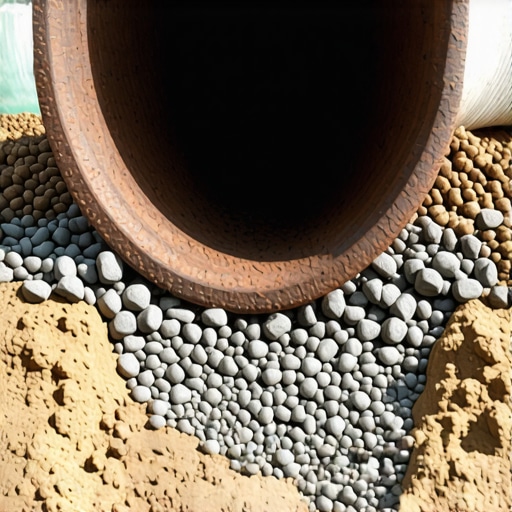
To understand why compaction is so destructive, we have to look at soil as a living, breathing filter rather than just “dirt.” A healthy drain field relies on soil porosity – the tiny spaces between soil particles that allow both water and air to circulate. These pores are the highways for effluent as it moves away from the septic tank. More importantly, these air pockets provide the oxygen necessary for aerobic bacteria to thrive. These bacteria are the primary agents responsible for treating the wastewater, breaking down organic matter, and neutralizing pathogens before the water reaches the groundwater table.
When you hire excavation services, the operators are often focused on stability. But in a drain field, “solid” ground is the enemy. If the soil is squeezed too tightly, the macropores (large spaces) and micropores (small spaces) collapse. This doesn’t just slow down the movement of water; it creates an anaerobic environment. Without oxygen, the beneficial aerobic bacteria die off and are replaced by anaerobic bacteria, which produce a thick, slimy layer known as a “biomat.” While a thin biomat is a normal part of a system, an overgrown biomat caused by poor soil oxygenation will completely seal the soil, leading to a catastrophic failure. This is why understanding the soil percolation rate that dictates your septic tank design is so critical; that rate assumes the soil remains in its natural, uncompacted state.
The Role of Soil Aggregates
Soil is composed of sand, silt, and clay particles that clump together to form “aggregates.” These aggregates create a complex network of channels. When a heavy excavator or a loaded dump truck drives over the drain field area, these aggregates are crushed. This process, known as “smearing,” is particularly dangerous in clay-heavy soils. Once the soil is smeared and the aggregates are destroyed, the soil loses its structure. Even if the water eventually finds a way through, the biological treatment capacity is permanently diminished, leading to the eventual need for septic drain field repair.
The “Rule” of Negative Compaction in Septic Tank Installation
In my professional practice, I advocate for the “Rule of Negative Compaction.” This rule states that the soil within and surrounding a septic drain field must remain at or below its natural bulk density. While commercial land clearing projects often involve stripping large swaths of land and using it as a staging area for heavy equipment, a residential site with an on-site sewage system requires a much more surgical approach. General excavation contractors near me may be great at digging foundations, but if they don’t respect the “no-drive zone” of a drain field, they are setting the homeowner up for a septic tank replacement within a decade.
The data on this is startling. Research in soil physics shows that even a single pass by a piece of heavy machinery, such as a 20-ton excavator, can reduce soil permeability by up to 90% depending on the moisture content of the soil. This is why site planning is so vital. You cannot treat the drain field as just another part of the yard during the construction phase. It must be treated as a sensitive environmental zone. This is especially true when navigating the setback distance required between septic tanks and property lines, as the limited space often tempts operators to use the drain field as a turnaround point for their trucks.
Bulk Density and Machine Weight
Bulk density is the weight of soil in a given volume. As bulk density increases, pore space decreases. A typical Caterpillar 320 excavator exerts a ground pressure of about 6 to 7 PSI (pounds per square inch). While that sounds low, the “dynamic load” – the pressure exerted when the machine moves, pivots, or carries a load – is much higher. For a drain field, even 3 to 4 PSI can be enough to trigger significant compaction if the soil is moist. This is why the rule of negative compaction is non-negotiable: if a machine doesn’t have to be on the drain field, it shouldn’t be there.
Common Mistakes During Land Clearing and Excavation
During the early phases of a build, the site is often a chaotic environment. Without a strict plan, the area designated for the septic system becomes a victim of convenience. Here are the most common “deadly sins” I see during land clearing services and site preparation:
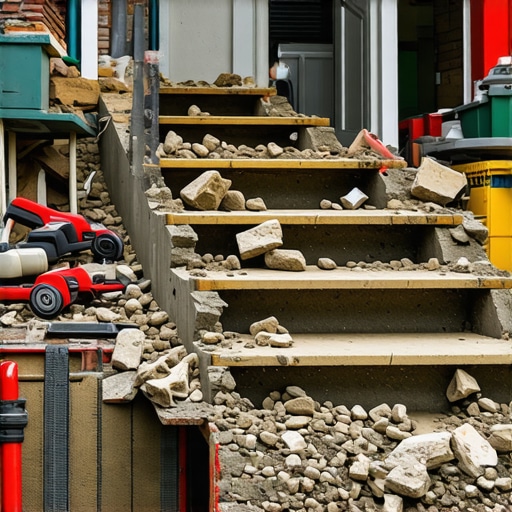
- The Staging Ground Trap: Contractors often look for a flat, cleared area to store pallets of bricks, lumber, or roof trusses. Because the drain field is usually flat and cleared early, it becomes the default staging ground. The constant weight of these materials causes deep, structural compaction.
- Stockpiling Topsoil: When digging the foundation, operators often stockpile the “spoil” (excavated dirt) on the drain field area. The sheer weight of a 15-foot-high pile of dirt can compact the underlying soil just as much as a moving vehicle.
- Ignoring the Weather: Compaction is exponentially worse when soil is wet. I’ve seen excavation services push through a rainy week to stay on schedule, only to “puddle” the drain field soil, effectively sealing it off forever.
- Concrete Washout: This is a major issue. If a concrete truck washes out its drum near the drain field, the high-pH, chemical-laden water can alter the soil chemistry and clog pores. This is why your new build site needs a designated concrete washout area far away from your septic components.
To avoid these issues, it is essential to integrate the septic plan into the broader site management strategy. I always recommend that your new build site needs a temporary drainage plan to ensure that rainwater runoff from the construction site doesn’t saturate the drain field area, making it even more susceptible to compaction from incidental foot or vehicle traffic.
How to Identify and Fix Compacted Soil Before It’s Too Late
If you suspect that your drain field area has been driven over or used for storage, you need to act before the system is installed. Once the pipes are in the ground and the gravel is laid, “fixing” the soil becomes nearly impossible without a full septic tank replacement. One of the best tools for diagnosing this is a static cone penetrometer. This device measures the resistance of the soil as it is pushed into the ground. If the resistance spikes in the upper 12 to 24 inches of soil, you have a compaction layer that will likely lead to emergency sewer line repair or field failure in the future.
So, what can be done if the damage is already done? In the world of soil science, we talk about the “7-year rule.” If left entirely to nature, it can take up to seven years for the natural cycles of freezing, thawing, and deep-root penetration to restore the original porosity of severely compacted soil. Most homeowners don’t have seven years to wait before they move in. Therefore, mechanical intervention is required. This might involve “fracturing” the soil with a subsoiler or deep-tilling the area to break up the compaction plates. However, this must be done with extreme care to avoid further “smearing” the soil layers.
In some cases, if the compaction is deep enough, the only solution is to remove the compacted soil and replace it with engineered sand or high-quality loamy soil – a process that is essentially a septic drain field repair before the system has even been used. This highlights the importance of understanding permit processes for new building projects, as any significant change to the soil profile may require a re-evaluation by the local health department or environmental agency.
Protecting Your Investment: Instructions for Your Excavation Contractors
If you are a homeowner or a developer, you are the primary advocate for your septic system. Don’t assume that all excavation contractors near me understand the nuances of soil porosity. You must be explicit in your instructions. Here is a checklist to ensure your septic tank installation isn’t compromised:
- Fence It Off: Before any land clearing services begin, use high-visibility snow fencing to cordon off the entire drain field area. Include a buffer zone of at least 10 feet. This is why your new build quote should include a silt fence allowance; it’s not just for erosion control, but for site boundary management.
- Specify Equipment: If work must be done near the drain field, insist on tracked equipment (which distributes weight over a larger surface area) rather than wheeled equipment. However, remember that tracks still compact soil; they just do it more evenly.
- Zero Tolerance for Materials: Make it clear that the drain field is not a staging area for lumber, gravel, or waste.
- Watch the Trenches: When installing the main line from the house to the tank, ensure the operator isn’t using a heavy “Jumping Jack” compactor (like the Bomag BT65) within the vicinity of the leach field. While these are necessary for sewer line repair in a driveway, they are lethal to a drain field’s porosity.
- Check the Permits: Ensure all work aligns with local codes. For example, the permit requirement for replacing a main sewer trap often involves inspections that can also serve as a check on the overall site integrity.
By taking these proactive steps, you ensure that your septic system maintenance for the next 20 years is a matter of routine pumping rather than dealing with a “dead” soil profile that can’t absorb a single gallon of effluent.
Conclusion & Call to Action
The success of a septic system is 20% engineering and 80% geology. You can have the most expensive, high-tech aerobic treatment unit on the market, but if the soil it discharges into has been compacted into an impermeable slab, the system will fail. The “Rule of Negative Compaction” is the most important guideline in modern site development, yet it is the one most frequently ignored by general excavation services. Protecting the natural “fluff” and pore space of your soil is the single best investment you can make in the longevity of your home’s infrastructure.
At Construction Edgez, we specialize in the intersection of heavy civil work and delicate environmental management. Whether you need commercial land clearing that respects your future drainage needs or emergency sewer line repair that addresses the root cause of the problem, Daniel Morris and our team of specialists are here to help. Don’t let a single pass of an excavator ruin your property’s value. Contact us today for expert site planning and drainage solutions that stand the test of time.