The Silt Basin Requirement for Large Scale Backyard Projects
I remember the first time I tackled a backyard project that was supposed to be straightforward—a simple addition with a deck and a garden pond. But as I dug deeper into the planning, I hit a wall. The city’s permit requirements suddenly felt like a labyrinth, and the dreaded mention of a silt basin came up. My initial reaction? Confusion mixed with a hint of panic. I had no idea what a silt basin was or why it suddenly became the focal point of my project. That lightbulb moment—realizing I’d overlooked this crucial element—cost me precious weeks and unnecessary expenses.
If you’re like me, you’ve probably faced similar moments of frustration when dealing with large-scale backyard projects. It’s easy to underestimate the importance of proper drainage and erosion control, especially when you’re eager to get started. That’s where understanding the silt basin requirement becomes not just a regulatory box to check, but a vital step to protect your property and ensure your project’s success.
Today, I promise to demystify this aspect of planning and help you navigate the tricky waters of permit requirements. We’ll explore what a silt basin actually does, how it fits into larger project plans, and how to make sure you’re compliant without sacrificing your sanity.
Why a Silt Basin Matters More Than You Think
If you’re skeptical about whether installing a silt basin is worth the effort, you’re not alone. Many homeowners dismiss it as an unnecessary obstacle until they see the mess and damage caused by improper drainage. A silt basin is essentially a sediment trap designed to prevent soil erosion and sediment runoff during construction. Without it, excess dirt and debris can clog local stormwater systems, leading to violations and even fines.
In fact, regulations are tightening. According to recent updates from the EPA, sediment runoff from construction can have serious environmental impacts, including water pollution and habitat destruction. Properly installed silt basins are proving to be a cost-effective way to mitigate these risks and stay compliant with local and federal laws.
Early on in my projects, I made a costly mistake by ignoring the requirement altogether. I believed it was an overreach and a bureaucratic hassle. But that oversight led to delays when inspectors discovered I hadn’t installed the necessary controls. The lesson was clear: investing a little time upfront to understand and implement the right drainage solutions can save you a headache later.
So, if you’ve been wondering whether this part of the process truly impacts your backyard plans—trust me, it does. And embracing it early on means fewer surprises as your project progresses. Next, we’ll delve into specific strategies for meeting silt basin requirements effectively, ensuring your project not only passes inspections but also stands the test of weather and time.
Prepare Your Site with Accurate Surveying
Start by accurately surveying your property to determine water flow patterns and identify low points where sediment might accumulate. I once skipped this step, assuming my backyard was flat enough, only to find during construction that runoff pooled unexpectedly, causing erosion issues. Using a digital survey can speed up this process and improve accuracy, ensuring your silt basin placement is effective from the start.
Design the Silt Basin for Your Needs
Design your basin size based on your project’s scope and the runoff volume. A simple rule of thumb: make it deep and wide enough to trap sediment during heavy rains. I learned this firsthand when I scaled down my initial plans, leading to frequent clogging. Consulting local regulations or a construction professional can help you choose the right dimensions and materials, preventing costly adjustments later.
Excavate and Shape the Basin Carefully
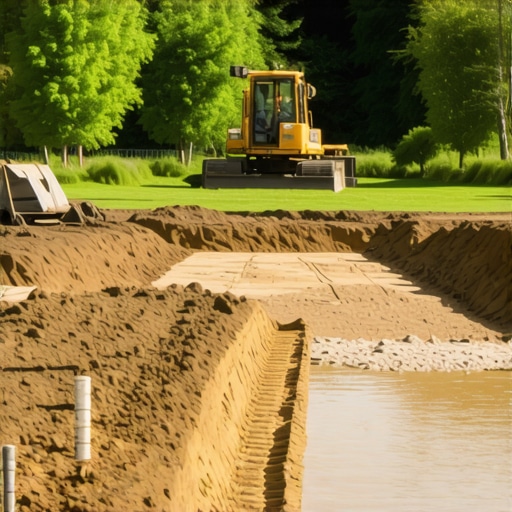
Once the design is finalized, mark the layout on the ground and begin excavation. Use a laser level to ensure proper depth and slope towards the outlet pipe. During my first installation, uneven excavation caused overflow, highlighting the importance of precision. Proper shaping facilitates sediment settling and eases maintenance, which is crucial for long-term effectiveness.
Install Inlet and Outlet with Precision
Attach inlet pipes where runoff enters and outlet pipes for water to exit, ensuring they are secure and properly sloped. I once failed to check pipe slopes thoroughly, leading to standing water and muddy overflow. Sealing all connections properly prevents leaks. An outlet drain covered with gravel can help manage water release while trapping sediment.
Implement Erosion Control Measures
To prevent soil erosion around the basin, install silt fencing or mulch on disturbed areas and stabilize slopes. I discovered that unprotected edges quickly washed out during storms, compromising the basin. Using erosion control fabric or plants not only stabilizes the soil but also reduces ongoing maintenance.
Regular Maintenance Ensures Longevity
Periodically inspect your silt basin for sediment buildup, debris, or damage. During one project, neglecting maintenance led to clogging, which caused runoff issues. Remove accumulated sediment and clean the inlet and outlet pipes as needed. Scheduling maintenance after storms keeps the basin functioning effectively and avoids costly repairs.
Know When to Seek Professional Help
If your site presents unique challenges or you’re unsure about designing and installing the basin yourself, consider consulting a drainage specialist. Their expertise can save you time and ensure compliance with local regulations, avoiding delays and fines. To find trusted professionals, visit Construction Edgez Contact Page.
Many homeowners and even seasoned builders fall prey to a common misconception: that estimating project costs is a straightforward, purely mathematical task. In reality, “most people overlook the subtle complexities that can make or break your project budget.” For instance, there’s a widespread belief that initial bids are always close to final costs. However, in my experience, the real challenge lies in accounting for hidden variables and preventing small oversights from snowballing into costly mistakes.
One frequent mistake is underestimating the impact of permit processes and regulatory compliance. Homeowners often think permits are just a formality, but as outlined in expert insights on estimating costs, delays or unexpected permit issues can significantly inflate your project budget if not preemptively addressed. The trap many fall into is assuming the permit cost and timeline are predictable, which is rarely the case in today’s evolving regulatory landscape.
Are permit requirements really just paperwork, or could they secretly sabotage your budget?
In my experience, permit issues are often underestimated because they are outwardly administrative, but they can cause massive delays and additional expenses. For example, failing to account for unexpected inspections, modifications, or additional documentation can extend your timeline and inflate costs. This is why having a detailed understanding of local permit processes—something I emphasize in comprehensive permit strategies—is essential for accurate estimations.
Another nuance often missed is the quality and scope of initial site assessments. Many assume that a basic survey suffices, but as I’ve seen in various projects, overlooking factors like utility easements, soil stability, or grading issues can lead to unexpected expenses. For comprehensive accuracy, it’s wise to engage detailed site evaluations early on—something highlighted in grading and drainage review considerations.
Furthermore, there’s a misconception that all contractors’ bids are directly comparable. The truth is, each estimate is colored by what’s included or omitted. Without scrutinizing scope details, you risk accepting a low bid that omits critical elements like permits, demolition, or utility upgrades. This is a classic cause of project cost overruns. To avoid this, I recommend always reviewing bids with a critical eye—consulting resources like step-by-step estimation guides can be invaluable.
Finally, a major pitfall is neglecting contingency planning. Many estimates don’t allocate sufficient buffers for unforeseen issues. As noted in industry studies and expert advice, setting aside roughly 10-15% of your total budget for surprises can save your project from a financial crisis. Being prepared for the unexpected isn’t just prudent; it’s essential.
In summary, the real art of estimating involves more than simple calculations. It demands a nuanced understanding of permits, site conditions, scope clarity, and contingency buffers. Have you ever fallen into this trap? Let me know in the comments. Becoming aware of these hidden nuances can genuinely help you manage your project more effectively and prevent those simmering surprises from derailing your plans.In the world of backyard projects and home additions, keeping everything running smoothly over time requires the right tools and systems. From routine inspections to long-term planning, my tried-and-true equipment ensures I stay ahead of maintenance issues and keep my projects compliant and functional. One essential item I rely on is a digital soil moisture meter, like the TDR-based models, which provides precise readings of soil conditions. This tool helps me determine when and where to implement erosion control measures, saving me from costly repairs later. Additionally, I use a portable laser level—specifically the Bosch GCL100-50—to maintain accurate grading during ongoing site adjustments, ensuring that drainage solutions like silt basins remain effective over years. For document management and permit tracking, I prefer Evernote Premium; its organizational features keep all necessary approvals, inspection dates, and correspondence neatly categorized, reducing the risk of missed deadlines. Looking ahead, I anticipate a rise in integrated smart sensors that monitor soil stability, moisture levels, and structural vibrations in real-time, making ongoing maintenance even more proactive.
How do I maintain my project’s drainage and permit compliance over time?
Regular inspection routines are vital. I schedule quarterly site visits, during which I use my soil moisture meter to verify that drainage around additions continues to perform as designed. With a digital tracking app, I log any irregularities, such as standing water or sediment build-up, and address them immediately. For permit compliance, I keep an up-to-date digital calendar linked with permit expiration dates and inspection windows—this minimizes surprises when authorities perform periodic reviews. Employing these methods does require a bit of discipline, but the payoff is enormous, preventing minor issues from escalating into major, expensive repairs or fines. Looking into more advanced approaches, some professionals are experimenting with IoT sensors installed in critical locations to provide real-time data, allowing for preventative action before problems become visible. This trend, predicted to mature in the next few years, will make long-term project maintenance smarter and more efficient. If you want to bolster your site’s resilience against future issues, try integrating a soil moisture meter with a weather-resistant case and set a maintenance schedule around the data it provides. This small investment can save you time and money by catching potential drainage problems early, reflecting a proactive stance that’s well worth adopting today. Keep your projects thriving—they’re worth the effort! To plan your next move, consider reaching out for expert advice or scheduling a site review through Construction Edgez.
What I Wish I Knew Before Starting My Backyard Makeover
One of the most eye-opening lessons I learned was the importance of visualizing future drainage pathways early. I once neglected detailed site mapping, which led to costly rework when water flowed where I didn’t want it to. Now, I always sketch out water flow before digging, saving time and headaches.
Another insight? The devil is in the details of permit language. Reading and understanding permit stipulations thoroughly can prevent surprises during inspections. I once had to redo a section of framing because I missed a setback clause in the fine print—don’t make the same mistake.
And here’s a big one: aligning your contractor’s scope with local regulations. Often, contractors omit permit-related tasks, assuming it’s your responsibility. Clarify expectations upfront to avoid unbudgeted expenses or project delays.
Tools and Resources That Turn Chaos into Clarity
First, a high-quality digital survey tool like the permitting guide can streamline site assessments and help plan effective drainage systems from the start. I swear by this for efficient planning.
Next, referencing specific building codes and local ordinances—such as those found in the permit requirements resource—reduces guesswork and keeps your project compliant.
For budgeting, I rely on comprehensive estimation software like cost calculators that account for hidden variables, preventing surprises in the final invoice.
Finally, don’t overlook the value of local professional networks. Engaging with experienced builders or permit specialists through consultation services can provide tailored advice that saves time and money.
Embrace the Challenge; Master the Process
Taking on backyard projects and permits may feel daunting at first, but with the right mindset and resources, it transforms from an obstacle into an opportunity for learning and growth. The more you understand about the intricacies involved, the smoother your journey will be.
Remember, every hiccup is a stepping stone toward becoming a more experienced homeowner-builder. Don’t shy away from tackling each challenge head-on. Instead, see it as a chance to sharpen your skills and ensure your project’s success.
So, what’s your next big step? Are you ready to turn permit frustrations and drainage doubts into newfound confidence? I’d love to hear your plans—share them below and let’s grow together!