The Scaffolding Fee Trap in Home Addition Quotes
I remember thinking I had everything figured out for my home extension—until the contractor handed me the quote with that one line: ‘Scaffolding fees included.’ Suddenly, my stomach tightened. What I thought would be a straightforward estimate spiraled into a complex maze with hidden costs I wasn’t prepared for. That lightbulb moment made me realize how easy it is to get blindsided by seemingly minor line items, especially the dreaded scaffolding fees.
The Hidden Cost That Can Sabotage Your Budget
In my early days of planning a home addition, I underestimated how crucial it was to scrutinize every line item in the estimate. Scaffolding fees are often buried or listed vaguely, making it tempting to gloss over them. However, these costs can add up quickly, sometimes accounting for a significant chunk of the total budget. Contractors may inflate these charges, knowing most homeowners aren’t equipped to question or verify them. As a result, your project ends up costing more than anticipated, and you might face delays or budget overruns.
Understanding exactly what scaffolding costs include can empower you to negotiate better and avoid overspending. It’s not just about saving money—it’s about ensuring transparency and control over your investment. That’s why I’ve made it my mission to demystify these line items and show you how to spot potential pitfalls early on. If you’ve ever wondered whether that scaffolding fee is fair or inflated, this guide is for you.
Is Overpaying for Scaffolding Actually Worth It?
One of the biggest mistakes I made—and see homeowners make all the time—is accepting the initial quote without understanding how the costs are calculated. I once trusted a contractor’s estimate that included a hefty scaffolding fee, thinking it was standard practice. Later, I discovered that similar projects in my area had significantly lower scaffolding costs simply because the contractors used different rental durations or included fewer safety features. Don’t fall into the trap of assuming these charges are fixed; they are often negotiable and can be optimized with some research.
Researching common pricing practices can be eye-opening. For example, a recent study found that homeowners who actively questioned estimates saved an average of 10-15% on project costs by challenging unnecessary line items, including scaffolding. Learning how to compare quotes and verify charges can make all the difference. For comprehensive guidance on estimating costs accurately, check out my detailed step-by-step guide.
Next, let’s dive into practical tips on how to identify, evaluate, and negotiate scaffolding fees—so your project stays on budget and on schedule. If you’ve faced surprises at this stage, know you’re not alone. Many homeowners find themselves in this situation, but with a bit of knowledge, you can turn things around and keep control of your renovation journey.
Break Down Each Cost Component
Begin by dissecting your estimate into smaller, manageable parts like foundation, framing, roofing, and utilities. This granular approach reveals where costs may be inflated or underestimated. I vividly recall double-checking a foundation quote where subcontractor fees included unnecessary testing. By itemizing this, I negotiated a lower price and avoided unexpected charges during the project.
Use Reliable Resources for Benchmarking Prices
Gather standardized costs from reputable sources like expert insights on estimating costs and local contractor quotes. Think of it as comparing apples to apples—if your quote significantly exceeds typical estimates, question the necessity of those line items. For instance, when pricing your roofing, I found that getting multiple quotes and consulting storm audit recommendations helped me negotiate better rates.
Scrutinize and Challenge Hidden Fees
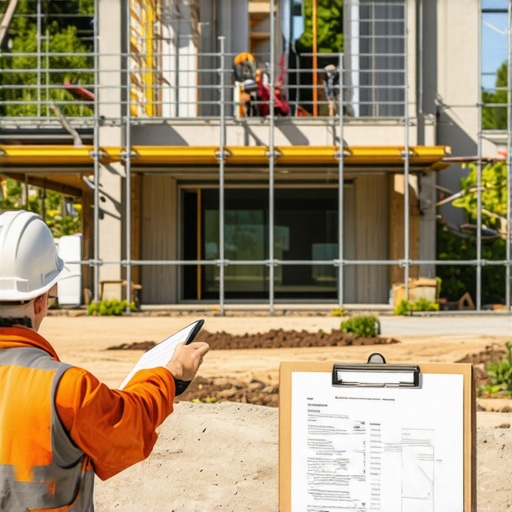
Many estimates include miscellaneous charges or markups disguised as admin fees or contingency funds. Don’t accept these blindly. Cross-reference the line items with your project scope. Once, I spotted an inflated scaffolding fee that was based on a rental duration longer than needed. Challenging this led to substantial savings and clarified what I was actually paying for.
Review Permitting Requirements Early
Understand your local regulations by consulting resources like permit process guides. Contact your local permit office through their contact page to verify if any special conditions or fees apply. During my project, early permit review prevented delays caused by missing documentation. I also obtained clear insights from permit tips for new builds that streamlined the approval process.
Coordinate With Your Contractor for Transparent Bidding
Request detailed, itemized quotes that specify unit prices and labor hours. Think of this as getting a recipe rather than a vague menu—each ingredient is clear. I challenged my contractor’s estimate when I saw vague descriptions, asking for breakdowns per trade, which helped me spot and eliminate unnecessary costs. Familiarize yourself with common overcharging tactics by reviewing mistakes that inflate estimates. This proactive approach keeps your budget in check and avoids surprises.
Most People Overlook the Complexities of Modern Home Additions
While it’s tempting to assume that estimating a new build or extension is straightforward, this approach often leads to costly mistakes. Many homeowners believe that obtaining a rough quote from a contractor suffices, but in fact, the devil is in the details. A nuanced understanding reveals that factors like site-specific challenges, evolving codes, and permit intricacies can dramatically alter the project scope and costs. Relying solely on initial estimates without factoring in these advanced considerations can cause huge budget overruns, delays, and legal hurdles.
Are Your Permitting Assumptions Actually Valid?
There’s a common myth that permits are just a formality, easily granted if you follow the rules. However, the reality in today’s regulatory landscape is far more complex. Permitting processes now include environmental reviews, utility line assessments, and detailed site audits, especially in urban settings. Failing to anticipate these requirements might result in permit rejections or stiff fines, which can halt construction midstream. For a deeper dive into permit nuances, explore my comprehensive guide to navigating permits.
Furthermore, many overlook that permits often come with hidden costs—such as utility line upgrades or erosion controls—that are not covered by initial estimates. These can easily double or triple your project budget if not identified early. Ensuring compliance requires meticulous review of local codes and possibly engaging specialized consultants, especially when dealing with complex sites. The mistake of assuming ‘permitting is a trivial step’ can be a costly oversight.
The Hidden Nuance: The True Cost of Site Challenges
Site-specific factors like soil stability, existing structures, or accessibility often get neglected in early planning stages. For instance, neglecting to perform a detailed soil analysis can lead to unexpected foundation costs—sometimes adding tens of thousands of dollars. Many homeowners are surprised when an unexpected rock formation or water table condition causes delays or requires redesigns. Consulting experts and conducting thorough site investigations, as outlined in professional guidance on site assessments, can reveal these pitfalls before they escalate.
Also, modern building codes increasingly demand energy-efficient designs, fire safety measures, and accessibility features, which can substantially impact your project estimates. Ignoring these evolving standards or assuming they don’t apply to your project is a common mistake, leading to redesigns or permit denials. Staying ahead with continuous education and expert consultations is vital. Remember, an outdated or incomplete understanding of regulations and site nuances is a recipe for disruption.
In conclusion, whether planning a new build or an addition, taking a holistic, detailed approach to estimates and permits saves money and stress in the long run. Don’t rely on surface-level quotes or assumptions—delve deep, ask questions, and verify each line item and requirement. This level of diligence differentiates a successful project from a financial nightmare. For advanced strategies on estimating costs and securing permits smoothly, review my step-by-step guide for 2025. Have you ever fallen into this trap? Let me know in the comments.
Keeping It Working: Essential Maintenance Strategies for Your Home Build
Once your home addition is complete, the real work begins: maintaining its functionality and value over time. Regular upkeep not only prolongs the life of your investment but also ensures safety and energy efficiency. I personally rely on a combination of modern software and practical tools to streamline maintenance routines, allowing me to catch potential issues early and plan proactive repairs. This approach saves money and minimizes disruption. In the future, I predict that integrating smart home systems with predictive maintenance algorithms will become standard, providing homeowners with automated alerts before problems even arise.
How do I maintain my home systems over the long haul?
Start with a detailed maintenance schedule that covers critical components like HVAC, plumbing, electrical systems, and the building envelope. I recommend using specific tools such as the Fluke Ti550 Thermal Camera for early detection of electrical hotspots or insulation issues—these cameras are invaluable for spotting problems before they manifest as costly repairs. Additionally, modern project management software like Buildertrend or CoConstruct helps manage maintenance logs, schedule inspections, and coordinate contractor visits efficiently. These platforms ensure you don’t overlook routine checks, preserving your home’s integrity over decades.
Another critical element is keeping your documentation organized. Digital records of warranties, inspection reports, and maintenance logs make future troubleshooting much easier. For those interested in tracking energy consumption or optimizing efficiency, tools such as the Nest Learning Thermostat and smart submeters can provide real-time data, enabling ongoing adjustments to reduce costs and environmental impact.
Implementing proactive maintenance can transform your long-term home ownership experience. But what about scaling these practices as you expand or make further additions? As your needs evolve, employing scalable systems like modular smart home hubs or adaptable maintenance platforms will be crucial. These tools are designed to grow with your property, simplifying future updates and ensuring consistent performance across all systems.
To get started, consider adopting a comprehensive maintenance plan that integrates both high-tech tools and traditional checks. This combined approach allows me to address small issues before they escalate, saving thousands over the lifespan of my home. For anyone planning future expansions, checking out new build estimation strategies can give insights on how to integrate ongoing maintenance costs into your project planning from the outset. Why not set a reminder to perform a thermal scan on your electrical panels this quarter? Taking this step now could prevent a costly outage later.
Lessons That Changed How I Approach Home Projects
- I realized that every line item in a detailed estimate has a story—some inflate costs unnecessarily, while others reveal real value. Knowing what to scrutinize became my secret weapon for staying on budget.
- One lightbulb moment was understanding that permits often come with layered fees and unexpected requirements that, if overlooked, can halt progress or drain savings. Being proactive here turned my project around.
- I discovered that trusting a contractor blindly is a risk—demanding transparency and detailed breakdowns frees you from surprises and empowers negotiations.
- Integrating site-specific investigations before starting construction saved me from costly foundation surprises later—know your soil and site challenges before they surprise you.
- Investing in reliable resources and expert insights transformed my planning process—cutting through the noise and focusing on what truly matters when estimating and permitting.
My Go-To Resources for Smart Home Building
- ConstructionEdgez Estimating Guides: These comprehensive resources helped me understand true costs and avoid hidden fees, especially for complex projects like additions or new builds.
- Local Permit Office Websites: Staying updated with your area’s regulations and fees prevented permit delays and fines. Real-time info saves headaches.
- Expert Consultations and Forums: Engaging with professionals and online communities provided practical advice and shared experiences that I couldn’t find elsewhere.
- Specialized Tools like Thermal Cameras: Using tech to inspect ongoing work ensured safety and quality, saving money on corrections down the line.
Embrace the Challenge—Build Smarter, Waste Less
Taking control of estimating and permitting transforms fear into opportunity. Remember, every hidden cost you uncover is a step closer to a successful home addition or new build. Trust your research, stay curious, and don’t hesitate to challenge the norms. Your dream project is within reach—armed with knowledge, you’re ready to turn plans into reality. What particular cost or permit obstacle has caught you off guard before? Share below, so others can learn from your experience.