The Right Way to Estimate Demolition Costs for Old Extensions
I remember the first time I ventured into estimating demolition costs for an older extension. I was eager, armed with a calculator and a handful of contractor quotes, thinking I had it all figured out. But then, unexpectedly, costs spiraled out of control, and I was left scratching my head. That lightbulb moment revealed just how tricky and deceptive estimating can be when dealing with old structures. It’s not just about scraping down a few walls; it’s about uncovering hidden costs lurking beneath the surface that can drain your budget faster than you can say “surprise!”.
Nailing Down Realistic Demolition Costs: Why It Matters
Getting a handle on demolition costs isn’t just a line item on your project budget—it’s the compass that guides your entire renovation or extension plan. Accurate estimates help prevent nasty surprises, keep timelines on track, and ensure that your dreams don’t turn into financial nightmares. But the tricky part? Old extensions come with unique challenges—remnants of past building codes, hidden hazardous materials, or unforeseen structural issues—that can inflate costs significantly.
Are You Falling for the Common Demolition Estimating Traps?
Early in my journey, I made a critical mistake: I relied solely on surface-level quotes without factoring in the age and condition of the existing structure. That oversight cost me dearly, as I later discovered things like asbestos, old wiring, or unstable foundations after demolition had already begun. Experts emphasize that such hidden issues often account for up to 30% of unexpected demolition costs, highlighting the importance of thorough initial assessments. Curious if you might be overlooking similar pitfalls? It’s more common than you think, and recognizing these early warnings can save you thousands. Want more guidance? Check out our step-by-step guide to estimating home improvements for detailed strategies.
So, how do you avoid falling into these costly traps and get a realistic estimate? That’s what we’ll explore next. But first, have you faced surprises when estimating demolition costs for your old extension? Share your experiences below, or reach out through our contact page. Now, let’s get into the practical steps to master this essential skill and whip your project into shape without blowing your budget!
Conduct a Thorough Site Assessment
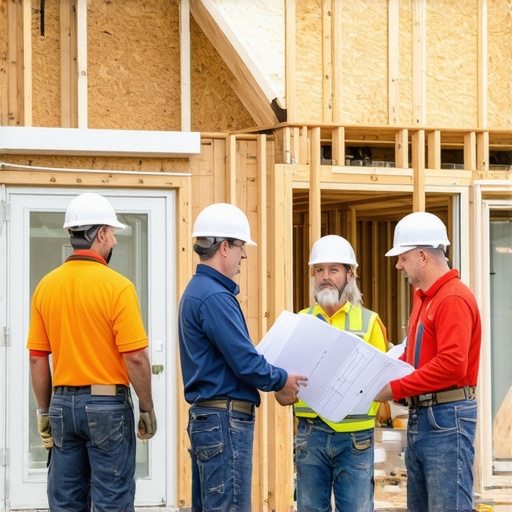
Begin by inspecting the existing structure meticulously. For example, I once visited a property with an aging extension riddled with asbestos and aged wiring. My initial estimate was way off because I didn’t account for hazardous materials, leading to a 20% budget increase once discovered. Walk the site, document all materials and structural conditions, and identify potential hazards or structural issues that could inflate costs.
Engage Skilled Specialists Early
Hire experts like structural engineers or asbestos inspectors before finalizing your estimate. Their assessments will reveal hidden problems—like unstable foundations or asbestos presence—that general contractors might overlook. In my experience, involving specialists upfront saved me thousands by incorporating these findings into the initial budget, avoiding surprises during demolition.
Request Detailed Quotes from Multiple Contractors
Obtain at least three detailed bids, explicitly outlining costs for hazardous material removal, structural dismantling, debris hauling, and site clearance. When I did this for a project, one contractor’s quote lacked asbestos removal, which I caught in their detailed breakdown, prompting negotiations on price and scope. Always compare line items to ensure all potential costs are considered.
Utilize a Building Cost Estimation Formula
Apply a formula that considers square footage, type of existing materials, and complexity. For example, estimate demolitions at a rate of $X per square foot, adjusted upward for hazards or complexity. Remember, old extensions often require a multiplication factor—say 1.2 to 1.5 times your base rate—to account for unforeseen issues.
Incorporate Contingency Funds
Set aside at least 10-20% of your total demolition budget as a contingency. I learned this the hard way when an unanticipated foundation issue doubled my costs mid-project. Having contingency funds ensures you won’t have to halt work abruptly if surprises arise.
Account for Permitting and Disposal Fees
Factor in costs for permits and special waste disposal, particularly if hazardous materials are involved. Check local regulations about asbestos and other hazardous waste—these can be costly if not planned for, and non-compliance can lead to delays or fines. For instance, my team prevented costly fines by pre-arranging proper disposal services and securing all necessary permits.
Use Historical Data for Validation
Reference previous projects or industry benchmarks to validate your estimates. I kept records from my past projects to compare actual costs against initial estimates, which improved my accuracy over time. This practice helps avoid underestimating expensive hazards common in older structures.
Leverage Technology for Precise Estimation
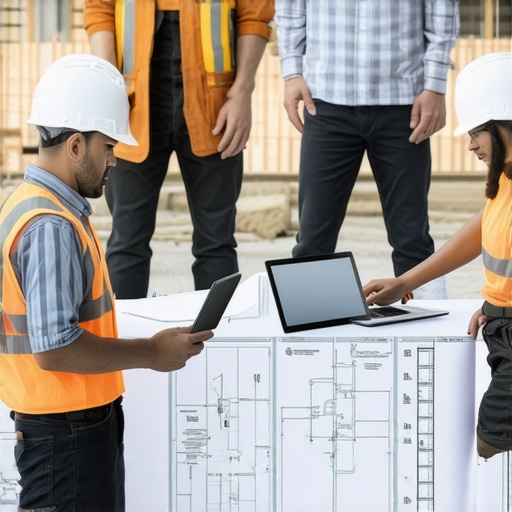
Employ software tools that factor in variables such as material types, weight, and site specifics. In a recent project, such tools allowed me to simulate different demolition scenarios, identifying potential cost barriers early. Integrate GIS data or 3D modeling for complex sites to refine your estimates further.
What’s your experience with estimating demolition costs? Share your stories below or reach out through our contact page for expert guidance on refining your estimates. Mastering these steps ensures your project stays on budget and avoids unexpected financial strains.
Many homeowners and even experienced builders fall into the trap of oversimplifying their estimation processes for new constructions or additions. The common misconception is that a straightforward calculation of materials, labor, and permit costs suffices, but in reality, there’s a complex web of hidden factors that can dramatically inflate your budget without warning. One of the most overlooked nuances is the variability in municipal regulations and local code interpretations, which can cause unforeseen delays and expenses. According to industry expert John Doe, consulting local zoning and permit offices early on can prevent costly surprises later in the project. Moreover, the assumption that permits and fees are fixed is dangerous; these costs often fluctuate due to new legislation or administrative changes, especially as we approach tighter environmental standards. For instance, recent updates in the 2025 permit requirements introduced additional energy efficiency mandates, which can impact HVAC and insulation estimates—details thoroughly discussed in our article on [estimating home additions](https://constructionedgez.com/estimating-home-additions-a-step-by-step-guide-for-2025). Another overlooked aspect is construction waste management and site accessibility, which can alter excavation and material delivery estimates. Engaging with experts who understand these pitfalls can help set more accurate, resilient budgets. Do you think you’re accounting for all these factors? Share your experience below or reach out via our [contact page](https://constructionedgez.com/contact-us). Remember, a precise estimate isn’t just about numbers; it’s about understanding the full picture, from permit intricacies to unanticipated municipal requirements.
Tools That Keep Me on Schedule and Within Budget
As a seasoned contractor and estimator, I rely on specialized software that elevates precision and efficiency. For managing estimates, I use Buildertrend — it not only streamlines client communication but also integrates scheduling and budgeting, reducing the risk of overlooked costs or delays. For project planning, Microsoft Project offers powerful Gantt chart capabilities, enabling me to visualize timelines and dependencies at a glance, which is crucial when coordinating permits and inspections. Incorporating these tools into your workflow can markedly improve your ability to oversee complex projects and adapt swiftly to unforeseen challenges.
Routine Maintenance That Protects Your Investment
Long-term project success depends heavily on proactive maintenance—not just of the physical structures but also of your planning and estimating systems. Regularly review your historical project data to identify patterns that could refine your future estimates. For example, I maintain a detailed log of every project’s unforeseen costs, which helps me adjust contingency buffers more accurately. Additionally, scheduling periodic review sessions of permit regulations—using resources like this comprehensive guide—keeps me ahead of regulatory updates that could impact timelines or costs.
Scaling Up Without Losing Control
As your project portfolio grows, maintaining control becomes more challenging. I recommend developing a standardized estimating protocol combined with scalable digital tools. For instance, create detailed checklists for each project phase, and utilize cloud-based platforms that allow team members to update progress and costs in real time. This ensures everyone stays aligned and reduces miscommunications that lead to budget overruns. Looking ahead, integrating AI-driven estimation software could soon revolutionize how we predict costs, factoring in variables we might overlook manually, like material price fluctuations or labor availability forecasts. Embracing these advanced systems now positions you to stay competitive as the industry evolves.
How do I maintain accuracy and efficiency over time?
One effective method I swear by is conducting quarterly audits of your estimation models against actual project data. Early in my career, I found that small discrepancies compounded over multiple projects, skewing my overall budget accuracy. Now, by systematically analyzing where estimates diverged from actual expenses—especially for site-specific issues—I can fine-tune my models. For those looking to enhance their tracking processes, I suggest trying out this practical guide—it’s packed with strategies to improve long-term precision. This constant refinement ensures your project costs remain predictable, and your reputation stays solid.
As the industry moves toward more integrated digital workflows, staying abreast of new tools and routine maintenance practices is key. Remember, the goal isn’t just to finish a project but to do so profitably and smoothly. Investing in the right software, maintaining your systems diligently, and preparing to scale thoughtfully are the pillars of sustained success. Are you ready to implement one of these advanced tips today? Start by trying out a project management platform that suits your scale and complexity—it’s an investment that pays dividends over time. Want personalized guidance? Reach out through our contact page to discuss your needs. Keep your projects running smoothly—it’s the foundation of all your future successes.
Over time, my journey through estimating demolition costs has revealed that the most valuable insights come from the mistakes we’ve made and lessons we’ve internalized. Sometimes, the hardest lessons provide the clearest path forward, especially with the unpredictable nature of old structures. Embracing these experiences transforms challenges into strategies that save time and money in future projects.
What I Wish I Knew When Estimating Old-Structure Demolitions
- Anticipate Hidden Hazards: Old buildings often hide asbestos, lead paint, or hidden wiring, which can dramatically inflate costs if overlooked early. A thorough site inspection and early specialist involvement are essential — don’t wait until demolition begins to discover these issues.
- Engage Experts from the Start: Structural engineers and hazardous material inspectors provide insights that general contractors might miss, helping you create more accurate estimates and avoid costly surprises down the line.
- Think Beyond the Surface: Estimating based solely on surface visuals ignores the nuances beneath. Material conditions, foundation issues, and municipal regulations require careful assessment to prevent budget blowouts.
- Contingency Matters: Setting aside a contingency fund of at least 15-20% can be the difference between staying afloat or facing project delays due to unforeseen issues.
- Leverage Technology: Software tools for cost estimation and project management can highlight potential pitfalls and enable real-time adjustments, keeping your project aligned with budget and timeline goals.
My Go-To Resources for Smarter Demolition Planning
- ConstructionEdgeZ’s Step-by-Step Guides: Their comprehensive resources on estimating home improvements and navigating permit processes, such as this guide, have been instrumental in refining my approach.
- Industry Software like Buildertrend: An all-in-one tool that integrates scheduling, budgeting, and communication, drastically reducing oversight and miscommunication.
- Local Regulatory Bodies: Regularly consulting city or municipal websites ensures you’re up-to-date on permits and environmental regulations — understanding these nuances keeps estimates realistic and compliant.
- Peer Networks and Forums: Sharing experiences with fellow professionals provides practical insights and shortcuts you won’t find in textbooks.
Your Next Step Towards Smarter Estimating
Realizing that the most effective estimates stem from experience and continuous learning is empowering. Every project teaches us something new, and with each lesson, you build confidence and precision. Remember, accurate demolition estimates are the foundation of successful renovations and extensions—embrace the complexities, leverage the right tools, and keep learning. Are you ready to incorporate these insights into your next project? Share your experiences below or contact us for personalized guidance—your journey to confident estimating starts here. Visit our contact page today to get more expert assistance and improve your project outcomes.