
The Permit Filing Error That Adds Weeks to Your Timeline
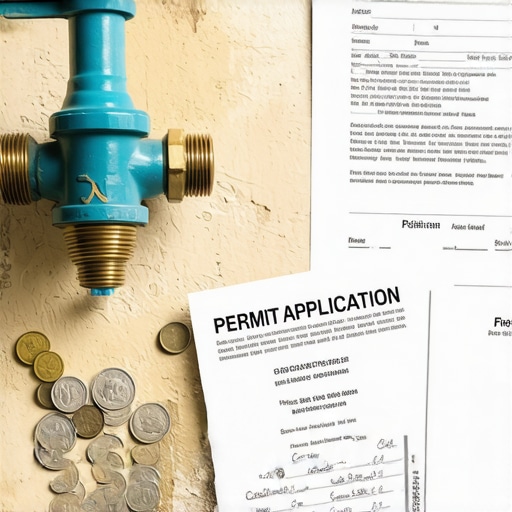
I remember the moment vividly. After months of pouring over plans, gathering documents, and juggling appointments, I finally hit “submit” on my permit application. Expecting a quick approval, I was blindsided when weeks dragged by with no updates. That sinking feeling? It was the permit filing error I had overlooked—a mistake that cost me precious time and added unnecessary stress.
If you’ve ever been in my shoes, you know how frustrating it is when a project stalls because of something seemingly small but critically important. The truth is, permit delays can be a headache for even seasoned homeowners, and often, they stem from errors made early in the process. Today, I want to help you avoid the pitfalls I stumbled into. We’ll explore the common permit filing mistakes—especially the ones that seem minor but can add weeks to your timeline—and how to sidestep them effectively.
Why a Simple Mistake Can Derail Your Permit Timeline
Permitting is a complex dance between city codes, paperwork, and approval cycles. One little slip—like missing a document, misunderstanding a requirement, or mislabeling plans—can cause your application to be rejected or sent back for revisions. The most insidious part? Many of these errors are entirely preventable with a little extra attention to detail.
Early in my process, I made the mistake of assuming my plans would pass the review without much hassle. I didn’t double-check the specific requirements for my local jurisdiction. It’s easy to assume that all permits follow a universal standard, but each city or county has unique rules. Misinterpreting these can lead to costly delays. For example, overlooking recent setback rule updates or mislabeling materials on your plans can trigger permit rejection.
A study by the National Association of Home Builders reveals that permit delays—due to filing errors—can extend project timelines by an average of three weeks. That might not sound like much until you’re on a tight schedule, or worse, facing penalties or contractor delays. The good news? Many of these issues are fixable if you know what to look for.
If you’ve encountered this problem, or fear you might, don’t worry. There are practical steps you can take to ensure your permit application is solid from the start. From understanding your specific permit requirements to verifying all documents are accurate, each step can save you weeks—or even months—down the line.
Now, let’s dive into the key mistakes to avoid and how to prevent them altogether, so your permit process becomes a smooth journey instead of an obstacle course.
Double-Check Local Requirements and Regulations
Start by visiting your local permit office’s website or contacting their staff directly to gather detailed guidelines. Don’t assume standards are universal; each jurisdiction has nuances. For example, during my first attempt, I overlooked recent setback rule changes—an error that led to a two-week delay. To avoid this, cross-reference your project plans with the latest codes listed in permit requirements for additions in 2025. This proactive step ensures your plans align with current standards, reducing rejection chances.
Prepare Complete and Accurate Documentation
Gather all necessary drawings, site plans, and evidence of compliance. Precision is key—missing or mislabeling plans can cause rejection. Think of your application as a puzzle; missing pieces or wrong shapes prevent the picture from aligning. Use a checklist derived from permit process understanding to verify every document. I once submitted plans missing the signed engineer’s stamp, delaying approval by a month. Double-checking each item saved me time and stress.
Edit and Review Plans Rigorously
Look for inconsistencies, outdated codes, correct measurements, and proper labels. Use clear, professional annotations to avoid misinterpretation. Think of your plans like a recipe; precise measurements and instructions ensure the cook (reviewer) understands exactly what’s needed. I caught an error in my setback distances during the review phase—fixing it early prevented rejection. Use tools like checklists or peer reviews, and consult resources such as estimating costs for new builds to verify technical accuracy.
Follow Submission Protocols Exactly
Adhere to formatting, labeling, and submission procedures specified by your local permitting authority. Small deviations, like incorrect file formats or missing signatures, can reset your progress. Think of it as mailing a package—you wouldn’t forget the address or stamps. During my submission, I mistakenly uploaded plans in an unsupported format, resulting in rejection. Ensuring your documents meet all specifications from permit approval tips can streamline approval. Use checklists and confirm compliance before hitting send.
Consult Professionals and Use Verification Tools
Engage with architects, engineers, or permit specialists early to verify compliance and catch errors. Think of them as seasoned navigators guiding you through a complex maze. I hired a local code consultant who flagged a compliance issue with fire-safety standards, saving me from a costly redo later. Additionally, consider employing digital tools like permit mapping software to visualize your plans and confirm adherence to rules. Resources such as accurate estimation tips can also help ensure your project is within permissible limits, avoiding rejection due to overlooked constraints.Many homeowners and even seasoned builders believe that accurate plans and diligent paperwork are sufficient for successful additions or new builds. However, one common misconception is that permit approvals hinge solely on documentation accuracy. In reality, there are nuanced factors often overlooked—like local zoning subtleties or advanced code variations—that can silently sabotage your project. For example, a misinterpretation of recent fire-safety upgrades or misapplication of setback rules can lead to permit rejections even if your application appears flawless. These advanced mistakes are frequently due to assumptions of uniform standards across jurisdictions, which is misleading. According to expert architect insights, understanding and navigating subtle local code changes is critical for seamless permit approval. One trap to avoid is relying purely on generic templates or outdated guidelines—these can mask crucial recent updates in regulations, increasing rejection risk. To master these nuances, it’s essential to stay updated through authoritative sources, such as official municipal websites, and consider consulting specialists who are well-versed in current local codes. This proactive approach helps you not only prevent common pitfalls but also anticipate subtle requirements that could cause delays. Have you ever fallen into this trap? Let me know in the comments. For comprehensive strategies, check out our guide on navigating permit requirements for additions in 2025, ensuring you’re aware of these often-overlooked hurdles.Managing a construction project or renovation requires reliable tools and strategies to ensure everything stays on track. One essential resource I personally rely on is digital project management software like Buildertrend. It helps me coordinate schedules, track permits, and communicate with subcontractors all in one place, reducing the risk of miscommunication that could delay approvals. Additionally, using estimation software such as PlanSwift allows me to generate accurate cost assessments, which are crucial when budgeting and applying for permits. These tools give me real-time updates, so I can quickly identify and resolve issues before they escalate.
In the realm of permits, staying organized is critical. I recommend maintaining a detailed digital document repository synced across devices, including all drawings, approval letters, and compliance checklists. This way, if regulations change or inspections are required, I can swiftly retrieve the necessary documents, avoiding costly delays. Implementing a routine weekly review of project progress with the team ensures everyone is aligned and potential permit issues are flagged early.
Looking ahead, I believe the trend is moving towards integrating AI-driven project analytics that can predict delays and suggest proactive measures. Tools that leverage machine learning will become indispensable for scalable project management, especially as regulations grow more complex.
**How do I keep my project’s permits and compliance on track over time?** Regularly updating your knowledge of local codes and maintaining an organized digital filing system are key. Tools like permit tracking apps integrated with your project management platform can alert you to upcoming renewal deadlines or new regulation requirements—saving you from unexpected hurdles. For more insights on efficient permit management, check out our comprehensive permit tips for new builds. Implementing these advanced systems and routines has significantly reduced my project’s downtime and improved overall workflow—consider trying one today and see the difference it makes.
The Hidden Lessons No One Tells You About Permits
One of the most valuable insights I gained was realizing that permit success often hinges on anticipating the unexpected. I once assumed that following the checklist would suffice, only to find out that a recent change in local codes had rendered my plans non-compliant. This taught me to stay proactive and continuously monitor updates from local authorities, ensuring my plans were current. Additionally, I learned that engaging early with permit specialists can uncover potential issues before they become delays, saving valuable time and resources. The biggest lightbulb moment? Recognizing that small overlooked details—like proper plan annotations or accurate measurements—can cause disproportionate setbacks, so meticulous review is non-negotiable. These behind-the-scenes lessons have profoundly shaped my approach, transforming permit challenges into manageable tasks rather than roadblocks.
Top Tools and Resources That Changed How I Navigate Permits
Over the years, I’ve relied on a handful of tools that make permit management more manageable. Digital project management platforms like Buildertrend help coordinate documents and deadlines seamlessly, ensuring no detail slips through the cracks. Estimating software such as PlanSwift allows me to produce accurate cost assessments, which are critical when compiling applications. For staying updated on codes, I subscribe to official municipal newsletters and use dedicated code update services—these keep me ahead of changes that could jeopardize my permits. Lastly, consulting with local permit experts has proven invaluable—they possess knowledge that no checklist can replace. Combining these resources has streamlined my process and increased the likelihood of smooth approvals.
Your Next Step: Building Confidence in Permitting Your Project
Taking control of your permit journey starts with believing that delays are avoidable. Confidence comes from preparation, attention to detail, and leveraging the right tools. Remember, every project has its unique quirks, but with the insights and resources shared here, you stand a much better chance of passing each stage smoothly. Don’t let permit hiccups slow down your plans—embrace the challenge, stay organized, and seek expertise when needed. Your dream project is within reach; all it takes is an informed, proactive approach. Are you ready to turn your permit process into a success story? Share your experiences or questions below; I’d love to hear what’s been your biggest challenge or win.