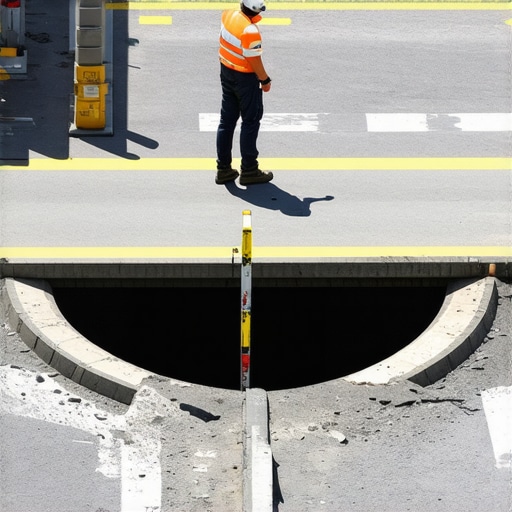
The hidden fees for connecting to the municipal sewer line
I remember the moment I realized our new home addition came with a sneaky surprise—hidden sewer connection fees that were nowhere near what I expected. It was late in the planning process, and suddenly, those unexpected costs threatened to blow my entire budget. That lightbulb moment made me wonder: how many homeowners are caught off guard by these unseen expenses?
The Real Cost of Connecting to the Municipal Sewer Line
Connecting to a municipal sewer system isn’t just about plugging in a pipe; it often involves a series of hidden fees and charges, from permits to assessments, that many overlook during initial planning. In my case, I initially assumed the connection fee would be straightforward—something I could easily incorporate into my project estimate. But I was dead wrong. I quickly learned that municipalities can impose a variety of hidden costs, like inspection fees, impact assessments, or infrastructure upgrades, which can add thousands of dollars unexpectedly.
These costs aren’t just a nuisance—they can substantially impact your overall project budget, causing delays or compromises on other aspects of your build. If you’re thinking about renovations, additions, or new constructions near existing sewer lines, knowing what fees to expect can save you from unwelcome surprises. To get a clearer picture, I dove into local regulations and spoke with experienced contractors, which emphasized the importance of detailed planning and proper estimation. For deeper insights, you might want to check out [cost-effective estimation techniques for new builds](https://constructionedgez.com/cost-effective-estimating-techniques-for-new-builds-and-additions) to understand how to better prepare for these expenses.
But how can you accurately anticipate these hidden fees? What are the common charges, and how do you navigate the often-complicated permit process? That’s exactly what we’ll explore next, so you’re prepared when it’s time to connect your home to the sewer system—without the budget-breaking surprises.
Break Down the Connection Cost Layers
Start by identifying every potential expense involved in connecting to the municipal sewer. Think of it as peeling an onion—each layer reveals new costs you might overlook. For my project, I began by obtaining the official fee schedule from the local government website, then scheduled a consultation with a municipal planner. During this call, I asked about hidden fees such as impact assessments or inspection charges. This step is crucial because many costs are hidden in plain sight, similar to how a small leak in a pipe might seem insignificant until it causes major damage. Document each fee to build an accurate estimate.
Use a Checklist to Cover All Possibilities
Create a comprehensive checklist based on local regulations and past project experiences. For example, I included permits, inspection fees, infrastructure upgrade costs, and possible assessment levies. This checklist acts like a GPS route—guiding you around unexpected detours. I used the cost estimation techniques resource to refine my checklist, ensuring I didn’t miss any hidden charges. A structured approach like this minimizes surprises and empowers you to negotiate or prepare financially.
Consult Experts for Accurate Forecasts
Engage with experienced contractors or municipal officials who have firsthand knowledge of typical costs. I reached out to a local contractor, who shared how unexpected infrastructure upgrades can double initial estimates. Think of it as consulting a seasoned navigator before embarking on a trek—experience reduces risk. When I spoke with my contractor, I also asked about potential permit complexity, which could delay the process or increase fees. Building this relationship helps anticipate costs more precisely, avoiding the common pitfall of underestimating expenses.
Estimate Permit Expenses Early and Often
Permits are often a significant part of the total cost—yet they’re easy to overlook. Start estimating permit fees at the project outset, not just during the final planning. Use the permit process article to understand how fees vary by jurisdiction. I learned to check if additional permits, such as environmental or impact permits, would be necessary. Scheduling these costs into your budget from the beginning helps prevent delays caused by missing or underestimating permit fees, much like planning fuel stops for a long road trip.
Keep Records and Track Variations
Document every cost estimate and comparison data you gather. When I was estimating my sewer connection, I used a spreadsheet to track each fee estimate from different sources. This practice allows you to compare and analyze variances—sometimes a fee can be double the original estimate, like how supply chain delays can inflate material costs. Use these records not only to refine your budget but also to negotiate better terms with contractors or officials if unexpected costs arise.
Plan for Contingencies
No matter how meticulous your estimate, surprises happen—say, discovering a buried utility line or needing infrastructure upgrades. Allocate a contingency fund—typically 10-20% of your total estimate—to cover these unforeseen expenses. Think of it as an insurance buffer—better to have it and not need it than to halt your project midway due to unexpected costs. For my project, setting aside a contingency helped absorb last-minute surprise fees without derailing other project parts.
Many homeowners and even professionals believe that accurate construction cost estimation hinges solely on detailed spreadsheets and initial quotes. However, the reality is far more nuanced. Common myths often lead to costly mistakes, especially when planning upgrades like additions or new builds. For instance, the misconception that permits are a minor expense can cause significant budget overruns. In truth, permit costs can vary widely based on local regulations and project scope, and overlooking them early can delay your entire timeline. This misstep highlights the importance of understanding the intricate permitting process, which often involves more than just fees; it requires navigating complex approval workflows and compliance standards, as explained in the article on permits for new builds.
Another widespread myth is that the simplest estimate is the most accurate. Yet, superficial estimates based on initial plans can omit hidden costs like infrastructure upgrades, utility adjustments, or soil testing, which tend to emerge mid-project, causing budget strain. The real trick is to adopt comprehensive estimating strategies, such as employing top estimating techniques that account for potential variability.
Advanced mistakes often involve underestimating the impact of project complexity on costs. For example, the common oversight of unforeseen site conditions—like soil stability issues—can dramatically increase foundation expenses. A study by the National Association of Home Builders highlights that unexpected site conditions lead to an average increase of 15-20% in project costs when not properly planned for. This emphasizes why investing time in thorough site assessments and contingency planning is crucial.
One sophisticated question often asked by seasoned builders is: how does project scope creep affect cost estimates? Scope creep, or uncontrolled changes, can quickly inflate budgets if not managed. A proactive approach involves maintaining detailed project scopes and change order protocols, as discussed in adding value with expert home additions. This strategy ensures that all adjustments are documented, approved, and financially accounted for upfront.
Do you ever fall prey to these misconceptions? Recognizing and addressing the hidden nuances in estimating can save you thousands and prevent project delays. Remember, meticulous planning and continuous monitoring are your best tools in this complex process. For more insights into mastering your budget, consider reviewing mastering new build estimating and related techniques. Have you ever fallen into this trap? Let me know in the comments.
Keep Your Projects Running Smoothly with the Right Tools
Staying on top of the many moving parts in a construction project, especially when dealing with permits, additions, and new builds, requires more than just good intentions. Over the years, I’ve found that specific tools and methods can significantly streamline maintenance, long-term success, and scaling efforts. For estimating, I rely heavily on digital estimation software like PlanSwift. It allows me to quickly update costs when project details change, ensuring my estimates remain accurate without starting from scratch each time. This is crucial because as projects grow or scope adjusts, your ability to adapt your budget efficiently can make or break your profitability.
Utilize Cloud-Based Document Management
Managing permits, drawings, and change orders can become chaotic if not organized properly. I recommend adopting cloud-based platforms such as Procore, which I use daily to keep everything synchronized across devices and team members. It offers real-time updates, which are indispensable when tracking permit statuses or recording long-term maintenance notes. These tools help prevent information silos and ensure that everyone is working from the same current data, minimizing delays caused by miscommunication or lost documents.
Implement Routine Checklist and Schedule Audits
Routine checklists help me identify potential issues before they escalate. I use customized digital checklists aligned with each project phase, ensuring that permit renewals, inspections, and maintenance are scheduled and documented. For example, keeping a recurring schedule to verify permit expiration dates or soil conditions can prevent costly penalties or project delays. Regular audits allow me to stay proactive rather than reactive, which is critical as projects scale and complexity increases.
How do I maintain long-term compliance and efficiency?
One approach I advocate is to integrate efficient management techniques into your workflow. These methods involve ongoing review of project data, cost updates, and permit statuses, all supported by tools like MS Project or specialized construction management software. In the future, trends point towards using AI-driven analytics to predict permit delays or cost overruns, further easing the burden of scaling projects. For now, I encourage trying out these core tools to see immediate improvements in your maintenance routines.
Lastly, don’t overlook the power of automation. Automating reminders for permit renewals or soil testing dates reduces manual oversight and helps keep your projects compliant and on schedule. For a step-by-step guide on adding value through effective project management, check out this resource. Take the time to set up systems that work for your specific scale and scope, and your future self will thank you for less stress and more control on every project.
Less Than Ideal Lessons I Had to Learn
- Overestimating my familiarity with local permit processes was a costly mistake. I thought I understood all the fees involved, but I missed a few hidden charges that added up quickly. Now I know the value of speaking directly with municipal officials early on.
- I used to believe that detailed spreadsheets were enough for accurate estimates. But real-world surprises, like unexpected infrastructure upgrades, taught me that building flexibility into your budget is crucial. Always allocate a contingency fund.
- Relying solely on generic advice can leave you unprepared. I learned that every municipality has its quirks—custom research and expert guidance save time and money during the connection process.
Tools That Truly Changed My Approach
- Estimation Software like PlanSwift became my go-to for adjusting costs swiftly as project details evolved, preventing budget overruns.
- Procore’s Cloud Platform kept all permit documents, inspections, and communication organized, reducing delays and miscommunication.
- Local government websites often contain crucial fee schedules, but verifying details through direct contacts has saved me from overlooked costs. The combination of digital tools and personal outreach is unbeatable.
You Have the Power to Keep Your Project on Track
Facing unseen expenses like sewer connection fees can be daunting, but with the right knowledge and tools, you can navigate them confidently. Every successful project starts with informed planning—your future self will thank you for taking control now. Dive deep, prepare thoroughly, and don’t shy away from asking questions—your smoothest build is within reach.