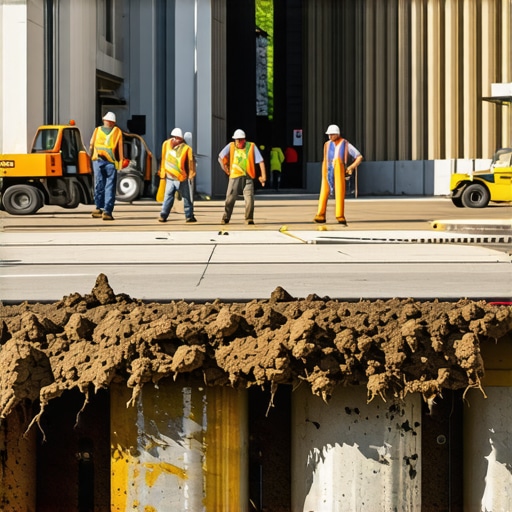
The Hidden Cost of Moving Underground Utility Pedestals
I remember the moment vividly—spending hours pouring over blueprints for my new addition, only to realize I hadn’t accounted for the underground utility pedestals. The frustration hit hard when I discovered that relocating one after the fact could cost thousands more than expected. That lightbulb moment made me wonder: how many homeowners and builders get caught off guard by this hidden expense?
Why Overlooking Utility Pedestals Can Drain Your Budget
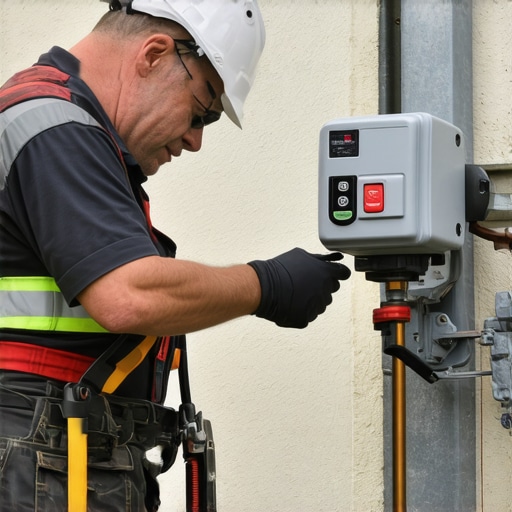
Underground utility pedestals might seem like small, insignificant parts of your project, but neglecting their placement can lead to unexpected delays and hefty costs. These pedestals house essential connections for power, water, or telecommunications—often placed without much fanfare, yet their location can clash with your construction plans.
When I first started my project, I assumed moving a pedestal was a minor issue—something my contractor could handle quickly. Instead, I learned that moving or relocating a pedestal involves digging up infrastructure, coordinating with utility companies, and adhering to strict municipal regulations. Costs escalate rapidly in such scenarios, and the project timeline can stretch for weeks.
According to recent studies, unexpected utility-related modifications account for nearly 15% of project cost overruns in residential construction (source: National Association of Home Builders). Clearly, this isn’t just my problem; it’s a systemic issue that can impact any builder or homeowner.
So, what can we do to avoid falling into this trap? How can you protect your budget while ensuring your project runs smoothly? That’s exactly where I’ll steer us next—covering practical strategies based on my experiences and expert advice.
Will This Be Worth the Extra Effort? The Skeptical View
Initially, I wondered if all this planning was overkill. Maybe I could wing it and deal with surprises as they came. But my early mistake was underestimating the complexity of underground utilities, especially since many municipalities now require detailed site surveys. I missed a crucial step—mapping underground lines, which led to costly adjustments down the line. Now, I recommend reviewing [site survey techniques](https://constructionedgez.com/how-to-map-underground-utilities-before-your-dig) early in your planning process.
In the sections ahead, I’ll share how to identify potential issues before they become costly problems and outline approaches to ensure your utility pedestals are where they should be—saving you time, money, and headaches. Ready to get into the nitty-gritty of planning smart from the start? Let’s dive in.
Map Underground Utilities Before Excavation
Start with a comprehensive site survey—think of it as a GPS for your underground infrastructure. Hire a qualified surveyor to identify and mark all existing utilities. This step prevents accidental crossings that could delay your project and inflate costs. I personally engaged a survey service midway through my build after discovering a buried gas line I overlooked, which could have caused serious issues if struck. Linking to this guide on mapping utilities ensures you get detailed, actionable steps.
Consult Utility Providers Early
Contact local utility companies during your planning phase. They can supply maps or conduct detect-and-mark services. This proactive approach catches potential conflicts early. During my project, I called the water and electrical providers and learned about existing underground lines that weren’t on public maps, saving me from costly future relocations. Establishing clear communication lines with providers also facilitates smoother permit applications and modifications.
Create Detailed Site Plans Incorporating Pedestal Locations
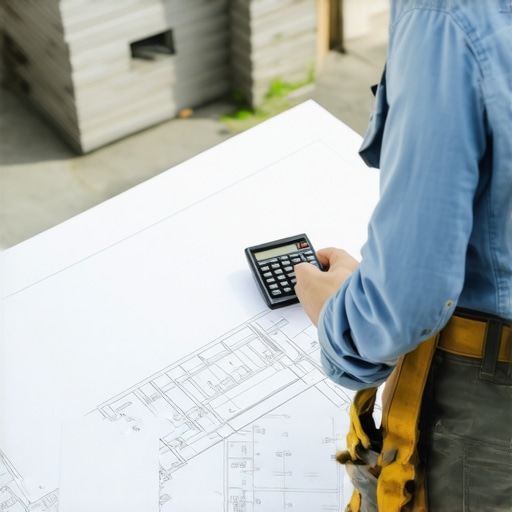
Design your site plan with pedestal placement in mind, considering accessibility, future landscaping, and construction zones. Use CAD software or even detailed sketches to visualize where each utility box sits relative to your structures. In my case, I discovered my planned porch location conflicted with a utility pedestal. Adjusting the plan saved me from expensive relocations later. For precision, consult Estimating Strategies to assess how such adjustments affect your overall budget.
Involve Professionals for Site Verification
Hire licensed contractors or utility locators to verify the presence and position of underground utilities before any digging. Their equipment, like ground-penetrating radar, can detect lines that are unmarked or have shifted. I hired such a professional after my initial markings seemed inconsistent, which revealed an unrecorded line that was 12 inches off from plans. This step is crucial for avoiding accidental damage and adhering to safety regulations, thereby preventing project delays and costly penalties.
Document and Communicate Changes Promptly
If discrepancies or conflicts are identified, document them thoroughly with photos and updated maps. Communicate these findings immediately to your project team and utility providers. Quick, clear communication ensures everyone is aligned, reducing rework and avoiding permit issues. Remember, prompt action in my project minimized delays and kept costs in check, illustrating the importance of staying proactive throughout the build process.
Many assume that once permits are secured and estimates are in place, the project is straightforward. But in my experience, there’s a critical layer of complexity that often goes unnoticed: the false assumptions about how these elements interact. Common myths, like thinking permits only slow down the process or that estimates are always accurate, can lead to costly mistakes. For example, I once believed I could save time by skipping detailed site surveys, but that oversight resulted in stumbling over underground utilities later on. It’s essential to recognize that permit processes and estimations are interconnected with site-specific nuances—like soil conditions, existing infrastructure, and local regulations—that can dramatically alter the project’s scope and cost. These nuances aren’t always well documented but can have an outsized impact on project timelines and budgets. According to industry expert Mike Holmes, failure to account for these subtle factors is a leading cause of project overruns, emphasizing the importance of advanced planning and thorough site analysis. It’s not enough to follow standard procedures; you need to understand that each site has its own story, and your ability to interpret these hidden clues can save you thousands. For instance, a misjudged soil type can affect foundation costs, while overlooked easements can delay approvals. Advanced estimating techniques, like those outlined in this guide on estimating strategies, help uncover these hidden costs early, allowing for more accurate budgets. Similarly, proactive permit management—learning how to streamline permit acquisition—can avoid bureaucratic delays caused by overlooked local requirements. So, the real secret isn’t just ticking boxes but understanding that each project is layered with small, often hidden, factors that can make or break your build. Having this insight allows you to methodically identify and mitigate potential pitfalls before they become budget-busting problems. Remember, the most experienced builders are those who view each project as a puzzle—piecing together the visible parts and the subtle clues that influence the outcome. Maintain a mindset of thorough investigation and continuous learning, because in this game, the devil truly is in the details. And hey, have you ever fallen into this trap? Let me know in the comments!Maintaining your construction site and tools effectively is crucial for long-term success. I rely heavily on a combination of smart software and durable equipment to keep projects on track and minimize delays. One tool I personally swear by is [BuilderTREND](https://constructionedgez.com/estimating-home-additions-a-step-by-step-guide-for-2025), a cloud-based project management platform that streamlines communication, scheduling, and document sharing. This software helps me keep all team members aligned, track progress in real time, and quickly adjust schedules when unforeseen issues arise, like utility conflicts or permit delays.
Investing in quality equipment also makes a significant difference. For example, I recommend a reliable cordless drill like the Milwaukee M18 Fuel series. Its battery life, power, and durability mean fewer interruptions during site work, reducing downtime and increasing accuracy for tasks like framing and installing utilities.
Regular maintenance of tools and equipment is just as vital. I make it a habit to perform weekly inspections, lubricate moving parts, and replace worn-out batteries or blades promptly. This proactive approach prevents equipment failures that could halt work entirely—saving both time and money over the project’s lifespan.
In my experience, understanding the lifespan of your tools informs better purchasing and replacement decisions. For example, keeping detailed maintenance logs helps me predict when a power saw might need a new motor or when a vehicle requires service, avoiding unexpected breakdowns.
Looking ahead, I believe the trend will move toward more integrated digital maintenance tracking and AI-powered diagnostics. Such advancements could automatically alert you to potential issues based on usage patterns, helping ensure your site stays operational. To stay ahead, try implementing a digital maintenance schedule using apps like UpKeep or Fiix; these not only schedule regular checks but also archive maintenance histories for future reference.
Ever wonder how to keep your tools functioning optimally over years of heavy use? Regularly scheduled maintenance is my go-to strategy. A simple yet effective practice is to set aside 15 minutes at the end of each workday to inspect and clean tools, quickly identifying any signs of wear.
Manufacturers often provide maintenance guidelines—don’t ignore them. For instance, a study by technical expert Daniel Houghton on construction equipment upkeep emphasizes that adhering to manufacturer-recommended service intervals significantly extends the lifespan of power tools and machinery, saving costs in the long run.
So, I encourage you to pick one maintenance tip today—perhaps setting a weekly inspection routine—and see how it improves your project flow. Small efforts can make a big difference in keeping your site operational and your team productive.
What My Hard-Earned Mistakes Taught Me About Utility Conflicts
One of the most valuable lessons I learned was the importance of never assuming underground utilities are accurately mapped. I once relied solely on municipal maps and paid dearly for it when an unmarked cable caused weeks of delays. The real breakthrough came when I invested in comprehensive site surveys early in the planning process, which revealed hidden lines and saved me from costly relocations. This experience emphasized that proactive detection and verification are worth every penny, ensuring my project stays on track and within budget.
Tools That Gave Me Peace of Mind During Utility Planning
Over time, I developed a trusted toolkit that I rely on for underground utility detection. Ground-penetrating radar devices became my best friends, allowing me to pinpoint lines with precision. Couple that with professional utility locators and detailed site drawings, and I felt confident every step of the way. I also invested in software that helped me visualize utility placement against other site features, reducing the chance of surprises. These tools collectively transformed my approach, making complex coordination manageable and stress-free.
Why I Now Prioritize Communication Over Assumptions
Perhaps the most powerful lesson was realizing the value of engaging utility providers early and maintaining open lines of communication. During a recent project, proactive calls uncovered unregistered easements and service lines that could have derailed my timeline. By establishing strong relationships and confirming utility locations beforehand, I prevented delays and unexpected costs. This taught me that honest, early dialogue with utility companies isn’t just courteous—it’s essential for smooth project execution. It also minimizes the risk of miscalculations that snowball into big problems, reinforcing that connection and transparency are invaluable tools in any builder’s arsenal.Thinking back, I wish I had known these lessons from the start—they would’ve saved me from countless headaches and thousands of dollars. Now, I approach underground utility planning as a critical, detail-rich stage that demands respect and thoroughness. If I could advise any fellow builder or homeowner, I’d say: invest in proper site surveys, utilize the right detection tools, and never underestimate the power of early, clear communication with utility providers. These are the areas that, if handled thoughtfully, can make all the difference in your project’s success.