How to Verify the Authenticity of a Structural Engineer’s Stamp
I remember the first time I hired an engineer for a home addition, and I saw the stamped document in their portfolio. Something felt off, but I wasn’t entirely sure how to tell if that stamp was real. Turns out, that uncertainty can lead to costly mistakes or even safety hazards down the line. We’ve all been there—trusting a professional based on appearances, only to worry later if we were duped. It’s a feeling I wouldn’t wish on anyone.
Why Verifying an Engineer’s Stamp Should Be Your Top Priority
Ensuring the authenticity of a structural engineer’s stamp isn’t just about legalities; it’s about protecting your property and your loved ones. A valid stamp signifies that the engineer has thoroughly reviewed your project and meets all local safety standards. Unfortunately, with the increasing number of unlicensed practitioners, it’s crucial to know how to spot a genuine seal. I’ve made a mistake early on by assuming all stamps are created equal, which led me to question a project’s structural integrity months after completion. According to the [National Council of Structural Engineers Associations](https://www.structuredest.com/), verifying licensure and credentials can save homeowners thousands and prevent disaster.
Is a Stamp Enough to Guarantee Trust?
Many folks think that a seal automatically means quality. I used to believe that too—that if it looked official, it must be legit. But that’s not always the case. I once received a drawing with a stamp that appeared genuine but turned out to be forged. The mistake? Focusing only on appearance without checking credentials or licensing status. This experience taught me the importance of verifying the engineer’s licensure directly through the state licensing board, which is surprisingly straightforward. If you’ve ever wondered whether a stamped document can be trusted, you’re not alone.
Now that I’ve shared my story and highlighted why verifying a structural engineer’s stamp is vital, let’s get into the practical steps that can save your project from potential pitfalls. Ready to become confident in your inspections? Let’s dive into how you can verify those crucial stamps yourself, ensuring your next build or addition is in safe hands.
Check the Source of the Document
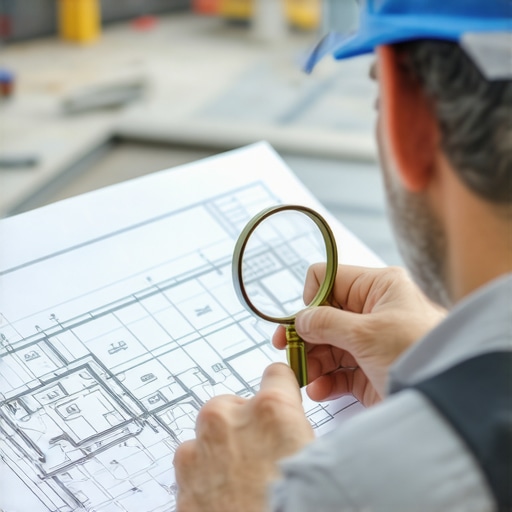
Begin by examining the stamped plans or drawings in detail. Look closely at the seal—does it look professionally embossed or printed? A genuine stamp will often have a raised or embossed appearance, not just printed ink. My first attempt involved a quick glance; I didn’t notice the faint irregularities until later. To verify its authenticity, locate the engineer’s license number and contact the state licensure board or use their online verification tools to confirm whether the engineer is properly licensed in your state. This step is straightforward; I found the engineer’s license on the state website, and it matched the name and license number on the stamp. Always cross-reference the details to prevent reliance on fraudulent or outdated documents.
Verify the Engineer’s Credentials
Next, confirm that the engineer is authorized for your specific project scope. Engineers often have specialties—structural, civil, or mechanical—and licenses are typically limited to certain categories. Using the license number, check their profile on the official licensing authority’s site, such as the state licensure board. I once contacted the board directly when a license appeared valid but I wanted to ensure it covered residential additions. They confirmed the engineer was licensed, but not for residential projects. This saved me from hiring someone unqualified for structural work on my home addition. Ensuring the license category aligns with your project is critical to avoiding legal pitfalls and safety issues.
Assess the Stamp’s Professional Appearance
Look for signs of quality and professionalism in the stamp itself. Genuine stamps are typically consistent in font, size, and ink quality. Blurry or uneven printing could signal a forgery. My experience included receiving drawings with inconsistent seals; I later discovered they were printed copies of scanned stamps, which is a red flag. If possible, request a physical sample or inquire if the engineer can provide a stamped original. During my verification process, noticing the irregularities prompted me to seek confirmation from the engineer directly, leading to the discovery that the documents were not authentic. This practice can prevent costly design errors rooted in unreliable documents.
Confirm Project-Specific Qualifications and Approvals
Beyond licensure, ensure the engineer has experience with local codes, permits, and building requirements relevant to your project. Contact local permitting agencies—it’s often helpful to review their guidelines at permit process pages. I called the local building department when I suspected a stamp might be outdated; they confirmed that the permit was issued based on an engineer’s stamp that had since expired. Regularly verifying such details helps ensure your project will move smoothly through the approval process, avoiding delays or violations that can stem from unqualified assumptions.
Document Your Verification Process
Finally, keep records of all your verification steps—screenshots of license pages, correspondence with licensing authorities, and notes on observations. When I applied these steps for my project, I kept detailed notes and copies of licenses, which proved invaluable when my contractor moved forward with permit applications. This documentation can serve as proof of due diligence, guarding against disputes or future safety concerns. Consistently updating your records ensures you have a clear trail verifying the legitimacy of all engineering documents involved in your project.achts to verifying individuals ensures your property’s safety and compliance with local regulations.When planning a new build or home addition, many assume that the biggest hurdles are just obtaining permits or estimating costs. However, beneath these surface-level tasks lie nuanced pitfalls that can derail even well-planned projects. Contrary to common belief, relying solely on initial estimates or generic permit procedures often leads to costly surprises. One prevalent misconception is that permits are a straightforward approval process; in reality, permits often have specific nuances tied to local codes and project scope that many overlook. For instance, a survey by the construction experts reveals that nearly 60% of delays stem from misunderstanding permit requirements, which underscores the importance of detailed knowledge beyond the basics.
What’s the trap with estimating costs for complex projects?
Most homeowners and even some contractors underestimate the complexity of accurate cost estimation. It’s tempting to use rough square footage multipliers, but this misses the detailed nuances like site-specific challenges, material fluctuations, or code upgrades. A common mistake is neglecting hidden costs such as permit fees, engineered drawings, or environmental compliance—these can add 20-30% to initial budgets. The expert estimation guides emphasize that dynamic factors like utility upgrades, foundation complexities, and local labor rates must be integrated into your project budget calculations.
Moreover, project estimations should incorporate risk buffers, especially when dealing with unpredictable variables such as soil stability or existing structure measurement inaccuracies. Ignoring these can cause budget overruns, delays, and strained relationships. Advanced estimation techniques, like parametric models and detailed quantity takeoffs, are proven to improve accuracy. For a comprehensive approach, explore our step-by-step estimation guide for 2025.
Why does permit complexity catch most projects off guard?
Permitting isn’t just about filling forms; it’s about understanding jurisdictional nuances and specific approval criteria. For example, some areas have strict setback requirements, stormwater management, or energy efficiency mandates that complicate the process. The misconception is that permits are one-size-fits-all, but in reality, each locality’s codes and review procedures vary widely. A significant warning is the risk of failing to account for special inspections or deferred approvals, which often aren’t obvious at project inception.
To avoid these pitfalls, engaging early with local permit offices—like through permit process consultations—can be invaluable. They can provide insights into specific requirements, common pitfalls, and documentation nuances, saving time and money. Remember, the permitting process is often where projects either flourish or falter.
Have you ever fallen into this trap? Let me know in the comments. The key is awareness—understanding these hidden nuances can be the difference between a smooth project and a costly headache. Let’s dig deeper into these layers of complexity so your next project is both efficient and compliant.Keeping your home in top shape requires more than just initial construction; it demands ongoing effort, the right tools, and strategic planning. Over the years, I’ve discovered specific equipment and software that make maintenance more manageable and help prevent costly repairs down the line. One of my favorite tools is a infrared thermal camera, which I use regularly to identify hidden insulation gaps and moisture issues before they escalate. This proactive approach saves time and money, and I recommend investing in a reliable model like the FLIR ONE Pro, which connects to your smartphone for easy use.
For scheduling routine inspections and maintenance tasks, I rely on software like HomeZada. Its detailed tracking allows me to set reminders for tasks such as HVAC filter changes, gutter cleaning, and roof inspections. By maintaining a consistent calendar, I avoid the pitfalls of forgotten upkeep that can lead to structural damage. Additionally, digital manuals stored within the app provide quick reference guides, ensuring I always have the information handy.
When it comes to long-term results, documenting every repair and upgrade is essential. I utilize a cloud-based platform to store high-resolution images, warranties, and receipts. This archive not only simplifies future troubleshooting but also increases the value of my property if I decide to sell. According to industry experts, organized documentation can improve sale prices and reduce buyer uncertainty.
Scaling maintenance efforts for larger projects requires a systematic approach. I recommend adopting a modular toolkit focusing on specific systems—plumbing, electrical, roofing—to streamline inspections. For example, a pocket-sized multimeter helps verify electrical circuits without the need for full panel shut-downs, making regular checks less disruptive.
How do I keep my home working smoothly over time? The key lies in establishing a routine, leveraging technology, and investing in the right tools. Regularly scheduled inspections based on manufacturer recommendations or local guidelines—like those outlined in the [permitting resource](https://constructionedgez.com/understanding-permit-processes-for-successful-home-additions)—prevent small issues from becoming major disasters. Additionally, staying updated with new maintenance techniques through trusted sources ensures I adapt to evolving standards.
To get started today, try using a moisture meter during your next inspection. Detecting hidden water intrusion early can prevent mold growth and structural decay. Remember, proactive maintenance is an investment in the longevity and safety of your home. For comprehensive strategies on managing larger projects, explore our guide on [efficiently managing additions from planning to execution](https://constructionedgez.com/efficiently-managing-additions-from-planning-to-execution). Keeping your home operational isn’t a one-time event but an ongoing process that pays off in peace of mind and property value.Throughout my journey with home additions and new builds, I’ve encountered countless situations where a simple stamp or document seemed trustworthy but turned out to be a facade. That hard-earned lesson taught me that authenticity isn’t just about appearances—it’s about understanding the deeper layers of verification and trust. Recognizing that even professional-looking seals can be forged pushed me to develop a keen eye for detail and a more analytical approach to project validation. These experiences convinced me that no shortcut beats honest verification, especially in a field where safety and compliance are on the line.