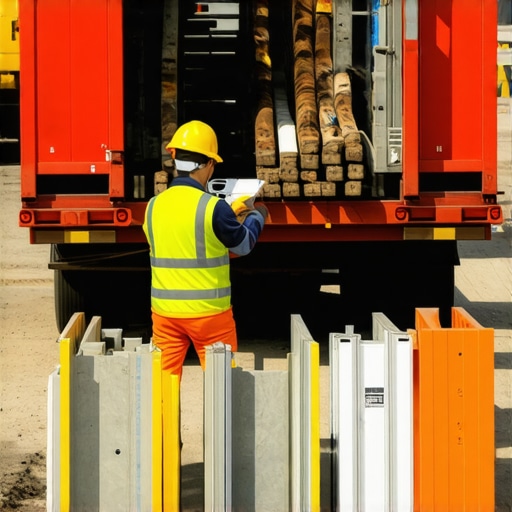
How to Read the Fine Print on Structural Steel Delivery Fees
As I stared at the invoice, my stomach sank. The steel delivery fee was nearly double what I had budgeted. It was a lightbulb moment—how had I missed this hidden cost? And more importantly, how could I have read the fine print to avoid this surprise?
If you’ve ever felt that sinking feeling after finalizing a construction quote or reviewing a contractor’s invoice, you’re not alone. Many homeowners and builders find themselves blindsided by hidden fees embedded within the so-called ‘delivery charges’ or ‘additional costs.’ These line items can significantly impact your project’s budget, often lurking in the fine print where few of us have the time or expertise to scrutinize.
Today, we’re going to uncover the secrets behind understanding and reading the fine print on structural steel delivery fees. Whether you’re planning a new build, an addition, or just trying to keep your costs in check, knowing what to look for—and what to question—can save you hundreds, if not thousands.
The Hidden Costs Lurking in Delivery Fees
One common mistake I made early on was assuming that the quoted delivery fee was the final cost. Wrong. Many suppliers incorporate additional charges for handling, special crane services, or even surcharges for deliveries outside standard hours. These charges are often buried within the contract or invoice, making it tricky to find and even harder to predict.
A recent study highlights that misreading or overlooking shipping and delivery costs can inflate project budgets by up to 15%. That’s a chunk of change that could be better allocated elsewhere. To avoid this, I started cross-referencing the delivery quote with the supplier’s terms, which I found in the fine print, usually linked in the contract or on their website. Getting familiar with these details is essential.
Have you ever signed off on a quote only to realize later that the delivery charge was way higher than expected? If so, you’re not alone. Many find this out the hard way—trust me, I’ve been there. Early on, I neglected to ask about additional handling fees, assuming the initial quote was all-inclusive. Big mistake.
To help you avoid the same pitfalls, we’ll go through specific strategies for reading between the lines of delivery invoices and understanding every potential cost. But before that, let’s address a common skepticism.
Is scrutinizing delivery fees worth the hassle?
The short answer: absolutely. Overlooking these details can throw your entire project off schedule and budget. According to the National Association of Home Builders, homeowners who actively negotiate and review their contracts save on average 10-20% on unexpected costs. (Source: [NAHB Study, 2022])
Next, I’ll share practical steps I wish I’d known earlier—simple yet effective ways to decode those elusive delivery charges and make sure your project stays in your control. Ready? Let’s dive in.
Break Down the Invoice Line by Line
Start by dissecting your delivery invoice into specific components—handling, fuel surcharge, crane fees, and the actual delivery fee. Imagine your invoice as a toolbox; each item is a tool with a distinct purpose. During my last project, I received a steel delivery invoice that listed a hefty handling fee. By reviewing each line, I realized an unanticipated surcharge for evening delivery, which I could negotiate down before finalizing the payment. This practice pinpoints hidden costs and prevents surprises.
Compare with Contractual Terms and Supplier Policies
Next, cross-reference these costs with the supplier’s published policies or contract agreements. Think of it as verifying a recipe—if the invoice shows an extra ingredient, but the contract specifies a fixed price, you have grounds to question. I once noticed a surcharge in the invoice that wasn’t mentioned in the contract, prompting me to call the supplier. Clarifying such discrepancies early saves money and time, especially when you’re managing multiple bids.
Ask Targeted Questions to Clarify Potential Extra Charges
Engage with your supplier proactively by asking precise questions: “Are there additional fees for off-hours delivery?” or “What handling costs should I expect for this size of shipment?” In my experience, these questions force the supplier to provide transparency. During a recent steel delivery, asking about surcharge thresholds helped me negotiate a fixed fee, avoiding unexpected increases. Be assertive—absent these inquiries, you risk absorbing extra costs silently.
Utilize Visual Aids and Documentation
Employ diagrams or annotated invoices to visualize cost breakdowns. Creating a simple spreadsheet mapping each component aids in comparing estimates from multiple suppliers. For example, I once prepared a table contrasting two quotes, which revealed one included a crane surcharge while the other didn’t. Documenting these details ensures clarity and provides leverage during negotiations, helping you keep your project within budget.
Learn from Concrete Examples and Personal Experiences
Reflect on past projects where overlooked delivery fees impacted your budget. I remember a time when I dismissed initial fees as negligible, only to find a hefty handling surcharge later. Applying these steps—breaking down bills, comparing with policies, questioning specifics, and documenting details—transformed my approach. It’s a bit messy at first, but the clarity gained pays off, saving me hundreds on each project and giving me peace of mind.
Many homeowners and even seasoned contractors believe that estimating project costs, permits, and build timelines is straightforward—yet, this connotation hides a web of nuanced pitfalls. Contrary to popular belief, a precise estimate isn’t just about crunching numbers; it requires understanding complex variables such as permit nuances and construction intricacies. For instance, many assume that permit costs are fixed, but in reality, permit fees vary widely depending on jurisdiction, project scope, and even current regulatory changes, which makes relying solely on initial quotes risky. A common myth is that permits are a one-and-done step, but the process often involves multiple approvals, each with its own set of requirements and potential delays. Overlooking these layers can lead to underestimating timelines and budgets significantly.
Let’s address an often-overlooked nuance: the impact of local building codes and evolving regulations. Many underestimate how quickly standards change, especially in safety or energy efficiency, leading to outdated estimates and non-compliance penalties. According to a recent industry survey by Construction Edge, 65% of project overruns stem from underestimated permit delays and regulatory adjustments. This underscores the importance of proactive research and flexible budgeting.
From my experience, one of the most insidious pitfalls is neglecting the ‘hidden’ costs associated with permit variances or zoning adjustments. When a planned build encroaches on setback requirements or requires elevation modifications, costs can skyrocket unexpectedly. Many make the mistake of including only straightforward permit fees and forgetting about these potential compliance costs.
For advanced builders and homeowners aiming for precision, it’s essential to recognize that permits are not just bureaucratic hurdles but strategic parts of project planning. I recommend leveraging resources like [Construction Edge](https://constructionedgez.com/cost-effective-estimating-techniques-for-new-builds-and-additions) to master estimating techniques that account for these complexities. Moreover, understanding permit approval processes can prevent costly delays, which is vital for staying on schedule. You can find comprehensive insights [here](https://constructionedgez.com/understanding-permit-processes-for-new-building-projects) and [this guide](https://constructionedgez.com/navigating-permit-requirements-for-additions-in-2025) tailored for additions.
Have you ever fallen into this trap? Let me know in the comments. The key takeaway is that a nuanced comprehension of permitting can make or break your project’s profitability—so dig deeper and strategize accordingly.
Keep It Running Smoothly with the Right Tools
Staying on top of a construction project requires precision, organization, and reliable equipment. Personally, I swear by using digital project management software like Buildertrend because it consolidates scheduling, budgeting, and communication into a single platform, reducing errors and missed deadlines. These tools allow me to track real-time progress and adjust plans promptly, ensuring everything stays on course.
For estimating, I prefer software solutions like Foundation. They incorporate the latest pricing data and building codes, which is crucial when managing additions or new builds. Having accurate estimates from the start helps prevent budget creep and material waste—common pitfalls in construction projects.
Beyond software, I use high-quality lidar scanners, such as the Leica BLK2GO, for site surveying. This handheld device quickly captures detailed 3D models, giving me precise site measurements with minimal fuss. It’s especially useful when assessing complex terrain or verifying existing conditions before digging or foundation work begins.
Anticipate Future Trends in Construction Management
Looking ahead, I predict the integration of AI-driven project management tools will become more commonplace, automating scheduling adjustments and risk assessments based on ongoing project data. This will further enhance efficiency and minimize delays, especially for larger projects with multiple trades involved.
How do I keep my projects resilient over time?
Implementing long-term maintenance planning is key. I recommend using software that tracks warranty periods, upcoming inspections, and maintenance schedules—tools like these specialized management apps. For example, maintaining detailed records of material specifications and installation dates makes future repairs or upgrades smoother, saving you both time and money later.
Also, investing in quality tools and materials pays dividends. Choosing durable equipment reduces downtime caused by equipment failure. For instance, I prefer using high-grade power tools with extended warranties, so I don’t get caught off guard during critical phases of construction.
Maximize Your Maintenance Routine
Regular site inspections are crucial. Create checklists that focus on critical points—structural integrity, safety hazards, weatherproofing—using digital forms to document issues. This proactive approach catches problems early, avoiding costly repairs or delays. And don’t forget to keep a detailed log of all maintenance activities including repairs and inspections.
Finally, I recommend cultivating good relationships with suppliers and service providers. Trusted vendors who understand your projects’ unique needs can quickly resolve issues, provide expert advice, and suggest innovative solutions, ensuring your project remains on track and in top condition.
How to Make Maintenance Second Nature
The secret to long-term project success is integrating seamless maintenance routines from the outset. Try adopting a digital maintenance tracking system that alerts you when inspections or part replacements are due. This proactive stance keeps your site safe, compliant, and ready for any future additions or rebuilds, ensuring sustained productivity over the years.
What I Wish I Had Known About Delivery Costs from the Start
One of the most eye-opening lessons I learned was that initial quotes often hide surprises. I used to accept delivery fees at face value, only to find hidden handling charges or surcharge clauses buried in fine print. Realizing that every additional fee—whether for special handling, after-hours delivery, or equipment utilization—could add up to a significant sum, transformed my approach. Now, I scrutinize every line of the invoice and compare it directly to the contract or policy document. This habit has saved me thousands and keeps my projects running smoothly.
Another lesson was understanding the importance of negotiating these costs upfront. I once hesitated to ask about surcharges, hoping they would just be included. But I discovered that most suppliers expect these questions and often have room to negotiate, especially when you demonstrate you’re informed. It’s an empowering strategy—being proactive beats reacting to unexpected charges later on.
Lastly, I learned that documenting and visualizing these costs—using spreadsheets or annotated invoices—gives me leverage. When I had clear documentation, I could confidently question or negotiate charges, turning a reactive process into a strategic advantage. These insights underscore that mastering delivery fees isn’t just about saving money—it’s about gaining control over your entire project budget.
My Go-To Tools and Resources for Cost Clarity
To stay ahead, I rely on a suite of trusted tools. First, estimating software like Foundation has been a game-changer for providing accurate, up-to-date pricing and details—crucial when reviewing delivery fees. Second, project management solutions such as Buildertrend help me keep everything organized, from quotes to invoices, with transparency. Lastly, I use detailed site surveys with lightweight lidar scanners; the accuracy they provide minimizes surprises about terrain or access that can indirectly influence delivery costs. These resources form the backbone of my cost-control strategy.
Take Charge and Keep Your Budget Tight
The most valuable action you can take today is to become an active participant in cost management. Before signing any delivery agreement, ask detailed questions: “Are there surcharges for off-hour deliveries?” or “Can we negotiate handling or crane fees?” Remember, insurance and policies aren’t just clerical details—they directly impact your bottom line. Then, compare invoice line items against your contractual terms and visualize them for clarity. This proactive approach ensures you’re not just a bystander, but the boss of your project’s financial health. Don’t let hidden costs catch you off guard—arm yourself with knowledge and tools, and watch your project stay on budget and on schedule.