
How to Negotiate a Shared Driveway Agreement for New Builds
It was a sunny Saturday morning when I first realized my plans for a new build were about to hit a major snag. I’d spent months fine-tuning blueprints, estimating costs, and navigating permit requirements—only to have a neighbor casually mention that our shared driveway might be a legal gray area. Suddenly, my excitement was replaced with a sinking feeling. I hadn’t even considered negotiating the agreement that would make or break my project.
Why Sharing a Driveway Can Turn Into a Neighborhood Nightmare
Having a shared driveway sounds simple in theory, but in practice, it often becomes a source of tension, misunderstandings, and costly disputes. From a construction perspective, unresolved agreements can lead to delays, added expenses, and even legal battles that stall your entire project. I learned this the hard way early on. My mistake? I assumed the existing arrangement was sufficient without formal negotiations or clear documentation.
Establishing a solid shared driveway agreement isn’t just about avoiding neighborly friction—it’s about protecting your investment and ensuring smooth access throughout construction and beyond. And surprisingly, many folks overlook this critical step until issues arise. According to a recent study, over 60% of neighbor disputes involve access or property boundaries, often stemming from unspoken agreements or assumptions.
If you’re about to build or expand and share a driveway, this is a crucial step you can’t afford to skip. Today, I’ll guide you through the essentials of negotiating a shared driveway agreement that keeps everyone happy and your project on track. Whether you’re just starting or have faced difficulties before, understanding this process can save you time, money, and headaches.
Ready to take control of your driveway negotiations? But first, let’s address a common concern that trips up many homeowners—”Is stepping into this negotiation actually worth the effort?” Here’s what I wish I knew early on…
Is Negotiating a Shared Driveway Agreement Overhyped or Still Crucial?
I once thought that a handshake deal would suffice—until a neighbor disputed my access rights during critical foundation work. That mistake cost me weeks of delays. Early on, I learned that formalizing agreements prevents misunderstandings and legal complications. Don’t let a lack of documentation derail your project. For detailed strategies and legal insights, I recommend checking out this comprehensive guide on permits and agreements. Now, let’s explore practical steps that will help you negotiate confidently and protect your project’s success.
Map Out Your Property and Access Points
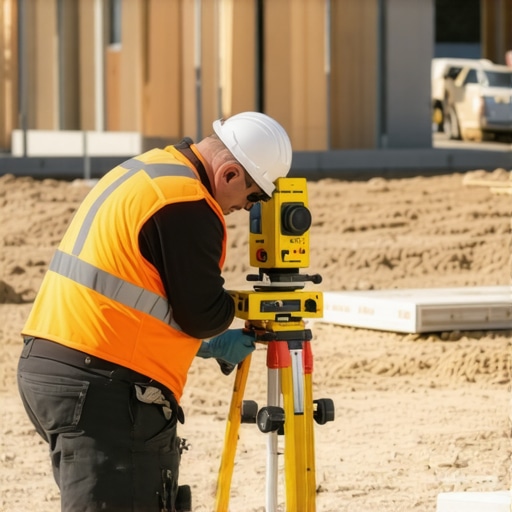
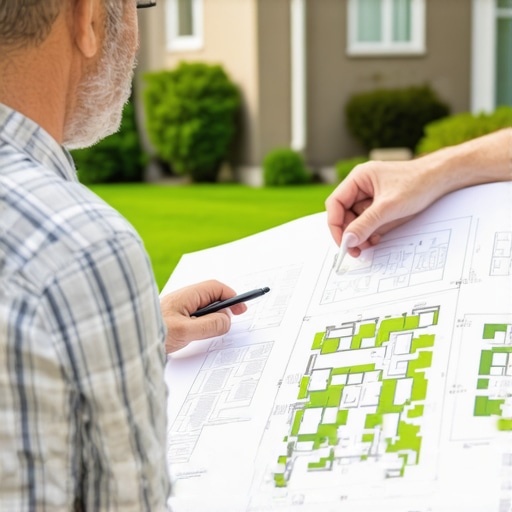
Before diving into negotiations, get a detailed survey of your property and the shared driveway. Use professional land survey reports or consult a local geotechnical engineer to pinpoint exact boundaries and easements. I learned this the hard way when misinterpreting aerial maps led to overlooked property lines, causing delays. Accurate maps prevent assumptions and set a solid foundation for negotiations. Think of this step as preparing a blueprint; it guides every subsequent decision and ensures both parties speak the same language.
Identify Stakeholders and Listen Actively
Engage all involved parties early—neighbors, homeowners’ associations, or local authorities if necessary. Schedule face-to-face meetings to discuss expectations, concerns, and past issues. During my first negotiation, I simply handed over a draft agreement, but actively listening revealed underlying fears about property damage, leading me to offer better reimbursement terms. Clear communication minimizes misunderstandings and fosters cooperation. Remember, your goal is to develop a mutually beneficial agreement, not just impose terms.
Draft a Clear, Legally Sound Agreement
Create a written document detailing usage rights, maintenance responsibilities, access times, and dispute resolution clauses. Use a template aligned with local laws, accessible via resources like this permit guide. When I drafted my first agreement, I included a clause specifying maintenance responsibilities, which prevented future arguments about snow removal. Think of this as setting the rules of the road; clarity reduces surprises during the project’s lifetime.
Negotiate Fairly and Document Commitments
Approach negotiations with flexibility. Be ready to compromise on minor points like durations or access hours to reach a consensus. Use tangible examples and data to justify your requests, such as traffic flow patterns during peak hours. During my experience, I presented traffic data from similar projects, which helped convince the neighbor to grant longer access hours. Ensure every agreement is signed and notarized if possible, and keep copies in secure locations. Proper documentation acts as your shield when disagreements arise.
Get Professional Help When Necessary
If negotiations hit a wall or legal complexities emerge, consult a real estate attorney or a land use expert. I initially tried to handle disputes myself but ended up with a convoluted agreement that required legal review. Engaging professionals like property attorneys or land planners, who can be found through trusted resources, ensures your agreement complies with local laws and safeguards your interests. This investment can save you headaches and cost in the long run.
Regularly Review and Update the Agreement
As the project progresses, circumstances change—driveway conditions, property use, or neighborhood rules. Schedule periodic reviews with your neighbors to address issues proactively. In my experience, annual check-ins helped maintain good relations and made renegotiations smoother when needed. Consider adding clauses that facilitate amendments in the future, much like updating a lease, so both parties are prepared for change.
Applying these steps turned my initial rocky negotiations into a cooperative effort, saving me months of potential disputes and project delays. When negotiating a shared driveway agreement, your focus should be clarity, fairness, and professionalism—invest the effort now, and you’ll reap peace of mind and a smoother build process later.
 When it comes to construction projects, many homeowners and even some professionals fall into common traps by oversimplifying the process, especially around permits, additions, and estimating costs. A prevalent misconception is that permits are merely bureaucratic hurdles that can be bypassed or that estimates are fixed numbers—both are dangerous myths that can lead to costly setbacks. In reality, permits involve intricate legal and safety considerations, and understanding the nuanced requirements can save time and money. For example, many underestimate the importance of aligning your project with local zoning laws, which often have specific setbacks, height restrictions, or utility regulations that aren’t immediately obvious. Neglecting these nuances could result in delays, fines, or even having to redo significant parts of the project, as discussed in detail in this guide on navigating permit requirements for additions.Maintaining your construction project’s momentum over the long term requires the right tools and a proactive approach to upkeep. I personally rely on specialized equipment and software that streamline workflows, reduce errors, and keep every component of the project in optimal condition. For instance, using a laser distance meter like the Leica Disto ensures precise measurements, minimizing costly rework. I’ve found that integrating project management software such as Procore keeps everyone aligned, reduces miscommunication, and allows for real-time adjustments, which are critical as projects scale.
Another vital aspect is establishing routine inspection and maintenance schedules. Regularly checking foundational elements, HVAC systems, and electrical wiring early on prevents minor issues from escalating into major failures. My approach involves quarterly audits complemented by detailed checklists tailored to each project phase. These checklists are based on industry best practices, like those outlined in this guide on permit and compliance management, which emphasizes the importance of ongoing oversight.
Predicting future needs is equally important. As technology evolves, tools like Building Information Modeling (BIM) are becoming indispensable for coordination and clash detection. BIM allows me to visualize long-term maintenance needs early, ensuring that systems are accessible and serviceable after project completion. This forward-thinking approach reduces costly retrofit issues down the line and provides a clear roadmap for future upgrades.
So, how do I maintain projects over time to ensure durability and performance? The answer lies in continuous monitoring, leveraging cutting-edge tools, and maintaining diligent documentation. For example, adopting a comprehensive asset management system, aligned with this expert-guided process for home additions, helps track equipment lifespan and replacement schedules.
Going forward, I believe the trend will lean heavily towards automation and IoT integration in job sites. Sensors embedded in critical infrastructure can provide live data on structural health, environmental conditions, and system performance, allowing for real-time intervention before issues become severe. This shift will not only extend the lifespan of building components but also optimize resource allocation.
To get started, I recommend selecting a highly specific maintenance tool, like my preferred laser meter, and scheduling regular inspections using detailed checklists. Incorporate software that consolidates your project data, and consider exploring BIM to anticipate future needs. Implementing these strategies now will pave the way for smoother project scaling and long-term success.
3 Surprising Truths That Changed My Approach to Driveway Negotiations
One of the most unexpected lessons I learned was the importance of documenting every detail in a shared driveway agreement—what seemed minor at first turned into a lifesaver during disputes. I also discovered that approaching negotiations with genuine empathy and openness fosters cooperation, saving time and avoiding legal headaches. Lastly, I realized that proactively revisiting and updating agreements as projects evolve can prevent future misunderstandings and build lasting neighborly trust.
My Go-To Resources for Managing Permits and Costs
For comprehensive guidance on permits and legal requirements, I rely heavily on this detailed permit navigation guide. When estimating expenses, their step-by-step estimation resource has been invaluable for keeping my budgets realistic. I also consult this expert tips compilation to optimize project value and avoid costly oversights. These tools have consistently kept my projects on track and within scope.
Your Next Step in Building Confidence and Success
Taking control of your permit and addition projects begins with understanding the nuanced legal and technical details that often go unnoticed. Embrace the learning process, use trusted resources, and don’t hesitate to seek expert advice when needed. Remember, every successful project is built on well-informed decisions—your careful preparation now will pay dividends later. Ready to start your own journey toward smoother approvals and deeper expertise in construction and permitting?