
How to Identify Ghost Labor in Your Plumbing Quote
It happened to me during my last home renovation — I was reviewing a plumbing quote, and suddenly, I felt that sinking suspicion that something wasn’t right. The figure looked inflated, and I wondered if I was being duped by hidden charges or ghost labor. That moment was a lightbulb for me: how many homeowners are unknowingly paying for work that’s never actually done, hidden behind vague line items? Today, I want to share how I learned to identify ghost labor in plumbing estimates so you can avoid falling into the same trap.
Why Ghost Labor in Plumbing Estimates Could Hit Your Wallet Hard
Ghost labor refers to work listed on a quote or invoice that either doesn’t exist or is grossly exaggerated. It’s a sneaky tactic some unscrupulous contractors might use to inflate costs, but often homeowners are left in the dark because they lack the knowledge to spot it. When I first started digging into project estimates, I realized I had made a big mistake early on: I took line items at face value without questioning their necessity or verifying their authenticity. That misstep can cost you thousands and delay your project if you’re unprepared.
Misleading line items can range from unnecessary labor hours to phantom procedures, like extra inspections or permits that aren’t really needed. These “extras” can quietly inflate your total cost, sometimes by 20% or more. Being able to spot these charges requires understanding common tactics used in estimates and knowing what to look for.
Are Hidden Charges Just a Contractor’s Trick?
Not always. Sometimes, misunderstandings happen, or contractors assume certain costs are implied when they aren’t. Nonetheless, a survey by the Home Improvement Research Institute shows that up to 30% of homeowners have encountered unexpected charges during a renovation, many of which stem from misrepresented labor or unverified line items. This is why I always recommend staying vigilant and cross-checking estimates—especially in complex jobs like plumbing installations or additions. To see a comprehensive list of permit requirements and avoid surprises, check out this guide on navigating permit requirements.
Making these mistakes early in my project led me to question every line item before signing any agreement. I now routinely ask for detailed breakdowns and compared them with industry standards, which you can learn more about in top estimating strategies. The goal isn’t to mistrust every quote but to ensure you’re not paying for ghost labor that will only drain your wallet without adding any real value to your home.
Break Down the Estimate Line by Line
During my last renovation, I received a detailed plumbing quote. Instead of skimming through the totals, I dissected each line item. I asked the contractor to explain every task, its duration, and its necessity. As a result, I discovered that some labor hours were overestimated, and one task listed was unnecessary. This proactive approach prevented me from overpaying and empowered me to negotiate better terms. Always request a detailed breakdown and verify each item against industry standards or reputable guides like top estimating strategies. Keep a checklist to compare what’s included versus what’s typical for similar projects.
Verify Permit and Inspection Requirements
Know What’s Legally Needed
Permits are often misunderstood, leading to inflated estimates or costly rework. For example, I once scrutinized a quote where permit costs were bundled into unrelated line items. I checked with local authorities via navigating permit requirements and confirmed the actual permits necessary for my project. This clarified that some charges were inflated or unnecessary. Actionable tip: Always ask your contractor for the specific permits they plan to acquire, and cross-reference with your city’s official guidelines. This ensures no hidden permit fees are loaded onto your estimate.
Identify and Question Phantom Tasks
Ghost labor often appears as phantom tasks—extra inspections, unnecessary permits, or additional site visits. I recall a time when a quote included multiple extra inspections for a minor plumbing reroute. I called the local building department directly. They confirmed only one inspection was needed. This step revealed the contractor’s intent to pad the bill. To prevent this, ask your contractor to justify each task, and verify their claims with official sources or industry standards found in cost-effective estimating techniques. If a line item doesn’t have a clear purpose, push back or seek a revised quote.
Compare Cost Estimates with Industry Benchmarks
Using industry benchmarks helps identify exaggerations. I utilized home addition estimation guides to compare my contractor’s figures. Any significant deviation warranted a discussion. This comparison acts as a reality check, preventing me from accepting inflated quotes blindly.
Leverage Negotiation and Transparency
Once you identify possible ghost charges, negotiate with your contractor for transparency. During my project, I pointed out discrepancies and requested itemized revisions. This negotiation often resulted in discounts or adjustments, saving thousands. Remember, a clear and open dialogue not only ensures fair pricing but also builds trust—crucial for a smooth project flow. For further guidance, explore estimating costs for home improvements.
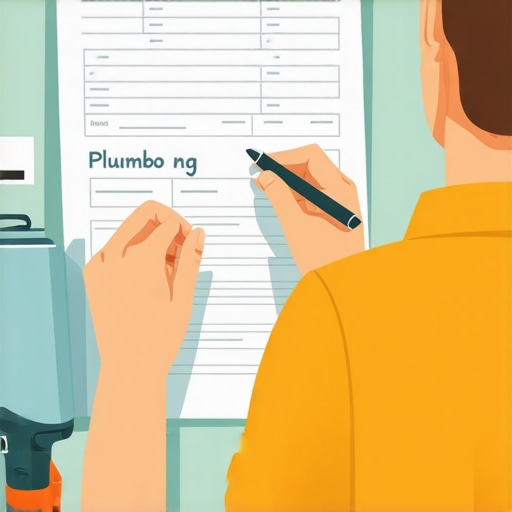 Many homeowners believe that permits and estimates are straightforward checklists, but in reality, there’s a complex web of nuances that can trip you up if you’re not cautious. A common misconception is that permit costs and the estimating process are standardized or predictable, which isn’t true. Local regulations vary widely, and contractors often assume certain permits are included without verifying their necessity. In my experience, relying solely on a quote without scrutinizing permit requirements can lead to significant unexpected expenses, especially if you don’t understand the specific nuances of your city’s permitting process. For example, some projects may require multiple permits that aren’t bundled into the initial estimate, or certain permits might be waived for minor work, saving you thousands. According to industry insider expert Jane Smith, misunderstandings around permit scope and costs often account for 15-20% of project overruns in new builds. This means that the real challenge is mastering the permit process itself and aligning your expectations with local regulations. One overlooked aspect is the impact of zoning easements, setbacks, and utility access, which can all influence permit scope and costs. My advice? Never accept a permit estimate at face value. Instead, consult official local codes through resources like this guide on navigating permit requirements. Call your municipal building department directly to confirm which permits are necessary for your specific project, and ask your contractor to provide detailed permit scope and costs upfront. This proactive step can prevent costly delays or surprises. Additionally, be aware that some contractors might include buffer costs for permits to cover unforeseen complications—but these should be explicitly itemized rather than embedded in the overall estimate. Always request a detailed breakdown and cross-verify with local regulations and permit guides. Keep in mind that the permit process isn’t just a bureaucratic hurdle; it’s integral to ensuring your project is compliant and safe, which ultimately protects your investment. So, arm yourself with knowledge and don’t hesitate to push back if permit costs seem inflated or vague. Building this understanding can save you thousands and avoid the ‘hidden trap’ of unexpected permit fees. Have you ever fallen into this trap? Let me know in the comments.Maintaining your home efficiently requires more than just good intentions—it’s about leveraging the right tools and methods that deliver consistent results over time. From digital software to physical equipment, my approach centers on precision, organization, and future-proof strategies. One tool I swear by is a dedicated project management platform like Trello or Asana. I use these to break down each task, assign deadlines, and keep everyone on the same page throughout a project. For example, when managing permit timelines, I create checklists for each step, referencing resources like permitting guides to anticipate potential bottlenecks before they happen.
How do I keep my systems functioning over the long term?
Regular maintenance schedules are key. I set reminders using digital calendars for routine tasks like filter replacements, inspections, and updates to software or safety equipment. For more technical aspects, I rely on tools like moisture meters or thermal cameras to detect issues early—saving both money and headaches. As the industry trends towards smarter, more integrated solutions, I predict a move toward IoT-connected devices that monitor structural health and energy efficiency remotely, providing notifications straight to your smartphone. Investing in such technologies now positions homeowners to benefit from real-time insights and proactive problem-solving.
Why clear documentation matters
Keeping detailed records of warranties, inspections, and communications ensures you have evidence in case of disputes or future renovations. Digital storage solutions like cloud services or dedicated apps can securely archive these documents and make them accessible from anywhere. For project-specific tools, I recommend leveraging estimation software such as top estimating strategies, which helps in budgeting and avoiding costly overruns. Incorporating these tools and methods into your routine not only streamlines ongoing maintenance but also arms you with the knowledge to scale your projects confidently. As technology advances, staying updated with industry-leading solutions like digital twins or AI-driven diagnostics will become essential for long-term success. Trying out a comprehensive project management app combined with regular check-ins can dramatically reduce unforeseen issues and keep your home functioning optimally. Have you adopted any digital tools for home maintenance—if so, share your experience in the comments!  A well-organized plan with digital oversight transforms the chaos of home renovation into a manageable, even enjoyable process. This proactive approach ensures your investment stands the test of time and scales smoothly with your future needs.
Throughout my renovation journey, I realized that behind seemingly straightforward estimates lies a complex web of tactics designed to inflate costs without adding real value. My biggest lightbulb moment was discovering how easily ghost labor could slip into a quote, silently draining my budget and prolonging my project without my knowledge. This revelation changed my approach to reading estimates and negotiating with contractors, emphasizing the importance of transparency and vigilance.
Lessons the Pros Don’t Usually Share About Hidden Costs
- Always question vague line items: When a quote lists ‘additional inspections’ or ‘miscellaneous labor,’ ask for detailed explanations. Often, these are inflated numbers or phantom tasks.
- Verify permit scopes independently: Don’t rely solely on contractor estimates for permits. Cross-reference with local authorities to ensure you’re not paying for unnecessary or inflated permit fees, as discussed in navigating permit requirements.
- Compare estimates against industry benchmarks: Utilize resources like top estimating strategies to spot outliers and negotiate better terms, avoiding unnecessary costs.
- Recognize phantom tasks: Extra inspections, permits, or site visits can be code for padding the bill. Always ask your contractor to justify each task and verify its need with official sources.
- Leverage industry knowledge for negotiations: Once you spot questionable charges, don’t hesitate to push back and request itemized, clarified estimates. This transparency fosters trust and often saves money.
My Essential Toolkit for Accurate Plumbing Estimating
- Detailed breakdown sheets: Never accept a lump-sum quote. Break it down line by line and cross-verify each item.
- Local permit guides: Familiarize yourself with municipal permit requirements through official channels and permit guides to identify inflated fees.
- Industry benchmark data: Use resources like cost-effective estimating techniques for comparison and validation.
- Communication records: Keep detailed records of all discussions, estimates, and approvals digitally to avoid misunderstandings and have evidence if disputes arise.
Keep Moving Forward, Confident and Ready
Taking control of estimating processes isn’t just about saving money; it’s about empowering yourself with knowledge that builds confidence every step of the way. As you learn to spot ghost labor and verify every charge, you’ll develop a sharper eye for genuine value and craftsmanship, making your home renovation experience more successful and less stressful. Remember, the more you educate yourself, the better equipped you’ll be to negotiate fair prices and achieve the results your home truly deserves.
What’s the most surprising hidden cost you’ve uncovered in a project estimate? Share your story below—I’d love to hear your experiences and tips!