How to Compare Construction Bids Side-by-Side
It was a sunny Saturday morning when I finally decided to tackle the giant pile of construction bids sitting on my desk. I had been dreaming of expanding my home for months, but the seemingly endless stream of estimates made my head spin. One bid looked too good to be true, the next was packed with confusing line items, and several others seemed to overlap in ways I didn’t understand. It hit me then—how was I supposed to compare these bids fairly and confidently? That lightbulb moment made me realize that many homeowners like you and me struggle with this very challenge.
The Secret to Comparing Construction Bids Without Losing Your Mind
Many people jump into financing or signing contracts without truly understanding what they’re getting. And honestly, I made a pretty big mistake early on—I didn’t ask detailed questions about line-item costs, which led to surprises down the road. That’s why I want to share what I’ve learned so you can avoid the pitfalls I encountered.
Will Comparing Bids Really Help Me? Or Is It Just Overkill?
You might be thinking, “Is all this comparing really worth it?” Trust me, it is. Comparing bids side-by-side provides clarity. It reveals which contractor offers value, which ones might be cutting corners, and helps ensure you’re not paying extra for unnecessary work. As noted by the Home Improvement Research Institute, homeowners who compare multiple bids typically save between 10% to 20% on their projects, simply by evaluating what’s included and what’s not (source). This process arms you with the knowledge to make informed decisions, preventing cost overruns and subpar workmanship.
Early in my journey, I also learned that some bids hide costly extras or double-bill for items like debris removal, which can skyrocket your budget unexpectedly. Recognizing these common sneaky tactics makes all the difference.
Ready to break down the process step-by-step? Next, we’ll look into how to gather clean, comparable bids and spot the red flags that could turn your dream project into a nightmare.
Gather Clear and Detailed Bids
Start by requesting detailed bids from multiple contractors, ensuring each includes itemized costs for labor, materials, permits, and other expenses. Use a consistent bid template to make comparison easier. I remember once I received a bid that lacked specific line items, which made it impossible to verify costs. I had to follow up repeatedly, delaying the project. To avoid this, clearly specify what should be included in each bid, referring to resources like estimating guides.
Standardize Bids to Compare Apples to Apples
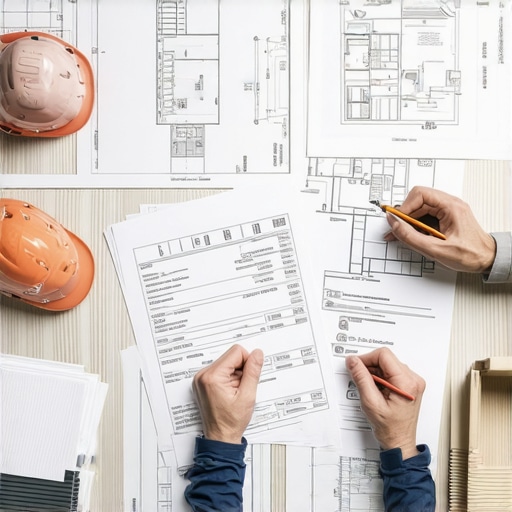
Align each bid to a standard format by creating a spreadsheet where each line item corresponds across bids. For example, compare the cost of foundation work, framing, roofing, HVAC, and finishes side by side. My experience shows that inconsistent terminology or grouping can hide higher costs; for instance, one contractor listed “site preparation” separately, while another bundled it with foundation costs. Using a uniform comparison sheet helps reveal these differences clearly.
Identify Hidden and Overlapping Costs
Carefully review each bid for overlapping or hidden charges. Look out for double billing for debris removal or permits. I once caught a bid that included a permit fee twice—once as a separate line item and again embedded within labor costs. To spot such issues, familiarize yourself with typical project costs through top estimating strategies. This diligence prevents surprise expenses later on.
Check Contractor Credentials and Past Work
Verify each contractor’s license and insurance status. Request references or project photos to ensure quality standards. I learned this the hard way when I hired a contractor who had impressive bid numbers but lacked proper licensing, leading to legal hassles. Use local contractor directories or contact us for vetting options.
Compare Permitting Timelines and Processes
Ask each contractor about their permit acquisition process and timeline. Delays often stem from permit issues; understanding each firm’s approach can help you plan accordingly. I once chose a contractor who promised quick work but was unfamiliar with local permit procedures, resulting in weeks of hold-ups. For smooth progress, review local permit requirements at permit processes.
Assess Cost-Effectiveness, Not Just Price
Finally, look beyond the lowest bid. Evaluate the quality of materials proposed and the contractor’s experience with similar projects. Higher-quality work might cost a bit more upfront but saves money on repairs and rework later. I found that a bid with slightly higher material costs resulted in a more durable finish, saving me from costly repairs down the line. This comprehensive approach ensures you get the best value for your investment.

Contrary to popular belief, many homeowners assume that accurate budgeting revolves solely around getting the right bid. However, the real nuance lies in understanding the subtle complexities that can trip you up even when estimates seem precise. For example, a common myth is that permits are a straightforward formality that won’t significantly impact your project costs. In reality, as detailed in permitting guides, delays and hidden fees can inflate costs by 15% or more, especially if you overlook local regulations or fail to account for permit upgrade requirements.
Another misconception is that the lowest bid is necessarily the best value. While initial costs are tempting to focus on, many don’t realize that undervaluing materials or skipping critical structural components can result in skyrocketing repairs or safety issues down the line. This highlights the importance of a holistic evaluation that balances cost with quality. As experts suggest, referring to estimating strategies ensures comprehensive understanding of what is truly included.
Why Does Overlooking Minor Details Cost So Much?
One overlooked aspect is the nuance in estimating labor versus material costs. Many project managers underestimate how over-engineering or design changes midway through construction can balloon expenses. For instance, a small reinforcement change might seem negligible initially but can extend project timelines and increase labor hours disproportionately. According to research by the Construction Estimating Institute, such adjustments could add 10-20% to your total budget if not anticipated early. Therefore, detailed initial estimates, including contingency plans, help mitigate these hidden costs.
Furthermore, understanding the permitting process’s intricacies is crucial. Homeowners often assume permits are mere bureaucratic hurdles, but permit approval tips reveal that navigating local codes requires strategic documentation and timing. Small missteps, like failing to include necessary structural calculations or failing to secure proper approvals, can lead to costly reworks, project delays, or even fines.
Of particular interest is the misconception that permit timelines are uniform across jurisdictions. In reality, delays are highly variable and often unpredictable, especially when your project intersects with zoning rules or environmental regulations. Being proactive and familiar with local regulations can make the difference between a smooth process and a budget-busting nightmare. Don’t forget—early permit application submissions and thorough documentation can save you thousands in unexpected costs.
In conclusion, the key takeaway is that meticulous planning, detailed estimation, and a deep understanding of local regulations are essential for avoiding these common pitfalls. Don’t let misconceptions or overlooked nuances derail your project or inflate your budget. Instead, educate yourself further through trusted sources and expert advice. Have you ever fallen into this trap? Let me know in the comments.
Building and expanding your home isn’t a one-and-done job; maintaining quality and ensuring everything keeps working smoothly over time requires the right tools and a proactive mindset. From software that helps you stay organized to physical equipment that guarantees precision, I rely on specific solutions that have proven invaluable in my projects.
First and foremost, I can’t recommend enough the use of **Construction Management Software like CoConstruct**. I personally use it to track timelines, manage permits, and coordinate with subcontractors. Its detailed dashboards make it straightforward to monitor progress and catch issues before they escalate. For example, maintaining a detailed schedule helps prevent delays caused by overlooked permit expirations or pending approvals.
Moreover, **accurate measuring tools are non-negotiable**. A high-quality laser distance meter, like the Leica Disto series, has saved me countless hours—simply point and click to get precise measurements even in tricky spaces. This accuracy ensures that installations, whether framing or cabinetry, fit perfectly and reduces costly rework.
In terms of long-term results, I always emphasize **regular site inspections using thermal imaging cameras**. These tools help identify insulation gaps and moisture leaks early, preventing issues that could compromise the building’s integrity down the line. Investing in such diagnostic tools might seem expensive initially, but they pay for themselves by catching problems early.
Looking ahead, I believe the integration of **smart sensors throughout new builds** will become standard. These sensors can monitor structural health, detect water leaks, or track environmental conditions, alerting homeowners or managers promptly. Embracing these innovations now positions your home for efficient maintenance and longevity.
**How do I maintain the overall functionality of my home over time?** Consistent preventive maintenance is key. Establishing a regular inspection schedule—checking plumbing for leaks, HVAC systems for efficiency, and electrical outlets for wear—helps address issues proactively. I also keep detailed logs using digital tools like Notion, which remind me when maintenance tasks are due and record past repairs for future reference.
Finally, investing in quality, versatile tools not only ensures precise work today but reduces long-term costs by minimizing rework and repairs. For instance, using a **multi-tool like the Fein MultiMaster** allows you to handle various tasks—cutting, sanding, scraping—which simplifies maintenance and renovations.
As the trend points toward smarter, more connected homes, staying equipped with reliable, up-to-date tools is essential. Consider testing one of these advanced solutions in your next project—like integrating thermal imaging or smart sensors—to enhance your home’s performance and durability. For expert advice tailored to your situation, don’t hesitate to contact us for personalized recommendations.
3 Hidden Pitfalls I Fell Into When Comparing Bids
One of my biggest lightbulb moments was realizing that not all bids are created equal; some hide costs that surface later, catching homeowners off guard. I once overlooked overlapping costs, which resulted in unexpected expenses during the project. These mistakes taught me to scrutinize every line item carefully and request detailed breakdowns.
Another lesson was understanding that bids might use different terminologies or groupings, making it tricky to compare them directly. Standardizing each bid into a reference spreadsheet helped me identify discrepancies and ensure I wasn’t missing hidden charges. Lastly, I learned that the lowest price isn’t always the best value; considering material quality and contractor credentials is crucial for a successful project.
Tools & Resources That Transformed My Approach
My essential toolkit began with construction management software like CoConstruct, which streamlined scheduling, permit tracking, and communication. For precise measurements, I rely on the Leica Disto laser distance meter—saving time and reducing errors. When it comes to diagnosing potential issues early, thermal imaging cameras have been invaluable for identifying insulation gaps or moisture leaks—preventing costly repairs down the line.
Additionally, I consult trusted guides on accurate estimating strategies and permit process insights. These resources deepen my understanding, enabling smarter decisions and smoother project flow.
Take Control and Keep Your Projects Moving Forward
Your journey into mastering bid comparison and project management is just beginning. Arm yourself with detailed estimates, reliable tools, and knowledge of local regulations to keep costs in check and quality high. Remember, informed homeowners are empowered homeowners. Every project is an opportunity to learn and improve—so don’t shy away from asking questions or seeking expert advice. What’s the biggest challenge you’ve faced during bid comparison? Share your experiences below and let’s grow together.