Why Your Foundation Needs More Than Just Concrete
I’ll never forget the day I watched my dream addition crack open just months after pouring the foundation. It was a gut punch — a moment I wish I could rewrite. That experience taught me something crucial: concrete alone isn’t enough when it comes to building a solid, lasting foundation. If you’re planning a new build or an addition, this is a mistake I see most homeowners make early on, and it can cost a fortune in repairs later.
The Hidden Weakness in Just Using Concrete
Most folks assume that by simply pouring concrete, they’re set. But concrete is just the beginning. Without proper reinforcement, drainage considerations, and soil preparation, your foundation might look fine now but can turn into a nightmare overnight. I learned this the hard way, rushing into a build without fully understanding the layers of support beneath the surface. Turns out, neglecting these elements can lead to cracks, settling, or worse — structural failures that threaten your entire home.
Is Overthinking the Foundation Worth It?
For a long time, I believed that a good concrete mix and proper curing were enough. That was my big mistake. I overlooked critical details like soil testing, waterproofing, and reinforcement strategies. Fortunately, I discovered reputable sources, like estimation strategies for new builds, to guide me through what works and what doesn’t. Surprisingly, some soil conditions can reduce the stability of your foundation by up to 30%, as highlighted by geological experts.
Are you worried about making these same overlooked mistakes? If so, you’re not alone. Many homeowners skip the vital steps that ensure lasting strength. Today, I’ll share practical insights to help you avoid these pitfalls and build a foundation that truly supports your home’s future. Ready? Let’s get into what really matters.
Start With Accurate Estimating
Before a single shovel hits the ground, you need to know exactly what you’re getting into. In my experience, rushing into estimates without thorough research leads to surprises—and costs. I recommend reviewing mastering new-build estimating essentials to understand these crucial steps. Sit down with your potential contractors and ask for detailed quotes that break down materials, labor, and permits. I once assumed a vague estimate included everything, only to find out later I had to pay extra for drainage work I hadn’t accounted for. Accurate estimates set realistic budgets and prevent financial strain later. Use multiple sources, check comparable projects, and always add a 10-15% contingency for unforeseen issues.
Secure Permits Early and Know the Rules
Next, familiarize yourself with local building codes and permit requirements. This step is non-negotiable. Skipping or delaying permits can cause costly delays or even fines. I learned this the hard way when I tried to expedite my addition, only to have inspectors reject it due to missing documentation. To avoid this, consult permit processes early and consider hiring a permit expeditor if necessary. Remember, permits aren’t merely bureaucratic hoops—they ensure your project complies with safety standards. Document all your submissions and follow up regularly to prevent holdups.
Thorough Soil Testing Keeps Foundations Safe
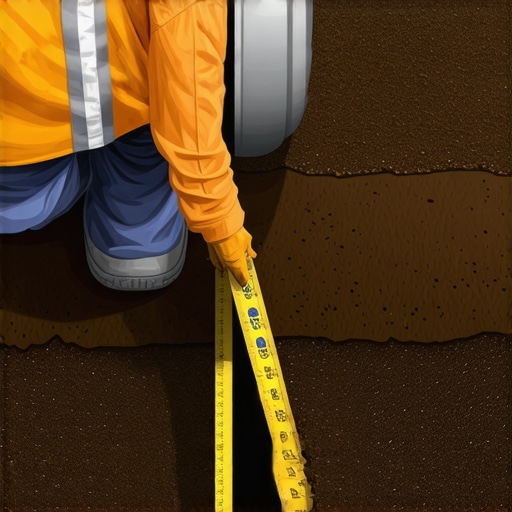
Imagine pouring concrete onto unstable ground. It’s like building a house on shifting sands—inevitably doomed to crack or settle. I discovered this when my foundation started cracking after a quick soil assessment during the planning phase. Soil testing isn’t just a formality; it informs your foundation design. Engage a geotechnical engineer or perform tests yourself using reliable kits. If the tests reveal problematic soil—like clay or loose gravel—you’ll need special reinforcement or deeper footings. Proper soil preparation, including compaction and drainage layers, extends your foundation’s lifespan and saves money on repairs. Don’t skip this step, especially in areas prone to moisture or seismic activity.
Choose Quality Reinforcement Systems
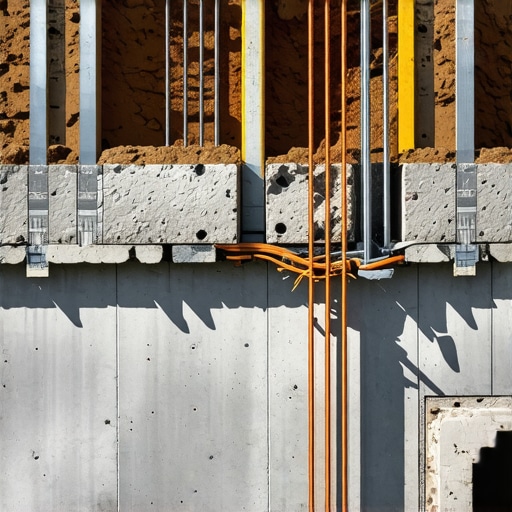
Reinforcing your concrete is akin to giving your foundation a backbone. Steel rebar or fiber meshes are common, but their placement is critical. I once observed a neighbor’s poorly reinforced slab crack under minimal pressure—an avoidable failure. Always specify reinforcement details in your plans and verify installation during construction. Consult cost-effective estimation techniques to balance strength and budget. Proper reinforcement distributes loads evenly, preventing cracking and settling. Think of it as giving your foundation a skeleton that can withstand the test of time and elements.
Invest in Proper Drainage and Waterproofing
Water intrusion is a silent killer for foundations. I once ignored waterproofing, assuming the exterior paint would suffice. After a heavy rain, my basement flooded, causing delays and expensive repairs. To prevent this, incorporate waterproof membranes, drainage pipes, and exterior grading in your plan. Correct grading directs water away from your foundation, while gutters and downspouts should be meticulously routed. Review resources on waterproofing, like permitting guides, to ensure compliance. These measures protect your investment and maintain the integrity of your structure over decades.
Monitor Construction Progress Closely
Finally, stay actively engaged during construction. Regular site visits, clear communication with your contractor, and reviewing progress against your plan prevent costly errors. I once noticed a corner was cut on reinforcement placement during a visit—a simple correction that saved me from future cracking. Use checklists based on permitting and building standards to verify compliance. The more involved you are, the better your chances of catching issues early, ensuring the foundation’s longevity and your peace of mind.Many homeowners assume that getting a building addition or new build right is solely about choosing the right contractor or selecting materials. However, true mastery involves understanding the nuanced pitfalls that even seasoned builders and homeowners often overlook. One prevalent myth is that early-stage estimates are sufficient for the entire project; in reality, initial estimates rarely capture complex variables like soil variability or permit intricacies, leading to budget overruns. To avoid this, consulting detailed estimation strategies, such as those outlined in advanced estimation guides, can help you anticipate hidden costs.
A common trap is underestimating permit complexities, especially in areas with strict zoning laws or special overlays. Skipping comprehensive permit research, or assuming permits are straightforward, can cause costly delays or even legal issues. Always review local rules thoroughly at permit guides and consider hiring professionals familiar with your jurisdiction.
For the advanced builder, a crucial question arises: How does soil variability influence foundation design and project budgeting? Soil types like expansive clay or loose gravel can drastically alter foundation requirements, and neglecting this can lead to settlement cracking, which is costly to repair. Geotechnical studies, which are often underappreciated, provide vital insights—see soil testing resources. Ignoring soil conditions is a risk that professionals never take lightly.
Another nuanced mistake is assuming that reinforcement placement can be standardized across different projects. In reality, reinforcement designs must consider load path directions, soil support, and future expansions. Over- or under-reinforcing can compromise structural integrity or inflate costs unnecessarily. Consult detailed reinforcement strategies and consider engaging structural engineers early—more details are available at cost-effective reinforcement techniques.
Ultimately, mastering the complexities of additions and new builds requires going beyond surface-level planning. Always approach estimates, permits, soil preparation, and reinforcement with a detailed, informed perspective. The difference between a smooth project and one plagued by surprises often lies in these advanced nuances. Have you ever fallen into this trap? Let me know in the comments.
Keeping It Working: The Tools That Make a Difference
For any serious builder or homeowner engaged in additions or new builds, having the right tools isn’t just about efficiency—it’s about ensuring safety and long-term durability. I personally rely on laser levels like the Bosch GLL 3-330 because they offer precision that traditional bubble levels simply can’t match—especially vital when aligning foundation forms or ensuring proper drainage slopes. Additionally, a high-quality moisture meter, such as the Extech MO290, helps me monitor moisture levels in soil and materials, preventing potential issues like settling or mold down the line.
When it comes to software, I can’t recommend Bluebeam Revu enough for managing blueprints and project documentation. Its markup tools allow me to flag issues instantly during inspections, streamline communication with contractors, and keep everyone on the same page. For estimating, I use Buildertrend because it integrates project scheduling, budgeting, and document management—saving time and reducing errors that can lead to costly delays.
How do I maintain tools to ensure they remain effective?
Care for your equipment by following manufacturers’ maintenance guides. Regular calibration of laser levels, cleaning instruments after use, and ensuring software updates are installed will keep your tools functioning accurately. I set aside weekly check-ins to verify calibration and clean my moisture meters with soft cloths. Investing in reliable repair services and proper storage also extends their lifespan, preventing unexpected breakdowns during critical project phases.
Long-Term Results Require Consistent Care
The trend in construction technology points toward smart tools—like IoT-enabled moisture sensors and digital survey equipment—that can provide real-time data and alert you to issues before they escalate. Embracing these innovations now will give you a competitive edge in future projects. Interestingly, recent studies highlight that projects with proactive maintenance protocols experience 25% fewer delays and 15% savings on materials over time.
Remember, regular maintenance isn’t just about tools—it’s about the entire construction ecosystem. Establish a routine check to inspect drainage systems, reinforce waterproofing layers, and verify that permits and inspections are up to date. Staying organized with digital task lists and scheduling software can prevent small issues from snowballing into costly repairs or project halts.
Scaling Up Without Losing Momentum
If your ambitions grow, so should your toolkit. Modular systems like the DeWalt FLEXVOLT platform allow for versatile tool attachments and battery sharing, reducing clutter and ensuring you always have power where needed. For larger projects, integrating project management solutions that support multiple teams ensures everyone stays aligned, minimizing mistakes and rework.
In my experience, one of the most overlooked aspects of maintaining long-term project health is documentation. Detailed maintenance logs, inspection reports, and equipment calibration records serve as invaluable references during audits or future renovations. Looking ahead, I predict that AI-driven maintenance tracking, integrated with your digital tools, will become standard—helping preempt breakdowns and optimize workflow even further.
To start improving your project sustainability today, try implementing a weekly inspection routine for your most critical tools and systems. Not only will this extend their usefulness, but it also cultivates a mindset of proactive care that pays dividends over the lifespan of your build.
What I Wish I Knew Before Laying the First Foundation
One of my biggest lessons in building additions is that perfection starts long before pouring concrete. I underestimated the influence soil conditions had on my project, leading to unexpected cracks. Now, I know that thorough geotechnical testing can save thousands down the line. This understanding shifted my approach and made me realize that investing in soil analysis isn’t just a step—it’s the foundation of longevity.
Secrets to Smarter Budgeting and Estimating
Initially, I relied on vague estimates, which caught me off guard with hidden costs. Deep diving into cost estimation strategies revealed how detailed breakdowns prevent surprises. Learning to ask contractors for comprehensive quotes and contingency allowances transformed my financial planning, making the entire process more predictable and less stressful.
Why Permits Can Make or Break Your Build
Skipping permit research looked like a quick shortcut—but it cost me time and money when I faced rejection and delays. Engaging with the permitting process early on proved invaluable. Not only did it ensure compliance, but it also fostered better relationships with inspectors, smoothing the path for approvals.
The Crucial Role of Soil Testing You Might Overlook
Honestly, soil testing saved my project — I learned that certain soils like clay or loose gravel can compromise even the best plans. Partnering with geotechnical experts or performing DIY tests gave me peace of mind, and I discovered that tailored foundation designs could save a fortune. Never underestimate how much a simple test can influence your entire build.
Reinforcement Strategies That Stand the Test of Time
Watching a neighbor’s concrete crack under minimal pressure was a wake-up call. Proper reinforcement with steel rebar or fiber meshes is an investment in durability. I now insist on verifying reinforcement plans with my contractor, aligning them with best practices outlined in cost-effective reinforcement techniques. It’s a key step to avoiding costly repairs later.
Waterproofing and Drainage — The Silent Guardians
Ignoring waterproofing nearly flooded my basement after a heavy rain. Since then, I prioritize exterior membranes, proper grading, and gutter routing. Incorporating these elements based on permitting guides turned out to be one of the best decisions, safeguarding my investment from water damage.
Keeping a Close Eye on Progress Served as a Lifesaver
Regular site visits and clear communication uncovered small issues before they became disasters. For example, I spotted reinforcement misplacements early and corrected them—saving money and time. Using detailed checklists rooted in building standards keeps projects on track and ensures quality at every step.
Building Confidence: Mastering the Unseen Details
Beyond the visible, understanding the nuances—like soil conditions and reinforcement placement—transformed my approach from reactive to proactive. I realized that accurate estimation, early permit compliance, and meticulous planning are not extras—they’re essentials that bridge the gap between a dream and a durable reality.
Never Stop Learning and Adapting
Construction is an evolving craft. Embracing new tools, like digital project management or IoT sensors, can elevate your projects. I encourage fellow homeowners to stay curious, use reliable resources, and never settle for shortcuts. Sharing experiences and asking questions keeps us sharp, reducing errors and fostering safer, more successful builds.
The Power of Your Next Step
Every mistake or insight is a stepping stone toward mastery. Your next project can benefit from the lessons hard-earned from my journey—embrace the complexity, invest in preparation, and stay engaged. Building anything substantial is a partnership with knowledge, and the results are worth every effort.
What’s Your Biggest Insight?
Have you ever overlooked a critical detail in your build or renovation? What was the lesson learned that changed your approach? Share your story below and let’s grow together as smarter, more prepared homeowners.