Stop Paying for Waste Removal You Didn’t Generate
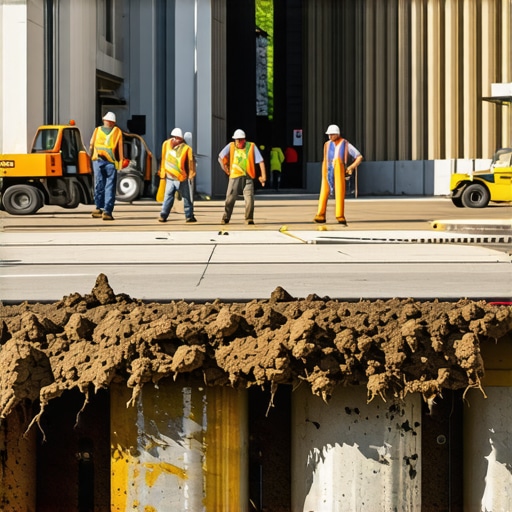
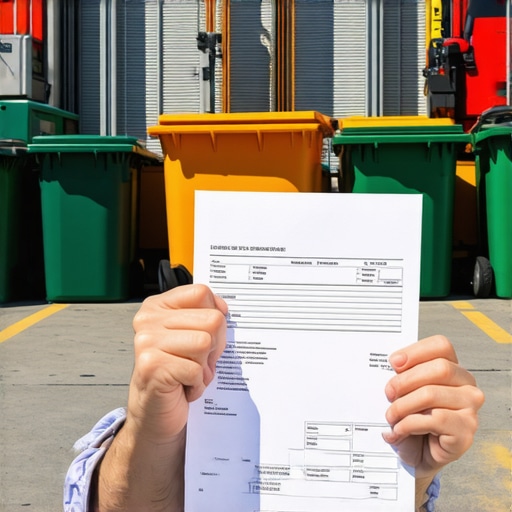
It happened to me just a few months ago. I was rushing to get my new build project underway when I received a bill from the waste removal company. But here’s the kicker—I didn’t even have that much waste! It was a frustrating moment of realization: I was paying for debris and waste that wasn’t mine to clear. That lightbulb moment made me dig deeper into waste management, revealing how easy it is to get caught up in paying for what you didn’t produce.
Why Unnecessary Waste Removal Costs Hurt Your Budget—and Your Peace of Mind
Every builder or homeowner likes to think they’re in control of their project expenses. But when it comes to waste removal, many of us unintentionally open the door to overspending. Excess charges often stem from misestimating the actual waste you generate or failing to communicate clearly with service providers. This oversight can lead to paying hefty fees for debris removal, even when your site doesn’t need it. Over time, these unnecessary costs can add up, making your project more expensive and stressful than it needs to be.
From my personal experience, I learned that the key lies in understanding what waste removal services actually cover and how to ensure you’re only billed for what you truly generate. It might sound simple, but a lot of folks overlook the importance of proper planning and clear communication. Additionally, not knowing the local regulations about waste disposal can result in service providers charging for excessive pickups or oversized bins that weren’t necessary. That’s why it’s crucial to be proactive and informed from the start.
According to a recent industry report, inefficient waste management can inflate construction costs by up to 15%. Clearly, there’s a lot at stake—and not just your wallet, but also your project’s timeline and environmental footprint. To keep things on track, I recommend taking a strategic approach: plan your debris removal, select the right service provider, and negotiate terms that reflect your actual needs. This way, you clamp down on unnecessary charges and avoid paying for waste you didn’t produce.
If you’ve faced similar frustrations with waste removal costs spiraling out of control, you’re not alone. Many construction projects and home renovations fall victim to this hidden drain on resources. So, let’s explore how to avoid these pitfalls and make waste management work for you rather than against you.
Is Waste Removal Overcharging Really a Common Issue?
Early in my journey, I made the mistake of assuming that all waste removal services were straightforward and transparent. I didn’t realize how often companies inflate their charges due to vague estimates or miscommunication. This overcharging isn’t just my story; it’s a widespread issue that can cost homeowners and builders thousands annually. For a detailed breakdown of how to assess waste removal quotes and ensure you’re not overpaying, check out this insightful guide.
Understanding these common pitfalls is the first step in protecting yourself. Clear, detailed estimates and proper disposal planning can save you money and stress. Plus, working with a reputable service provider who offers transparent pricing can make all the difference.
In the next sections, I’ll walk you through actionable steps to manage waste removal intelligently—from estimating your debris to negotiating service terms—so you only pay for what’s truly necessary. Ready to take control and save some cash? Great! Because avoiding unnecessary waste removal charges is easier than you think, and it all begins with being prepared and informed.
Identify Your Actual Waste Needs Early
Start by assessing the scope of debris your project will generate. For example, during my last build, I scheduled a walkthrough with my contractor to estimate debris volume based on the plans. This step prevents overordering or booking unnecessary removal services. Use detailed plans and discuss materials exactly to avoid surprises later. Engaging early in this process ensures you only plan for the waste you’ll genuinely produce. For efficient planning, review cost-effective estimating techniques that include waste projections.
Shard Your Waste into Manageable Categories
Break down the debris into categories like wood, drywall, concrete, and metals. During my project, I personally sorted and weighed waste for the first two weeks, which revealed that drywall accounted for over 50% of the debris. This insight helped me negotiate with waste removal companies to tailor pickups specifically to these categories. Use this data to request precise quotes and avoid generic pricing which often inflates costs. Precise waste categorization allows for better disposal planning and can lower your service charges by avoiding unnecessary pickups.
Negotiate Service Terms with Local Providers
Contact multiple waste removal companies and discuss your project’s specifics. Present your waste categories and estimated volumes to get accurate quotes. When I reached out to a local provider, I shared my waste estimates and asked if they could customize pickup schedules. They appreciated the transparency and offered a discounted rate for smaller, more frequent pickups. Remember, many companies pad their estimates to cover unpredictable costs; being proactive and clear can save you from these hidden fees. Learn how to negotiate effectively with service providers to lock in fair prices.
Implement Waste Management Best Practices on-site
Set up designated areas for sorting debris as you work. This proactive step prevents contamination between categories, which can lead to extra charges. For example, I designated separate bins for drywall and wood on my site. At the end of each day, I worked with my team to ensure debris was sorted correctly. This compliance reduced the risk of extra fees for improper disposal. Consistent on-site organization streamlines the removal process and keeps costs predictable.
Document Everything and Review Charges Carefully
Keep detailed records of waste disposal receipts, pickup schedules, and correspondence. When reviewing your invoice, compare what was billed against your initial estimates. During my last project, discrepancies prompted me to consult the provider, leading to a refund for overcharged pickups. Always double-check for hidden fees such as overage surcharges or extra-trip charges. Being vigilant saves money and reinforces your position if disputes arise.
Leverage Permitting and Local Regulations
Familiarize yourself with local waste disposal regulations and permit requirements. Securing the proper permits prevents surprise fees and ensures compliance. I consulted permit processes early, which helped me avoid fines or additional charges from regulatory agencies. Aligning your waste management plan with local laws keeps costs down and maintains project momentum.
Many homeowners and even seasoned builders fall into the trap of oversimplifying the complexity behind estimating and permitting for new builds and additions. While most assume that obtaining permits is a straightforward bureaucratic step and that estimates are just about adding up costs, the reality runs much deeper. Navigating these nuances requires a keen eye and insider knowledge that can save you from costly mistakes.
One common myth is that permits are just a formality. In truth, permits are a critical component of a project’s legal and safety framework, and misunderstanding or overlooking their requirements can lead to delays, fines, or even the need to redo work. For instance, some believe that if their plans are compliant in theory, permits will be automatically granted. However, the approval process often involves detailed reviews of soil stability, drainage plans, fire safety standards, and neighborhood restrictions. Familiarizing yourself with permit requirements can help you anticipate hurdles and plan accordingly.
On the estimation side, many people assume that a rough figure provided early on will suffice. But these initial estimates are often optimistic or based on incomplete data. The real punch comes from understanding the costly variables that can inflate true project budgets. For example, hidden site conditions like unexpected bedrock or soil contamination can dramatically shift foundation costs. Similarly, overlooked permit fees or rework caused by plan discrepancies can add thousands to your budget. This is where advanced permitting insights and accurate estimating techniques become indispensable.
A crucial yet often ignored nuance involves the relationship between scope definition and estimate precision. Many underestimate the importance of detailed scope documentation, leading to change orders that inflate costs. For example, a minor change in window size or framing details after work begins can trigger significant cost increases. To mitigate this, comprehensive planning and clear communication with your contractor from the start are vital — and don’t hesitate to use expertise when drafting these agreements.
Another often misunderstood aspect concerns the environmental and neighborhood impact assessments, which become more rigorous with newer regulations. An overlooked environmental permit or a misjudged setback requirement can halt construction unexpectedly. A proactive approach involves consulting experts familiar with local codes and recent changes, such as those outlined in permit regulations updates.
Finally, advanced planning means considering how permit and estimate inaccuracies can snowball if left unaddressed. Small errors in early stages can cascade into project delays, budget overruns, and even legal issues. To avoid this, integrate your planning with professionals skilled in effective management strategies and detailed cost tracking.
In the end, a successful new build or addition project hinges on going beyond the surface. Recognize the nuances—permit intricacies, hidden site variables, scope minutiae—and you’ll better position yourself for smooth progress and cost control. Have you ever fallen into these traps? Let me know in the comments.Maintaining momentum in a construction project requires the right tools and disciplined methods. Personally, I rely heavily on project management software like Procore for real-time collaboration and progress tracking—it’s revolutionized how I coordinate teams and monitor deadlines. For on-site communication, a durable walkie-talkie system from Motorola ensures instant connectivity, which speeds up decision-making and minimizes delays. Additionally, adopting data-driven estimating tools such as these advanced estimating techniques helps me keep a tight grip on budgets and reduce surprises.
Regular maintenance of equipment is equally critical. I follow a strict schedule, leveraging detailed logs maintained through software like Asset Panda, which prompts preventive servicing before breakdowns occur, extending equipment life and avoiding costly downtime. When it comes to long-term results, I believe in documenting every step—photos, progress reports, and inspection notes—using cloud storage solutions like Dropbox or Google Drive. This record-keeping simplifies future audits, permit renewals, or scaling efforts.
Predicting where the industry is headed, I see a clear trend toward integrating Building Information Modeling (BIM) with AI analytics, enabling smarter planning and proactive maintenance. This synergy reduces waste and ensures projects stay on schedule. For those managing multiple builds or complex additions, investing in scalable cloud-based project management tools can make a significant difference.
How do I maintain project efficiency over time? The key lies in consistent process reviews. I schedule bi-weekly check-ins with my team to address any emerging issues and adapt workflows. This proactive approach, combined with specialized tools like permit management platforms, ensures legal compliance without holding up progress.
Don’t forget that smooth project flow also depends on anticipating permit needs early. According to industry insights, integrating permit tracking software into your workflow can save weeks during approval cycles—something I highly recommend trying. It simplifies documentation, automates reminders, and helps stay ahead of regulatory deadlines.
Lastly, ongoing training for your crew on the latest technology and safety procedures is vital. Investing in short courses or workshops keeps everyone updated on best practices, reducing errors and rework. This continuous improvement mindset assures that your projects not only run efficiently but also deliver long-lasting quality.
Here’s a visual of a well-organized site communication system in action. Using quality tools and disciplined methods, I’ve seen projects stay on schedule and within budget consistently. If you’re ready to elevate your management game, start with implementing a reliable maintenance schedule for your equipment and explore integrated project management software to keep everything aligned. Remember, a small investment in the right tools today can pay off exponentially in the long run.
The Truth About Waste Charges That Caught Me Offguard
A major lesson I uncovered was how easily waste removal fees can spiral out of control if you’re not vigilant. Early on, I learned that overestimating debris needs often leads to unnecessary expenses. By digging into my own project records, I realized that precise waste categorization and timely communication with providers significantly cut costs and stress. This experience taught me that proactive planning isn’t just smart—it’s essential for staying within budget and avoiding surprises that can derail your build.
The Surprising Power of Small Details in Permit Accuracy
One overlooked area that can drain your resources is permit management. It turns out that minor missteps, like failing to check specific setback requirements or environmental regs, can cause costly delays and rework. I found that partnering with knowledgeable consultants and leveraging digital permit tracking tools can prevent delays—saving weeks and thousands of dollars. Knowing the tiny nuances of local regulations gives you leverage and peace of mind, making your construction journey smoother and more predictable.
My Secret Weapon for Staying Ahead in Construction Projects
Beyond general advice, I’ve discovered that integrating smart project management tools and continuous education is a game-changer. Software like permit acquisition platforms and reliable estimating apps allow me to forecast better and react swiftly to unexpected issues. Investing in crew training on emerging standards and regulations keeps my team sharp, preventing costly mistakes. These strategies aren’t just about efficiency—they’re about cultivating confidence and resilience in your build process.
Curated Resources to Protect Your Build Investment
For those looking to deepen their expertise, I highly recommend several tools and sources. First, permit regulation updates ensure you’re current on legal requirements, vital for avoiding overruns. Estimation techniques are critical for accurate budgeting, helping you prevent hidden fees from skewing your numbers. Lastly, consulting expert guides on home additions equips you with insider tips that many overlook, ensuring your project is both compliant and cost-effective.
Your Next Step in Building Smarter and Safer
Building or adding to your home doesn’t have to be a gamble—armed with the right knowledge, you can manage costs, permits, and logistics with confidence. Every step, from waste planning to permit approvals, offers an opportunity to protect your investment and achieve the results you envision. Remember, mastering these details transforms a stressful project into a rewarding experience. Now it’s your turn: what part of the process do you find most challenging? Share your thoughts below and let’s learn together!