
How to Verify Local Bricklayer Quotes Without Being Overcharged
I remember the exact moment I realized I’d been duped by a too-good-to-be-true bricklaying quote. It was a chilly Saturday morning, and I was eager to get my backyard patio built. I had three bids on the table, and the lowest one sounded perfect — until I saw the scope of work and the materials list. Turns out, I was paying for much more than I bargained for, and the final bill was double what I expected. That frustration hit hard, but it also sparked a lightbulb moment.
**
Why You Really Need to Vet Those Bricklayer Quotes Carefully
**
Every homeowner wants quality work at a fair price. But how can you tell whether a quote is honest—without pore over every detail or get taken for a ride? The truth is, many local contractors rely on pricing strategies that obscure their margins, making it tricky for you to verify if you’re being charged fairly. A shocking fact from industry studies shows that over 30% of construction estimates contain hidden markups or errors which inflate costs unnecessarily. If you want to avoid falling prey to these pitfalls, knowing how to verify quotes is essential.
I’ve learned firsthand that rushing into accepting a bid without a proper vetting process can cost you big time. Early on, I made the mistake of trusting a contractor with a verbal estimate and a quick glance at a few numbers. That oversight nearly doubled my costs, and I had no idea where the extra charges came from until I took a closer look. Since then, I’ve developed some straightforward strategies to ensure I’m not overcharged — and I want to share these with you.
**
Is It Really Worth the Hassle? Here’s Why the Answer Is a Resounding Yes
**
Some folks think verifying quotes takes too much time or expertise. Honestly, I used to believe that too—until I realized that the small effort upfront saves you from costly surprises later. Plus, with available resources and a bit of guidance, you can confidently decipher whether the quotes you receive are realistic or inflated. It’s worth noting that many reputable contractors are open to transparent discussions if you’re armed with the right questions.
When I first started verifying estimates, I underestimated how common hidden costs were—like markup on materials, unnecessary extras, or vague labor charges. Making this mistake early taught me the importance of digging into the details and cross-referencing estimates against trusted benchmarks. If you’re ready to take control of your project costs and avoid getting overcharged, this guide will walk you through practical tips and tools.
But before diving into the how-to, I want to ask—have you ever received a quote that just didn’t sit right? If so, you’re not alone. Many homeowners find themselves confused or frustrated, unsure if they’re being treated fairly. That’s exactly why mastering the art of quote verification is a skill worth developing.
Now, let’s explore the key steps to help you verify those local bricklayer quotes confidently, saving you money and stress along the way.
Break Down the Estimate Line by Line
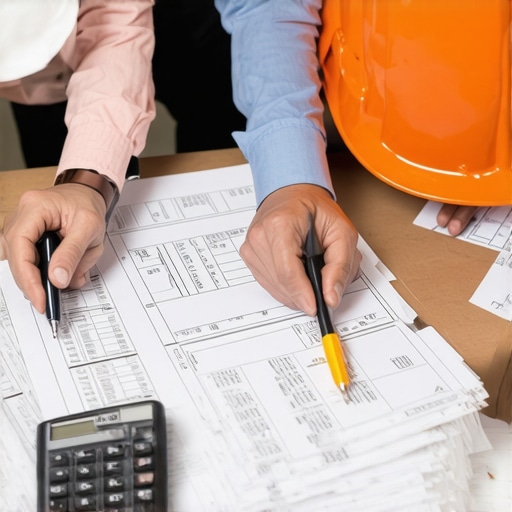
Start by requesting detailed, itemized estimates rather than lump sums. Review each material, labor, and permit cost independently. For example, I once received a quote with a vague ‘materials’ charge. I asked for specifics, which revealed an inflated markup on bricks. Cross-reference these figures using [top estimating strategies for accurate project budgets](https://constructionedgez.com/top-estimating-strategies-for-accurate-project-budgets). This step ensures transparency and helps identify hidden fees.
Compare Quotes With Local Market Rates
Research average prices for materials and labor in your area. Call a few suppliers or look online to get current prices. I did this when budgeting for my backyard patio. I found that one bid included premium bricks at standard costs, while another inflated the price. It’s akin to shopping for groceries—knowing the standard price helps you spot a scam. Use trusted sources or local suppliers to benchmark quotes, and consider consulting a construction estimator if needed.
Inspect the Scope of Work
Make sure every quote clearly states what’s included and what’s not. Vague descriptions often hide extra charges. Once, a bid lacked details on foundation preparation, which later added thousands to the final cost. Always ask for clarification and compare scope details between bids. It’s like comparing a menu—if one item is labeled as ‘includes everything,’ while another lists extra fees for minor tasks, it’s a red flag. Clear scope definitions prevent surprises and enable fair comparisons.
Verify Material and Labor Markups
Ask contractors about their markup percentages on materials and labor. A common practice is a 10-20% markup, but some inflate beyond that. When I checked, one quote marked up bricks by 30%, which is excessive. Request supporting documentation or receipts to verify markups. If a contractor hesitates or refuses, consider it a warning sign. Knowing typical markup ranges helps you negotiate or seek better offers.
Assess Timing and Payment Terms
Look for estimates that specify project timelines and payment schedules. Unclear payment terms can mask inflated costs. I once had a quote with a large upfront payment and vague milestones, which made me wary. Prefer a contract with phased payments tied to specific deliverables, reducing your risk of paying for work that isn’t completed or is overpriced. This approach is like paying for groceries after checkout, not in advance.
Check References and Past Work
Reach out to previous clients or inspect completed projects to assess quality and pricing fairness. A contractor with a solid reputation often provides transparent quotes. I visited a recent job site of a contractor, which matched their bid and work quality. It’s a vital step—like tasting a dish before ordering more—it ensures you get what you pay for. Personal references also help confirm they stick to their estimates and timelines.
Ask the Right Questions
When discussing bids, inquire about hidden costs, permit fees, and potential delays. For example, I learned that one contractor’s quote didn’t include permit acquisition, which later added hundreds to the bill. Use questions like, “Are there any additional charges I should expect?” or “What happens if the scope changes?” This proactive approach clarifies expectations and prevents surprises.
Many homeowners assume that permits, estimating, and even new builds or additions are straightforward processes, but in reality, there are nuanced pitfalls that many overlook. A common misconception is that obtaining permits is merely a bureaucratic hurdle, when in fact, it often involves intricate code compliance and detailed documentation that can drastically impact your timeline and costs. For example, some believe permits are optional for small projects, but ignoring or misunderstanding permit requirements can lead to costly delays and fines. Furthermore, estimating isn’t just about adding up materials and labor; it involves factoring in variables like site conditions, material fluctuating prices, and unforeseen complications, which experts emphasize can result in a 20-30% variance if not carefully managed. Interestingly, a study by the Builder’s Association highlights that underestimating these factors is the most frequent cause of budget overruns in residential projects.
Let’s challenge the myth that permit fees are fixed and predictable—this is a trap that can trap even experienced homeowners. The reality is, permit costs often vary based on project scope, location-specific regulations, and required inspections, which are sometimes overlooked during initial budgeting. For instance, many forget to account for additional review fees or expedited processing charges that can inflate costs unexpectedly. This oversight can turn a seemingly simple addition into a financial nightmare.
One advanced nuance often missed involves the timing and strategic coordination with permitting authorities. Failing to align your schedule with the permitting office’s review cycles or not understanding the specific documents needed can cause significant delays, extending construction timelines by weeks or months. This is especially critical in areas with strict zoning or historic preservation overlays. In my own experience, working closely with local permit offices—such as through detailed prior consultations—has saved clients thousands in unnecessary fees and rework. You can explore effective strategies for this in articles like [navigating permit requirements for add-ons](https://constructionedgez.com/navigating-permit-requirements-for-additions-in-2025).
Furthermore, the misconception that estimating tools are foolproof is a red flag. Many rely solely on software or rough calculations, not realizing that the most accurate budgets incorporate site-specific data and expert judgment. For instance, soil conditions can dramatically alter foundation costs, yet many estimates ignore these localized factors. The key lies in detailed, line-by-line analysis. For guidance on mastering this process, see [top estimating strategies for accurate project budgets](https://constructionedgez.com/top-estimating-strategies-for-accurate-project-budgets).
Remember, in high-stakes construction projects, oversight in permits, estimating, or build planning can lead to substantial financial and legal ramifications. Being aware of these hidden complexities ensures you are better prepared to navigate the process efficiently.
Have you ever fallen into this trap of underestimated costs or overlooked permits? Let me know in the comments. For personalized advice tailored to your project’s specifics, consider reaching out via [our contact page](https://constructionedgez.com/contact-us-2). Let’s ensure your build stays on track and on budget!
Keep Things Running Smoothly with the Right Tools
Maintaining a construction project, whether you’re managing permits, estimates, or long-term upkeep, requires precision and the right equipment. One tool I personally rely on is Procore, a comprehensive project management platform that keeps all stakeholders on the same page. I especially appreciate its document control feature, which ensures permit documents and change orders are easily accessible and version-controlled, reducing costly miscommunications. For estimating, Buildertrend has been invaluable; it combines real-time budget tracking with scheduling, helping me stay ahead of potential overruns.
When it comes to tools that enhance accuracy, I recommend Laser Distance Meters like the Bosch GLM 50 C. I use this handheld device to quickly measure site dimensions, foundation depths, and clearances, ensuring estimates and permits are based on precise data. Use of laser tools minimizes errors that can cause delays or rework, thus saving time and money over the long run. In the future, I predict that integrating these tools with augmented reality (AR) will further streamline project oversight, providing real-time site visualization aligned with digital plans.
How do I maintain project quality and compliance over time?
Regular site inspections are essential. I personally schedule weekly reviews utilizing Fieldwire, a task management app tailored for construction teams. It helps assign and track inspections, ensuring compliance with permit conditions and quality standards. Additionally, maintaining a detailed digital log of all inspections, change orders, and punch lists ensures that any issues are documented and addressed promptly, avoiding costly rework and permit non-compliance.
For long-term project success, effective communication tools are crucial. I’ve found that using Microsoft Teams with dedicated channels for permits, estimates, and updates keeps everyone aligned and reduces miscommunication. As I try to scale operations, I plan to adopt AI-driven analytics to predict bottlenecks before they occur. This proactive approach will be key in managing larger projects efficiently.
If you’re looking to optimize your project maintenance routines, I encourage you to try integrating laser measurement tools with your project management platform. Precision at every phase—planning, estimating, permits, or long-term maintenance—is the difference between a smooth project and one plagued with surprises. Ready to level up your process? Check out this resource for advanced estimating techniques.
Ignorance Could Cost You Thousands: Lessons From My Mistakes
Throughout my renovation journey, I realized that trusting the first estimate without thorough vetting is a surefire way to overspend. My biggest lightbulb moment was learning how easily hidden markups and vague scope details can inflate costs. Now, I scrutinize every line item, question ambiguities, and compare estimates against trusted benchmarks, turning what once seemed daunting into a manageable process that saves me both money and stress.
My Go-To Tools for Smarter Building Decisions
Over the years, I’ve adopted specific tools that empower me to verify quotes and manage projects confidently. Techniques for accurate estimating have been a game-changer, helping me spot discrepancies early. I rely on laser measurement devices for precise site measurements and platforms like Procore for document control and project tracking. These tools provide clarity and prevent costly mistakes, ensuring projects stay on budget and on schedule.
Embrace the Future: Your Building Confidence Starts Today
Every successful project hinges on diligent verification and smart planning. Don’t let hidden costs and vague estimates erode your confidence or budget. By arming yourself with proper tools and knowledge, you enable smooth progression from permits to completion. Remember, quality work and budget adherence are within your control—start applying these insights today and turn your building dreams into reality. How have you tackled vetting estimates in your projects? Share your story below!