Spot the Invisible Administrative Fees in Your Build Quote
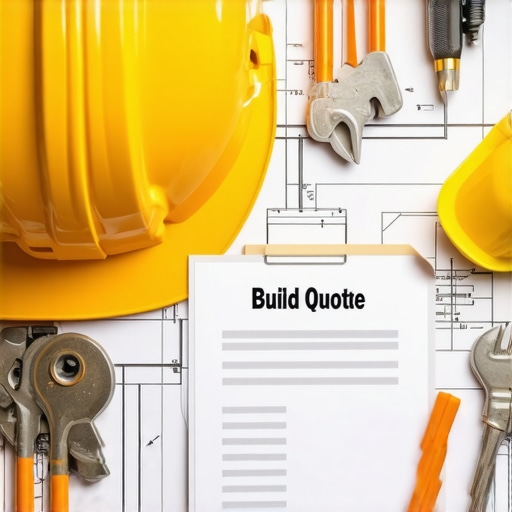
I remember the moment vividly—standing in my driveway, staring at the final quote from my contractor, feeling a sinking suspicion. Everything looked right on paper until I noticed the line item labeled “administrative fees” that seemed suspiciously high. It was a lightbulb moment: I’d been underestimating the invisible costs lurking in my build estimate. If you’re anyone who’s ever gone through a home renovation or new construction, chances are you’ve felt that twinge of doubt about whether you’re truly getting the full picture. Those hidden fees, often tucked away in the fine print, can silently eat into your budget, leaving you with unexpected bills just when you thought everything was settled.
Understanding the Real Cost of Building: More Than Meets the Eye
Many homeowners get caught off guard because they focus solely on the advertised price or the main components of the project. What often gets overlooked are the overlooked, invisible fees—those administrative costs, permit surcharges, or unforeseen charges that aren’t immediately evident. These fees can add anywhere from 10% to 25% extra to your total project cost, and without proper insight, they become a separate, unanticipated expense. According to industry insights, about 30% of project delays or budget overruns are linked to underestimating or ignoring these hidden costs, emphasizing how vital it is to spot them beforehand. To avoid ending up with a surprise bill, I started paying close attention to these line items and asking the right questions.
Are you aware of how these invisible fees affect your project’s overall budget? If not, you’re not alone. A common mistake I made early on was neglecting to scrutinize the detailed breakdown provided by my contractor, often assuming the total was all-inclusive. That mistake led me to costly surprises later, especially with permit fees and admin charges that seemed small initially but multiplied over the course of the project.
Is Overlooking Hidden Fees Actually Cost-Effective?
You might wonder how significant these fees really are and whether it’s worth the effort to scrutinize every detail. The truth is, a quick glance at a quote won’t cut it—deep dive into the specifics can save you thousands. These costs can include permit processing fees, expedited service charges, plan review costs, and administrative markups. In some cases, contractors may inflate their margins on these items without your awareness. Ensuring transparency and asking for itemized statements is key.
If this sounds familiar, then understanding how to spot these invisible fees is crucial. I found that reviewing [permit-specific costs](https://constructionedgez.com/navigating-permit-requirements-for-additions-in-2025) and consulting with experts can help you identify potential hidden costs before they bite. Additionally, being proactive about clarifying permit requirements and associated fees can prevent delays and extra charges down the line.
Have you recently faced unexpected fees in your build project? If so, you’re not alone—and it may be time to reevaluate your approach. Recognizing that not all costs are visible from the outset is the first step toward better budgeting and more successful project management. Up next, I’ll share practical strategies to help you spot and eliminate these invisible expenses before they take over your project’s finances.
Break Down Your Permit Process Step-by-Step
Start by segmenting the entire permit journey into manageable stages. Begin with researching local regulations, then gather necessary documents, and finally submit your application. During my last project, I created a detailed checklist that mapped each step, which helped me stay organized and avoid missing critical paperwork. This proactive approach prevented delays and reduced unexpected fees.
Get Familiar with Local Guidelines
Visit your municipal website or contact the local permit office directly to understand specific requirements. For instance, I called the city hall to clarify subdivision rules for my backyard addition, saving me from costly mistakes later. Also, reviewing [navigating permits](https://constructionedgez.com/navigating-permits-a-step-by-step-approach-for-builders) can provide valuable insights.
Ask for Transparent, Itemized Quotes
Don’t settle for a lump-sum estimate. Insist on receiving a detailed breakdown that lists every fee—permit costs, administrative charges, plan review fees, and contingencies. When I requested this from my contractor, I spotted an unusually high admin fee. Addressing it early allowed me to negotiate or plan accordingly, avoiding surprise expenses later.
Use Visual Aids for Clarity
Create a comparison table or chart that clearly distinguishes each cost component. Including this in your communication reduces misunderstandings. I used a simple spreadsheet that outlined expected permit fees versus actual bills, which alerted me to inflated expenses and helped me push back on unnecessary charges.
Consult Experts and References
Leverage industry resources and professionals. Reach out to local architects, engineers, or permit expeditors who understand regional nuances. During my project, consulting an expert from a trusted firm helped me identify overlooked fees specific to my neighborhood, like stormwater management charges. Check out [permitting tips](https://constructionedgez.com/permit-approval-tips-for-seamless-home-additions) for best practices.
Document Everything Diligently
Keep copies of all correspondence, permits, and receipts. This documentation protects you against future disputes or hidden costs. A friend of mine discovered a mischarged sewer connection fee because she maintained a detailed record of all approvals and invoices. Maintaining an organized folder or digital archive is essential.
Assess and Identify Hidden Fee Traps
Evaluate all estimates carefully to spot potential padding. For instance, inflated markup on plan reviews or expedited processing fees can significantly boost your costs. I once detected an unnecessary fast-tracking fee and negotiated it down, saving hundreds. Use [estimating costs](https://constructionedgez.com/estimating-costs-for-new-builds-expert-insights) to understand typical charges and spot anomalies.
Prepare for Unforeseen Expenses
Allocate a contingency budget—usually 10-15% of your total estimate. During my last build, unforeseen soil testing costs emerged last minute. Having a financial cushion allowed me to handle surprises without derailing the project schedule or budget.
Monitor and Follow Up Regularly
Set check-in points to review progress and costs. Stay engaged with your contractor or permit officer to catch issues early. When I scheduled weekly updates, I caught a permit delay early and avoided license expiration fines. This ongoing oversight ensures transparency and keeps your project on track.
Many homeowners and even seasoned contractors fall prey to misconceptions about permitting and cost estimation, often leading to costly mistakes. One powerful myth is that permit costs are straightforward and always transparent; in reality, permit fees can be highly complex, varying significantly based on location, scope, and even construction type, which can catch even experienced builders off guard. Overlooking these intricacies might seem minor initially, but it can cause substantial budget overruns, delaying your project and increasing expenses.
A common **trap** is relying solely on initial estimates without considering hidden fees embedded within permit applications or underestimated requirements like soil testing, erosion control, or structural evaluations. These elements are sometimes classified as ‘administrative’ or ‘miscellaneous’ by contractors, but they are vital to avoid legal issues or project stoppages. Failing to account for them can lead to abrupt budget increases just when you’re close to completion.
Furthermore, many assume that once a permit is approved, no further costs will arise. However, **mid-project modifications**—such as unexpected site conditions or regulatory updates—often trigger additional permits or amendments, each carrying their own fees. This can be especially tricky in areas where the permit process is undergoing recent regulatory changes; staying informed can be challenging but is crucial.
It’s important to recognize that **estimating costs accurately is an art**, not just a science. According to industry experts, a typical underestimation of project costs hovers around 20-30%, primarily due to overlooked fees and contingencies. This highlights the importance of including a contingency reserve in your budget—usually 10-15%—to buffer against unforeseen expenses. A comprehensive approach to estimating involves analyzing regional permitting practices, historical data, and consulting with local experts.
Why do so many get these details wrong? One reason is the failure to **seek out detailed, itemized quotes** and to understand what each fee encompasses. For example, a permit might include a base fee plus charges for expedited processing or additional inspections, which can significantly inflate the total cost. Always review and question any ambiguous line items—don’t accept vague estimates at face value.
==> If you’re embarking on a new build or an addition, make sure to check out [permitting tips](https://constructionedgez.com/permit-approval-tips-for-seamless-home-additions) for a more detailed understanding, and remember, budgeting isn’t just about the visible costs—those hidden, nuanced fees often make the biggest difference.
**Have you ever fallen into this trap?** Share your experience in the comments below and let’s learn how to avoid these pitfalls together! Proper planning and awareness can transform a potential nightmare into a smooth-build success.Maintaining a smooth construction process over the long term requires more than just initial planning; it demands reliable tools, effective methods, and strategic foresight. After personally navigating numerous project phases—from permit approvals to final inspections—I’ve identified specific equipment and software that can streamline your efforts and ensure lasting success. Here are my top recommendations.
Leverage Construction Management Software for Clarity
For managing schedules, budgets, and stakeholder communication, I swear by Procore. Its real-time updates and document control features help me keep everything transparent and organized. Plus, as projects evolve, this software scales with the complexity, making it easier to revisit estimates and adapt plans. To ensure your team stays aligned and deadlines are met, integrating a project management tool like this is essential.
Invest in Quality Laser Distance Measurers
When it comes to field measurements, I rely on the Leica DISTO D410. Its precision and quick measurement capabilities save hours and prevent costly errors in planning and material estimation. The high accuracy ensures that additions or modifications match existing structures, particularly when working on permits that demand exact sizes. With this tool, I avoid the common pitfall of miscalculations that can cascade into project delays.
Utilize Drones for Site Inspection and Monitoring
For expansive sites or challenging terrains, a drone like DJI Mavic Air 2 provides invaluable overhead visuals. It allows me to regularly monitor progress, identify potential issues early, and document every phase for permit compliance or future reference. Incorporating aerial imagery simplifies complex site assessments and supports precise planning for subsequent phases.
Maintain a Digital Documentation System
Storing all permits, receipts, and correspondence digitally using Evernote or Dropbox keeps me organized. This setup facilitates quick retrieval during inspections or disputes, especially for complex projects with multiple permits like [building additions](https://constructionedgez.com/adding-value-with-expert-home-additions-a-construction-guide). It’s the backbone that holds everything together when maintenance or future scaling comes into play.
Prepare for Scaling with Modular Equipment
As projects expand, investing in modular scaffolding and adjustable work platforms allows flexibility. These systems can be quickly reconfigured, saving significant time during additions or phased builds. Plus, these adaptable tools help maintain safety standards which are critical for long-term success, especially during the later stages of a project.
Future Trends: Automation and Smart Tools
Looking ahead, I predict that automation will play an increasing role. From smart sensors that monitor material usage to AI-driven scheduling, the future tools will create more efficient, predictive project environments. Staying updated with innovations—like integrating IoT devices for real-time site condition monitoring—will be key for scaling operations effectively. For now, trying out an advanced measurement device or project management solution could significantly elevate your maintenance game.
How do I maintain my projects over time?
Regularly scheduled inspections, diligent documentation, and the right set of tools are my secret to ongoing success. Allocate time every month to review progress, update plans, and follow up on permit compliance. This proactive approach minimizes surprises and keeps your work sustainable. To explore more about streamlining permit acquisition and ongoing project management, visit [this resource](https://constructionedgez.com/streamlining-permit-acquisition-for-faster-construction). Remember, consistent effort with the right tools is the foundation for lasting build quality and scalability. Try integrating a drone for site monitoring or adopting a comprehensive project management platform to enhance your workflow today.
Lessons from the Field: Hidden Truths That Changed My Approach
One eye-opening experience was realizing that permit fees aren’t just a set number; they vary based on project complexity and neighborhood regulations. This taught me to always ask for detailed estimates and double-check permit classifications, saving hundreds in unexpected charges.
Another insight was that rushing the permit process by opting for expedited service often doubles the cost without guaranteed benefits. Patience and thorough planning proved far more cost-effective in the long run, emphasizing the value of strategic timing.
Lastly, I discovered that maintaining meticulous records of all correspondence, permits, and invoices protects you against costly disputes. Building this habit early prevents surprises and empowers you during inspections or if discrepancies arise.
My Go-To Tools for Smarter Construction Planning
For detailed project management and budgeting, I rely on software like Procore, which offers real-time updates and comprehensive documentation features. It’s helped me stay organized amidst complex projects involving multiple permits and stakeholders. Learning permit navigation tips from seasoned professionals has also been invaluable.
When it comes to accurate measurements, the Leica DISTO D410 laser distance measurer has saved me hours and prevented costly recalculations. Its precision is essential for ensuring that permits align with actual site conditions, especially during additions.
Utilizing drones like DJI Mavic Air 2 for site inspections has transformed how I monitor progress and identify issues early. Overhead visuals facilitate better planning and help in fulfilling permit requirements efficiently.
Your Next Step in Construction Confidence
The secret to successful permit navigation and cost estimation lies in proactive planning, diligent documentation, and leveraging the right tools. When you embrace these strategies, you turn potentially overwhelming processes into manageable, even enjoyable, experiences. The key is to stay informed, ask the right questions, and equip yourself with resources that foster confidence and control.
Are you ready to tackle your next project with a fresh perspective on permits and budgeting? Remember, every step forward is a step toward mastering your construction journey. If you’ve faced unexpected permit costs or challenging estimates, share your story below—let’s learn from each other’s experiences!