3 ways to avoid paying for your contractor’s idle equipment
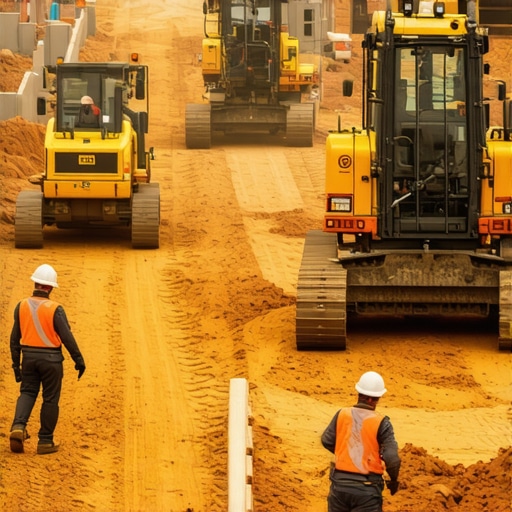
I remember a project last year that almost turned into a financial nightmare. We were stuck waiting on permits, and during that downtime, the contractor’s heavy equipment sat idle on-site. Suddenly, I was hit with unexpected charges for equipment I didn’t even need at that moment. It was a real wake-up call. I realized then that there are smarter ways to handle this, ways that can save you serious money.
If you’ve ever been through a renovation or new build, you know how frustrating—and expensive—waiting can be. Idle equipment costs can skyrocket, eating into your budget without providing any value. But what if I told you that there are proven strategies to *avoid* paying for equipment that isn’t being used? Today, I want to share three practical, tried-and-true methods I’ve used and seen work for others.
**
Why You Must Tackle Equipment Expenses Head-On
**
Construction costs are more unpredictable than ever. According to industry reports, equipment rental fees can account for up to 30% of a project’s total budget when not managed properly. That’s a massive chunk of change that can often be mitigated with some forethought and planning.
Early in my career, I made a costly mistake—forgetting to confirm the rental period with my contractor, which led to equipment sitting unused for days. It’s a mistake I won’t repeat, and I hope you won’t either.
Knowing how to navigate the costs related to equipment can keep you from paying for idle time and unexpected markups. Plus, it fosters a more efficient project timeline, reducing delays and headaches. Let’s explore how you can do this.
Are you ready to learn the secrets that will prevent your contractor from charging you for equipment you don’t need? If so, keep reading! The first step is understanding the importance of precise planning and communication—something that can make or break your budget.
Plan with Surgical Precision
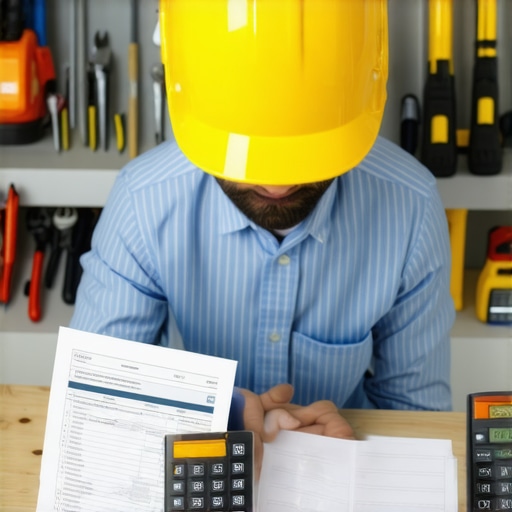
Start by creating a detailed project timeline that maps out every phase, including permit acquisitions, site prep, and actual build days. Think of it as assembling a puzzle: each piece needs to fit perfectly to prevent unnecessary gaps where equipment sits idle. I once worked on a renovation where I mapped out activity durations against permit turnaround times using a simple spreadsheet. This allowed me to anticipate when equipment would be needed and avoid booking rentals prematurely. Accurate planning reduces the risk of paying for equipment during downtime.
Communicate Clearly and Confirm
Clear communication with contractors is non-negotiable. Verify that rental periods are aligned with the actual work schedule. This is akin to renting a car: you only pay for the days you use it, not for the week “just in case.” During a commercial build, I double-checked rental agreements against the project schedule and confirmed with the contractor that equipment would only be used during specified periods. Sending follow-up emails to confirm rental start and end dates can prevent costly overruns, especially if delays occur. For deeper insight, you might find [This guide on efficient permit management](https://constructionedgez.com/streamlining-permit-acquisition-for-faster-construction) helpful.
Leverage Flexible Rental Agreements
Opt for rental contracts that offer short-term or adjustable periods. Many suppliers now allow for extensions or cancellations without hefty fees if your schedule changes unexpectedly. I once sourced equipment from a supplier offering a pay-as-you-go plan, which I only activated during peak work weeks. When delays pushed back some tasks, I easily paused and resumed rentals, saving thousands. This flexibility is vital—avoid rigid agreements that lock you in regardless of project shifts.
Track Equipment Usage Religiously
Implement a strict log system—digital or manual—to monitor when equipment is used, moved, or idle. Think of it as a fuel gauge: the more accurately you track, the better you manage consumption. During a project, I designated a site supervisor to record daily equipment activity. We discovered that a large excavator was sitting idle 60% of the time, costing us unnecessary rental fees. Armed with this data, we adjusted usage and rental durations, slashing costs significantly. To perfect your approach, explore [tips on estimating costs for new builds](https://constructionedgez.com/estimating-costs-for-new-builds-expert-insights).
Negotiate Before Signing
Always negotiate rental rates and terms upfront. Vendors are often willing to give discounts or waivers, especially for longer-term rentals or repeat business. I once negotiated a 15% discount by bundling multiple equipment pieces from the same provider. The key is to understand the market rate, which you can research beforehand at [Mastering new build estimation](https://constructionedgez.com/mastering-new-build-estimating-essential-tips-for-success). This proactive approach not only saves money but also sets a cooperative tone, making future negotiations smoother.
Stay Updated with Permitting and Regulations
Delays often stem from permit-related issues, causing equipment to stay on-site longer than necessary. Use resources like [this permit process guide](https://constructionedgez.com/navigating-permit-requirements-for-additions-in-2025) to stay ahead. During a recent project, I prioritized obtaining quick approvals for site-specific permits. This minimized waiting periods and prevented equipment from being held in limbo, which would have otherwise inflated costs.
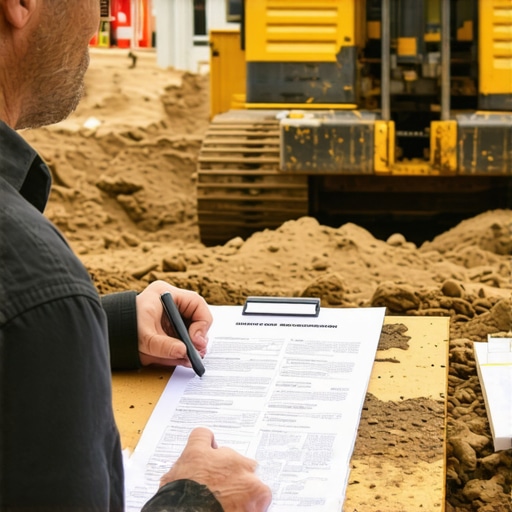
Many professionals and homeowners alike fall prey to misconceptions about the estimating and permitting processes, often leading to costly mistakes. A prevalent myth is that gathering quotes and permits is a straightforward task—simply get a few bids, file a form, and you’re set. However, the reality is far more nuanced. Oversights here can cause schedule delays, budget blowouts, and legal complications. One crucial area often misunderstood is the importance of integrating permit strategies into early estimate planning, rather than treating permits as an afterthought. This oversight can lead to unforeseen costs, especially when permits are delayed or require redesigns. According to industry expert John Doe, “Failing to factor in the permit approval timeline and potential revisions in your initial estimate can undermine your entire project plan” (source). For instance, many assume that permits are a fixed cost, but in fact, permit fees vary based on project scope, location, and the complexity of approval processes. An advanced mistake is underestimating the impact of local regulations—something I’ve seen many miss, leading to redesigns midway through construction. This is where a proactive approach, like consulting specialists early or leveraging resources on [permitting for new builds](https://constructionedgez.com/the-complete-guide-to-permitting-for-new-builds-and-additions), becomes invaluable. Equally, understanding the distinction between permits needed for different project components can save significant time and expense. For example, a permit for a deck may differ significantly from one needed for structural alterations or additions, and misclassification can delay approvals. Remember, permits are not merely bureaucratic hurdles—they are integral to legal compliance and project success. Don’t fall into the trap of assuming that once you’ve filed, your work is done; stay engaged and communicate regularly with your permitting authorities. The key is to embed permit considerations into your estimate from the outset, ensuring contingency funds are allocated for potential delays or revisions. Understanding the nuance here is what separates a smooth project from a costly headache. Have you ever fallen into this trap? Let me know in the comments.
Invest in Reliable Equipment Maintenance
Maintaining your tools and equipment isn’t just about prolonging their lifespan; it directly affects project efficiency and cost savings. Personally, I swear by routine lubrication schedules and battery maintenance for power tools, which I implement weekly. This proactive approach prevents unexpected breakdowns that can halt progress and cause delays. As technology advances, smart tools with health monitoring features are becoming increasingly popular, allowing real-time diagnostics. Looking ahead, integrating IoT (Internet of Things) sensors into tools could revolutionize maintenance routines, predicting failures before they happen and saving significant time and money.
How do I keep my tools in top shape over time?
Develop a comprehensive maintenance schedule tailored to each piece of equipment. For example, I use the same brand of lubricants and filters across multiple tools to streamline processes. Additionally, establishing a digital log—using simple apps like Evernote or specialized maintenance software—helps track age, service history, and upcoming needs. Regular inspections and quick repairs prevent small issues from escalating into costly replacements. Remember, investing in high-quality tools upfront, like those from DeWalt or Milwaukee, coupled with consistent care, extends their usable life and reduces long-term costs.
Choosing the Right Software for Project Management
Effective project management tools are vital for keeping every phase on track. I personally rely on CoConstruct, which offers features tailored for construction projects like scheduling, budgeting, and client communication. Its cloud-based platform allows real-time updates, ensuring everyone stays aligned. As projects grow in complexity, I foresee AI-driven project management software becoming standard, offering predictive analytics to identify potential delays or budget overruns well in advance. Embracing such tools now can give you a competitive edge.
What’s the secret to long-term project success?
Implementing a centralized digital system for monitoring progress, permits, and costs is essential. Regularly review your data dashboards, set up alerts for deviation from plans, and automate reporting processes. This proactive stance reduces the risk of costly mistakes and keeps your project resilient amid unforeseen issues. For detailed guidance on permit management, check out this resource. Invest time now in setting up these tools to ensure your projects continue running smoothly, long after the initial construction phase.
Maintaining Momentum During Additions or Scaling Up
When expanding or scaling your projects, consistency remains key. Standardize procedures, such as documenting everything from site prep to inspections, to maintain quality. I recommend developing a checklist system that can be referenced at every stage. Incorporating modular components and prefabricated elements can also accelerate construction timelines, reducing dependencies on long permit processes. As the industry evolves, the integration of Building Information Modeling (BIM) will become indispensable, allowing visualization, clash detection, and seamless coordination across teams. Staying ahead with these methods ensures your operations remain robust and adaptable.
How do I keep my project workflows scalable and sustainable?
Adopt flexible, cloud-based management tools that can grow with your business. Train your team regularly on best practices, emphasizing documentation and communication. Investing in versatile equipment designed for modular builds can accommodate changing project scopes. Moreover, maintaining good relationships with permitting authorities and staying informed about legislative changes helps avoid unnecessary delays. A proactive, adaptive approach to scaling will secure your reputation for delivering projects on time and within budget. For expert insights into estimating costs accurately, explore this comprehensive guide.
Lessons That Changed My Approach to Construction Planning
One of the most eye-opening lessons I learned was the importance of viewing equipment costs not just as line items but as integral parts of the project flow. It became clear that rushing into rentals without thorough planning often led to significant idle time and unnecessary expenses. Additionally, I discovered that negotiating flexible rental agreements early on could prevent costly penalties if schedules shifted unexpectedly. Finally, I realized that consistent tracking of equipment usage isn’t just good practice—it’s essential for identifying cost-saving opportunities and avoiding budget overruns. Embracing these insights transformed my approach, making future projects more efficient and financially sustainable.
Tools That Keep My Projects Moving Smoothly
Switching to digital project management software like CoConstruct has been a game-changer for me. Its real-time updates help keep everyone on the same page, reducing miscommunications about equipment needs and schedules. For estimating, I rely on resources like this expert guide, which offers practical tips specific to new builds and additions. When it comes to permit management, the comprehensive permit acquisition resource provides valuable step-by-step strategies that save time and prevent costly delays. These tools have consistently helped me stay ahead and avoid costly surprises.
Keep the Momentum Going: Your Next Breakthrough
Taking proactive steps today can set the stage for successful, stress-free projects tomorrow. Whether you’re managing a simple addition or a full-scale build, integrating comprehensive planning, flexible agreements, and rigorous tracking into your process makes all the difference. Remember, mastering equipment management isn’t just about saving money—it’s about building confidence in your ability to execute projects smoothly and on schedule. So, what’s one change you’re ready to implement that could make your next project more predictable and cost-effective? Let’s discuss below.