The noise attenuation rule for additions near busy roads
I remember the quiet moment I thought I had finally earned after completing my newest home addition. The walls were up, permits secured, and I was dreaming of peaceful evenings. But then, the relentless hum from the nearby busy road crept in, turning my sanctuary into a noisy discord. That lightbulb moment made me realize how overlookingsound attenuation rules could turn an eagerly awaited addition into a persistent source of frustration.
Why Noise Attenuation Rules Near Busy Roads Matter More Than Ever
In today’s bustling neighborhoods, many homeowners overlook the importance of adhering to noise attenuation regulations, especially when expanding residences in proximity to busy roads. These rules are not just bureaucratic hurdles; they protect your quality of life and ensure compliance with local ordinances. According to the Environmental Protection Agency, noise pollution can lead to health issues such as stress, hearing loss, and sleep disturbances—which is a compelling reason to take this seriously.
Have you ever felt that sinking feeling when your new extension amplifies the traffic noise instead of blocking it out? It’s more common than you think, and understanding the regulations early can save you significant stress and expense.
Is It Worth the Hype? The Skeptic’s Take on Noise Attenuation Requirements
Initially, I thought noise rules sounded like unnecessary red tape, a mere formality to delay projects. My early mistakes included underestimating the thickness of insulation needed and dismissing the importance of proper soundproofing materials. These oversights cost me time and money—and perhaps most importantly—peace of mind. To avoid similar pitfalls, I recommend checking out the comprehensive [permitting process](https://constructionedgez.com/the-complete-guide-to-permitting-for-new-builds-and-additions) to understand exactly what is required.
In the next sections, I’ll walk you through practical steps to comply with these rules, ensuring your addition not only meets legal standards but also provides a calming retreat amidst the traffic roar. Whether you’re just planning or already underway, staying informed about sound attenuation strategies is crucial for a successful home project.
Establish Clear Noise Goals for Your Project
Begin by defining the amount of noise reduction you desire. Think of this step as setting your destination before embarking on a journey. I once aimed for a 50% noise reduction but quickly realized, through a quick sound level test inside my existing home, that my parameters were unrealistic without significant insulation. Conduct a baseline measurement using a sound level meter to understand current noise levels, which guides your attenuation targets.
Select Appropriate Soundproofing Materials
After setting your goals, choose materials that deliver the desired performance. For instance, mineral wool insulation, resilient channels, and acoustic sealants are your allies. During my renovation, I experimented with different insulation layers—initially skimping on thickness—that failed to provide adequate soundproofing, leading to subsequent costly upgrades. Consider diaphragmatic or decoupling techniques, which isolate vibrations, much like installing a floating floor to dampen traffic noise.
Design Walls and Barriers Strategically
Design your walls to maximize sound attenuation by incorporating multiple layers and staggered studs. I used a double-layer drywall with damping compound, similar to adding layers of clothing for insulation. Additionally, consider external barriers like fences or earth mounds to deflect sound waves before they reach your walls. Remember, each decibel you reduce enhances your home’s tranquility.
Integrate Soundproofing in Building Permits
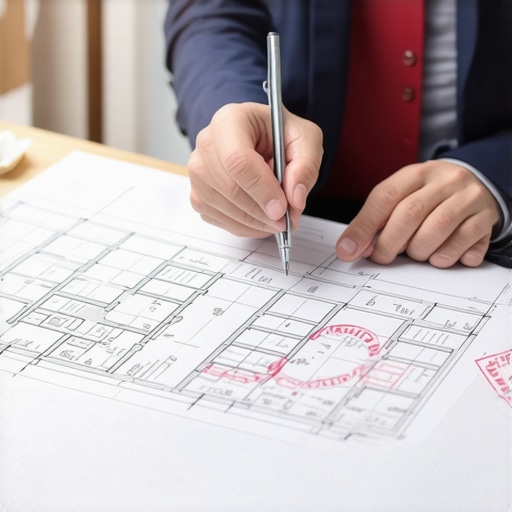
Early integration with your permit process ensures compliance and smooth approval. Visit here for comprehensive guidance. When I applied for my addition, I included a detailed soundproofing plan, which detailed the materials and construction techniques—this proactive approach prevented delays and revisions, saving time and money.
Coordinate Construction Carefully
Proper installation of soundproofing materials is crucial. For example, ensuring drywall is sealed tightly and resilient channels are correctly attached prevents sound leaks. During my build, I verified each stage with a flashlight and my sound meter, simulating a mini audit similar to quality checks. Do not underestimate the importance of quality craftsmanship, which can make or break your efforts.
Test and Adjust Post-Construction
Once construction is complete, perform thorough sound testing. Use your initial measurements as a benchmark and identify any weak points. I noticed certain areas where traffic noise still penetrated—adding an extra layer of insulation and seals improved noise levels significantly. This iterative process ensures your home achieves the desired serenity.
Remember, managing noise attenuation is a combination of smart design, quality materials, proper execution, and diligent testing. By following these concrete steps, you can transform your home addition into a peaceful retreat away from the traffic chaos.
Many homeowners and even experienced builders share a misconception that estimating costs and navigating permits are straightforward tasks. However, the reality is far more nuanced, with common myths and pitfalls that can derail a project if not properly understood. One widespread myth is that adding a few thousand dollars for contingency in your budget is sufficient. In truth, unforeseen issues—such as hidden site conditions or permit delays—can inflate costs by 20% or more, making detailed estimates essential. Don’t rely solely on initial quotes; instead, consider integrating **[top estimating strategies](https://constructionedgez.com/top-estimating-strategies-for-accurate-project-budgets)** to prepare for real-world variances. Also, many underestimate the complexity of permit processes, believing that once plans are submitted, approvals will follow quickly. In practice, permits often require multiple revisions, additional documentation, or even disagreements over zoning interpretations, which can add weeks or months to your timeline. To avoid this, consult resources like **[permitting tips](https://constructionedgez.com/permit-approval-tips-for-seamless-home-additions)** and engage with professionals early in the process. A critical trap is assuming that permit costs are a fixed fee—many overlook that variables such as site conditions or local regulations might increase expenses unexpectedly, affecting your project budget. This error can be costly; always build a contingency line item into your estimate. How about the misconceptions of estimating versus actual costs? Industry expert Mike Holmes emphasizes that without on-site inspections and ongoing cost audits, estimates can mislead even seasoned professionals. Regularly reviewing your project against your initial estimates and adjusting accordingly can save money and prevent surprises. When planning your new build or addition, also be aware of **[detailed estimation guides](https://constructionedgez.com/estimating-home-additions-a-step-by-step-guide-for-2025)**, which highlight the importance of precise material take-offs and labor costs. Lastly, many forget the importance of securing all relevant permits before breaking ground, risking delays, fines, or even a halt to your project. Integrated planning with permit specialists and utilizing practical resources like **[permit acquisition guides](https://constructionedgez.com/understanding-permit-processes-for-successful-home-additions)** can streamline this process.**
In sum, dig deeper into the nuances of estimating, permits, and planning. Recognize that these are complex, dynamic parts of the construction process that require careful attention and expert advice. Have you ever fallen into this trap? Let me know in the comments.
Keeping Your Home Addition in Peak Condition
Once you’ve navigated through permits and construction, the real challenge begins: maintaining your addition over time. Regular upkeep ensures longevity, preserves value, and prevents costly repairs. For me, staying proactive means having the right tools and routines at hand. I personally swear by a combination of specialized equipment and smart software to keep everything running smoothly.
Invest in Quality Maintenance Tools
Tools like a high-resolution infrared thermometer help identify insulation gaps or moisture issues early, saving you from hidden problems that could compromise soundproofing or structural integrity. I’ve found that a durable cordless drywall screw gun, like the Makita XSF08Z, speeds up routine tasks and reduces fatigue during ongoing repairs. An accurate moisture meter and a sturdy ladder are essential for inspecting roofing, gutters, or exterior siding—areas that take a beating over time.
Embrace Smart Home Monitoring
Integrating a smart home system isn’t just about convenience; it’s about long-term security. Wireless leak detectors and climate sensors monitor conditions that can damage your addition—think water leaks or temperature fluctuations. I set mine up to send alerts directly to my phone, allowing immediate response to issues like roof leaks or HVAC system inefficiencies. As IoT technology advances, I predict these tools will become even smarter, offering predictive maintenance and energy optimization.
Plan Routine Inspections
Establishing a maintenance schedule is vital. I recommend inspecting your addition quarterly—check seals on windows and doors, evaluate insulation performance, and review structural elements for signs of wear. Keep detailed logs using simple spreadsheet software to track recurring issues and repairs. For a more thorough assessment, consider hiring a qualified inspector annually to catch problems early. This proactive approach minimizes surprises and ensures your project retains its value years down the line.
How do I sustain the benefits of my home addition over time?
Consistency is key. Regular maintenance, combined with smart monitoring tools, guarantees your addition remains functional and comfortable for years. Staying informed about emerging technologies, such as AI-driven diagnostics and maintenance apps, will give you an edge. For more detailed guidance on maintaining your project, visit this resource.
To truly optimize long-term results, I recommend trying out a sensor-based leak detection system integrated with an app. It’s an effective way to catch issues before they escalate, saving repair costs and headaches. Start small—install one sensor in a crucial area like under the kitchen sink—and expand gradually. This strategic move could become your secret weapon against deterioration, ensuring your investment continues to serve you well into the future.
Three Surprises That Changed How I Approach Home Additions
One unexpected lesson I learned was the importance of anticipating hidden site conditions even after thorough inspections. A small oversight, like neglecting soil stability, can derail your project or inflate costs unexpectedly. Recognizing these subtle factors early on saves frustration and strengthens your planning approach.
Combining aesthetics with soundproofing was another revelation. I used to think choosing the right materials was purely about looks and price, but discovering how critical proper insulation and decoupling techniques are to noise attenuation truly shifted my perspective. It’s a reminder that form and function must go hand in hand for tranquility.
Most crucially, I realized that engaging permit experts early isn’t just about paperwork—it’s about building a relationship that smooths the entire construction process. Their insights helped me avoid delays and costly revisions, emphasizing that collaboration often outweighs the DIY approach in complex projects.
Tools That Make the Difference in Construction and Maintenance
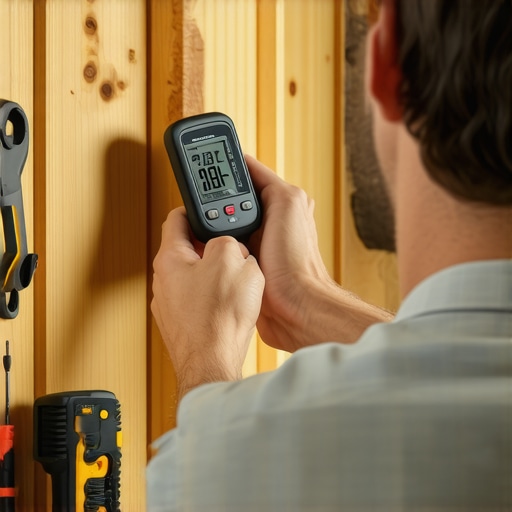
For accurate estimating and ongoing upkeep, investing in reliable tools like a good sound level meter, moisture analyzers, and infrared thermometers is game-changing. Personally, I trust the Fluke 971 for humidity and moisture, which helps detect issues before they become major problems. These tools enhance your ability to make informed decisions and ensure your home remains a peaceful haven.
Additionally, digital project management apps, like Buildertrend, streamline communication, schedules, and documentation, keeping everything organized and accessible. They’ve been invaluable in coordinating complex additions, saving time and reducing errors, which I now consider essential equipment in my construction arsenal.
Your Next Step: Keep Building on Your Confidence
Every project taught me that knowledge is a continuous journey—every mistake, a stepping stone toward mastery. Embrace the challenges with curiosity and patience, knowing that each lesson enriches your ability to create safe, sound, and beautiful spaces. Don’t hesitate to explore new strategies and tools—that’s how you turn construction hurdles into opportunities for growth.
Have you faced unexpected site conditions or permit hurdles in your projects? Share your experiences below and let’s learn from each other’s journeys in building better homes.