How to Spot Labor Padding in Your Window Installation Quote
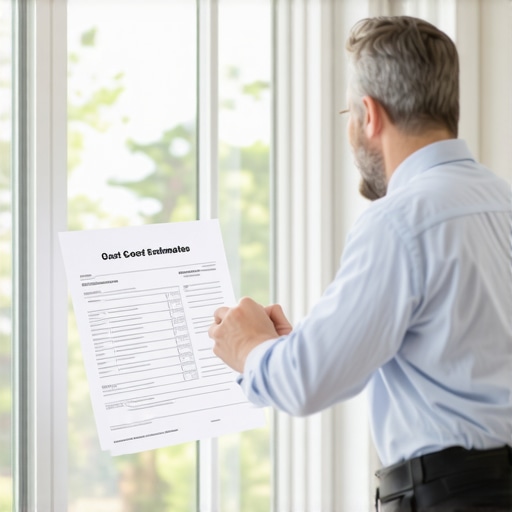
It was a moment of frustration that made me realize I wasn’t alone. I had just received a window installation quote, and as I carefully reviewed the numbers, something felt off. The labor costs seemed inflated, but I couldn’t put my finger on why. That lightbulb moment taught me the importance of recognizing labor padding—an issue that can silently drain your budget and complicate your project.
Why Recognizing Labor Padding Matters
Labor padding occurs when contractors include extra hours or charges beyond what’s necessary, often to increase their profit margins. Early in my own renovation journey, I made the mistake of trusting the first estimate without verifying the details. Turns out, that oversight cost me hundreds of dollars—and countless hours of stress. Understanding how to spot these inflated charges can save you significant money and prevent project headaches. According to construction experts, up to 20% of some estimates may be padding, which emphasizes the importance of vigilance for homeowners.
Is Overestimating Labor Actually Common and Worth Worrying About?
It might seem like a minor thing—after all, a few extra hours here and there don’t seem so bad. But unchecked, labor padding can turn a manageable project into a budget disaster. I learned this the hard way when my contractor’s quote included more labor hours than the scope justified. To truly protect yourself, you need to understand where padding might hide—and how to catch it early. If you’ve ever wondered whether your estimate is padded or just realistic, you’re not alone. Many homeowners face this challenge, and recognizing the signs can be a game-changer. To dig deeper into accurate estimating techniques and avoid common pitfalls, check out our comprehensive guide on [estimating costs for home additions](https://constructionedgez.com/estimating-costs-for-new-builds-expert-insights). Let’s explore some practical steps to identify and prevent labor padding before it eats into your budget.
Break Down the Scope with Precision
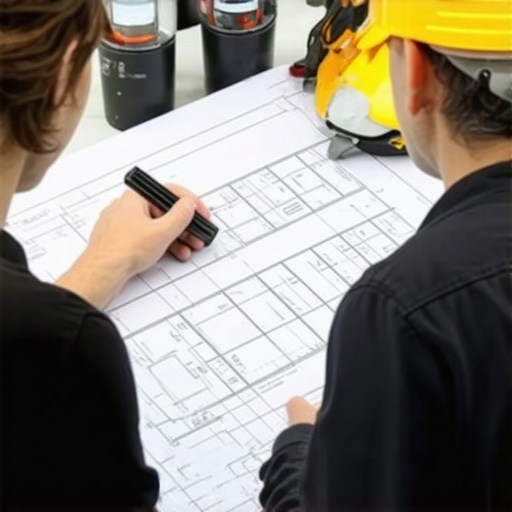
Start by reviewing the project plans and specifications thoroughly. Imagine you’re cooking a complex dish; you need every ingredient listed clearly. I once received a set of blueprints for a home addition, and instead of rushing to estimate, I dissected each component—walls, doors, windows, and finishes. This detailed approach prevented overlooking critical elements that could inflate costs later. Use checklists to ensure nothing is missed and cross-reference with the original plans for consistency.
Use Current, Verified Material Costs
Visiting local suppliers and checking online prices helps keep your estimates realistic. Think of it like shopping for groceries—prices fluctuate, and relying on outdated numbers can be costly. I made a habit of contacting three suppliers before finalizing my estimates, which often revealed discounts or seasonal price drops. Document these costs meticulously, and flag any significant deviations from standard prices as potential padding, similar to spot-checking your grocery bill for hidden charges.
Account for Labor Carefully and Avoid Padding
Labor is often where padding sneaks in. To combat this, break down tasks into smaller units—demolition, framing, wiring, plumbing—and assign realistic hours based on experience or references. I once caught an overestimation when reviewing an electrical estimate; the hours listed were twice what I knew typical projects required. Cross-verify these numbers using estimation guides like our expert insights. Always remember, inflated labor estimates are a red flag—and by correlating hours with the scope, you can prevent overpaying.
Include Contingencies Wisely
Budgets should incorporate a contingency fund—typically 10-15%—to cover unforeseen issues. But beware of using this as a cushion for padding. When I estimated foundation costs, I added a contingency only after thoroughly assessing site conditions. This method prevents using contingency as a hidden profit margin, making your estimate more accurate and transparent. For more detailed strategies, see our guiding article.
Compare and Cross-Check Multiple Estimates
Always gather at least three estimates for each phase of work. Think of it like getting multiple opinions on a medical issue; it reduces the chance of bias or padding. I once did this for roofing, and comparing detailed line items revealed that one contractor included unnecessary overhangs, inflating their quote. By analyzing these differences, you can identify padded charges and push back or negotiate better terms. For added confidence, refer to top estimating strategies.
Detail Every Line Item and Clarify Ambiguities
Ambiguity invites padding. Always request detailed breakdowns and question vague entries. For example, if a quote lists “miscellaneous costs,” ask for specifics. When I reviewed a permit fee estimate, I discovered vague line items that could be inflated without justification. Clarify scope and costs upfront to prevent surprises, and document all assumptions and clarifications for future reference. Furthermore, consider consulting with experts at our contact page to validate your estimates.
Verify Permits and Local Regulations Early
Permit requirements can be tricky and may impact costs significantly. I learned this firsthand when I overlooked a roof pitch regulation that required additional permits, adding unexpected costs. Visit your local building department or consult resources like our permit guide to understand exact requirements. Early verification prevents last-minute surprises and ensures your estimate accounts for all necessary permits, reducing risk of padding or overlooked fees.
Many homeowners assume that estimating construction costs, permits, and additions is straightforward — simply gather a few quotes and pick the lowest. However, this oversimplification masks critical nuances that can sabotage your budget and project timeline. Let’s dig deeper into what most people get wrong about estimation, especially when planning a new build or home addition.
Why Do So Many Estimates Fail to Reflect Reality?
One prevalent myth is that contractors’ quotes are always accurate if they are detailed. In my experience, contractors often include padding to protect themselves from unforeseen issues or to improve profit margins. They might not necessarily deceive intentionally; sometimes, it’s about overly conservative estimates or unintentional overestimations. This discrepancy becomes problematic when homeowners rely solely on these numbers without scrutinizing them. According to industry studies, up to 30% of a project’s budget can be inflated due to hidden padding if estimates are not critically evaluated.
Beware the Oversimplification of Permits and Regulations
A common mistake is assuming permits are a simple formality or that they won’t impact costs significantly. In reality, permits can include fees, specialist inspections, or additional requirements based on local codes, which many overlook or underestimate. For example, a homeowner might not realize that certain design choices—like adding a second-story balcony—could trigger complex permit reviews or structural engineering fees. This underestimation can cause delays and hidden expenses. To avoid this, it’s crucial to understand local regulations thoroughly by consulting resources like our permit guide and engaging early with your local authorities.
What Advanced Mistakes Are Usually Ignored by Homeowners?
One often-overlooked aspect is the impact of site-specific issues on estimates. For example, poor soil conditions may demand underpinning or soil stabilization, adding unexpected costs. Similarly, underestimated foundation depths in frost-prone regions can lead to significant adjustments mid-project. These complexities can be missed if you only focus on superficial quotes or don’t involve experienced estimators. A 2024 industry consensus underscores the importance of comprehensive site assessments, including soil testing and detailed scope delineation to ensure estimates are realistic from the start.
How Can You Protect Yourself from These Traps?
First, always request detailed, line-item breakdowns of estimates and compare multiple quotes. Don’t hesitate to question vague or overly padded estimates—ask for clarifications and justification, especially for significant line items like foundation or permit fees. Incorporate contingencies based on well-researched risks rather than arbitrary percentages. Use resources like our comprehensive guide to enhance your estimating skills. Lastly, consult experienced professionals or industry experts, especially for complex or large-scale projects. Engaging with specialists early can save you from costly surprises later. For personalized guidance, consider reaching out through our contact page. Understanding these hidden aspects of estimation allows you to approach your project with confidence and control.
Have you ever fallen into this trap? Let me know in the comments.
Keeping It Working: Tools and Maintenance for Reliable Estimating
Ensuring your estimating process remains precise over time isn’t just about initial accuracy; it requires ongoing investment in the right tools and consistent maintenance routines. From software updates to hardware care, staying proactive helps you avoid costly mistakes and keeps your project budgets on track. In my experience, leveraging specialized software alongside traditional methods creates a resilient system that adapts to changing project scopes and market conditions. Looking ahead, I predict that integration of AI and machine learning will further refine estimation accuracy, making it even more critical to maintain your digital tools properly.
How do I keep my estimating tools reliable over the long term?
First, choose estimation software that is regularly updated by its developers—this ensures compatibility with new building codes and cost data. I personally use Buildertrend because it combines comprehensive cost databases with user-friendly interfaces, and I make a point to update it monthly, checking for software patches or upgrades. Additionally, backing up your data frequently—preferably daily—using cloud services like Google Drive or Dropbox prevents loss from hardware failures. Hardware maintenance is equally vital; clean your computer’s interior quarterly to prevent overheating and ensure smooth operation during critical estimation sessions. These proactive steps keep your tools functioning optimally and reduce the risk of errors creeping into your calculations.
Beyond software, maintaining an organized workspace is essential. Calibrating measuring devices annually, such as laser distance meters, assures measurement precision when verifying scope details. I also keep a dedicated notebook for tracking recent market prices, which I review weekly to adjust estimates accordingly. This routine ensures your data reflects current costs, especially vital when dealing with volatile markets. Remember, the more diligently you maintain your tools, the more reliable your long-term results will be.
Precision in Practice: Techniques for Ongoing Accuracy
Establishing a regular review schedule—perhaps monthly—allows you to identify discrepancies or outdated data early. For example, I review my cost databases against actual supplier invoices every quarter, adjusting estimates to mirror real-world prices. This habit helps prevent padding that originates from stale information. Also, participating in industry webinars and forums keeps you aware of emerging best practices and software updates. As estimation trends evolve, staying informed and maintaining your tools accordingly will ensure your calculations remain trustworthy across projects.
What other methods can I use to scale my estimation accuracy as I grow?
Scaling your estimating processes involves integrating additional software modules, like project management tools, which link schedules with budgets. Using platforms such as our step-by-step guide for 2025 offers insights into combining estimating with project planning, reducing oversight errors. Moreover, consider training your team on data management and software functions—this ensures consistency and reduces dependence on a single individual. Regularly updating your database with the latest industry data facilitates more accurate scaling and expansion of your projects. Remember, thoughtful maintenance and strategic tool upgrades are the backbone of long-term estimating success.
Lessons I Didn’t See Coming During My Estimating Journey
One crucial insight was realizing that even the most detailed estimate can hide padding if not scrutinized thoroughly. I once trusted a quote that looked spot-on until I dove into the smaller line items, uncovering inflated labor hours for tasks I knew should take less time. That moment taught me the value of questioning every line and understanding the contractor’s baseline assumptions. Another lesson was understanding that local market fluctuations mean building costs aren’t static—staying updated with current prices makes a difference. Lastly, I learned that early permit verification can save thousands and prevent delays, a step many overlook until it becomes a costly surprise. These lessons have transformed my approach from hopeful guesses to strategic planning, laying the groundwork for smarter, more accurate estimating.
My Arsenal of Tools for Accurate Home Construction Estimation
For precise estimates, I rely heavily on expert estimation guides that offer the latest benchmarks and methodology tips. I also use top estimating strategies software which helps me organize and analyze data systematically. When it comes to permits, our permit guide provides step-by-step assistance to streamline the often complicated approval process. Additionally, I turn to industry forums and local supplier databases to keep my prices current, ensuring every estimate reflects the reality of today’s market. This toolkit keeps my estimating reliable and adaptable through every project stage.
Seizing Your Power: Take More Control Over Your Home Projects
The journey to accurate estimating isn’t just about tools and data; it’s about your mindset. Embrace the mindset of a detective—the more questions you ask, the more surprises you can avoid. Remember, every line item in a quote is an opportunity to understand and challenge assumptions. Commit to ongoing education—webinars, industry articles, and recent case studies—as these resources will sharpen your judgment over time. Now is the moment to start viewing your project estimates as a tool for empowerment, not just a budget figure. By actively managing and scrutinizing every aspect, you can turn a daunting project into a rewarding experience that aligns closely with your vision and wallet. Don’t wait for those hidden costs to catch you off guard; start today and build your confidence step-by-step.