
How to Spot Inaccurate Permit Fees on Your Project Budget
Have you ever sat at your kitchen table, surrounded by invoices and bids, only to realize that some of those permit fees seem suspiciously high or just plain wrong? I remember the moment clearly. I was halfway through planning my dream addition when that lightbulb turned on—wait, are some of these fees just inflated charges or outright mistakes? It was frustrating and a little scary, honestly. It made me wonder: how many other homeowners get duped by permit fee scams or miscalculations? That was my wake-up call.
Why Permitting Costs Can Be a Hidden Trap for Homeowners
Permits are a crucial part of any construction or renovation project—trust me, I’ve learned that the hard way. But despite this, permit fees are often shrouded in mystery. Some fees are legitimate, but a significant number are based on outdated formulas, hidden extras, or even just plain mistakes. I’ve seen bids where permit fees account for up to 15% of total project costs—enough to throw any budget for a loop. And with local regulations frequently changing, it’s easy to fall prey to overcharges if you’re not paying close attention.
Early in my project, I made a costly mistake. I relied solely on what my contractor told me about permit costs, assuming they had everything covered. Turns out, I didn’t verify the fees myself, and I didn’t ask about potential hidden charges. That oversight cost me hundreds of dollars extra—and it would have been much worse had I not caught it in time. This experience has taught me that when it comes to permits, a careful eye and some smart strategies are priceless.
In this post, I’ll share the key ways to recognize inaccurate permit fees—so you can avoid being overcharged and keep your project on track financially. If you’re like me, you want transparency, fairness, and peace of mind before signing any dotted lines.
Is It Really Worth the Extra Effort to Double-Check Permit Fees?
You might wonder if it’s even worth the hassle. After all, permit costs are just part of the process, right? Well, according to industry experts, overestimating or miscalculating permit fees can lead to serious budget overruns. A recent survey found that homeowners who verified permit costs saved, on average, 10-20% on their overall project expenses. It’s a small effort with big payoff, especially if it prevents surprises or worse—shuts your project down altogether.
Back in my early days, I trusted the first estimate I got, without digging deeper. That was a mistake that taught me an important lesson: always verify permit fees early and often. Not sure where to start? Don’t worry—I’ll walk you through the most common pitfalls and simple steps to validate your permit costs, so your finances stay locked on target.
If you’ve faced unexpected permit fee hikes or simply want to be more confident in your project budget, stay tuned. Next, we’ll look at the specific signs that your permit fees may be inflated or inaccurate and how to spot them.
The first concrete step I took was contacting my city’s permitting office directly. Think of this like checking the ingredients list before cooking; it ensures you’re aware of every component. Call or visit the permit department to get the official fee schedule and any updates for the upcoming year. When I did this, I discovered that some fees on my contractor’s estimate were outdated or misapplied, saving me hundreds. To dig deeper, ask for a detailed breakdown of charges and look for line items that seem inflated or unnecessary. This process cuts through guesswork and gives you a baseline to compare your contractor’s bids against.
Next, I cross-checked the fees listed on my contractor’s bid against the official fee schedule I obtained. Imagine comparing a menu price to the restaurant’s posted prices—that’s essentially what you’re doing. Pay close attention to calculation methods—are they applying area or valuation formulas correctly? Sometimes, estimates use a flat rate, which might not be appropriate for your project’s size or scope. If discrepancies appear, ask your contractor for an explanation and request amendments if necessary. This step prevents overpayment caused by simple errors or intentional markup inflation.
Many cities now provide online calculators or permit fee lookup tools—think of these as a GPS guiding you through a complicated maze. I used my city’s online portal to verify what fees should be for various components of my addition. For example, this resource helped me identify that certain permit types carry fixed fees, not variable ones based on project value. If your city has such tools, leverage them; if not, consider calling for guidance or consulting local regulations published on official websites. This ensures you base your budget on validated data rather than assumptions.
During my review, I scrutinized additional charges, like inspection fees, plan review costs, and miscellaneous surcharges. Think of these as hidden traps waiting to inflate your bill. Request a written list of all potential extras from your permit authority, and compare it with your contractor’s estimates. If certain fees seem vague or unspecified, demand clarification before proceeding. Better to ask now than to face surprises later. Also, inquire about escalation clauses—some jurisdictions adjust fees yearly or based on inflation, which could impact your final costs.
Finally, I kept detailed records of all communications, fee schedules, and official correspondence. These documents served me well when I detected inconsistencies or disputes. Think of this as maintaining a journal during a trip—you’re prepared for any detours or misunderstandings. If you notice any discrepancies or unexpected costs, contact the permitting office immediately through a formal inquiry or online contact form. Don’t hesitate to use resources like Construction Edgez contact page for expert assistance. Staying engaged and organized prevents fee creep and maintains your project’s financial health.
<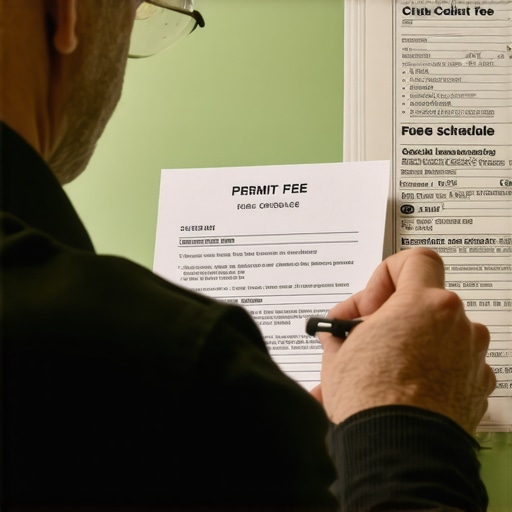 >Many homeowners believe that estimating costs for new builds or additions is straightforward, but the reality is far more complex. A frequent misconception is relying solely on initial bids without factoring in nuanced permit considerations. In my experience, one overlooked nuance is the variability in local permitting ordinances and hidden fees that can dramatically inflate project budgets. For example, some permit fees are based on property size, others on valuation, and these formulas often change without homeowners being immediately aware. Believing that the first estimate reflects the final cost can lead to serious surprises, especially if you’re not familiar with the intricacies of permit regulations in your jurisdiction.
Another common myth is assuming permit costs are fixed and non-negotiable. However, many municipalities offer mitigation programs or fee reductions for sustainable construction or affordable housing projects. Knowing how to navigate these options can save you thousands. A significant mistake is failing to ask detailed questions about potential extra charges like plan reviews, re-inspections, or environmental impact fees, which are often hidden in the fine print. For instance, some contractors may include an “estimate” that omits these charges, leading to budget overruns.
Let’s consider an advanced question: How can homeowners accurately forecast permit-related costs amid frequent regulatory updates? The key is proactive engagement with local permitting offices and leveraging online permit fee calculators, which are increasingly available in many cities. According to a study by the National Association of Home Builders, proactive communication and thorough research can reduce permit-related surprises by up to 30%.
Don’t assume that permit costs are static or universally predictable—each jurisdiction has its unique landscape. By staying informed and asking the right questions, homeowners can avoid costly pitfalls. For example, visiting your city’s official permit portal or contacting the permit office directly can provide current fee schedules and detailed breakdowns, preventing overestimation or underestimation. Additionally, consulting resources like our step-by-step guide can help you develop more accurate cost projections.
Have you ever fallen into this trap? Let me know in the comments. Remember, thorough research and proactive communication are your best defenses against unexpected permit expenses.
Invest in Digital Permit Management Software
One of the most effective ways I keep my projects running smoothly is by using dedicated permit management tools like permit tracking platforms. These systems allow me to organize all permit-related documents, deadlines, and correspondence in one place, reducing the risk of missing crucial steps or due dates. Personally, I rely on software like Procore or Buildertrend, which offer customizable dashboards that sync directly with my project schedule, ensuring permit milestones are monitored proactively.
Develop a Routine for Long-Term Compliance
To keep everything compliant over the life of a project, I implement a weekly review process. Each week, I verify that all inspections are scheduled, approvals are obtained on time, and any required documentation is updated. Using checklists tailored to my local jurisdiction—often based on resources I find at Navigating permit requirements—helps me stay organized and avoid costly delays caused by overlooked steps. Consistency in monitoring makes sheet work more manageable and encourages proactive communication with permit authorities.
Utilize Mobile Apps for On-Site Verification
When on-site, I use mobile apps such as PlanGrid or Fieldwire to access and update permits, inspection reports, and photos instantly. This immediate access allows me to verify compliance on the spot and document any issues promptly, reducing errors and rework. For example, I take photos of permit placards or inspection tags during visits, which confirms approval in real-time and keeps records readily available for audits or disputes. These tools streamline communication with inspectors and keep my project aligned with permitting requirements.
Predicting Future Trends in Permit Management
Looking ahead, I believe that blockchain technology might revolutionize permit handling by providing immutable records and streamlining approval workflows. This could mean faster processing times and increased transparency for all stakeholders. Early adoption of such innovative solutions may become essential—so I recommend experimenting with emerging digital tracking systems now to stay ahead of the curve.
How do I maintain permit compliance over time?
To sustain compliance, I schedule regular audits of my permit files, stay updated with local regulation changes through official channels or building department notices, and maintain open communication with inspectors. Investing in good organizational tools, like cloud-based document storage, ensures I can access everything when needed without scrambling at the last minute. Practice this consistently, and you’ll avoid permit-related setbacks that could jeopardize your project’s timeline or budget.
Take the initiative—try integrating a permit management app into your routine this month. It’s a game-changer for long-term projects. Want to learn more about the best tools for your type of build? Reach out through our contact page today!
After navigating the complexities of permit fees firsthand, I’ve realized that there’s a treasure trove of hidden lessons that can save homeowners both time and money. Here are some of the most impactful insights I wish I had known earlier:
When I Overlooked Local Variations, Costs Ballooned
I once assumed permit fees were standard across jurisdictions. That mistake nearly doubled my expected costs because I didn’t account for local fee structures or recent updates. Always verify with your city’s permitting office or trusted online calculators—this simple step can prevent costly surprises.
My Biggest Shock Was Relying Solely on Contractors for Estimates
Trusting my contractor’s bid without cross-checking led to inflated permit fees. It became clear that doing my homework—comparing official fee schedules and asking for detailed breakdowns—was crucial in identifying errors or unnecessary charges.
Hidden Fees Can Derail Your Budget—Watch Out for Extras
Inspection surcharges, plan review costs, and environmental impact fees often fly under the radar. I learned to request comprehensive lists of potential additional charges upfront. This proactive approach helps keep your project on financial track.
Software and Resources Are Your Best Allies
Utilizing online permit calculators and mobile apps for on-site checks proved invaluable. They provided real-time data, helped me stay organized, and made compliance checks straightforward. Incorporating these tools into your routine can significantly reduce errors and delays.
Proactive Engagement Keeps Fees Transparent
Regular communication with permitting offices and detailed documentation of all correspondence transformed my project. This habit protected me from discrepancies and empowered me to address issues swiftly, saving both time and money.
Curated Tools and Resources That Built My Confidence
- Permit Lookup Portals: City online calculators clarified fee expectations.
- Construction Edgez’s Guides: Their step-by-step articles provided clear strategies for verifying costs.
- Project Management Software: Platforms like Buildertrend kept my permits organized and deadlines visible.
- Mobile Apps: Apps like PlanGrid allowed instant on-site compliance checks and documentation.
Act Now and Demystify Your Permit Process
Empowering yourself with knowledge and tools transforms what could be an overwhelming process into a manageable part of home improvement. Don’t let permit fees catch you off guard—be proactive, ask questions, and leverage technology. Your perfect project budget is within reach.
Have you ever encountered unexpected permit costs? Share your experiences below—your story might help others avoid the same pitfalls!
,