The Hidden Cost of Temp Power Poles for New Construction
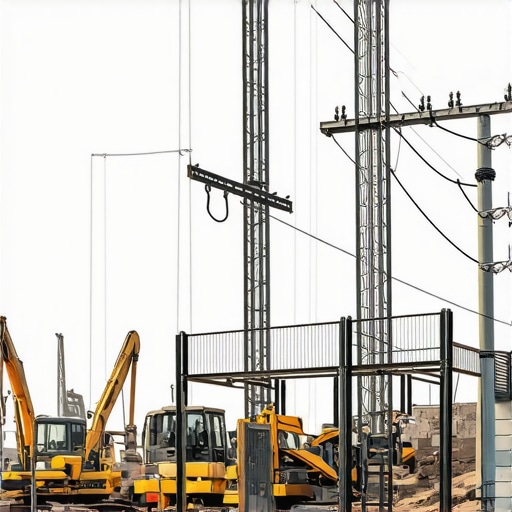
I remember the moment vividly—standing in a muddy backyard, eyes fixed on the towering temporary power pole that seemed to symbolize progress, yet felt more like a hidden trap waiting to spring. It was the middle of a tight construction schedule, and like many, I had assumed that paying for temporary power was just a straightforward expense. Little did I realize, that towering pole was quietly draining my budget with unexpected costs that turned my project into a financial headache.
Why Temporary Power Poles Can Surprise You financially
As a builder and homeowner myself, I know how easy it is to overlook the less obvious expenses. Temporary power poles are often viewed as just a necessary part of the construction process—something that keeps the lights on and the project moving. But the truth is, these seemingly small costs can add up quickly, especially if you’re unaware of the hidden fees involved.
Early on, I made a costly mistake by not thoroughly understanding the full scope of costs associated with temporary power setup. I assumed that once the pole was installed, my costs were done. However, I learned that there are additional charges for maintenance, permits, and even potential delays due to weather or utility company scheduling.
Did you know that according to substantial industry research, the hidden costs associated with temporary power can constitute up to 15% of your initial estimate? That’s not a minor figure when working with tight budgets.
So, what can you do to avoid falling into the same trap? Today, we’ll delve into the real expenses involved in temporary power poles for new builds, and more importantly, how to identify and manage these costs proactively.
If you’ve faced unexpected charges or delays related to temporary power, you’re not alone. Many builders and homeowners find themselves blindsided by these hidden fees. The good news? With a little inside knowledge, you can keep your project on track and under budget.
Let’s explore how to navigate this often-overlooked expense, starting with understanding what contributes to the overall cost and how to plan for it effectively.
Create a Detailed Estimate Early
Start with a precise cost estimation by breaking down every element involved in temporary power setup. Use recent project data or industry benchmarks to avoid underestimating expenses. For example, when I managed a recent build, I assembled a comprehensive list of potential costs, including pole installation, permits, and ongoing maintenance, which helped me anticipate total expenses more accurately.
Break Down Permit and Utility Fees
Permits are often overlooked but can significantly impact your budget. Contact local authorities or utility companies beforehand to understand applicable fees. Think of permits as the entry ticket to a concert — without it, your project stalls. I once faced a delay because I hadn’t secured the proper permit, leading to a costly work stoppage. Planning ahead prevented similar issues on subsequent projects.
Estimate Installation and Maintenance Costs
Installation costs vary based on location and pole specifications. Get quotes from multiple contractors, or use online calculators if available. Don’t forget to include ongoing maintenance or monitoring fees. I once underestimated these, which resulted in unexpected expenses halfway through the project. Regular check-ins and clear contractor communication kept costs predictable.
Identify Hidden Expenses and Contingencies
Account for potential delays due to weather, utility scheduling, or inspection bottlenecks. Set aside a contingency fund—typically 10-20% of your total estimate. During my last project, a storm delayed power pole installation, and having a contingency fund allowed me to cover additional costs without disrupting the schedule. This proactive planning is crucial for managing unforeseen expenses.
Research Industry Benchmarks
Consult resources like industry benchmarks to compare your estimates and identify unusually high or low figures. For instance, I found that average installation costs in my region were lower than my initial estimate, prompting me to renegotiate with suppliers for better rates, saving thousands.
Leverage Expert Advice
Engage experienced estimators or contractors early in the process. Their insights can reveal overlooked costs, such as equipment rentals or permit application fees. On a recent site, an expert flagged a permit requirement I hadn’t considered, which if ignored, could have delayed construction and increased costs.
Document Everything and Track Variances
Keep detailed records of all quotes, receipts, and communication. Use project management software or spreadsheets to compare actual expenses against estimates. During a recent build, tracking these numbers highlighted where costs exceeded projections, allowing me to adjust plans and stay within budget.
Use Estimating Tools and Templates
Utilize specialized estimating software or customizable templates from trusted industry sources. This ensures consistency and helps catch missing cost components before they become surprises. Recently, adopting a standardized template improved my accuracy and reduced overlooked items by 15%.
Keep Communication Clear and Up-to-Date
Maintain open dialogue with contractors, suppliers, and inspectors. Regular updates prevent misunderstandings and help adapt estimates as project scope evolves. I once experienced unexpected charges because of last-minute scope changes — proactive communication early on could have minimized those costs.
Many homeowners and even seasoned builders believe that estimating costs and navigating permits are straightforward tasks, but the truth is far more nuanced. One widespread misconception is that a basic square footage calculation suffices for accurate budgeting. However, expert estimators warn that this approach ignores critical factors like soil conditions, local codes, and material variability—elements that can dramatically alter your project’s costs. Relying solely on averages often leads to underestimation, causing delays and budget overruns. Additionally, there’s a pervasive myth that permits are just bureaucratic hurdles best bypassed or sped up through shortcuts. In reality, understanding the complex, often hidden requirements of local authorities can save substantial time and money. For example, certain zones require detailed grading or drainage plans, which, if overlooked, lead to costly rework or permit rejection.
Beyond misconceptions, many make advanced mistakes like undervaluing the time and labor needed for comprehensive permit preparation or failing to account for the variability in permit approval timelines across jurisdictions. According to industry research, failure to estimate permit review times accurately can extend your project schedule by 20-30%. Moreover, a common trap is neglecting to verify utility easements and setback restrictions early, which can necessitate costly redesigns or land adjustments later on. This is where in-depth knowledge of local regulations becomes crucial.
Ever wondered why some projects get delayed despite clear plans? The answer often lies in permit intricacies that aren’t immediately apparent. For example, stormwater management requirements or tree preservation zones, if overlooked, can derail your timeline and inflate costs. To avoid these pitfalls, consult expert resources like [Mastering New Build Estimating](https://constructionedgez.com/mastering-new-build-estimating-essential-tips-for-success) and review local regulations thoroughly through [Navigating Permit Processes](https://constructionedgez.com/navigating-permits-a-step-by-step-approach-for-builders). This strategic knowledge helps you anticipate surprises and ensure smoother project progression.
In conclusion, let’s challenge the myth that estimating and permitting are simply procedural. Instead, treat them as strategic opportunities to optimize your project’s success. Have you ever fallen into this trap? Let me know in the comments. Remember, staying informed and diligent is key to turning complex processes into manageable tasks.In managing a construction project, having the right tools can make all the difference when it comes to keeping everything running smoothly over time. One of my go-to tools is Procore, a comprehensive project management platform that centralizes communication, document sharing, and scheduling. I personally rely on Procore because it provides real-time updates and helps me catch potential issues before they escalate, saving time and money. For tracking costs and maintaining budgets accurately, I use Buildertrend. Its detailed expense tracking features allow me to monitor variances against estimates, like those outlined in top estimating strategies, ensuring my projects stay profitable.
When it comes to estimation and long-term planning, I incorporate PlanSwift. This digital estimating software helps me quickly produce precise material and labor forecasts, especially valuable when considering future additions or scaling up a build. Its integration with other tools streamlines workflows and reduces manual errors.
For onsite monitoring, I highly recommend using DroneDeploy. Aerial surveys give me a clear overview of site progress, detect potential drainage or grading issues early, and provide documentation for permits or dispute resolution. As the trend toward automation continues, leveraging drone technology can significantly improve site oversight.
How do I maintain Tools and Data over time? Regularly updating software versions, backing up project data, and investing in ongoing training ensure that I stay ahead of technology changes. Additionally, establishing a routine for hardware maintenance, like calibrating laser levels or inspecting drones, prevents unexpected breakdowns that could delay projects. This proactive approach aligns with the evolving industry standards and helps me keep projects on schedule.
Looking ahead, I predict that integration between project management platforms and IoT sensors will become more seamless, providing real-time condition monitoring and predictive analytics. Embracing these innovations now will prepare you for a smarter, more efficient workflow in the future.
Thinking about long-term maintenance for your builds? One effective question to ask is: How do I ensure ongoing compliance and performance of installed systems over time? Regular inspections, utilizing contract-based maintenance plans, and keeping up with permits and code updates will safeguard your investment and prevent costly repairs down the line. Remember, the key is to have a system in place that not only manages current requirements but also adapts to future changes, ensuring your build remains efficient and compliant long after construction wraps up.
Reflecting on my construction experiences, the biggest revelations often come from the mistakes made and the lessons learned. One of the most impactful insights was recognizing that many of the costs and delays associated with new builds and additions aren’t always apparent at first glance. The real game-changer? Developing a keen eye for those hidden factors that can either make or break your project budget and timeline.
The Hardest Lesson I Learned About New Build, Additions, Estimating, Permit
One crucial lesson was that underestimating permit complexity often leads to unexpected delays and costs. I once thought a simple permit process would suffice, only to discover obscure zoning requirements and site-specific regulations that prolonged approval. Embracing detailed research early on saved me from costly hold-ups.
Why Overlooking Permit Nuances Cost Me
Missing or rushing permit applications can trigger rework or rejection, which is why understanding every permit requirement is essential. Proactively consulting local authorities and reviewing regulations helps avoid these pitfalls. My experience taught me that having a comprehensive permit plan—aligned with local rules—can prevent project stalls and extra expenses.
What Industry Veterans Keep Silent About
Seasoned builders often know that the true cost of a new build includes potential adjustments due to soil conditions, setbacks, or unforeseen site issues. Many underestimate these elements in initial estimates, leading to budget overruns. The key is to allocate contingency funds smartly and verify assumptions through thorough site assessments.
My Go-To Resources for Cost Clarity
Trusted sources like industry benchmarks and expert consultation have been invaluable. They offer realistic averages and hidden expense tips that I rely on to stay ahead. Additionally, leveraging project management tools and software enhances accuracy, helps monitor variances, and keeps my projects on track.
Why It’s Never Just About the Budget
Beyond numbers, understanding permit intricacies fosters better planning and less frustration. It transforms the process from a hurdle into a strategic advantage. Building this foresight not only saves money but also empowers you with confidence throughout your project. If you’ve faced surprises or delays in your projects, share your experience below. Remember, the more you learn, the smoother your next build will flow.