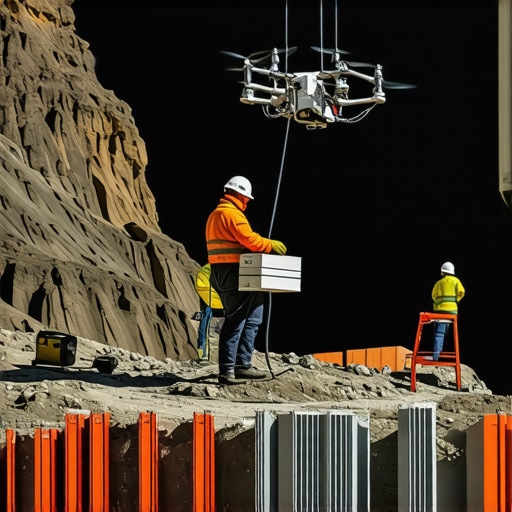

How to Budget for the Inevitable Mid-Construction Change Order
I vividly remember the moment I first watched a construction estimate spiral out of control—what started as a simple upgrade turned into a hefty unexpected bill. It felt like trying to catch a runaway train with a butterfly net. That lightbulb realization hit me hard: no matter how detailed the initial plan, change orders are as inevitable as rain on a roofing project. But here’s the truth—if you’re not prepared, those mid-construction surprises can devastate your budget and delay your project indefinitely.
Today, I want to share practical insights from my own experience, so that your next build or remodel can stay on track. We’ll dive into why planning for these changes is crucial beyond just having extra cash in your pocket. Think of it as building a safety net underneath a tightrope—necessary and smart.
Why Budgeting for Change Orders Is Non-Negotiable
Is the Hype Around Change Orders Overblown?
Many folks, including myself early on, believe that thorough planning can eliminate surprises once construction kicks off. I used to think that way too—until the first change request from a plumber or inspector came knocking. Turns out, according to industry data, unexpected changes can add an average of 10-20% to your original budget (source: [Construction Edgez](https://constructionedgez.com/top-estimating-strategies-for-accurate-project-budgets)). That’s not pocket change.
A critical mistake I made at the outset was ignoring the potential for unforeseen conditions—like soil stability issues or permit stipulations—that inevitably surface during construction. But recognizing this now, I see that the key isn’t avoiding change orders overall; it’s embedding flexibility into your budget and timeline.
The real goal? To be proactive rather than reactive. So, how do you do that?
First, understand that no matter how meticulous your initial estimate, some variables are beyond control. That’s why I always recommend learning effective strategies to anticipate and manage change orders. For example, streamlining permit acquisition (check out [this guide](https://constructionedgez.com/streamlining-permit-acquisition-for-faster-construction)) can minimize delays that often lead to costly adjustments.
Next, aligning with trusted professionals and having clear communication can help identify potential issues early, preventing surprises later. And yes, I’ll walk you through the practical steps to budget realistically for mid-project changes soon—stay tuned! Before we get there, let’s tackle what might be your deepest concern.
Can Budgeting for Change Orders Actually Save You Money?
Many skeptics worry that setting aside funds for inevitable change orders is just throwing money into a black hole. I get it. My initial approach was to keep estimates as tight as possible, fearing that extra allocated funds would be seen as unnecessary padding. But in reality, this mindset often led to stress, rushed decisions, and compromised quality.
What truly matters is strategic contingency planning—allocating a realistic percentage of your total budget for surprises. This approach ensures you’re prepared without overcommitting. Building this cushion can actually help you negotiate better with contractors, who appreciate clarity and fairness.
If you’re curious about how to craft a resilient budget that accounts for the unpredictable—without breaking the bank—I’ll guide you through specific tactics in the upcoming sections.
Break Down the Project into Phases to Control Changes
Start by dividing your build into clearly defined phases—design, approval, foundation, framing, finishing. During each phase, conduct thorough inspections and gather feedback from specialists. For instance, in my recent bathroom remodel, I segmented the work into plumbing, electrical, and tiling stages. By focusing on each separately, I identified potential issues early, reducing unexpected change requests later.
Prioritize Permits and Code Compliance to Prevent Surprises
Securing necessary permits upfront is akin to laying a solid foundation—skipping this step is like building on shifting sands. Research local regulations using resources like this permit guide and ensure your design aligns with code requirements. During my project in Atlanta, I obtained detailed permit approvals before commencing, which saved days of delays and change orders.
Develop Detailed Estimates With Built-In Contingencies
Think of your budget as a safety net—your estimates should be flexible enough to catch unexpected costs. Use comprehensive estimating strategies, referencing this resource to incorporate variables like material price fluctuations and site conditions. In my last project, including a 15% contingency prevented budget overruns when unforeseen soil issues arose.
Engage Trusted Contractors and Maintain Clear Communication
Partner with reliable professionals who provide transparent estimates and communicate openly. Regular meetings help spot potential issues early. I recall a situation where my HVAC contractor flagged a potential duct design change early, allowing us to adjust before installation—saving cost and time. Developing a collaborative relationship reduces guesswork and catches issues correctly the first time.
Implement Change Management Protocols
Adopt formal procedures for handling change requests—document the scope, cost, and timeline impact for each. Think of this as a traffic controller managing a busy intersection. For every change, review its necessity and implications before approval. During my recent addition, creating a change log helped me track adjustments and avoid scope creep, keeping the project within budget.
Leverage Technology for Real-Time Monitoring
Use project management software or estimating tools to track costs, schedules, and changes dynamically. Platforms like Trello, coupled with budgeting extensions, give real-time insights into variances. In one case, early detection of budget deviations allowed me to reallocate funds quickly, preventing delays. This digital oversight is invaluable for maintaining control over unexpected developments.
Prepare for the Unpredictable with a Strategic Cushion
Allocate a percentage—often 10-20%—of your total budget specifically for change orders. This isn’t extra fluff but a cushioning strategy that reflects the real-world chaos of construction. My experience has shown that honest contingency planning reduces stress and improves negotiations with contractors, who appreciate clarity and fairness.
Many homeowners and even seasoned professionals often believe that accurate estimates and proper permitting are straightforward processes, but that couldn’t be further from the truth. A frequent misconception is that once you have a detailed plan, surprises are rare. However, this overlooks the intricate or hidden factors that can substantially impact costs and timelines. One such nuance is the importance of understanding how local regulations and permit requirements vary—assuming a one-size-fits-all approach can lead to costly delays. For example, some regions impose specific setback rules or soil tests that many overlook during early planning stages, leading to unexpected redesigns or permit rejections. Instead, it’s crucial to familiarize yourself with local permit processes from the outset, as these often contain hidden hurdles that trip up even experienced builders.Maintaining momentum in a construction project requires more than just good planning; it demands selecting the right tools and establishing effective routines. Over the years, I’ve honed my toolkit to include software and methods that ensure transparency, control, and adaptability throughout the build. One tool I rely on heavily is Procore, a comprehensive project management platform. It consolidates communication, schedules, change orders, and documentation in one cloud-based space, making real-time tracking accessible from anywhere. This is essential for spot-checking tasks, managing permits, and catching issues early—saving countless hours and money.
Another indispensable resource is Fieldwire, a jobsite app that combines task management with punch lists and plan markups. Its ability to sync with scaled drawings ensures everyone stays on the same page—literally—reducing errors and rework. For budgeting and estimating, I trust RSMeans Data, which provides detailed cost data that I cross-reference during each phase. Using these resources helps me create contingency buffers and adjust plans dynamically.
To streamline permit acquisition, I meticulously follow [this guide](https://constructionedgez.com/streamlining-permit-acquisition-for-faster-construction) to anticipate permit hurdles and document requirements, thereby avoiding delays. Regular audits using checklists derived from such resources keep my team aligned and prepared for inspections.
Looking ahead, the trend is toward integrating AI-powered project analytics that predict risk factors before they materialize, ultimately minimizing downtime and unexpected expenses. Embracing this technology now can put you ahead of the curve.
**How do I maintain tools over time?** Consistent updates and staff training are key. Software updates often bring new features that can optimize workflows further, but only if your team is familiar with them. Schedule periodic training sessions and review usage logs to identify underutilized features that could save you time.
Finally, establish a routine to evaluate your toolkit’s effectiveness after each project. Did a particular software help identify issues faster? Did a hardware device improve site safety? Use these insights to refine your process continually.
Implementing a combination of these tools and routines ensures your project maintains its trajectory, even when unforeseen challenges arise. For example, adopting real-time monitoring software not only offers immediate insights but also helps in long-term trend analysis—key for scaling successful strategies across multiple projects. If you’re ready to take your project management to the next level, start by integrating a platform like Procore and commit to regular training. Over time, these investments will manifest as smoother builds, happier clients, and a more resilient workflow.
Lessons That Only Experience Can Teach
One of the most eye-opening lessons I learned was that even the most carefully crafted plans are subject to unforeseen twists. Embracing flexibility early onsaved me from costly mistakes later. Another key insight was that building relationships with reliable vendors and contractors creates a network of trust, enabling smoother adjustments when surprises appear. Lastly, I realized that the smallest details—like thorough site inspections and clear documentation—can prevent big headaches down the line, saving both time and money.
Tools and Resources That Changed My Approach
Over the years, I’ve leaned heavily on platforms like this permit guide to streamline approvals and reduce delays. Top estimating strategies have helped me create realistic contingencies without overburdening the budget. For project management, comprehensive tools like Procore and Fieldwire keep every team member aligned. These resources have been vital in managing change orders proactively and maintaining control over costs and timelines.
Your Next Step Toward Confident Building
Jumping into a build or remodel can feel daunting, but armed with the right knowledge and tools, you’re already on your way to success. Embrace adaptability, leverage proven resources, and prioritize transparent communication. Remember, every challenge faced is a chance to learn and strengthen your skills. With these strategies, your project will not only stay on track but also become a rewarding journey. Are you ready to apply these insights to your next project and see the difference it makes?