
How to Strip Ghost Labor From a Framing Bid
Picture this: you’ve just received a framing bid that seems too good to be true. Your heart races as you scan the numbers, only to realize that hidden costs—ghost labor—might be lurking beneath the surface. I learned this lesson the hard way early in my contracting career when I trusted a bid that promised everything but delivered unexpected expenses. Days later, I found myself scrambling to cover costs I hadn’t anticipated, all because I didn’t spot the ghost labor hidden within the estimate. That experience was a wake-up call. Today, I want to help you identify and strip away those sneaky costs that inflate your bids without adding value.
Why Ghost Labor Secretly Drains Your Profits
In the world of construction estimates, ghost labor refers to unaccounted or inflated hourly charges for workers that don’t contribute directly to your project. It’s a sneaky way contractors pad their bids, often under the guise of overhead or contingencies, and it can cost you thousands—sometimes more than 10% of your total project budget. Did you know that according to a recent study by Construction Dive, ghost labor can account for up to 15% of project overruns? That’s not chump change, and it’s why recognizing these hidden costs is essential to maintaining profitability.
If you’re like me, you’ve probably been caught off guard once or twice, especially when the bid seemed unexpectedly high or when you discovered last-minute change orders that weren’t initially disclosed. These situations highlight a common mistake: taking estimates at face value without digging into the details. Early in my career, I made the mistake of assuming that all labor costs in a bid were transparent. Turns out, many contractors include ghost labor to cover potential delays or unforeseen issues, even if they don’t actually perform that work upfront. This misstep can severely inflate your budget and throw off your project’s profitability.
If you want to avoid this trap, understanding exactly how to scrutinize framing bids is vital. By breaking down the labor components and confirming who’s doing what—and when—you’ll be able to spot unnecessary charges and refine your estimates with confidence. Ready to learn how to peel back the layers of a typical framing bid? Let’s get started.
What You Need to Know About Inside the Bid
Break Down the Labor Line Items
Start by requesting a detailed line-item estimate from your subcontractor or supplier. Think of it like dissecting a recipe—each ingredient (or cost) should have a clear purpose. I once reviewed a bid where the labor costs seemed reasonable until I noticed a single line—”General Labor”—with a suspiciously high hourly rate. I asked for the breakdown and uncovered that several tasks were lumped together, masking ghost labor charges. By dissecting these line items, you verify who’s doing what and confirm if the hours align with industry standards. Consulting estimating guides can help you benchmark typical labor hours for your project type.
Compare Actual Workforce Rates to Local Averages
Locate the actual labor rates in your area—this is your “truth thermometer.” Use local wage surveys or industry databases, like those found in local rate comparisons, to see if the bid’s labor costs are inflated. I remember a project where the contractor’s quoted rate was 20% above the local average, and upon negotiation, I persuaded them to align their rates. If the bid’s numbers are notably higher, it hints at ghost labor or unnecessary padding, which you can challenge or remove to reduce costs.
Identify Unused or Overlapping Tasks
Scrutinize whether all labor lines represent tasks actually needed at that stage of the project. Think of ghost labor as an extra set of hands waiting in the wings but not contributing immediately. For instance, an estimate might include crews working on framing while drywall installation is already scheduled, which can be a red flag. Always cross-reference your project schedule to ensure tasks and labor hours synchronize. This approach was pivotal when I reviewed a bid where the framing crew hours exceeded the typical duration, indicating possible padding or ghost labor. Eliminating redundant tasks can save considerable money, and you can learn more about project planning at home addition estimates.
Question Hidden Costs and Overhead Charges
Sometimes, ghost labor isn’t just about unbilled work but includes inflated overhead and contingencies. To detect these, look for vague or generic entries like “miscellaneous labor” or “unforeseen costs.” I once challenged a bid where 15% of the total was allocated for “contingencies” without detailed explanation. By requesting proof—such as prior invoices or project logs—I verified whether these costs were justified. If not, negotiate to cut back or clarify these charges, ensuring your bid reflects only real costs.
Leverage Software and External Data
Using estimating software or online databases can serve as a reality check against your bid. Cross-reference the labor hours and rates with trusted tools—some platforms allow you to input project specifics and compare against regional data. This process is like using a GPS to verify your route—making sure you’re not veering into ghost labor territory. Incorporate these checks early, and you’ll spot inflated charges before they impact your project budget.
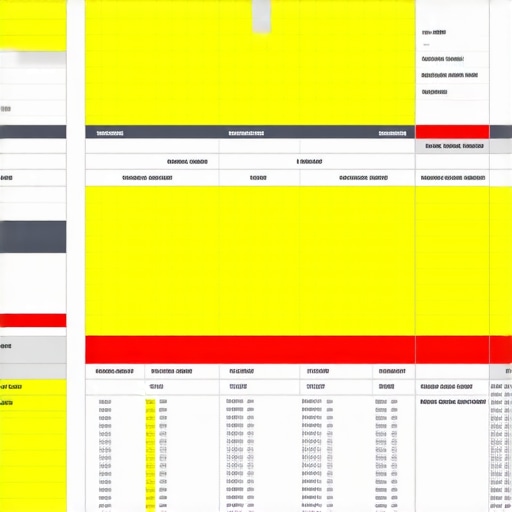
Visual reference: a detailed breakdown of a framing bid with highlighted suspicious line items and local wage comparison charts.
Many professionals believe that accurate estimating and seamless permit acquisition are straightforward tasks: gather your costs, file your paperwork, and go. However, the reality is far more intricate. A common misconception is that estimating is purely about crunching numbers—yet, in my experience, neglecting certain nuances can doom a project from the start.
One outdated myth I often encounter is that every hidden cost can be anticipated and accounted for upfront. The truth is, some costs evolve during construction, especially those related to permit negotiations and unexpected site conditions. Relying solely on initial estimates without considering these dynamic factors can lead to significant overruns.
Why do most estimates fail to capture the full picture?
Think about the hidden costs tied to permit processes—things like zoning conflicts, variance requests, or community consultations—that aren’t always evident during initial planning. According to a study by the Urban Land Institute, nearly 30% of project delays and budget overruns are attributable to permit and zoning hurdles that were underestimated or overlooked. This indicates a critical gap in how many builders approach project planning.
Furthermore, there’s a trap in assuming permits are a bureaucratic formality. In practice, permit requirements can vary dramatically based on local regulations, environmental constraints, and even neighborhood covenants. I’ve encountered situations where missing a minor detail in permit applications resulted in months of delays and hefty fines. To avoid this, it’s vital to understand the complex permit landscape before you even start estimating.
How can advanced estimation strategies prevent costly surprises?
First, incorporate a risk buffer—not just for materials and labor, but also for permit-related uncertainties. This isn’t about guesswork; it’s about realistic contingency planning based on local data, which you can access via experts or dedicated consultants. Engage with planning authorities early to identify potential hoops and include these variables in your initial estimate.
Additionally, leveraging detailed permit process knowledge—like steps, typical timelines, and common pitfalls—can significantly improve forecast accuracy. For example, understanding that a specific zone requires an extra site survey can save weeks of delays. Resources like navigating permit requirements can serve as invaluable guides.
Finally, avoid the trap of static estimates. Regularly update your figures as new site data or regulatory updates emerge. This dynamic approach aligns your project more closely with reality and helps prevent unpleasant surprises. Want more in-depth strategies? Check out our step-by-step guide.
Have you ever fallen into this trap? Let me know in the comments!
Invest in the Right Equipment for Long-Term Reliability
Maintaining momentum throughout a build requires dependable tools that stand the test of time. Personally, I rely heavily on high-quality laser levels, like the Leica D2, which offer unparalleled accuracy over extended periods, reducing rework caused by measurement errors. Using durable, well-calibrated equipment minimizes downtime and keeps your schedule on track. When investing, consider the trend towards rugged, wireless tools that sync effortlessly with your digital workflow, ensuring you’re always working with up-to-date data. Future tools are moving towards automation and AI integration, promising even faster and more accurate project management.
Leveraging Software to Streamline Project Management
Beyond physical tools, robust project management software is essential. I personally use Buildertrend, primarily because of its seamless integration with scheduling, resource allocation, and document sharing, which keeps everyone aligned. For estimating and change management, PlanSwift provides rapid takeoff capabilities that help spot errors early, saving valuable time. Embracing these digital tools leads to better communication and fewer costly mistakes. As these platforms evolve, expect cloud-based AI features that automatically detect discrepancies or suggest cost-saving alternatives based on real-time data.
Strategies for Consistent Long-Term Results
Achieving long-term success isn’t just about the tools—it’s about adopting disciplined workflows. I recommend establishing routine check-ins with your team using digital dashboards. Regular audits of project data—like verifying site conditions with drone surveys—are invaluable. Additionally, maintaining an up-to-date database of local labor rates, permit requirements, and materials costs helps cut through the fog of ever-changing variables. These practices ensure you’re prepared, minimizing surprises and keeping projects on schedule.
How do I maintain equipment and software over time?
Consistent maintenance of your tools is crucial. For hardware, schedule regular calibration and cleaning to prevent inaccuracies or breakdowns. Software updates should be part of your routine, as they often include security patches and new features that improve efficiency. For instance, keeping your estimating platforms current ensures you’re leveraging the latest cost data, reducing the risk of ghost labor sneaking into your bids. Remember, well-maintained tools translate into fewer delays, better estimates, and happier clients.
If you haven’t yet, try integrating drone surveys into your site assessments. They provide quick, comprehensive overviews that can reveal site complexities early, saving you from costly redesigns or permit delays. Looking ahead, expect AI-powered tools to take over some of these routines, offering predictive insights that help you plan more accurately. For more actionable strategies, check out our detailed guide.
Remember, the key to lasting project success is proactive maintenance—both of your tools and your processes. Staying ahead ensures projects remain on track and within budget, paving the way for your reputation as a reliable contractor. So, make it a habit to review your equipment and software routines regularly, and you’ll notice your projects run smoother, longer.

Image illustrating a construction site with drone surveying equipment, a tablet displaying project management software, and well-maintained tools laid out neatly.
In my years of navigating the complexities of construction projects, one thing became clear: the devil is in the details, especially when it comes to estimating. I learned the hard way that overlooking subtle costs like ghost labor and permit pitfalls can turn a promising project into a financial nightmare. Today, I want to share key lessons learned from years of experience, so you can avoid common pitfalls and craft estimates that truly reflect reality.
The Hidden Lessons Construction Doesn’t Tackle Head-On
- Ghost labor isn’t just a myth—it’s a silent profit killer. Early in my career, I trusted bids without scrutinizing labor line items. It wasn’t until I experienced unexpected charges that I realized unaccounted labor could inflate costs by 10-15%. Always dissect labor estimates, ask for detailed line items, and compare those against local wages. This vigilance can save thousands.
- Permit miscalculations can sneak up on you. Many underestimate permit delays and fees because they rely on generic timelines. Engaging early with local authorities and understanding specific requirements helps incorporate these variables into your estimates. Remember, a permit delay can be more costly than the project itself if not planned for properly.
- Overconfidence in initial estimates is a trap. Projects evolve, and so do costs. Regularly updating your estimates with real-time data—site conditions, regulatory changes, and material prices—keeps your budget accurate and reduces surprises.
Tools and Resources That Keep Me Ahead
- The comprehensive step-by-step guide for home additions is my go-to for understanding the nuances of modern estimates. It consolidates the latest strategies in one place, saving me hours of research.
- For comparing regional wages and labor rates, local rate comparison tools provide clarity and help catch inflated bids.
- Using estimating software like Buildertrend streamlines project management and helps verify costs early, reducing ghost labor risks. Integrating these digital tools has transformed my workflow and accuracy.
- Don’t forget to stay updated with local permit regulations. Knowledge here is power, preventing costly delays and fines.
Your Next Project is Waiting—Don’t Leave Money on the Table
With the right mindset and tools, estimating becomes not just about number crunching but about strategic foresight. Embrace detailed analysis, stay curious about the fine print, and continuously refine your approach. The future of successful construction hinges on your ability to detect hidden costs early and adjust accordingly.
Are you ready to refine your estimating process and reclaim profit margins? Share your experiences below—what’s your biggest lesson learned when estimating projects?