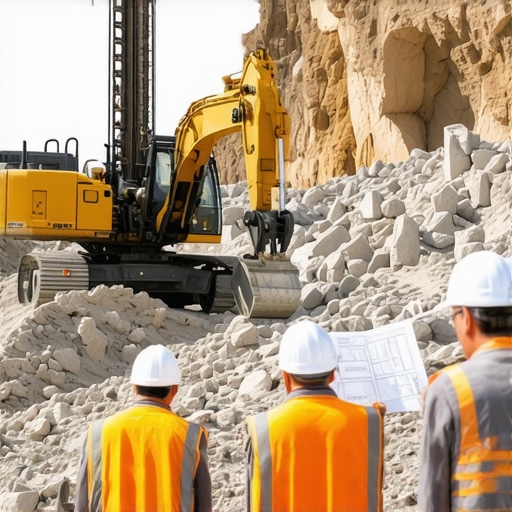
Why Your Excavation Bid Needs a Hard-Rock Clause
I remember the moment clearly. We had finally settled on a budget and timeline for our home addition, eyes glowing with anticipation. Then, out of nowhere, a contractor casually mentioned that the excavation costs were soaring—thanks to unexpected bedrock, which they hadn’t anticipated during the initial estimate. It hit me like a ton of bricks. All that planning, all that money, suddenly threatened to spiral out of control because I overlooked an essential detail: a hard-rock clause in my excavation bid.
The Hidden Trap in Excavation Bids
Years ago, I learned a tough lesson: assumptions in contract estimates can be your worst enemy. When I first dived into renovations, I naively thought that excavation was straightforward—digging, moving dirt, that was about it. But the reality? Subsurface conditions can make or break your project’s budget. A rock-hard layer of bedrock or ledge? That can double or even triple your excavation costs if not properly accounted for. And yet, many homeowners skip the critical step of including a hard-rock clause in their bid, thinking it’s an unnecessary extra cost.
Including a hard-rock clause acts as a safety net. It ensures that unforeseen rock formations don’t eat into your budget without warning. From personal experience, I’ve seen projects stall or go over budget because this simple piece of contract language was missing. The difference between a project that stays financially on track and one that spirals into chaos often comes down to this little detail—trust me on that.
Could You Be Underestimating Your Excavation Costs?
It’s common to rely solely on initial bids that don’t account for challenging soil conditions. Did you know that the U.S. Geological Survey found that unexpected bedrock can be present in up to 60% of residential excavation sites? Ignoring this risk can lead to surprises—costly, stressful surprises—that delay your entire project. Have you encountered this issue before, or are you worried it might happen to you? If so, it’s crucial to understand how to protect yourself.
Early on, I made the mistake of trusting a bid that didn’t include a hard-rock clause, which resulted in an unanticipated $15,000 surge. That experience woke me up—I realized that thorough contract language wasn’t just a formality; it was an investment in my peace of mind. If you’re about to start a new build or addition, I highly suggest reviewing your excavation contracts carefully. For some practical tips, check out our guide on estimating costs for new builds.
In the upcoming sections, I’ll walk you through how to spot potential rock issues early and what clauses you should insist on to keep your project on track. Preventing budget overruns isn’t just about crunching numbers; it’s about understanding the ground beneath your feet—and protecting yourself from surprises that can derail your dreams. Ready to dig deeper? Let’s lay the groundwork for a foolproof bid that accounts for the unexpected.
.
Identify Subsurface Conditions Early
Start with a comprehensive soil analysis by hiring a geotechnical engineer. During a project I managed, we arranged for a soil test before breaking ground. The engineer’s report revealed a layer of dense bedrock at 4 feet, which was lower than previous estimates. This proactive step saved us from surprise costs later and helped us plan accurately.
Include a Hard-Rock Clause in Your Contract
Draft your excavation contract to specify responsibilities if bedrock is encountered. Use precise language, such as “If bedrock is encountered below the specified depth, contractor shall notify owner immediately and adjust work scope and costs accordingly.” When I worked through my own project, I negotiated this clause upfront, which prevented disputes and unforeseen charges.
Request Detailed Bid Breakdown
Ask your contractor for a detailed estimate that separates excavation costs, including rock removal. During my renovation, I reviewed the bid line-by-line and noticed a hefty charge for rock blasting. Recognizing this allowed me to compare bids effectively and ensure transparency. For tips on reviewing estimates, see this guide.
Plan for Contingencies
Allocate a contingency budget—typically 10-15% of total excavation costs—to cover unexpected bedrock. In my case, setting aside $5,000 prevented project delays when bedrock was encountered unexpectedly. This proactive budgeting ensures you’re prepared financially for surprises.
Coordinate with Geotechnical Experts
Engage with soil engineers and excavation specialists early in planning. I brought in a geotechnical engineer to review findings and advise on drilling techniques. Their expertise helped me choose the right equipment and methods for efficient rock removal, saving both time and money.
Document All Agreements
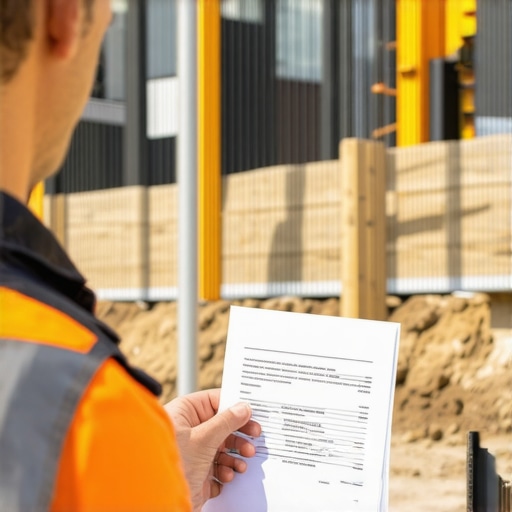
Keep detailed records of all inspections, reports, and contractual clauses. During my project, thorough documentation helped settle disputes swiftly and kept everyone aligned. If you need help in drafting or reviewing contracts, consider consulting experts via our contact page.
Leverage Experience and Resources
Use insights from experienced contractors or industry resources to anticipate challenges. I attended industry seminars and read reports, which improved my understanding of bedrock issues—crucial for negotiations and planning. Staying informed is key to avoiding costly oversights.
By systematically following these steps, you can effectively account for hidden bedrock in your excavation budgeting, reducing surprises and keeping your project on track.
 Many homeowners and even seasoned contractors often believe that permit acquisition and cost estimating are straightforward steps, but in reality, these areas are riddled with subtle complexities that can trip you up if you’re not paying attention. While most people focus on getting approved permits and initial bids, they overlook the nuanced details that can make or break a project’s success.
Why Relying Solely on Initial Estimates Can Cost You Big
It’s a common misconception that initial construction estimates are comprehensive. However, studies have shown that up to 30% of project costs are often underestimated due to overlooked variables like soil conditions, material price fluctuations, or hidden code requirements. Relying only on early estimates without considering these factors can lead to significant overruns, especially if you’re unaware of sophisticated pitfalls like permit complexities or zoning restrictions. To avoid this, review your estimates meticulously and consider adding contingencies according to expert estimation strategies.
Invest in Advanced Project Management Software
From my experience, using Procore has revolutionized how I oversee construction timelines and budgets. Its real-time tracking capabilities help me identify potential delays or cost overruns before they escalate, enabling proactive adjustments. Additionally, its document management feature ensures that all plans, permits, and communication are centralized, reducing miscommunication risks. As construction projects grow more complex, investing in such software becomes essential to maintain control and transparency.
Implement Regular Site Inspections and Maintenance Protocols
Consistent inspections are vital. I schedule weekly walkthroughs, focusing on structural integrity, safety compliance, and equipment condition. For maintenance, I rely on a checklist that covers essential tasks like equipment calibration, material storage conditions, and safety gear checks. This routine helps catch minor issues early—saving money and avoiding project delays. Moreover, fostering a culture of accountability among workers encourages everyone to keep standards high and alert me to emerging problems swiftly. To streamline communication, I use Slack integrations for instant updates and coordination.
Choose Reliable Equipment and Use Precise Calibration Methods
Quality tools are worth the investment. I prefer using Leica Geosystems’ robotic total stations for surveying due to their high accuracy and ease of use. Precise calibration is critical—incorrect measurements can lead to misaligned structures, costly rework, or permit issues. I calibrate equipment daily before starting work and keep detailed logs, referencing techniques recommended by Leica Geosystems. Consistent calibration ensures data integrity and project fidelity over the long term, especially when scaling up or replicating designs across multiple sites.
Leverage Data Analytics to Predict and Prevent Problems
Data-driven insights can drastically improve your project’s longevity. I analyze trends from previous projects regarding material costs, contractor performance, and weather patterns using platforms like Tableau. This analysis informs risk assessments and contingency planning, ultimately reducing unforeseen expenses. As the construction industry moves toward automation, I predict that AI analytics will become standard, providing predictive insights that enhance decision-making. Embracing this technology now can give you a competitive edge in managing larger, more complex projects.
How do I maintain tools and systems over time?
Regular maintenance and updates are key. Schedule quarterly reviews of your software licenses and hardware performance. Keep spare parts and calibration kits handy for tools like laser levels and excavation equipment. Continuous training for your team on the latest features and maintenance protocols helps prevent user errors. I also ensure that safety protocols include proper tool care—improperly maintained equipment not only risks delays but also safety violations. Staying proactive with maintenance ensures tools remain reliable, and your project proceeds smoothly. For more detailed strategies on estimating and managing project costs, visit this resource.
Over the years, I’ve faced countless surprises lurking beneath the surface of renovation projects. One of the most eye-opening lessons was realizing how overlooked soil conditions can derail months of planning and tens of thousands of dollars. The key takeaway? Never underestimate what’s beneath your feet. Early soil analysis and clear contractual clauses are your best friends when navigating permits and estimates for permit,estimating,additions,new build projects.
Lessons That Changed My Approach to Groundwork
- Listen to the Geotechnical Experts: A thorough soil test can reveal hidden bedrock layers, saving you from unexpected costs. Trust me, paying for a detailed analysis upfront can prevent budget-busting surprises later.
- Protect Yourself with Precise Clauses: Including specific language about bedrock and unforeseen conditions in your contract has saved me from disputes and extra charges. It’s worth the time to negotiate these details before breaking ground.
- Recognize the Power of Contingency Budgets: Setting aside a percentage of your total excavation cost ensures you’re prepared when real-world conditions differ from estimates. It’s a safety net that offers peace of mind.
- Leverage Industry Best Practices: Regular collaboration with geotechnical engineers and experienced contractors fosters proactive problem-solving. Their insights can steer you clear of costly pitfalls and keep your project on track.
- Document Every Step: Keeping detailed records of soil reports, contractual clauses, and inspections helps in resolving disputes swiftly and confidently. Transparency is your safeguard in complex projects.
My Essential Toolbox for Permit,Estimating,Additions,New Build Triumphs
- TerraSoft Soil Testing Kits: Reliable for preliminary assessments, these kits provide quick insights before hiring specialists.
- Construction Contract Templates from ACE Contracts: Customizable clauses that emphasize unforeseen conditions and hard-rock obligations.
- Permit Management Software like BuilderTrend: Keeps track of documentation, deadlines, and communications with authorities and contractors.
- Guides from ConstructionEdgez: Resources like estimating cost strategies and permit processes empower homeowners with knowledge and confidence.
Your Next Step to Confident Construction
Embarking on permit,estimating,additions,new build projects doesn’t have to be daunting. The secret lies in early planning, expert collaboration, and meticulous documentation. By integrating these lessons into your process, you’ll stand a better chance of turning your dream home into reality without unexpected setbacks. Remember, the effort you invest in understanding the ground beneath your project pays dividends in savings and peace of mind. Ready to take the first step? Reach out to our team through our contact page and start building with confidence. What’s been your biggest surprise during ground preparation? Let me know below, and let’s learn together.”}#END} }}awed to
dnalyze-realground conditions early and insist on clear contractual protections. This combination has been pivotal in avoiding budget overruns and project delays. Don’t underestimate the value of a detailed soil report or the peace of mind that comes with well-drafted clauses—these are your safeguards against costly surprises.
Seize the Advantage with Expert Resources
To deepen your understanding and refine your approach, explore trusted resources like this guide on estimating costs. Engaging with experienced geotechnical engineers, legal professionals, and seasoned contractors can transform your project from stressful to successful. These experts continually share insights that help homeowners stay ahead of challenges and make informed decisions early in the process.
Use Your Power to Shape Your Building Journey
Every project is a learning opportunity, and your proactive steps today will pave the way for smoother construction experiences tomorrow. By embracing thorough soil analysis, clear contractual language, and leveraging trusted tools, you’ll strengthen your ability to navigate permit,estimating,additions,new build endeavors confidently. Have you faced soil surprises or contract disputes? Share your story below—your insights may inspire someone else to prevent the same pitfalls. Together, we can make home building a journey of empowerment and success.
}#END} />}**}}}#END}**# Short Answer**{