Why Your Site Prep Quote is Higher Than the Actual Digging Cost
I remember the first time I got a site preparation quote that left me scratching my head. The number was astronomically higher than I expected—so high it made me doubt whether I should even proceed with my project. That moment was a lightbulb for me: something was off. I realized that the initial quote didn’t represent the actual digging costs but a pile of inflated line items and hidden fees that contractors often hide or overestimate. This experience sparked my quest to understand why site prep quotes tend to skyrocket beyond the actual digging costs—and more importantly, how homeowners can spot these inflated estimates before they drain their budget.
Getting to the Bottom of the Discrepancy
Many homeowners, myself included, fall prey to inflated site prep estimates. Why does this happen? From my own mistakes, I learned that overestimating or padding estimates can be a contractor’s way to guard against unforeseen issues or to pad their profit margins. Early on, I made the critical mistake of trusting the first number I received without digging into the details. That oversight cost me thousands—and it could do the same to you. Knowing what truly influences these quotes is key.
Are Hidden Line Items Worth the Hype?
One common misconception is that all line items are necessary or accurate. I was guilty of accepting certain surcharges without question—like soil stability fees or permit surcharges—only to find that some were unnecessary or inflated. Did you know that some estimates include costs for services that aren’t applicable to your project, or worse, are exaggerated to increase the contractor’s profit? For example, soil stability fees are sometimes duplicated or inflated, costing you more than needed. To avoid these tricks, it’s vital to verify each line item carefully. And if you’re feeling overwhelmed, consulting resources like this step-by-step guide can help you understand what should be included in your estimate.
So, if you’ve faced a site prep quote that seemed disproportionately high, you’re not alone. This post promises to illuminate the reasons behind these inflated estimates and equip you with proven strategies to spot and eliminate unnecessary charges, saving you thousands. Ready to dive into the details? Let’s get started and arm you with the knowledge to challenge those costly estimates confidently.
,
Break Down Your Quote Line by Line
Start by requesting a detailed breakdown of all costs involved, much like examining each item on a grocery receipt. When I had my recent site prep quote, I asked for a line-item list and scrutinized every charge. For example, soil stabilization was listed with multiple charges; I researched typical costs and found it was inflated. Use resources like this step-by-step guide to understand what each line should include.
Verify Hidden Fees and Unnecessary Add-ons
Many estimates include optional or inflated fees—like permit surcharges or extra equipment costs—that may not apply. I received a charge for a drainage survey I didn’t need; after consulting with a local inspector via contact-us page, I confirmed it was unnecessary. Always ask contractors to justify each fee, and cross-reference with local regulations or standards.
Research Typical Costs for Your Area
Local prices can vary widely. To avoid paying above-market rates, I checked cost averages in my neighborhood using online resources and comparisons. For instance, I found the soil excavation rate I received was double the regional average. Access local data through sites like this resource to benchmark costs effectively.
Request Multiple Quotes and Compare
Never settle on the first estimate. I obtained quotes from three different contractors and compared their line items. This exposed one contractor’s vague description and inflated soil fees. A comparison helps identify discrepancies and spot overestimated charges. Use this approach regularly to maintain leverage and ensure fair pricing, especially when estimating for complex phases like foundation or grading.
Evaluate Contractors’ Reputation and Past Work
Trustworthy contractors will provide references and tangible examples. I reviewed previous projects and found consistent pricing patterns. This step prevents falling for contractors who pad estimates for profit rather than genuine costs. Seek references through sites like our contact page, or review online feedback to gauge reliability and honesty in quoting.
Use Tools and Resources for Estimating Accuracy
Leverage specialized tools or online calculators to verify estimates. For example, I used online soil stabilization calculators and matched their results with my quote; discrepancies alerted me to overcharges. Exploring resources like this expert guide can enhance your understanding of fair costs and help you identify inflated charges effectively.
Prepare for Negotiation and Adjustment
Armed with detailed knowledge, approach your contractor for adjustments. I pointed out specific overcharges and requested revisions, which led to significant reductions. Approaching negotiations confidently can save thousands and ensure your project stays within budget.
By systematically dissecting quotes, verifying line items, and researching local averages, you can prevent inflated costs from sabotaging your project budget. These tactics transform guessing into informed decision-making, empowering you to control costs proactively.
One of the most overlooked aspects of new construction and additions is the misconception that permit processes and estimating are straightforward, clear-cut tasks. In reality, many homeowners fall into a trap of oversimplification—believing that once the permit is approved, everything else will proceed smoothly. However, experts warn that neglecting the nuanced permit requirements and estimation pitfalls can lead to costly delays and budget overruns. It’s not enough to assume that local codes are standard; each project often involves hidden complexities that, if misunderstood, can derail your entire timeline.
What Are the Subtle Tricks That Inflate Estimates?
Many homeowners think accurate estimates are just about soil costs and foundation work. In truth, the devil is in the details—hidden line items like tech surcharges, recycled material fees, or surcharges for soil stability can silently inflate your budget. A study by the Construction Edgez team revealed that up to 20% of estimated costs can be due to overlooked line items, emphasizing the importance of thorough vetting. It’s a common myth that all line items are transparent; in practice, many are obscured or misrepresented, making vigilant review crucial before signing any contract.
Furthermore, the misconception that permit requirements are static is dangerous. Local regulations often change, and some homeowners underestimate the impact of planning setbacks, zoning variances, or environmental restrictions. This oversight can cause serious delays. For instance, recent trends show that certain ecological assessments, like wetlands or protected habitats, may unexpectedly trigger additional permit fees—costs that can be mitigated with proactive understanding. To master this, review resourceful guides like this detailed overview on navigating permits effectively.
Have you ever fallen into this trap? Let me know in the comments. Remember, the key is to dig beneath surface-level estimates and understand every potential line item—whether hidden or standard. Think of it as a detailed audit rather than just a quick glance. This depth of knowledge doesn’t just save money; it prevents projects from stalling, ensuring smoother progress from blueprint to finish.
Advanced Question: How can you leverage digital tools to anticipate hidden costs?
Proptech solutions and digital modeling are increasingly valuable for foreseeing unexpected expenses. Tools like 3D modeling and permit simulation software can reveal early-stage bottlenecks—saving days or even weeks of unnecessary delays. According to a recent industry report, integrating these technologies into your planning can reduce unforeseen costs by up to 15%. Adopting such tools is becoming essential for the savvy homeowner aiming to keep tight control over their budget and timeline.
In summary, the most overlooked mistake is assuming that estimates and permit requirements are simple. In reality, they are complex, layered, and often contain hidden pitfalls. Awareness and proactive research are your best defenses. Make sure you thoroughly review every line item and stay updated on local regulations—this approach can significantly reduce surprises, keeping your project on schedule and within budget.
.
Keep Your Construction Projects Running Smoothly with Proven Tools
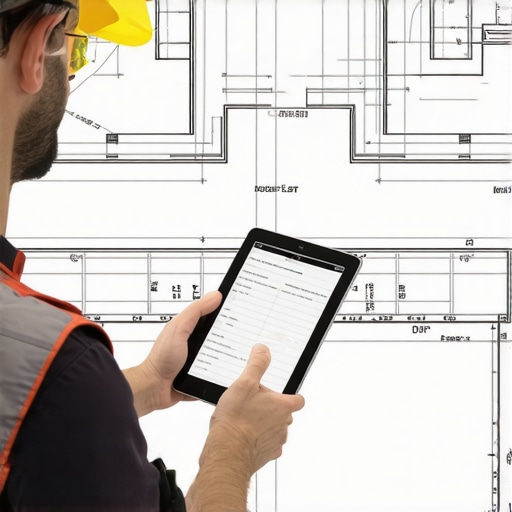
Maintaining a construction project’s efficiency over time requires the right equipment and software. Personally, I rely heavily on digital project management tools like Procore because it streamlines communication, tracks costs meticulously, and provides real-time updates. Unlike basic spreadsheets, Procore offers an integrated platform that captures every change, helping me avoid overlooked details that could lead to costly errors down the line. For site inspections, I prefer using PlanGrid—a mobile app that allows me to annotate blueprints on-site, instantly share updates, and ensure everyone on the team is aligned, reducing miscommunications that always threaten long-term success.
When it comes to estimating, I swear by CostOS. This software combines precise 3D modeling with historical data inputs, allowing me to generate more accurate and scalable estimates before breaking ground. Its ability to simulate different scenarios helps me anticipate unexpected costs, especially when planning additions or renovations. I also use this resource to validate my estimates against regional price variations, ensuring I stay competitive yet realistic.
Regular maintenance of construction tools also plays a vital role. I schedule routine calibration of my laser levels and survey equipment, which keeps measurements precise over the long term. For example, using a Leica Laser Level with self-calibration features reduces errors that might otherwise snowball into project delays or increased costs. Adopting these practices now is a step towards future-proofing your project management process.
Anticipate Future Trends in Construction Management Tools
The industry is moving towards integration of AI-driven analytics and IoT sensors that monitor site conditions in real-time. These advancements promise even more accurate planning, risk mitigation, and cost controlling capabilities. I predict that in the next few years, leveraging such smart technology will become standard practice—not just optional Add-ons.
How do I maintain these tools over time?
Consistent updates and training are essential. I schedule quarterly reviews to ensure my software remains current with industry standards and incorporate new features. Additionally, I actively participate in online forums, like the Construction Edgez contact page, to exchange insights and troubleshoot issues with fellow professionals. This proactive approach keeps my workflows optimized and my estimates aligned with evolving market realities.
For homeowners and small-scale builders, adopting reliable tools like Procore and CostOS isn’t just about boosting efficiency—it’s about making smarter decisions for long-term project sustainability. Why not try integrating one of these tools into your next project to see immediate benefits? Staying organized and informed is the backbone of successful construction management, ensuring your investments pay off over time.
What I Wish I Knew Before Jumping In
One of the hardest lessons I learned was that the devil is really in the details. When I first started, I assumed all estimates would be straightforward, but I quickly discovered that hidden line items and vague descriptions could inflate costs significantly. Recognizing my mistake early taught me the importance of scrutinizing every line—especially permit fees and site-specific charges. Another lightbulb moment was realizing that trusting a single quote without comparison is a gamble; getting multiple estimates reveals discrepancies, saving thousands. Finally, understanding local regulations and permit nuances can prevent delays and cost overruns. That proactive knowledge transformed my approach and can do the same for you.
My Top Tools and Resources for Accurate Builds
Over time, I’ve come to rely on specific resources that truly make a difference. For comprehensive estimating, this step-by-step guide has been invaluable—it breaks down common pitfalls and provides realistic cost benchmarks. When it comes to managing permits, this resource on navigating permits in 2025 offers insights into local regulations and change protocols. For on-site accuracy, tools like soil verification calculators and project management platforms like Procore help keep everything on track. These resources have helped me deliver projects within budget and on time.
Embrace the Future: Stay Ahead with Innovation
The construction landscape is rapidly evolving with new tools like 3D modeling, AI-driven cost prediction, and remote site monitoring. My advice? Dive in early—these technologies can uncover hidden costs, optimize schedules, and ensure permit readiness. For example, digital twins and environmental simulations help predict site-specific challenges before digging begins, saving you from costly surprises. The key is to keep learning and adapting—don’t wait until delays or inflated estimates catch you off guard. By integrating these innovations into your planning, you turn uncertainty into control, empowering you to navigate permits, site prep, and estimates with confidence. So, why not start exploring these tools today and set your project up for smooth success?