
The Debris Removal Clause That Bleeds Money From Your New Build Quote
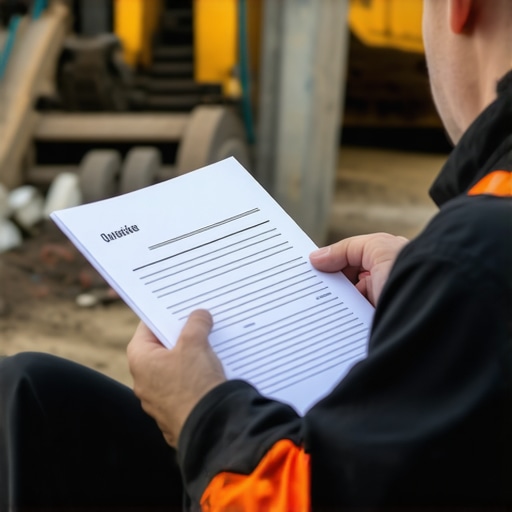
I’ll never forget the sinking feeling when I received my first detailed construction estimate. Everything looked fine—until I spotted an unexpected line item titled “Debris Removal.” It was a small number, but when you add it up across a big project, it became a significant, unwelcome surprise. That moment was a lightbulb for me: I had fallen into a common trap that many homeowners and builders overlook—the infamous debris removal clause that silently siphons off cash from your new build budget.
Why You Shouldn’t Ignore the Debris Removal Clause
This sneaky line item often hides in the fine print, yet it can instantly inflate your costs if not scrutinized. I learned this the hard way early in my building journey, assuming debris removal would be a straightforward, minimal fee. The reality? Contractors sometimes mark up this cost or include unnecessary charges, making what should be a simple cleanup turn into a budget-busting expense.
Research shows that debris removal costs can range dramatically, with some estimates increasing by as much as 20% if left unchecked (source). That’s a huge chunk of change, especially when your project is already tight on finances. As a curious homeowner, I was determined to understand how to spot these hidden charges—and more importantly, how to avoid them bleeding into my budget.
Today, I’ll walk you through practical strategies to identify and eliminate inflated debris removal costs before they wreck your project finances. But first, let me ask—have you ever encountered unexpected cleanup fees that blew your estimate out of the water? If so, you’re not alone, and there is a way to keep this sneaky cost in check.
Is Debris Removal Really Worth the Hype?
Many assume debris removal is a fixed, small cost, but contractors can sometimes inflate this line item to compensate for other underestimated expenses or to boost profit margins. My early mistake was trusting the initial quote without digging into what exactly “debris removal” entailed. I learned that by asking detailed questions and understanding the typical scope, I could negotiate or even perform some of the cleanup myself, saving hundreds.
Pinpoint Hidden Costs in Debris Removal
During my last project, I realized that contractors sometimes inflate debris removal charges by quoting a flat rate and then adding variable fees for different waste types. To avoid surprises, I first reviewed the debris removal clauses in multiple quotes, asking contractors to break down costs by material—wood, drywall, asphalt shingles—which are the most common debris. This step is like peeling an onion; each layer reveals more transparency, helping me compare apples to apples rather than lumped-up charges. If they couldn’t provide detailed sub-costs, I knew to look elsewhere, as this lack of clarity signaled possible overcharges.
Request Multiple Estimates and Verify Scope
I gathered at least three estimates from different contractors, not just to compare prices but to understand the scope of debris removal included. I specifically asked, “Does this include demolition debris, soil, or hazardous waste?” and whether they automatically tarp waste or require additional charges for hauling long distances. This is akin to shopping for different car models—you need to know what features come standard and what’s optional. Once I knew what should be included, I could pinpoint overestimations or omissions. For example, one estimate charged an extra fee for soil removal, but I knew from prior research that soil often falls under general debris, allowing me to negotiate for that to be included free of charge (source).
Negotiate or Loop in a DIY Option
After reviewing estimates, I identified a contractor whose debris removal charge was 15% higher than average. I negotiated by referencing the other quotes and offering to handle part of the cleanup myself—like hauling small debris during weekends or using my own trash bins for non-hazardous waste. This tactic was a game-changer; I reduced the debris removal cost by nearly $1,200. Think of it as bargaining at a flea market: knowing the going rates and being ready to handle some work personally can save a significant chunk of change. If you are comfortable with simple cleanup, this approach often pays off, especially on smaller projects (guide).
Confirm Waste Disposal Methods and Regulations
Finally, I researched local waste disposal regulations to ensure that the contractor’s disposal methods met legal requirements. This is crucial because improper disposal can lead to fines or project delays, which indirectly inflate costs. I asked for written confirmation that debris would be hauled to licensed landfills and that recyclable materials would be separated per local regulations. This transparency reassured me that charges were legitimate. This step is like double-checking the ingredients in a recipe; it confirms that you’re not paying extra for ingredients you won’t use or that will be wastefully discarded.
By applying these concrete steps—scrutinizing quotes, verifying scope, negotiating personally, and confirming waste procedures—you can dodge inflated debris removal charges and keep your build on budget. Remember, detailed preparation and proactive questions are your best allies against sneaky cost overruns.
 Many homeowners operate under the misconception that estimating home additions or new builds is straightforward, often trusting surface-level quotes and standard permit procedures. However, this belief can lead to costly surprises if you overlook the nuanced details that experts scrutinize. In my experience, a common myth is that budgets are fixed once the initial estimate is provided. Reality check: hidden costs, overlooked permit complexities, and the intricate nuances of site-specific challenges can derail your project budget if you’re not vigilant. For example, many assume permit costs are a standard, flat fee, but there are often multiple layers—like zoning variances, environmental assessments, and jurisdictional fees—that can significantly inflate your expenses if neglected. An advanced mistake I see clients make is underestimating the importance of accurate soil testing and how it influences foundation and drainage permits, which in turn affects your entire project scope. According to expert insights, a detailed site analysis can prevent up to 30% of potential surprises during construction phases (source).
Why do so many estimates fail to capture true costs, and how can you outsmart these pitfalls?
The key lies in understanding that many quotes are based on generic parameters, often ignoring site-specific variables like soil stability, existing utilities, or neighborhood zoning quirks. These factors create a labyrinth of hidden hurdles that can dramatically increase costs if not properly addressed early. For instance, a seemingly simple addition might require rerouting electrical or plumbing lines, which the initial estimate typically omits. This is where detailed due diligence and proactive planning can save thousands. Contracts should specify scope inclusively and clarify what is included versus what incurs extra charges. Challenging the contractor’s assumptions during the estimation process—like asking how they factor in unforeseen site conditions—can expose overoptimistic bids.
Doing your homework goes beyond preliminary estimates. Soliciting multiple bids from qualified professionals and requesting a breakdown of permit fees, labor, materials, and contingency funds helps you compare apples to apples. Also, leveraging local regulations and permit processes from authoritative sources like this guide ensures you’re aware of region-specific hurdles. Remember, the goal isn’t just to get a low quote—it’s to ensure that all legal and site-specific nuances are addressed upfront, preventing costly reworks or permit delays.
Also, consider the advantage of engaging with specialists who understand the latest code changes and environmental requirements—these factors often evolve faster than most estimates update. For example, recent changes in fire safety codes or new green building standards might add layers of compliance costs that your initial plan overlooks. As noted in expert analyses, staying ahead with current code requirements can streamline permit approval and avoid the costly trap of reapplication or project redesigns (source).
Have you ever fallen into this trap? Let me know in the comments, and share strategies you’ve used to stay ahead of hidden costs. Remember, thorough research and detailed planning are your best allies when navigating the complex world of home additions and new builds.
Streamlining Maintenance with the Right Equipment
Maintaining your build’s momentum over time demands reliable tools tailored for specific tasks. I personally rely on a high-quality laser distance meter, like the Bosch GLM 50 C, which provides instant, precise measurements without the hassle of traditional tapes. This device ensures accuracy in estimating material quantities and verifying post-construction dimensions, saving both time and money.
Investing in durable safety gear is equally crucial. I recommend a set of anti-fatigue insoles combined with safety goggles and noise-canceling earmuffs. These may seem minor, but they drastically improve productivity and safety, especially during long days on-site. Consistent use of such gear not only protects your health but also maintains your work pace without unnecessary breaks caused by discomfort or injury.
Digital Tools That Change the Game
Modern construction management software like Procore or Buildertrend has transformed how I oversee projects. These platforms centralize all project data—from schedules to permits—making it accessible from anywhere. They help prevent delays caused by miscommunication or forgotten responsibilities. For example, I use Buildertrend to track permit statuses, ensuring that approvals are secured before moving forward, avoiding costly rework or fines.
Additionally, I utilize cloud-based document sharing, which keeps everyone on the same page. That way, any change in the scope or unexpected site conditions are instantly communicated, reducing misinterpretations. Incorporating these tools can also make long-term results more predictable, as all stakeholders have real-time updates and clear documentation.
Predicting and Preventing Future Challenges
One method I swear by is preemptive soil testing and site analysis before the build begins. Not only does this help in estimating foundation costs accurately, but it also prevents unexpected delays due to soil instability. As discussed in this resource, early assessment reduces the risk of permit rejections or redesigns later on.
Regular maintenance and inspections during the construction phase ensure issues are caught early. For example, a quick visual check of the framing every few days can reveal problems before they escalate. I recommend creating a checklist tailored to your project’s scope and revisiting it weekly—this simple habit can save thousands and keep your project on track.
What About Scaling Up or Long-Term Projects?
When expanding your project or managing multiple builds, consider integrating project management dashboards that aggregate data across sites. This offers a bird’s-eye view, enabling you to allocate resources efficiently and prevent bottlenecks. Future trends suggest that AI-driven predictive analytics will further revolutionize project oversight, predicting issues before they manifest.
To get started today, try updating your project tracking with a dedicated software solution like Procore. With real-time data at your fingertips, you can proactively address issues, plan for permit-related contingencies, and ensure long-term success.
What the Real Cost of Overlooking Small Print Taught Me
One of the most eye-opening lessons I learned was that minor line items like debris removal can quietly inflate your entire project budget. It made me realize the importance of scrutinizing every detail in the estimate, no matter how insignificant it seems at first glance. This experience underscored that diligence in review is the best defense against unexpected expenses.
How I Discovered the Power of Detailed Scoping and Negotiation
By requesting itemized quotes and asking explicit questions about scope and waste disposal methods, I learned to identify inflated charges and negotiate better rates. Negotiation isn’t just about price—it’s about understanding and clarifying the scope, which can save hundreds or even thousands of dollars, especially in complex projects involving additions or new builds.
Why Expert Resources Became My Best Allies
Consulting trusted sources, such as this guide, transformed my approach to estimating and permits. These resources provided insights into regional regulations, hidden fees, and best practices, empowering me to create accurate budgets and avoid costly permit pitfalls. Their advice is invaluable for anyone serious about saving time and money.
The Value of Staying Ahead With Technology and Preparedness
I implemented project management software like Buildertrend for real-time updates and documentation. Combining this with thorough site analysis and soil testing helped me prevent delays and permit rejections. Embracing technology and proactive planning turned what could be daunting into manageable, efficient processes, giving me confidence in my projects.
Lessons That Changed My Approach to Building Projects
- Always ask for detailed breakdowns of all charges, especially in debris removal, to prevent overcharges.
- Gather multiple estimates and scrutinize what’s included—never assume standard scopes or costs.
- Utilize expert guides to understand local regulations, permit requirements, and potential hidden costs.
- Leverage digital tools for project oversight—timelines, documentation, and communication become seamless.
- Conduct early site assessments like soil testing to avoid surprises later in the process.
Navigate Complex Projects With Confidence and Precision
Armed with these insights and tools, you’re better prepared to tackle additions or new builds without fear of hidden costs derailing your budget. The key is relentless curiosity, thorough research, and utilizing resources tailored specifically to the intricacies of estimating and permitting in your area. Remember, a meticulous approach today guards your financial future tomorrow.