Verify Roofer Insurance Before Signing the Estimate
Picture this: You’re eager to move forward with your new roof installation or home addition. The contractor hands you a quote, and it looks perfect—competitive, detailed, and ready to sign. But then, a little voice in your head whispers, “Have I checked if they’re truly insured?” I learned this lesson the hard way early on. I nearly signed off on a project only to discover later that the contractor’s insurance was expired. That costly mistake could have been avoided with just a simple verification step. Today, I want to share why verifying roofer insurance before you sign any estimate isn’t just a good idea—it’s essential for protecting your investment and peace of mind.
Why Silencing Insurance Concerns Can Save You Big Time
When you’re in the midst of a renovation or repair, it’s tempting to focus solely on the price and timeline. But overlooking the insurer status of your roofer can lead to serious problems. Imagine if the contractor injures themselves on your property and isn’t insured—that could mean liability falls squarely on your shoulders. Or worse, what if the work isn’t up to code because they lack proper credentials? According to the National Roofing Contractors Association, nearly 60% of roofing complaints involve contractors operating without adequate insurance or licensing. Verifying insurance isn’t just about compliance; it’s about safeguarding your property and finances. Have you ever faced the stress of handling an accident or mistake that wasn’t covered? If so, you know how costly and frustrating it can be. In this post, I’ll walk you through the simple steps to confirm your roofer’s insurance before signing that crucial estimate. Don’t take chances—your home and wallet are worth the effort. For detailed strategies on project planning, check out my tips on estimating costs for new builds.Ready to empower yourself with the right questions and due diligence? Let’s dive into the why and how of insurance verification to make sure your next project runs smoothly and safely.
Request Official Insurance Documentation Right Away
Begin your verification process by asking for a copy of the contractor’s current insurance certificate. Ensure the document clearly states the insurer’s name, your contractor’s name, and coverage dates. Treat this step like inspecting a car’s registration—don’t accept a verbal confirmation. I once worked with a contractor who initially showed me a printed policy, but it was expired by the time I checked. By insisting on a current certificate, I saved myself from potential liability.
Check the Insurance Validity Online or Through the Insurer
Once you have the certificate, verify its authenticity by visiting the insurer’s website or calling their customer service. Many insurers have online portals that allow policy verification using the policy number or contractor details. Think of this as cross-referencing a book’s ISBN; it confirms the document’s legitimacy. I improved my due diligence by making a quick call, which confirmed the policy was active and adequately covered the scope of work.
Confirm the Coverage Extent and Limits
Review the policy to understand what is covered and any limitations. Ask whether the coverage includes workers’ compensation, general liability, and vehicle insurance specific to roofing work. Don’t assume; verify details like coverage limits and deductibles. We once hired a roofing team with insurance, but their policy capped at a small amount that wouldn’t cover major damages—an oversight that could have been costly.
Verify Subcontractor Insurance if Used
If your contractor plans to use subcontractors, insist on seeing insurance certificates for each. This step is like checking the credentials of each team member rather than just trusting the lead. I discovered a subcontractor with no current insurance during this step, saving my project from delays and legal issues.
Document Your Verification Process
Keep copies of all insurance certificates and verification records. This documentation can be vital if disputes or claims arise later. Think of this as keeping receipts for purchases; it’s your proof of due diligence. Once, having proper documentation prevented a dispute over uninsured subcontractors during an audit.
Utilize Local Resources and Databases
Some regions offer online databases where you can verify contractor licenses and insurance status. Check your local government or construction authority websites. This is like using a background check service—quick and authoritative. I found it especially useful when vetting newer contractors unfamiliar to me.

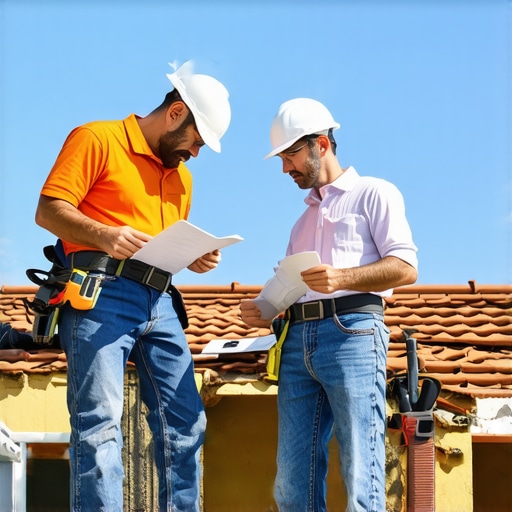
Illustration showing a homeowner verifying contractor insurance using a webpage for online validation, highlighting the ease and importance of digital checks.
Many homeowners and even seasoned builders believe that estimating project costs is simply about multiplying material quantities by unit prices. However, this oversimplification often leads to significant miscalculations, especially in complex projects like additions or new builds. A common misconception is that the most comprehensive quote should be the most accurate. In reality, a quote can appear detailed and competitive yet hide critical underestimations or omissions that can balloon your budget unexpectedly. **Let’s explore why understanding these nuances is crucial for avoiding costly surprises.** For example, some estimators ignore the subtle costs tied to permit procedures, which can vary dramatically based on location and project scope. Overlooking permit complexities can result in delays and fines, significantly increasing your overall expenses. Additionally, many underestimate the importance of factoring in the nuances of site-specific conditions, like soil stability or access issues, which influence foundation costs or material handling. These overlooked details can cause budget overruns, especially if unaccounted for during the initial estimation stage. **What advanced homeowners and builders do differently is dig into the fine print—review permits, understand local regulations, and assess site constraints upfront.** It’s worth noting that studies, such as those by the Construction Industry Institute, show projects that thoroughly account for hidden costs tend to stay within budget more than 80% of the time. This underscores the importance of meticulous planning and recognition of often-hidden factors.
How can you spot these hidden pitfalls before they bite?
Start by asking your estimator or contractor about potential regulatory hurdles specific to your property. For instance, some jurisdictions require special foundation support or fire codes that can add thousands to your project. Don’t just accept a generic quote; scrutinize each line item and ask whether it accounts for site-specific conditions, permit processing times, or unforeseen complications. A strategic approach is to utilize [cost-effective estimating techniques](https://constructionedgez.com/cost-effective-estimating-techniques-for-new-builds-and-additions) that include contingency allowances for these hidden aspects. This proactive measure shields you from unexpected surges in costs down the road. Furthermore, developing a clear understanding of local permit procedures through resources like [permitting tips](https://constructionedgez.com/permits-for-new-builds-essential-tips-for-your-project) helps you anticipate delays and extra fees. Remember, the devil is often in the details—so be thorough and ask questions. 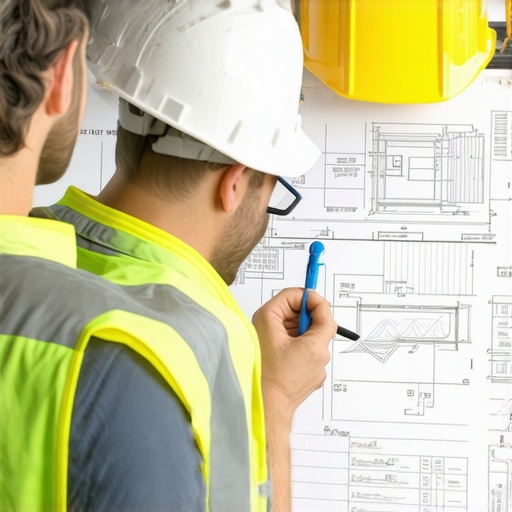
Illustration showing a homeowner reviewing detailed project estimate with a contractor, highlighting permit documents and site analysis.
Don’t fall into the trap of relying solely on surface-level estimates. Deep dive into every aspect of your project, understand the local regulatory environment, and factor in hidden costs early. Have you ever fallen into this trap? Let me know in the comments or reach out via [contact form](https://constructionedgez.com/contact-us) to discuss how to improve your estimating process for your next project.
Stay Ahead with Reliable Tools and Methods
Keeping your construction project on track requires more than just a good plan; it demands the right tools and consistent maintenance of your systems. One tool I personally swear by is Procore, a comprehensive project management software that streamlines communication, documents, and scheduling. I use it daily to assign tasks, track progress, and store important permits and certifications, ensuring nothing slips through the cracks. Additionally, Bluebeam Revu has been invaluable for reviewing and markup of construction drawings, which accelerates approval processes and minimizes errors. These digital tools help maintain clarity and accountability throughout the project lifecycle.
Regular system checks are equally crucial. I recommend implementing a weekly review routine where you verify all equipment is functioning correctly, backup files are up to date, and safety protocols are being followed. This proactive approach minimizes downtime and reduces costly rework. For example, inspecting your scaffolding and safety gear weekly ensures compliance with OSHA standards and safeguards your team.
How do I maintain long-term efficiency over time?
One strategy I employ is documenting lessons learned after each project phase. This ongoing review lets me identify recurring issues and improve processes before starting the next stage. Also, investing in training for your team on the latest software updates or new tools can dramatically improve productivity. For instance, staying current with updates in estimating software like Estimating Costs for New Builds ensures your team leverages improved features to enhance accuracy and speed.
Looking ahead, I predict that automation and AI will play an increasing role in project oversight. Drones for site surveys and AI-driven scheduling tools are becoming more accessible, allowing for real-time monitoring and adjustments. Staying adaptable and adopting new technologies early can give you a significant advantage in maintaining project momentum.
If you’re ready to upgrade your maintenance routine, start by integrating Procore into your workflow. Its centralized platform will help you keep all project documentation and communication in one place, making long-term project upkeep easier and more efficient. Need help setting up your system? Feel free to reach out for personalized guidance.

Image of a construction manager using project management software on a tablet amidst active construction site, highlighting the integration of digital tools for project oversight.
Three Mistakes That Almost Cost Me My Home Renovation
Early in my career, I underestimated how vital contractor insurance verification was, leading to a nearly costly legal mess. That experience taught me that outside of plans and permits, understanding the ins and outs of insurance is the backbone of a secure project. Once, I worked with a contractor whose insurance had lapsed mid-job, risking both safety and finances—an avoidable mistake that I now meticulously watch for in every project.
Why My Best Resources Keep My Projects Moving Smoothly
Over time, I’ve curated a set of tools that ensure thorough risk management. Estimating costs for new builds guides me on hidden permit costs and site-specific challenges. Cost-effective estimating techniques help me incorporate contingencies for unexpected insurance gaps or permit delays. These resources aren’t just tools—they’re your shield against surprises that could derail your budget or timeline.
Choosing to Verify Insurance Becomes a Personal Commitment
Deciding to verify a contractor’s insurance isn’t just a step; it’s a reflection of your dedication to your home and peace of mind. It’s about taking proactive measures—asking for current certificates, following up online, and documenting every verification. This habit transforms a good project into a great one, where risks are minimized, and trust is built. Remember, your home deserves the same care and diligence you give your family.