
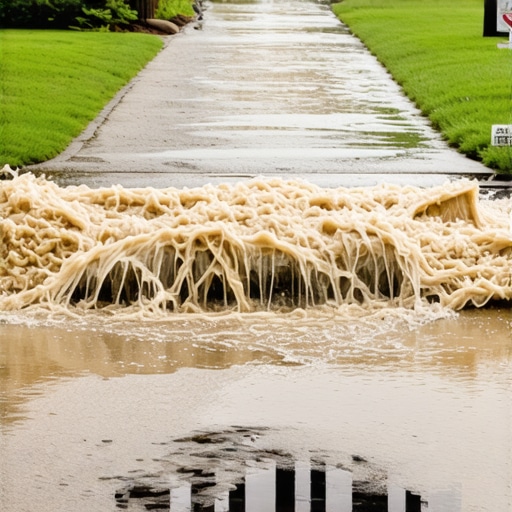
The Stormwater Runoff Rule Stopping Your New Driveway
I vividly remember the moment I realized my new driveway was not going to be the simple upgrade I envisioned. I was eager to pour fresh concrete, envisioning the smooth surface leading right up to my garage. But then I hit a wall—an unexpected stormwater runoff rule that threatened to add months to my project and double my costs. It was a lightbulb moment that revealed just how complex building regulations can be, especially when it comes to managing water runoff on new builds.
Why Stormwater Rules Can Derail Your Dream Driveway
As someone who’s been through the wrangle of permits and regulations, I can tell you this: stormwater runoff compliance is more than just an annoyance—it can be a project killer. These rules are in place to protect our neighborhoods from erosion, flooding, and water pollution. But in practice, they often catch homeowners and even contractors off guard, especially when the regulations are poorly explained or misunderstood.
When I first started my driveway project, I assumed that once I got the permit, I was good to go. Little did I know, the stormwater rule I overlooked would turn what I thought would be a straightforward job into a frustrating maze of approvals, additional site work, and sometimes, costly surprises. According to recent studies, improper stormwater management can lead to increased flooding and infrastructure damage, costing communities billions annually. That’s why understanding and properly planning for these regulations is crucial—saving you time, money, and headaches in the long run.
Ever Faced Unexpected Regulations Blocking Your Build?
I made the mistake early on of assuming that I could handle the runoff situation myself, without consulting the local requirements or experts. That assumption almost cost me dearly. I learned the hard way that preemptively understanding the specific stormwater management rules in your area is essential. Whether it’s installing swales, managing rain gardens, or ensuring proper drainage slopes, taking the time to get it right from the start can make all the difference.
So, if you’re feeling overwhelmed or unsure about the stormwater regulations related to your addition or new build, don’t worry. This post will guide you through the practical steps to navigate these rules efficiently, so your project stays on track and within budget. Let’s dive into what you need to know to turn this obstacle into just another part of your successful build journey.
Secure Your Permits With Precise Planning
Start by thoroughly researching your local stormwater management requirements. Visit the official municipal or county websites and download the relevant guidelines. I remember consulting with a local stormwater engineer when I realized my initial plans didn’t meet the regulations, which saved me from costly adjustments later. Think of permits like a map for your project—without it, you risk getting lost in delays and fines. Review the specifics about swales, rain gardens, and drainage slopes that apply to your property. For detailed guidance on permit applications, visit this resource to streamline your process.Many homeowners and even seasoned contractors assume that once permits are filed and estimates are drafted, the tricky part is over. However, there’s a nuanced layer in additions and new builds that often gets overlooked—one that can significantly impact your project’s success if not addressed properly. Let’s dig deeper into the common myths and advanced pitfalls that can derail even well-planned projects.
First, a prevalent misconception is that all estimates are created equal. In reality, many underestimate hidden costs, such as permit adjustments, unforeseen site conditions, or compliance nuances that vary by locality. For example, some builders rely solely on rough square footage calculations, unaware that detailed cost estimation techniques reveal hidden expenses—like foundation modifications or special insulation requirements—that can inflate your budget by 20-30%.
Another critical oversight involves the reliance on generic permit packages. Many assume that submitting a standard set of plans guarantees approval—this is a dangerous myth. Each jurisdiction has specific
How do I maintain my build over time?
Effective maintenance begins with the right tools and disciplined routines. I personally rely on digital construction management software like Procore, which keeps every document, schedule, and communication in one accessible platform. It streamlines project tracking, ensures compliance with permits, and helps anticipate potential issues before they escalate. Regularly updating your project data allows you to spot deviations early, saving time and costs down the line.
For site-specific tasks, owning a quality laser level such as the Bosch GSL2 Professional is indispensable. It ensures precise leveling for future additions or repairs, especially in projects with complex drainage or foundation needs. Using a laser level simplifies long-term planning by maintaining consistency in measurements, which is crucial when scaling or adding features later.
Furthermore, employing durable, weather-resistant tools like cordless drills with high-capacity batteries makes ongoing inspections and small fixes manageable, even in challenging weather conditions. These tools minimize delays, a common scare when maintaining or expanding builds, ensuring your project remains on schedule.
Looking towards future trends, integrating smart sensors and IoT devices into your construction toolkit will revolutionize how we monitor and maintain structures. These innovations can provide real-time data on moisture levels, structural shifts, or material degradation, enabling proactive maintenance and extending the lifespan of your build.
Why regular inspections and updates matter
Consistent check-ins using digital dashboards help identify wear and tear or code compliance issues early. Remember, a well-maintained build not only preserves its value but also reduces costly repairs. To deepen your understanding, explore this guide on managing expansions efficiently, which emphasizes the importance of ongoing oversight.
Start by scheduling quarterly site inspections with your trusted team and utilize apps that record findings for easy follow-up. This routine fosters an environment where issues are caught before they become major problems, ensuring your investment remains sound.
Scaling your tools for future projects
If you’re planning to scale your build operations, investing in modular, multi-purpose equipment pays off. For example, adjustable scaffolding systems from companies like Layher allow swift modifications to accommodate different project phases, saving time and money. Additionally, software solutions that can handle multiple projects simultaneously will prepare you for the demands of larger developments.
Embracing these tools and habits now establishes a solid foundation for future success. Remember, long-term maintenance is less about reacting to problems and more about systematic prevention and efficient management. Try implementing a digital tracking system combined with quarterly physical inspections as a starting point to keep your projects in peak condition.
For detailed strategies on estimating ongoing costs and planning for scaling, check out this comprehensive guide. It offers insights into balancing future growth with current project management.
What I Wish I Knew Before Starting My Build Journey
One of the most profound lessons I learned was that no plan survives first contact with the permit office. I underestimated the time and effort required to navigate local regulations, which often have hidden complexities that can derail progress. This experience taught me to build flexibility into schedules and budgets, understanding that permits and regulations are living documents that evolve with each project update.
Another insight: detailed, transparent cost estimation is more than just crunching numbers; it’s about foreseeing potential pitfalls. Relying solely on rough estimates can hide costly surprises, especially with additions that involve unique site conditions or custom requirements. I now prioritize using trusted estimation techniques—like those outlined here—to stay ahead of unexpected expenses.
Finally, engaging early with experienced professionals—be it engineers, surveyors, or permitting experts—can be a game-changer. Their knowledge often reveals pitfalls and opportunities that DIY approaches overlook. This proactive approach ensures smoother approvals and helps turn complex builds into manageable projects.
My Weaponry for a Seamless Construction Experience
To tackle the nuances of additions, estimating, new builds, and permits, I rely on a handful of trusted resources. For mastering cost estimation, I turn to this guide, which offers proven strategies to sharpen accuracy and control. When it comes to permits, this comprehensive resource demystifies the process, helping me avoid common delays and frustrations.
For ongoing project management and inspection, I use construction management software like Procore, which keeps every document and task organized and accessible. Coupled with high-quality tools like laser levels (my favorite is the Bosch GSL2), I ensure precision at every stage, reducing rework and saving costs. These tools have been indispensable in maintaining quality and schedule integrity throughout my projects.
Your Next Move Toward Building Confidence
Embarking on additions, estimating, or new building projects can feel overwhelming, but the right knowledge and tools make all the difference. Starting with thorough research, leveraging expert resources, and investing in reliable equipment will set you on a path to success. Remember, every challenge you overcome today builds a stronger foundation for your future projects.
What’s the biggest hurdle you’ve faced when navigating permits or estimating? Share your experiences below—I’d love to hear your stories and tips. Together, let’s turn construction complexities into opportunities for growth and achievement!