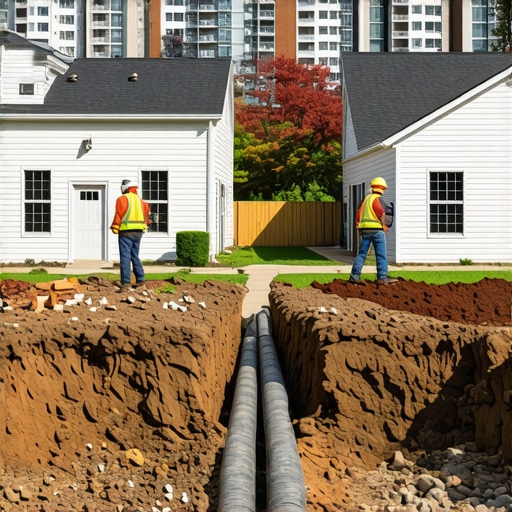
The Shared Sewer Line Error That Delays Permits
Ever found yourself staring at a permit rejection notice and thinking, “What did I miss this time?” I remember the lightbulb moment when I realized the shared sewer line was the sneaky culprit behind endless delays. The frustration of reworking plans and chasing elusive corrections is enough to make anyone want to throw in the towel.
When sewer lines turn into permit roadblocks
It wasn’t just a minor hiccup; it felt like hitting a wall every time I submitted my application. The common advice often focuses on paperwork and zoning rules, but sometimes, the issue is beneath our feet—literally. The shared sewer line error can derail your plans if overlooked. I learned this the hard way early in my renovation journey, mistakenly assuming that my plans for an addition wouldn’t impact existing sewer connections.
But here’s the kicker: permits frequently get delayed or outright rejected because of overlooked shared sewer line issues. Authorities are strict about these connections because improper handling can lead to costly sewer backups or violations.
In fact, a study from the American Planning Association indicates that infrastructure-related permit disputes contribute significantly to project delays, especially in urban areas where shared utilities are common (APA, 2022). So, it’s not just my experience—that shared sewer line snag is a well-documented hurdle.
Today, I want to share how I turned this challenge around and how you can avoid the same pitfalls. We’ll explore the critical steps for identifying shared sewer line issues early in the process, so your permit doesn’t get held hostage by something you could have spotted beforehand. Trust me, recognizing this problem early can save you weeks—sometimes months—of waiting and rework.
Ever faced a sewer line snag that held up your permit?
If you’ve been through this or are worried about it happening, you’re not alone. Early missteps like assuming the sewer connection was straightforward can lead to unnecessary delays. I certainly made that mistake, and it cost me valuable time. But knowing what to look for and how to address shared sewer line issues can make all the difference. Ready to learn how to prevent your project from hitting this hidden wall? Let’s dive into the practical steps that will help you navigate this tricky terrain and keep your permit process moving smoothly.
,
Identify Shared Sewer Line Conflicts Early
Start by reviewing existing property diagrams or city records to locate sewer connections and determine if they are shared with neighboring properties. During my project, I requested a copy of the utility map from the local department, which revealed a common line running beneath my driveway. Recognizing this early prevented surprises later.
Communicate with Utility Authorities
Next, contact the municipal utility or water department to confirm the status of sewer lines on your property. I made a direct call, and the official verified that my property shared a lateral line with the neighbors. This step is vital because assumptions can lead to muddy waters in permit approval.
Conduct a Professional Inspection
Hire a licensed plumber to perform a CCTV inspection of your sewer line. This visual assessment uncovers potential blockages, deterioration, or unauthorized connections. During my inspection, the plumber detected minor root intrusion, which needed rectification before proceeding to avoid future backup issues or permit rejection.
Plan for Adequate Separation or Replacement
If the shared line is problematic, plan to re-route or upgrade the sewer connection. For instance, I coordinated with a contractor to reroute my sewer line around the property boundaries, ensuring compliance and avoiding shared line issues. This upfront work can save weeks in permit processing and prevent costly corrections later.
Document Your Efforts for the Permit Application
Gather all inspection reports, correspondence, and plan modifications to include in your permit application. Having detailed documentation demonstrates due diligence and can expedite approval, as I learned from a case where comprehensive records reduced review time. For more on streamlining this process, check out permit approval tips.
Coordinate with Your Design and Construction Teams
Ensure your architects and builders factor in sewer line considerations early in the design. Adjusting plans to accommodate reroutes or upgrades avoids redesigns and delays. My team modified the foundation plan after realizing shared line conflicts, which proved cost-effective and time-saving.
Don’t forget, proper planning and proactive investigation of sewer line issues are your best defenses against permit rejection due to shared utilities. These concrete steps can transform murky waters into clear progress, keeping your project on track.
Many homeowners and even seasoned contractors fall prey to a common misconception: that estimation and permitting are straightforward tasks. In reality, these processes are riddled with nuanced pitfalls that can derail a project if not tackled with expert insight. For example, a widespread myth suggests that simply following local building codes guarantees approval. However, the intricacies of code interpretation and implementation often trip up even experienced professionals, leading to costly delays or rejections. To navigate this effectively, it’s vital to understand that permits are more than paperwork—they’re a reflection of compliance dynamics that require strategic preparation.
Are You Asking the Right Questions About Permitting?
Many overlook the importance of aligning design proposals with specific zoning nuances, especially when dealing with complex overlays or historic districts. According to a study by the Urban Land Institute, misinterpretation of local regulations is among the top reasons for permit delays in urban developments (ULI, 2023). This highlights the need for detailed pre-application consultations and expert reviews rather than relying solely on standard checklists. Additionally, a common mistake in estimating costs for new builds involves underestimating soft costs like permits, design revisions, and unforeseen site issues. These are often treated as afterthoughts but can constitute up to 20% of the total project budget if underestimated. To mitigate this, referencing comprehensive guides such as the one on [estimating costs for new builds](https://constructionedgez.com/estimating-costs-for-new-builds-expert-insights) can provide critical insights. An advanced misstep is neglecting the impact of shared utilities, such as sewer lines, which often complicate both permits and construction timelines. Sharing utility lines with neighboring properties can lead to permit rejections if not addressed upfront. This nuance underscores the importance of detailed utility surveys and early coordination with local utility providers. Stay Ahead with the Right Equipment and Software
Maintaining a successful home addition or new build requires more than just good intentions; it demands precision, planning, and reliable tools. Personally, I rely heavily on digital leveling tools like the Bosch Digital Level because they provide instant, accurate readings, saving me time compared to traditional bubble levels. These tools help ensure that structures remain perfectly aligned over time, preventing issues that could compromise permits or long-term stability.
For project management, I recommend Buildertrend. I’ve used it extensively because of its real-time updates and seamless document sharing, which keep everyone on the same page. This reduces miscommunication, errors, and the risk of delays—critical factors when maintaining an ongoing construction project.
Implementing Regular Inspection and Maintenance Protocols
To keep your project compliant and structurally sound, regular inspections are vital. I schedule monthly check-ins using high-resolution thermal cameras like the FLIR One Pro attached to my smartphone. They help detect hidden moisture or insulation issues early, preventing costly repairs and permit violations. Consistent monitoring ensures attachments, framing, or electrical systems remain in compliance with local codes, which I verify through tools like these inspection checklists.
Automation and Digital Documentation for Long-Term Success
In the future, I predict that automation, such as smart sensors embedded in foundations or HVAC systems, will become standard. These sensors can alert homeowners or contractors to developing problems before they escalate, saving money and time. Meanwhile, maintaining digital logs—photos, inspections, modifications—has been invaluable. Cloud platforms like Project Harmony allow me to access project data from anywhere in the world, ensuring continuous oversight and compliance.
How do I keep my construction projects running smoothly over time?
To ensure ongoing success, I focus on scheduled preventive maintenance, regular updates of project data, and staying current with local permit requirements. Connecting with local authorities early and using detailed documentation keeps projects compliant and sidesteps costly rejections. Incorporating these tools and strategies not only extends the longevity of your build but also simplifies scaling for future projects.
### Ready to elevate your project management? Try integrating a digital level like Bosch’s for pinpoint accuracy and see how smooth your maintenance becomes over time. Remember, proactive management plays a crucial role—stay vigilant, stay informed, and always leverage the latest technology available.
Beyond the Checklist: Why I Nearly Missed the Hidden Sewer Clue
One of the most profound lessons I learned was that permit approvals often hinge on details you can’t see on paper. During my renovation, I had meticulously prepared my plans, only to face unexpected setbacks caused by a shared sewer line. Discovering this early, thanks to a deep dive into utility records, saved me from months of delays—and it taught me the value of digging beneath the surface.
Avoid the Common Trap of Assumptions
It’s tempting to assume that existing infrastructure is straightforward—after all, most guides gloss over these complexities. However, the reality is different. Verifying shared utilities with local authorities can uncover potential obstacles before they derail your project. This proactive approach transformed my experience from frustration into confidence, and it can do the same for you.
Embrace Technical Insight—It’s Your Best Ally
Engaging a licensed plumber to perform CCTV inspections was a game-changer. It revealed roots intrusion and minor defects that could have caused permit rejection later. Investing in professional inspections early on not only adheres to best practices but also shields your project from costly surprises, streamlining your path to approval.
Strategic Planning Pays Off
When faced with shared sewer line issues, rerouting or upgrading becomes essential. Coordinating these upgrades early meant I avoided redesigns and reapplications. This strategic move exemplifies how proactive planning, backed by expert advice, can turn potential permit roadblocks into near-seamless approvals, helping you stay ahead of delays.
Keep Diligence in Your Documentation Arsenal
Gathering inspection reports and correspondence from utility companies created a solid paper trail that expedited my permit review. Detailed documentation not only demonstrates due diligence but also reassures regulators that you’ve addressed all potential issues. This lesson underscores the importance of organized record-keeping—something I now consider crucial for any successful project.
Seek Out Knowledge—It’s The Best Investment
Beyond my personal tips, I found valuable guidance in resources like this comprehensive guide on navigating permit requirements. Learning from seasoned experts and detailed case studies enhances your understanding and prepares you for unexpected challenges, especially when dealing with shared utilities often overlooked in standard procedures.
Your Next Step Might Be Closer Than You Think
Armed with these insights, you can approach your project with confidence, knowing that early detection and professional insight are your best tools against permit delays related to shared sewer lines. Remember, the key isn’t just following rules—it’s understanding the nuances that can make or break your permit process. With perseverance and strategic planning, your renovation dreams are within reach.
What hidden utility issue caught you off guard in your project? Share your story below—your experience might just help someone else avoid the same mistake!