
The Difference Between A Firm Quote and A Working Estimate
It was a chilly morning when I finally realized I had been chasing my tail with contractor estimates. I had received what sounded like a firm quote for my home addition, only to find out weeks later that the actual costs were ballooning far beyond those initial numbers. That lightbulb moment made me question: what exactly was I looking at? Was it a firm quote or just a working estimate? Understanding the distinction could have saved me a lot of headaches—and money.
Why Knowing the Difference Matters More Than You Think
As homeowners stepping into the world of additions, renovations, or new builds, we often rely heavily on quotes from contractors. But not all numbers are created equal. A firm quote might sound like a promise—but is it really? And when you’re trying to plan your budget, what exactly should you expect from a working estimate? Clarifying this critical difference can be the difference between a smooth project and a financial rollercoaster.
Is the Hype Around Accurate Cost Estimates Just Overrated?
In my early days, I made the mistake of accepting a contractor’s bid without digging into what it truly covered. Turns out, many estimates are just that—rough projections that can shift under unforeseen circumstances. According to industry experts, about 30% of projects experience cost overruns due to misinterpreted estimates or unclear quotes (source: Construction Edgez). That’s a staggering figure, especially if you’re trying to plan your finances.
Now, I know what you’re thinking—”Can I really tell the difference? Is it worth the effort?” Absolutely. Navigating these terms might seem tedious, but understanding them empowers you to set realistic expectations, avoid surprises, and make better-informed decisions. Whether it’s a small addition or a full house overhaul, knowing what kind of estimate you’re getting can save you thousands.
This post will walk you through the key differences, common pitfalls, and practical tips to decode contractor estimates effectively. Ready to gain clarity and confidence in your project estimates? Let’s dive in.
Break Down Your Project Into Clear Phases
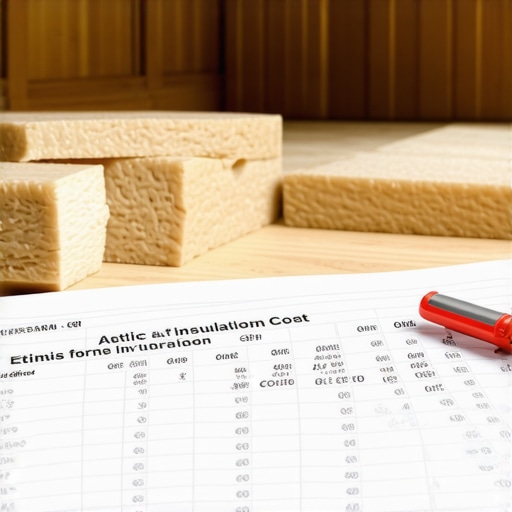
Start with a detailed scope—list every task, from demolition to finishing. In a recent project, I outlined each step in a spreadsheet, which helped identify potential cost areas. Doing so prevents surprises when reviewing contractor bids and allows for precise comparisons. Think of it as creating a detailed recipe before cooking—without it, you might add too much salt or miss an ingredient.
Gather Multiple Detailed Price Quotes
Request written estimates from at least three contractors, ensuring they itemize costs for labor, materials, permits, and unexpected contingencies. During my last renovation, I used https://constructionedgez.com/estimating-home-additions-a-step-by-step-guide-for-2025 to learn what specifics should be included. This way, you catch discrepancies early and avoid falling for overly optimistic or vague bids. Remember, a comprehensive quote is like a detailed shopping list—it helps spot hidden costs.
Ask About Assumptions and Clarifications
Engage contractors with targeted questions: “Does this cover permit fees? Are there contingency allowances? What assumptions are you making about site access or existing structures?” During my project, I clarified whether their bid included necessary underground inspections, preventing last-minute add-on costs. Think of it as reading the fine print for a loan—knowing the assumptions helps manage your expectations and budget.
Use Visual Aids to Verify Details
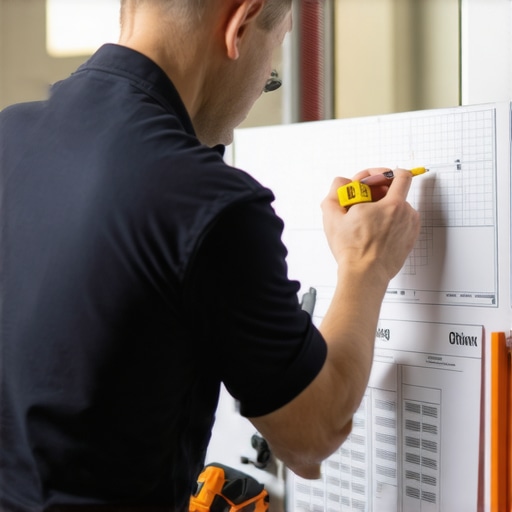
Request diagrams, sketches, or photos that support each estimate. For complex aspects like foundation work, a visual helps confirm scope and scale. I once asked a contractor for a site plan before agreement; it revealed a discrepancy in the foundation size, saving me from costly revisions later. Incorporate images or sketches to ensure everyone visualizes the same outcome. 
Factor in Permits and Regulatory Costs
Estimate permit fees early using resources like https://constructionedgez.com/permits-for-new-builds-essential-tips-for-your-project. These can vary widely based on location and scope. During my last project, neglecting permit costs led to a surprise expense, delaying approval. Including permits in your estimate is like preparing for taxes—you can’t ignore them if you want smooth sailing.
Review and Cross-Check Estimates Carefully
Compare bids not just on total price but on scope, assumptions, and included materials. Create a spreadsheet to flag omissions or overly optimistic figures. I cross-checked my selected bid against industry averages, which revealed that some contractors underestimated material costs. This diligence ensures your final budget reflects reality, not just optimistic guesses.
Document Everything for Future Reference
Keep copies of all estimates, correspondence, and plans. This documentation becomes your defense if disputes arise or costs unexpectedly escalate. In my experience, having a documented trail allowed me to verify what was initially agreed upon versus added later, simplifying negotiations and change orders.
Many homeowners assume that all construction estimates are straightforward and transparent, but this is far from reality. A common misconception is that a low bid always means a good deal—what most fail to realize are the hidden nuances that can inflate costs unexpectedly. For example, contractors often include
Keep Your Estimating Tools Sharp for Long-Term Success
One of the most overlooked aspects of managing a home improvement project is maintaining your estimation tools and methods over time. As projects grow in complexity and scale, so does the requirement for precision. My go-to approach has been to invest in specialized software like Buildertrend and CoConstruct. These platforms not only streamline estimating but also help track changes, costs, and timelines, ensuring consistency across multiple projects. Personally, I love how Buildertrend’s integration with cloud storage allows me to update estimates in real-time, reflecting any scope adjustments.
Moreover, I regularly update my database of local permit fees and regional material costs by subscribing to industry update newsletters and consulting resources like Expert Insights on Estimating Costs. This habit minimizes the risk of outdated figures skewing my budget planning and keeps my estimates aligned with current market conditions.
Adopt a Systematic Approach for Estimating Material and Labor
I rely on detailed spreadsheets where I break down each project into smaller components—framing, electrical, plumbing, etc.—and assign specific, current unit costs. This granular methodology, inspired by advanced strategies outlined in Adding Home Extensions, enables me to catch subtle discrepancies early. It also facilitates long-term tracking of actual versus estimated costs, helping me refine my estimates over time.
The Future of Estimating in Home Construction
Looking ahead, I believe the integration of artificial intelligence (AI) into estimating tools will revolutionize accuracy and efficiency. AI-powered algorithms can analyze vast datasets, predict potential cost overruns, and suggest optimal scheduling. For now, embracing current technology—like real-time cost databases and project management software—is essential to stay ahead. Consider experimenting with emerging tools like EstimateMaster AI for smarter predictions.
Wondering how to keep your estimating process reliable over years of projects?
Commit to regular updates of your data sources, invest in reputable software, and document every change meticulously. A personal tip: set calendar reminders to review and refresh your cost data quarterly. Doing so ensures your estimates remain current and useful, reducing surprises when you’re deep into a project.
Finally, don’t forget the importance of verifying your estimates against industry standards regularly. As noted in Accurately Estimating for Home Improvements, consistent validation keeps your tools sharp and your projects on track. Pick one advanced tip from this post—such as updating your regional permit fee database—and implement it this week. Your future self will thank you for the precision and confidence it brings!
The Hardest Lesson I Learned About additions, permit, new build, estimating
One of my most revealing experiences was realizing that not all estimates are made equal; some are just starting points, not final figures. This lightbulb moment taught me to always dig deeper and question the scope and assumptions behind every quote. Embracing this mindset has saved me thousands and turned me into a more confident homeowner and project manager.
3 Myths About additions, permit, new build, estimating That Held Me Back
Initially, I believed that the lowest bid was the best deal, but I learned that hidden costs, permit complexities, and scope discrepancies often lurk behind attractive prices. Disregarding permit costs or assuming estimates include everything can be costly mistakes. By debunking these myths, I started to approach estimates with a sharper eye and a better strategy.
What Experts Won’t Tell You About additions, permit, new build, estimating
Industry insiders often keep quiet about the pitfalls of vague estimates or the importance of detailed scope documentation. I discovered that transparency and thorough questioning are my best tools. For example, asking for a breakdown of permit fees or requesting visual aids can reveal discrepancies early, avoiding surprises down the road.
Where to Go from Here
To elevate your estimating game, leverage trusted resources like Expert Insights on Estimating Costs and consider investing in estimating software such as Buildertrend. Regularly update your regional and project-specific data to keep estimates aligned with current costs. Taking these steps can empower you to sign smarter contracts, budget accurately, and execute your project without stress.
Your Path Forward in Construction Estimating
Use what you’ve learned to approach your next addition or new build with confidence. Break projects into clear phases, scrutinize every bid thoroughly, and document all communications. Remember, the goal isn’t just to get a project done but to do it right—with clarity and control over costs. Your future self will thank you for the effort and diligence you put in today.