The Cost Difference Between PEX and Copper in Quotes
Have you ever sat down to review a building quote and felt your stomach tighten at the numbers? I remember my own lightbulb moment during a recent renovation project. I was staring at a line item for plumbing materials—copper pipes, they said—and then, just a few lines down, I saw PEX pipes. The quoted costs were wildly different. I wondered, “Is this difference real, or am I just falling prey to marketing hype?” That confusion sent me down a rabbit hole, and what I uncovered might just save you a lot of money and headaches.
The Hidden Costs Everyone Misses in PEX and Copper Quotes
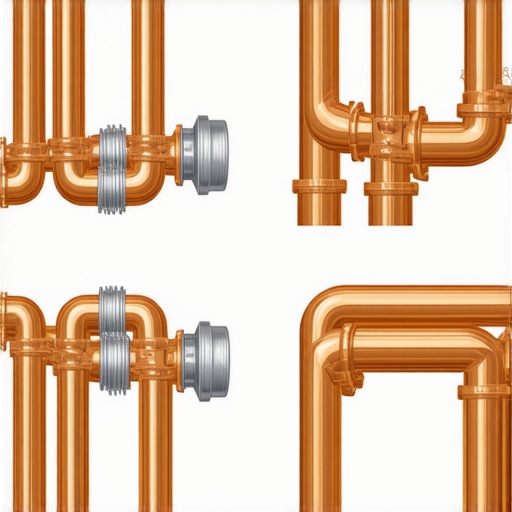
Understanding the true cost difference between PEX and copper isn’t just about the price per foot. It’s about factoring in installation, longevity, maintenance, and the often-overlooked permit and inspection requirements. As I dug deeper, I realized that initial material costs are only part of the story. For example, while PEX might be cheaper upfront—sometimes significantly—it can lead to higher costs if not installed properly or if it doesn’t meet local building codes.
Is Cost Savings a Miracle or a Mirage?
Many early mistakes I made involved focusing solely on the material price, without considering the long-term implications. For instance, I once assumed that the cheapest quote was automatically the best deal. That’s a common trap. As research shows, choosing materials based solely on initial cost can result in higher expenses over the life of the plumbing system due to repairs or replacements. It’s always wise to compare apples to apples and consider the full scope, including local permit requirements. Curious about what permits might affect your choice? Check out our guide on understanding permit processes for new building projects.
Secure Your Permits Early to Avoid Delays
Start by researching local building codes and permit requirements specific to your project. Visit the [permitting portal](https://constructionedgez.com/understanding-permit-processes-for-successful-home-additions) to understand the necessary paperwork. I once jumped straight into quoting without permits; it led to costly delays. Call your local building department or use their online resources to gather requirements, and compile a checklist. This proactive step ensures you won’t be caught off guard during inspection stages.
Determine the Scope Before Inviting Bids
Create detailed blueprints and a clear list of specifications. Use a standardized template for your project to communicate exactly what is needed. I remember receiving bids with vague descriptions, making comparisons nearly impossible. By detailing every aspect—from foundation type to finishes—you ensure all contractors bid on the same scope, which simplifies comparison and prevents hidden charges.
Estimate Costs with Precision and Realism
Utilize trusted estimating resources like [top estimating strategies](https://constructionedgez.com/top-estimating-strategies-for-accurate-project-budgets). Break down costs into categories: materials, labor, permits, and contingency. For example, when estimating a kitchen addition, I calculated material costs separately for framing, electrical, plumbing, and finishes, then added 15% for unforeseen issues. This granular approach minimizes surprises and builds confidence in your budget.
Factor in Additions and Changes Early
Plan for potential scope creep. Use an estimation method that includes a contingency buffer—usually 10-15%. When I included this buffer during a basement remodel, it saved me from having to cut features later. Employ tools like [estimator templates](https://constructionedgez.com/estimating-home-additions-a-step-by-step-guide-for-2025) to account for similar projects. Document all assumptions and keep records of changes to revise estimates accurately.
Manage Permit and Inspection Processes Smoothly
Identify all required permits and schedule inspections in advance. Use a permit management system or calendar to track deadlines. I once delayed my project because I didn’t align inspection appointments properly. Learn from this by consulting [advanced permit guides](https://constructionedgez.com/how-to-streamline-permit-acquisition-for-faster-construction), ensuring permits are approved before starting major work. Maintain communication with inspectors and promptly address any deficiencies they highlight.
Coordinate with Contractors and Suppliers for Timing
Align your contractor schedules with permit approvals. Confirm material availability at least two weeks before installation dates. For a recent addition, I coordinated with my supplier to ensure PEX pipes arrived just-in-time, avoiding storage costs and delays. Use communication platforms and checklists to keep everyone on the same page, minimizing downtime and miscommunication.
Keep Documentation Clear and Accessible
Maintain organized records of bids, permits, change orders, and receipts. Use digital tools like cloud storage folders for easy access. When I kept meticulous records, resolving disputes was straightforward, and I could quickly verify costs during audits. This discipline reduces errors, prevents budget overruns, and ensures compliance with local regulations.
Review and Adjust Your Plan Regularly
Hold weekly review sessions to compare progress against your estimates and schedule. Adjust your plan based on actual costs and unforeseen issues. During one project, a weekly review revealed that electrical costs were higher than anticipated, leading me to renegotiate some scope with suppliers. Staying flexible and updating your plan ensures your project stays on track and within budget.
Many homeowners and even seasoned contractors often cling to the myth that accurate estimates and smooth permit approvals are straightforward processes, but in reality, there’s a complex web of nuances that can trip you up. One common misconception is that initial quotes reflect the true cost of your project. In fact, many estimates overlook critical factors such as permit complexity, site-specific challenges, and the intricacies of local building codes. These overlooked details can cause budget overruns and delays, particularly when changes happen mid-project.
Why do so many estimates go wrong despite detailed blueprints?
This discrepancy often stems from not accounting for hidden site conditions or utility conflicts, which are silent budget killers. For example, soil issues or underground utility lines can drastically alter foundation or excavation costs, yet they’re frequently underestimated or ignored during initial planning. Experts emphasize that proactive site assessments and thorough risk analysis—beyond just blueprints—are essential for precise cost forecasting. According to a recent study by the National Association of Home Builders, projects that incorporate detailed site investigations and contingency planning see 30% fewer surprises and 20% better budget accuracy.
Another widespread mistake is underestimating permit complexity, especially in areas with evolving regulations or strict compliance standards. It’s tempting to assume that permits are a mere formality, but digging into local [permitting requirements](https://constructionedgez.com/understanding-permit-processes-for-new-building-projects) reveals that some jurisdictions have lengthy approval processes laden with specific inspections, documentation, and compliance checks. These can add weeks—even months—to your timeline and increase costs significantly. A common trap is to delay permit application until late in the process, which compounds delays and errors. Proper planning involves early engagement with local authorities and understanding the detailed steps, as outlined in guides like [streamlining permit acquisition](https://constructionedgez.com/streamlining-permit-acquisition-for-faster-construction).
Keep Your Build in Top Shape: Essential Tools and Methods
Maintaining a newly completed project involves more than just routine inspections; it requires the right tools and a strategic approach. I personally rely on a combination of digital software and traditional methods to ensure my builds stay functional and compliant over the years. A key tool in my arsenal is BuildSoft, a project management platform that keeps track of maintenance schedules, permit renewals, and inspection deadlines. Its calendar integration and custom task lists remind me when specific checkpoints are due, reducing the chance of overlooking crucial maintenance tasks.
For site inspections and routine checks, I prefer using handheld thermal cameras like the FLIR E8 XT. This device helps me quickly identify issues like overheating electrical components or insulation gaps that might not be visible to the naked eye. Regular use of such technology enables proactive repairs, saving costs before problems escalate.
Long-term success also hinges on adhering to updated building standards and leveraging community knowledge. I follow industry blogs like Construction Edge’s expert guides to stay informed about evolving codes and best practices. Incorporating these insights ensures that my maintenance routines keep pace with current regulations and innovations.
Automated monitoring systems are increasingly becoming part of my routine. Devices such as smart water leak detectors and energy usage monitors provide real-time alerts, allowing me to address issues before they cause significant damage. This trend points toward a future where integrated building intelligence will be standard, reducing manual checks and extending the lifespan of components.
How do I maintain my build’s integrity over time?
Starting with a detailed maintenance plan is crucial. I create checklists tailored to each component—plumbing, electrical, structural—to schedule inspections, filter replacements, and minor repairs. Embracing tools like project management systems helps me stay organized and ensures nothing slips through the cracks. Moreover, documenting all inspections and repairs creates a valuable record for future assessments or resale processes.
For those planning for long-term scalability, installing modular systems can ease future upgrades. For instance, employing flexible electrical panels allows easy expansion without extensive rewiring. Combining these strategies with professional inspections guided by local permit requirements—details of which can be found in this comprehensive permit guide—sets a strong foundation for ongoing maintenance.
Looking ahead, integrating AI-powered monitoring tools may revolutionize maintenance protocols by predicting failures before they happen. Implementing advanced sensor networks now positions your build to benefit from these innovations, ensuring longevity and optimal performance well into the future.
Try adopting a comprehensive maintenance software like BuildSoft, combined with real-time monitoring devices. Starting with these specific tools can dramatically improve the efficiency of your upkeep routine and safeguard your investment over time.
What I Wish I Knew Before My First Build
One of the most impactful lessons I learned was the importance of detailed site assessments. Rushing into a project without understanding underground utilities or soil conditions cost me time and money. Taking the time to conduct comprehensive site investigations upfront can prevent costly surprises later on. This insight made me realize that true preparation makes all the difference in staying within budget and timeline.
How Permitting Can Make or Break Your Project Timing
I once underestimated how permit delays could derail my schedule. Engaging early with local authorities and understanding every step of the permit process—like reviewing the permitting requirements—saved me weeks of downtime. The key is proactive communication and thorough documentation from the start, which keeps the project moving smoothly.
Why Material Choices Are More Than Just Cost
Switching from focusing solely on initial material costs to considering long-term performance and compliance changed my perspective. For example, investing in higher-quality copper pipes or PEX with certifications paid off through fewer repairs and inspections. Always weigh upfront costs against durability, maintenance, and local building standards to make smarter decisions that benefit your build over time.
My Strategy for Accurate Cost Estimation
Accurate budgeting isn’t about guesswork; it’s about meticulous breakdowns. I now utilize detailed estimation templates and include contingency buffers—like the top estimating strategies—to anticipate unexpected expenses. This approach instills confidence and keeps my projects on track financially.
How Ongoing Maintenance Brings Peace of Mind
Building in time and resources for future upkeep became a game-changer. Installing smart monitoring devices and keeping organized records help me catch issues early and avoid expensive repairs. Embracing technology and regular inspections turn maintenance from a chore into a proactive shield for my investments, ensuring longevity and safety.