
How to Negotiate Change Orders Without Getting Overcharged
I’ll never forget the moment I watched a change order balloon from a simple request into a financial nightmare. It was mid-project, and what should have been a straightforward adjustment turned into a heated negotiation that left me questioning every dollar spent. That lightbulb moment made me realize how crucial it is to understand the art of negotiating change orders without getting overcharged.
Why Negotiating Change Orders Matters More Than Ever
In today’s fast-paced construction landscape, change orders are almost inevitable. Whether it’s a tweak to the design or unforeseen site conditions, these adjustments can significantly impact your budget and timeline. When not handled carefully, contractors might see change orders as an opportunity to inflate costs. According to a study by the Construction Industry Institute, up to 30% of project costs can be attributed to change-related issues, often due to poor negotiation or miscommunication. That’s a staggering figure that’s hard to ignore if you want your project to stay within budget.
Many homeowners and even seasoned builders underestimate how crucial it is to approach change orders strategically. A common mistake is accepting the initial quote without question or trying to negotiate after the fact, which often leads to overcharges. I learned that proactive, well-informed negotiation can save thousands—and sometimes tens of thousands—of dollars. This approach doesn’t just protect your wallet; it also helps maintain good relationships with your contractors and ensures your project runs smoothly.
If you’ve ever been hit with unexpected change order costs that seemed out of proportion, you’re not alone. It’s a widespread issue, and the good news is, there’s a way to turn the tide. By learning some proven negotiation tactics and understanding your rights, you can prevent overcharges and keep your project on the right track.
Is Negotiating Change Orders Really Worth the Effort?
Initially, I thought it was just about bargaining like a marketplace vendor. But I quickly realized that effective negotiation is more about knowledge and confidence than haggling. One mistake I made early on was accepting a change order fee without reviewing the scope carefully. That simple oversight cost me hundreds in hidden fees. If I had taken the time to understand the process and ask the right questions, I could have potentially negotiated a better price or avoided unnecessary costs altogether.
Now, I want to share what I’ve learned so you don’t have to go through the same costly experience. Whether you’re tackling your first project or are a seasoned DIYer, mastering change order negotiations can make a significant difference. From understanding permit processes to knowing how to communicate effectively with your contractor, there’s a lot you can do. If you’re curious about simpler ways to ensure you’re not overcharged, you might want to check out our guide on understanding permit processes and how they can help streamline negotiations.
Get Precise with Estimating Before Approaching Change Orders
During my last renovation project, I noticed that my initial scope estimates were off by about 10%. To prevent this, I adopted a granular estimating process. Break down each element—materials, labor, permits—into their components. Use detailed cost data from reputable sources like top estimating strategies to refine your numbers. This approach gives you a solid baseline and positions you confidently during negotiations. Remember, a well-estimated project is your strongest leverage against inflated change order fees.
Review and Document Every Change Request
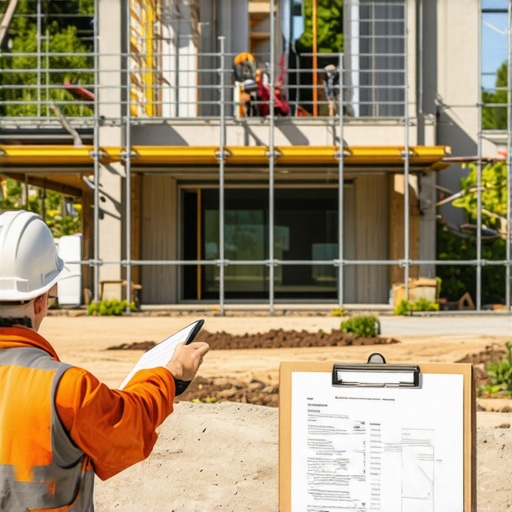
When a client requests a modification, resist the urge to jump straight to pricing. Instead, document the exact scope: take photos, note measurements, and draft sketches. I once skipped this step and ended up with a $2,000 surprise charge for a small window alteration. By having detailed documentation, you can compare the change’s scope against your original estimate and identify if the fee aligns logically. Use this data to confront any overcharges and negotiate effectively, similar to how detailed permit reviews, such as those found in permit process guides, help prevent costly delays.
Align Expectations with Permitting Processes
Before approving changes, understand the permit implications. Changes that alter the scope often require permit amendments, which can incur additional costs and delays. I learned this the hard way when I approved a structural change without consulting the permit requirements—causing a costly redo. To avoid this, consult resources like permitting guides early in the process. Incorporate permit costs into your negotiation, and make sure your client understands that approvals might stretch timelines and expenses. This awareness fosters transparency and sets realistic expectations.
Engage in Direct and Clear Negotiation Conversations
When negotiating, avoid vague language or emotional appeals. Instead, approach your contractor with specific data: your detailed estimates, documentation, and permit considerations. I recommended setting a clear limit—say, 10% above your initial budget—and stick to it. If a change request exceeds this, ask for a breakdown and justification. Remember, effective negotiators are confident and informed, much like professionals who scrutinize their material bids at cost estimation resources. Being firm yet fair helps you secure fair pricing and maintain good working relationships.
Leverage Professional Advice When Necessary
Sometimes, negotiations hit a wall because the scope or costs are complex. Don’t hesitate to bring in a construction consultant or an estimator for a second opinion. I once had a stubborn contractor who insisted on a $5,000 fee for a minor electrical reroute. An independent review revealed the fee was inflated by at least 30%. Having a professional opinion not only validated my position but also strengthened my negotiating stance. Resources like permit navigation experts can assist in clarifying scope and costs further, ensuring you don’t pay more than necessary. This step ensures you’re negotiating from a position of strength, backed by authority and knowledge.
Many people assume that estimating, permitting, and planning for new builds or additions are straightforward processes, but in my experience, this is a dangerous misconception. A common myth is that initial estimates are enough to guide the entire project; however, underestimating the complexities involved can lead to costly delays and revisions. For instance, many overlook the nuances of permit requirements and how they can affect timelines and budgets, especially with evolving regulations that are not always transparent or easy to interpret. According to industry experts, failing to account for permit nuances can increase project costs by up to 20%, making thorough research essential. One frequent mistake is relying solely on simplified estimation methods or generic contractor quotes without cross-checking with current code standards and local requirements, which can result in unexpected fees or delays.
Why do so many still underestimate permit complexities, and how can professionals avoid this trap?
Understanding the intricacies of permit approval processes is critical. Many believe that permits are just a bureaucratic hurdle, but in reality, they embody the structural and safety standards that protect your property and community. Misjudging permit requirements or skipping necessary steps often leads to permit rejections, fines, or forced redesigns. To navigate this, consulting detailed permit guides and early communication with local authorities is invaluable. As outlined in our resources on understanding permit processes, proactive engagement minimizes surprises. Moreover, recognizing the difference between permits for new builds versus additions is vital, as they often involve different codes or approval timelines. Many underestimate how outdated or non-compliant plans can cause permit delays; hence, outsourcing a professional review ensures your submission aligns with current standards.
Common Mistakes That Derail Your Budget and Timeline
Another overlooked aspect is the impact of inaccurate estimates. Many rely on quick online calculators or contractor ballpark figures, but these often lack the depth needed for complex projects. A detailed, component-level approach, using strategies from top estimating strategies, reduces the risk of underestimation. Additionally, integrating permit-related costs into your initial budget is crucial; many forget to include application fees, inspection costs, or potential rework charges. Failing to do so can cause project stalls and financial strain. Always remember, estimates should be treated as living documents, updated regularly as you gather more specific data throughout planning and design phases. This dynamic process aligns with expert advice on accurate home addition estimates.
Lastly, the ‘Oops’ factor often manifests in poor documentation or assumptions. Skipping detailed drawings, not marking existing utilities, or neglecting local zoning requirements frequently leads to permit delays and revision costs. Properly reviewing and documenting every scope change, as emphasized earlier, prevents these issues. Remember, a minor oversight today can morph into a major expense tomorrow, especially if it causes project shutdowns due to permit non-compliance or code violations. So, stay vigilant and consult experts whenever questions arise; it’s better to ask than to pay later. For comprehensive guidance, our resource on permit approval tips offers practical advice to streamline your process. Have you ever fallen into this trap? Let me know in the comments.
Prioritize Maintenance to Sustain Long-Term Success
Staying on top of ongoing maintenance is crucial for the longevity and safety of your construction projects. Regular inspections of structural elements, utility systems, and building integrity can prevent costly failures down the line. Establish a routine check-in schedule using digital management tools like Procore or PlanGrid that allow for real-time updates and centralized documentation. These platforms not only streamline communication but also ensure that maintenance tasks are tracked and completed promptly, helping to avert small issues from escalating into major problems.
How do I maintain project tools and systems over time?
Consistent calibration and inspection of equipment such as laser levels, moisture meters, and power tools are essential. For example, I rely on Bosch GLM 50 C laser measure for its accuracy and durability, which I calibrate every few months based on manufacturer guidelines. Keep a maintenance log using cloud-based software like Construction Master to monitor service intervals and repairs. This disciplined approach ensures tools remain precise, reduces downtime, and extends their lifespan, ultimately saving money and improving project quality.
Leverage the Right Software to Track Progress and Prevent Delays
One method I swear by is using specialized project management software such as Buildertrend. It integrates scheduling, resource allocation, and communication, providing a comprehensive overview of ongoing work. When every team member updates progress daily, it becomes easier to identify bottlenecks early and adjust plans accordingly. Additionally, digital document management keeps all permits, inspections, and change orders accessible and organized, reducing paperwork chaos and missed deadlines.
Looking ahead, the trend points toward increased automation and AI-driven project analytics to forecast potential setbacks before they happen. Embracing these tools now can give you a competitive edge, especially when scaling operations or managing complex builds.
Make Your Building Process Resilient by Staying Organized
To keep everything functioning seamlessly, conduct weekly audits of your project systems and data. Consider creating checklists for routine inspections, ensuring every element—from foundation to roofing—meets safety standards. Implementing digital dashboards that display real-time metrics not only keeps teams accountable but also immediately flags deviations from the plan. Remember, consistent maintenance and diligent tracking are the backbone of successful construction management.
If you want to boost your project’s longevity and efficiency, I recommend trying out Construction Master for tracking your maintenance schedules and progress. Explore their platform’s features to see how it can automate routine checks and flag upcoming service needs, saving you time and reducing risk. For more advanced strategies on keeping your builds in top condition, visit our resource on streamlining permit acquisition.
3 Lessons I Wish I Didn’t Have to Learn the Hard Way
One of the toughest moments in my construction journey was realizing how easily a small change order can spiral into a costly ordeal. The first lesson I learned was that assuming all change orders are minor can be dangerous; some can unexpectedly double your expenses if not negotiated properly. The second was that relying solely on contractor estimates without cross-checking the scope often led to inflated fees. And finally, overlooking the permit implications of each change can result in delays and hidden costs. These lightbulb moments transformed my approach and underscored the importance of strategic negotiation and diligent planning in estimating and managing permits for new builds and additions.
Your Next Step with Confidence: Resources That Guide You
For anyone looking to refine their understanding of permits and estimation, I highly recommend specific tools and resources that have genuinely made a difference in my projects. Top estimating strategies have helped me develop detailed, component-level budgets, providing clarity and leverage during negotiations. The permitting guides are invaluable for understanding permit requirements early, reducing delays. Additionally, streamlining permit acquisition tips have saved me weeks of unnecessary waiting. Lastly, engaging with local permit experts through permit navigation specialists can provide tailored insights that prevent costly missteps.
Ready to Transform Your Building Approach
Building or renovating is a complex journey, but with the right knowledge and tools, you can take control of the process. Mastering the intricacies of permit handling and precise estimating not only keeps your project on track but also empowers you to negotiate confidently, saving you time and money. Don’t let surprises derail your progress—equip yourself with insights, leverage expert resources, and approach each change order as an opportunity to improve your project rather than a setback. Your next successful build begins with education—start today and turn challenges into achievements.