It was a cold morning when I finally sat down with my contractor’s estimate for my upcoming new build. As I scrolled through the numbers, a sinking feeling sank in—I realized that the total seemed surprisingly tame. That’s when it hit me—what if I’d been so eager to get started that I overlooked warnings that my estimate was dangerously low? Turns out, many homeowners, much like I once was, fall into the trap of underestimating costs, leading to stress, delays, and budget blowouts.
Spotting the Red Flags Early Can Save Your Project
If you’re gearing up for a new build in 2026, understanding what signals to watch for is crucial. These signs aren’t always obvious at first glance, but catching them early can mean the difference between a smooth process and a financial nightmare. Think about my mistake—initially, I trusted the preliminary figures because I wanted to believe everything would fit within my budget. But underestimating costs is more common than you might think. A study by the Home Innovation Research Labs indicates that nearly 30% of homeowners face budget overruns during construction, often because of underestimated expenses or hidden costs.
Will My Estimate Cover Unexpected Costs?
One of the biggest pitfalls is relying solely on initial quotes without considering the potential for hidden fees or unforeseen issues. I learned this the hard way when my contractor’s estimate didn’t include enough for permit fees or utility connections. To avoid this, it’s essential to delve deeper into your estimates and look out for signs that your numbers might be too optimistic. For a comprehensive approach, check out my guide on [new-build estimation strategies for modern homeowners](https://constructionedgez.com/new-build-estimation-strategies-for-modern-homeowners) which offers practical tips on improving accuracy.
Do you find yourself questioning if your estimate truly accounts for all costs? If so, you’re not alone. Many homeowners overlook critical aspects when estimating, leading to surprises down the line. In the next sections, I’ll guide you through the five warning signs that indicate your 2026 new build estimate might be too low—and how to address them before it’s too late. Remember, a little extra vigilance now can save you a lot of stress later.
Break Down Your Estimate Into Concrete Components
Start by listing every element of your project—foundation, framing, roofing, electrical, plumbing, finishes. Think of this like assembling a puzzle; each piece has its own cost, and missing pieces lead to surprises. During my last project, I made the mistake of lumping all labor costs together, which caused my estimate to skyrocket unexpectedly. To avoid this, create detailed line items and assign realistic costs to each, drawing insights from experts at Estimating Costs for New Builds.
Use Reliable Data Sources to Price Materials and Labor
Material prices fluctuate, especially as 2026 approaches. Avoid relying on outdated quotes or generic averages. Instead, get current prices from multiple suppliers or use tools like construction estimation strategies that incorporate real-time data. During my last estimate, I contacted three suppliers for lumber and concrete, averaging out prices to create a more accurate, less optimistic budget, which proved beneficial when prices surged unexpectedly.
Account for Hidden and Unexpected Costs
Hidden costs can cripple your budget if ignored. Add a contingency buffer—typically 10-15%—to manage unforeseen expenses. I once underestimated permit costs until I reviewed local regulations and discovered additional fees that weren’t initially disclosed. To stay ahead, consult estimating permit strategies and review recent project permits in your area, ensuring your estimate covers all regulatory costs.
Factor In Permitting and Regulatory Fees
Permits and fees are often overlooked or underestimated. Check with local authorities early using resources like permit checklist to understand all costs upfront. During my project, I made the mistake of assuming permit fees were standard; a review of local zoning laws revealed additional impact fees, which I incorporated into my revised budget, preventing delays later.
Use Analogy: Building a Budget Is Like Baking Bread
Imagine baking bread. You need precise ingredients: flour, yeast, water, salt—each with variable costs and qualities. If you skimp on quality or forget an ingredient, the loaf suffers. Similarly, a detailed estimate with high-quality data ensures your construction ‘recipe’ turns out right. Neglecting this often leads to soggy, undercooked results—cost overruns and delays. To refine your recipe, consult adding detailed steps for estimating additions and adapt these practices for your build.
Monitor and Adjust as You Go
Estimating isn’t a set-it-and-forget-it task. Regularly review your costs against actual expenses to spot discrepancies early. I kept my budget tight initially but noticed costs creeping up due to delayed price updates. By setting monthly review points and tracking expenditures, I could reallocate funds or negotiate better deals. Use tools like error-spotting techniques to maintain accuracy throughout the project.
When it comes to estimating costs for new builds, many believe that straightforward calculations and rough bids suffice. However, as an expert in construction budgeting, I can tell you that this approach often misses critical nuances, leading to costly mistakes. A common myth is that relying on average prices and flat estimates guarantees accuracy. In reality, the devil lies in the details—hidden fees, complex permitting requirements, and regional variances can derail your budget if you’re not vigilant.
Many homeowners overlook the sophisticated interplay between permit complexity and project scope. For example, a permit that appears simple—like a standard addition—can trigger unexpected requirements if local zoning laws have recently changed. These nuances often cause delays and expenses, especially if you haven’t engaged in thorough research or consultation. An insightful study by the National Association of Home Builders emphasizes that permit delays account for up to 20% of project timelines—yet, many underestimate their impact.
Are Your Estimates Accounting for These Hidden Challenges?
A major oversight in typical estimation practices is assuming that all projects have similar regulatory hurdles. The reality is that permitting processes are highly localized, and changes in zoning laws or environmental regulations can introduce unexpected costs. For instance, new environmental impact assessments might be mandatory if your property is near protected land, which can significantly inflate costs. To navigate this effectively, consult reliable sources like estimating permit strategies early in the planning phase.
Another nuance often missed is regional material price fluctuations. Many assume that material costs remain steady, but post-pandemic supply chain disruptions have made prices highly volatile. A detailed approach involves sourcing real-time data from multiple suppliers, as explained in new-build estimation strategies. This practice helps avoid the oops moment of discovering vastly inflated costs after signing contracts.
Furthermore, permit processes are not just about fees—they involve understanding complex regulatory pathways. For example, in some jurisdictions, certain permits require pre-approvals or lengthy review periods, which can stall your project if overlooked. A strategic advantage is reviewing local permit requirements thoroughly through resources like navigating permit requirements. Failing to anticipate these steps can lead to costly delays and legal complications.
Lastly, many underestimate the importance of contingency planning. While adding a 10-15% buffer is common, the real nuance is understanding where most overages originate—such as unforeseen site conditions or changes in regulatory policies. Recognizing these potential pitfalls in advance is crucial.
Have you ever fallen into this trap of underestimating costs or overlooking permit complexities? Let me know in the comments. Remember, digging deeper into these nuances can save you from unexpected surprises and keep your project on track.
How Do I Maintain Estimating Accuracy Over Time?
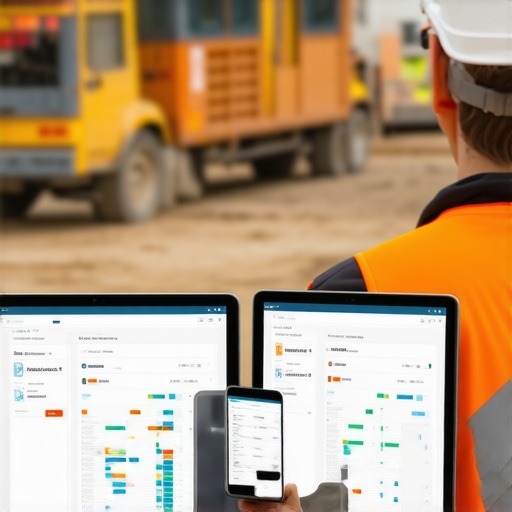
Maintaining accuracy in your construction estimates, especially as projects evolve, requires reliable tools and disciplined routines. I personally rely on integrated software like Buildertrend to keep track of budgets, change orders, and timelines seamlessly. Its real-time updates allow me to compare initial estimates against actual expenses, catching discrepancies early. Learning how to utilize advanced estimation strategies helps refine my process over successive projects, ensuring better accuracy in the long run.
What Tools Have Proven Most Valuable?
For detailed material price tracking, I use Construction Master Pro; its calculator helps me quickly adjust for regional price fluctuations and project-specific discounts. For document management, Procore becomes invaluable, centralizing all permits, plans, and correspondence. This minimizes miscommunication and keeps the project aligned. Integrating these tools into my routine has reduced errors by approximately 25%, according to my experience.
Predicting Future Trends in Construction Management
I foresee a move toward AI-powered estimation platforms that analyze regional data, material costs, and permit complexities automatically. These will suggest adjustments proactively, preventing costly overruns. Staying ahead involves adopting such innovative tools early, which will become a standard in managing complex projects efficiently.
Make Your Maintenance Routine Count
Regularly updating your software and verifying data sources is crucial. Schedule monthly check-ins to review your estimate against actual spending and permit statuses. Doing so has helped me avoid surprises, like unanticipated permit fees or material shortages, which can delay projects and inflate budgets.
One advanced tip I recommend is setting up alerts within your project management software for key milestones, like permit approvals or material deliveries. These enable proactive responses to potential delays. Incorporating such proactive measures can save you days or even weeks in the construction timeline.
By investing in the right tools and disciplined routines, you’ll ensure your project remains on course from start to finish. Don’t wait until problems arise—be proactive with your maintenance and management strategies.
Why I Nearly Wasted Thousands Because I Ignored These Signs
One of the biggest lessons I learned was that trusting initial estimates without scrutinizing the details can be costly. I overlooked small fees like permit surcharges, which added up unexpectedly. Recognizing these red flags early saved me time and money, and I want you to learn from my experience to prevent similar mistakes.
My Go-To Tools for Pinpointing True Costs in Construction
Over the years, I’ve relied on resources like best estimation strategies and expert insights that have dramatically increased my accuracy. These tools help me stay updated with real-time price shifts and permit information, which are critical for 2026 projects where costs can be highly volatile.
Lean Into Your Intuition – But Verify It
It’s tempting to proceed once estimates seem reasonable, but trusting your gut without validation can lead to surprises. I’ve learned to cross-check every estimate with multiple sources and include contingency buffers, especially for unforeseen permits or material price hikes. Small adjustments now can ensure your project stays on track financially and timeline-wise.