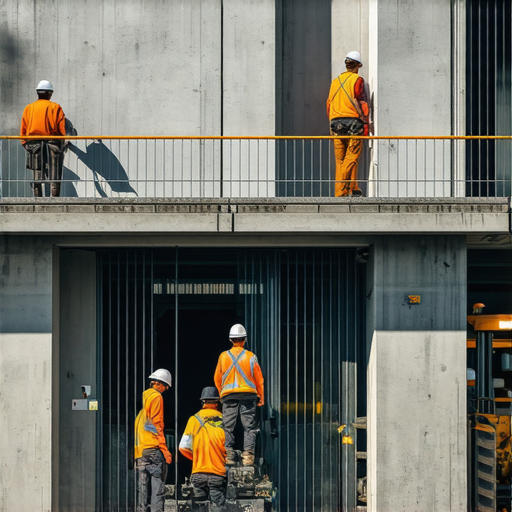

Ever launched into a new construction project only to be blindsided by unexpectedly skyrocketing costs or permit delays that seemed to come out of nowhere? I’ve been there. I remember the sinking feeling in my stomach when I realized I had underestimated the time and money needed to get my latest project off the ground. That lightbulb moment taught me a crucial lesson: without a solid estimating and permit strategy, even the most promising build can turn into a logistical nightmare.
Why Getting Estimating and Permits Right Matters Now More Than Ever
In today’s fluctuating economy and ever-evolving regulatory landscape, a reliable approach to estimating costs and securing permits isn’t just helpful — it’s essential. With inflation impacting material costs and local governments tightening restrictions, the margin for error shrinks daily. According to a 2023 industry report, construction costs have risen by an average of 12% over the past year alone, making precise estimates a non-negotiable element of success. If you’re like me, you want to avoid surprises that can derail your project or blow your budget.
But here’s the truth — many folks jump into their builds without adequate planning, only to find themselves stuck between inflated estimates and permit bottlenecks. Early on, I made the mistake of relying on generic estimates and overlooking recent permit changes. It cost me thousands, and I learned the hard way that a tailored, well-researched approach is the secret to avoiding those pitfalls.
Have You Faced These Challenges?
If you’ve ever felt overwhelmed by the thought of unpredictable costs or the complexity of permit requirements, you’re not alone. The good news? There’s a way to turn that uncertainty into confidence. I’ll show you proven strategies that have helped me and countless others stay on track — from accurate estimating methods to navigating permit processes with ease. Want to know how to avoid common mistakes and build with certainty? Keep reading, because the solutions are closer than you think.
Break Down Your Project into Manageable Sections
Start by dividing your project into clear phases—like foundation, framing, roofing, and finishing. For each phase, list all materials, labor, and equipment needed. When I tackled my recent home addition, I created a detailed spreadsheet that itemized every task, which helped me get a precise estimate from the start. This approach prevents surprises and keeps your budget aligned with reality.
Use Reliable Data Sources for Accurate Estimates
Don’t rely on generic figures or outdated information. Instead, consult recent market price lists, supplier quotes, and local construction estimates. For example, I contacted local suppliers for current prices on lumber and drywall, which gave me a realistic baseline. Check out resources like this guide to sharpen your estimating skills and ensure your numbers are trustworthy.
Get Creative with Visualizing Costs
Imagine your project as building a puzzle. Each piece—materials, permits, labor—needs to fit perfectly to complete the picture. I used a cost calculator I built in Excel, updating it with real-time prices, to see how changes in one area affected the whole. This dynamic view helps catch potential overruns early, saving you money and stress.
Learn the Permit Process Inside and Out
Permits are like the traffic signals of construction—if you ignore them, you risk costly delays or fines. Review your local regulations thoroughly. I recommend reviewing this resource to understand the steps involved. When I applied for my permit, I followed a checklist that outlined required documents, fees, and approval times—streamlining the process and avoiding hold-ups.
Maintain Clear Communication with Authorities and Contractors
Think of permits as a handshake; you want it firm and confident. Regularly check in with your city’s building department and your contractors to ensure everyone is aligned. When I coordinated with my contractor, weekly updates prevented miscommunications, and I proactively addressed permit issues, which kept my project on schedule.
Develop a Contingency Plan
No estimate is perfect—unexpected costs or delays happen. Build a contingency budget of at least 10-15% of your total estimate. I learned this the hard way when a sudden price increase in materials threatened to blow my budget. Having a buffer allowed me to absorb the shock without halting work or sacrificing quality.
Leverage Technology for Tracking and Updates
Utilize project management software or simple apps to keep track of costs, permits, and timelines. When I started using a project dashboard, I could monitor progress and expenses in real-time, making adjustments on the fly. This proactive approach minimizes surprises and keeps your project transparent and under control.
Stay Informed on Regulatory Changes
Regulations evolve frequently. Regularly review updates via local government websites or trusted industry resources like this guide. When my city implemented new permit fees, I adjusted my budget accordingly, avoiding unexpected costs at critical stages.
Many seasoned builders and homeowners alike fall into common traps when it comes to estimating costs and navigating permit processes. The most pervasive myth is that relying on generic estimates or outdated permit knowledge can save time and money. In reality, this approach often leads to costly surprises and delays. Let’s dig deeper into what most people overlook and how to avoid these pitfalls.
Why Overconfidence in Basic Estimates Can Sink Your Project
One of the biggest misconceptions is that simple, quick calculations will suffice. While quick estimates might seem efficient, they rarely capture the nuanced realities of current material prices, labor shortages, or changing regulations. According to industry experts, accurate estimation requires detailed, up-to-date data and meticulous breakdowns. Relying on averages or outdated figures can cause underestimations that balloon your budget later.
The Danger of Underestimating Permit Complexity
Many assume that permits are straightforward paperwork handled in a week. However, permit processes today are more complex and variable than ever, influenced by local politics, environmental concerns, and evolving safety standards. A common mistake is failing to account for permit review times, additional documentation, or special inspections, which can extend timelines by months. To avoid this, research your local regulations thoroughly and consult current permit requirements. Proper planning here can prevent costly delays.
How to Spot the Hidden Cost of Permitting and Estimating
An advanced mistake involves not considering the ripple effects of permit delays or inaccurate estimates. For instance, a permit hold-up might cause labor to idle, increase financing costs, or even force redesigns if regulations change mid-project. The best practice is to develop a contingency plan that accounts for these hidden costs, typically 10-15% of your total budget. Additionally, leveraging technology such as project management software can help track real-time costs and permit statuses, allowing you to adapt proactively.
Have You Ever Fallen into This Trap? Let me know in the comments.
Once your project is underway, keeping everything running smoothly requires the right tools and a disciplined approach. I’ve found that leveraging specific software and methods not only simplifies tracking but also ensures long-term success. Let’s explore some of the most effective resources I personally use to stay on top of estimating, permits, and project management.
Invest in Construction Management Software
For me, the game-changer has been using Buildertrend. This cloud-based platform allows me to manage schedules, budgets, and communication in one place. It’s especially useful for tracking changes in costs and permits in real-time, preventing surprises. The ability to upload permits, documents, and photos directly into the system keeps everyone aligned and minimizes miscommunication. In the future, I believe construction management tools will become even more integrated with AI, offering predictive analytics to flag potential delays or budget overruns before they happen.
Utilize Accurate Cost Estimating Tools
Accurate estimates are the backbone of any successful project. I personally rely on this guide for up-to-date estimating techniques tailored for home additions and new builds. Additionally, tools like RSMeans provide detailed cost data specific to your region, helping me stay realistic about material prices and labor rates. Regularly updating these estimates with current data prevents the common pitfall of underestimating costs.
Harness Digital Permit Tracking
Permits can be a headache, but I’ve found that digital permit tracking platforms streamline the process. Many local governments now offer online portals where you can submit documents, check statuses, and communicate directly with officials. This reduces the need for multiple trips and minimizes delays. I recommend reviewing this resource to understand how to leverage digital tools effectively. Staying proactive with permit tracking means fewer surprises and smoother approvals.
Checklists and Document Templates
Staying organized is easier with detailed checklists and templates. I’ve created custom templates for permit applications, cost tracking, and change orders, which I review weekly. This habit ensures I don’t overlook critical steps and can quickly identify areas needing attention. Additionally, maintaining a digital repository of all project documents ensures quick access and better record-keeping.
Plan for Long-Term Maintenance and Scalability
As your project progresses, consider tools that support ongoing maintenance. For instance, I use HomeZada to track warranties, future repairs, and updates. For scaling projects, integrating software that handles multiple sites or phases becomes essential. The trend is moving toward modular, scalable systems that adapt as your project grows, making future expansions less complex and more cost-effective.
How do I maintain project efficiency over time?
The key is to establish a routine of regular reviews using these tools. Weekly check-ins with your software dashboards, combined with real-time updates, help catch issues early. Also, staying informed about evolving regulations and permit requirements—by consulting resources like this guide—ensures your project remains compliant and avoids costly delays.
Start implementing one of these advanced tools or strategies today and experience how it transforms your project management process. Your future self will thank you for the effort!
The Hardest Lesson I Learned About estimating, permit, additions, new build
One of my biggest realizations was that underestimating the intricacies of permits and accurate cost estimation can sabotage even the most promising project. I once thought quick, rough estimates would suffice, but a costly permit delay taught me that detailed planning and up-to-date data are essential for success.
3 Myths About estimating, permit, additions, new build That Held Me Back
First, believing permits are simple paperwork is a trap. Local regulations are complex and evolving, and ignoring this led to months of delays. Second, relying on outdated cost figures caused budget overruns. Lastly, thinking a single estimate suffices ignores potential fluctuations—having a dynamic, real-time approach saves money and time.
What Experts Won’t Tell You About estimating, permit, additions, new build
Many seasoned builders keep secret that integrating technology like project management software and regional cost data can drastically reduce surprises. Staying informed on regulatory updates and building contingency buffers are strategies that set successful projects apart from failures.
My Essential Toolkit for estimating, permits, and project success
I trust this guide for current estimating techniques, as it offers region-specific data and practical methods. I also use Buildertrend, a cloud-based platform, to track costs, permits, and communication—all in one place, which keeps my projects on schedule and within budget. For permits, I rely on this resource to stay updated on local regulations, avoiding costly delays. Finally, checklists and templates help me organize documentation and streamline workflows, saving time and reducing errors.
Your Next Step to Construction Confidence
Building with confidence in estimating and permits isn’t just about tools—it’s about adopting a proactive mindset. Regularly review your estimates, stay current on regulations, and leverage technology to monitor progress. The future of construction is data-driven and organized—are you ready to make that leap? Share your biggest challenge below, and let’s troubleshoot together on your path to successful projects!