The Wind Load Requirement for Cantilever Carports in Pretoria That Most Quotes Ignore
The Wind Load Requirement for Cantilever Carports in Pretoria That Most Quotes Ignore
There is an undeniable aesthetic appeal to the cantilever carport. Its sleek, “no-post” design offers a floating canopy look that modernizes any driveway while providing unobstructed space for vehicle movement. As a structural engineer at Axe Struct with a degree from the University of Pretoria, I have spent years analyzing the integrity of solar mounting systems and residential structures. I’ve seen the best and the worst of Gauteng’s construction landscape. Unfortunately, when it comes to Cantilever Carport Installations Pretoria, I am increasingly concerned by a dangerous trend: contractors are systematically ignoring critical wind load requirements to provide the lowest possible quote.
In the engineering world, we don’t look at a carport as just a roof; we look at it as a structural system that must resist the laws of physics. In Pretoria, those laws are frequently tested by violent Highveld thunderstorms. If you are a homeowner in Waterkloof, Garsfontein, or Pretoria North looking to protect your vehicles, you need to understand that a “cheap” cantilever quote is often a recipe for structural failure. Most quotes you receive today are fundamentally flawed because they fail to account for the South African National Standards (SANS) 10160 wind load requirements.
Why Cantilever Designs are “Wind Magnets”
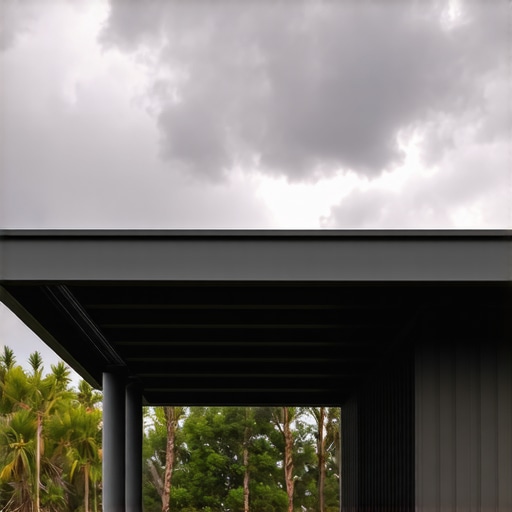
To understand why these structures fail, we have to look at the physics of the cantilever. Unlike a traditional four-post Steel Carport Installations Pretoria, which distributes weight and wind force downward through four vertical points, a cantilever relies on a single side of support. This creates what we call a massive “overturning moment.”
Think of the carport as a giant lever. The canopy is the arm, and the foundation is the fulcrum. When wind blows against or under that canopy, the force is multiplied by the length of the arm. Furthermore, a cantilever canopy acts remarkably like an airplane wing. When wind flows under the structure, it creates an “uplift” force. In a typical Pretoria storm, the wind doesn’t just push down on your carport; it tries to rip it out of the ground and flip it backward. Without precise engineering and heavy-duty materials, the structural integrity of Cantilever Carport Installations Pretoria is compromised the moment the first gust hits.
This uplift is the primary reason why standard carport designs cannot be “converted” into cantilevers simply by removing two poles. A cantilever requires significantly thicker steel, deeper foundations, and specialized joint reinforcement to handle the torsional stress and shear forces that a standard four-post structure never encounters.
The Reality of Pretoria’s Micro-Climate
Pretoria is not a “low-wind” zone. While we may not face the sustained coastal gales of Cape Town, our inland “micro-bursts” are arguably more dangerous for light steel structures. Research and news reports from The Citizen and News24 have frequently highlighted the “fierce weather systems” that roll through Gauteng. Areas like Akasia and Pretoria North are particularly susceptible to damaging winds that have historically ripped roofs off houses and downed power lines.
When these storms hit, the wind speed can jump from a breeze to 100km/h in seconds. If your Residential Carport Installations Pretoria was designed using “rule of thumb” measurements rather than site-specific wind load calculations, the results can be catastrophic. I have personally inspected sites where cantilever carports have buckled under wind loads, damaging the very luxury vehicles they were meant to protect. The micro-climate of the Magaliesberg range also creates localized wind tunnels, meaning a design that works in one suburb might be entirely inadequate in another.
The SANS 10160 Standard: What Your Quote is Missing
In South Africa, all structural design is governed by SANS 10160. This standard dictates how we calculate the “actions” (loads) on a building, including self-weight, imposed loads, and most importantly, wind loads. For Pretoria, the basic wind speed used in these calculations is generally around 28 meters per second (approx. 100 km/h), but factors like terrain category and height above ground can increase the required design strength.
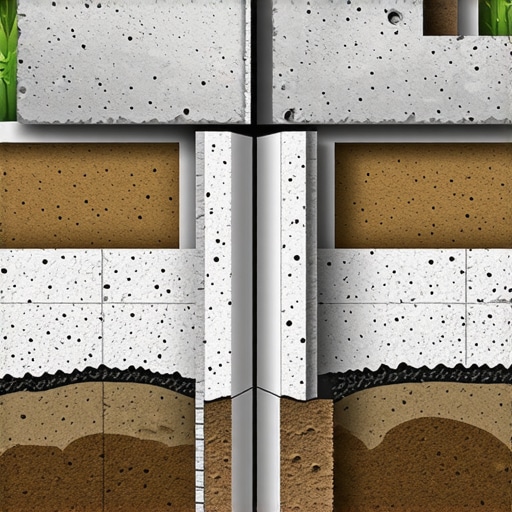
When you receive a quote for Commercial Carport Installations Pretoria, it should ideally be accompanied by an engineering rationale. Most “bakkie-and-a-trailer” contractors ignore SANS 10160 entirely. They save money by using 2mm thick lip channel instead of the required 3mm or 4mm structural steel. They use shallow, hand-dug footings instead of the deep, reinforced concrete piers required to counter the overturning moment. A “cheap” quote isn’t a bargain; it’s a bypass of national safety standards. For larger projects, you should always consult a guide on Understanding Permit Processes for New Building Projects to ensure your structure is legal and insured.
Red Flags in a Carport Quote
How can a non-engineer spot a dangerous quote? Here is a checklist of red flags to look for when evaluating Steel Carport Installations Pretoria:
- Lack of Concrete Specifications: If the quote doesn’t specify the MPa (strength) of the concrete or the depth of the footings, the contractor is likely guessing. Cantilevers often require 25MPa to 30MPa concrete and footings over 1.2 meters deep.
- Vague Steel Descriptions: “Heavy-duty steel” is not a specification. A professional quote will specify the gauge (thickness) and the type of steel (e.g., Grade 300WA).
- No Engineer’s Sign-off: For cantilever structures, you should insist on a Pr.Eng (Professional Engineer) certificate. If the contractor hesitates to provide one, it’s because they know their design won’t pass a structural review. You can learn more about this by reading How to Verify the Authenticity of a Structural Engineer’s Stamp.
- Ignoring the “Uplift” Factor: Ask the contractor how they have accounted for wind uplift. If they only talk about the weight of the roof, they don’t understand cantilever physics.
Comparing Material Choices: Steel vs. Shadenet
The choice of material significantly impacts how a structure interacts with the wind. A solid steel roof creates a total blockage, meaning 100% of the wind force is transferred to the frame and foundations. This is why Steel Carport Installations Pretoria must be exceptionally robust.
In contrast, Shadenet Carport Installations Pretoria offer some wind permeability. The mesh allows a small percentage of air to pass through, reducing the total load. However, don’t let this fool you into thinking they require less engineering. A Shadeport Installations Pretoria or a Shade Sail Installations Pretoria acts like a massive sail. The tension required to keep the net from sagging is immense, and the “pull” on the posts during a storm can be even more concentrated than a steel roof. Whether you choose steel or shadenet, the foundation requirements for a cantilever remain non-negotiable.
Custom Engineering: Wall Mounts and Specialized Designs
Sometimes, a traditional cantilever isn’t the best fit for a property’s layout. In tight spaces, we often look at Wall Mount Carport Installations Pretoria. These structures save space by bolting one side of the carport directly to an existing building. However, this introduces a new risk: is the wall strong enough to handle the wind load of the carport?
Just as Your Solar Panel Installation Needs a Roof Loading Study, a wall-mounted carport needs a structural assessment of the host building. Bolting a heavy cantilever to a single-skin brick wall is a recipe for a collapsed wall. For high-wind areas or unique architectural requirements, Custom Design Carport Installations Pretoria are the only way to ensure that both the new structure and the existing building remain standing after a storm.
The Financial Risk of Ignoring Wind Loads
The danger of a sub-par carport isn’t just physical; it’s financial. Most homeowners assume that if their carport falls on their car, insurance will cover it. However, insurance companies are increasingly scrutinizing “failure to maintain” and “non-compliant construction” clauses. If an adjuster finds that your Carport Installations Pretoria did not meet SANS 10160 standards, they have every right to reject your claim for both the structure and the vehicles underneath it.
When you are trying to Accurately Estimate Costs for Home Improvements, you must factor in the cost of compliance. A compliant cantilever might cost 30% more than a “fly-by-night” quote, but that 30% is essentially an insurance policy against total structural loss. In the long run, the cheapest quote is often the most expensive mistake a property owner can make.
Summary of Wind Load Considerations for Pretoria
| Feature | Standard Requirement (SANS 10160) | Common “Cheap” Quote Shortcut |
|---|---|---|
| Steel Thickness | 3.0mm – 4.5mm for main supports | 1.6mm – 2.0mm “Light” steel |
| Foundation Depth | 1000mm to 1500mm (Site dependent) | 400mm to 600mm “Surface” footings |
| Concrete Grade | 25MPa+ Reinforced | Hand-mixed “Dry” concrete |
| Wind Speed Design | 28 m/s (100 km/h) min. | Not calculated |
Prioritizing Safety Over the Lowest Bid
In my professional capacity at Axe Struct, I always tell clients that a carport is a structural investment, not a garden accessory. Pretoria’s weather is unforgiving, and the physics of a cantilever leave no room for error. Whether you are looking for Residential Carport Installations Pretoria or large-scale Commercial Carport Installations Pretoria, the priority must always be structural integrity.
Before you sign a contract, ask for the engineering drawings. Ask about the wind load calculations. A reputable contractor who specializes in Cantilever Carport Installations Pretoria will be happy to explain their engineering choices. If they can’t explain how the structure stays down when the wind blows up, you should keep looking.
Don’t let a beautiful “floating” design become a flying hazard. Ensure your next project is built to last, built to code, and built to withstand the unique challenges of the Pretoria climate. Contact a specialist who understands SANS requirements and can provide a quote that includes the safety and peace of mind you deserve.