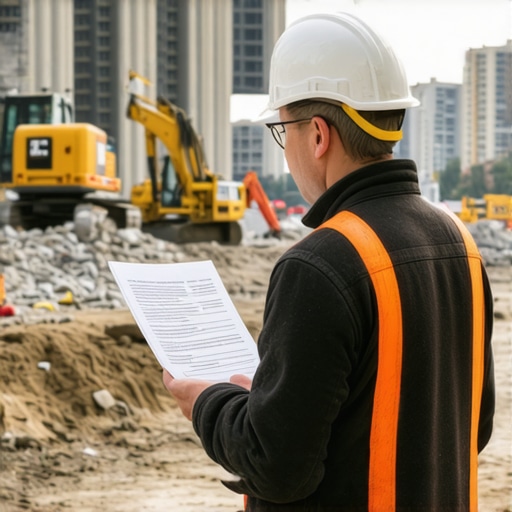
The Hidden Disposal Fees in Demolition Bids
I vividly remember the moment I realized I had fallen into a silent trap with my latest demolition project. It was late in the game, the bid was supposed to be wrapped up, and I was crunching numbers, feeling proud of my thorough estimate. Then, I stumbled upon a line item I hadn’t noticed before—disposal fees. Not just any disposal fees, but those sneaky hidden costs that seemed to appear out of nowhere, inflating my budget significantly. That lightbulb moment hit me hard—how many other projects could be subject to these unseen charges?
Why Hidden Disposal Fees Can Sabotage Your Construction Budget
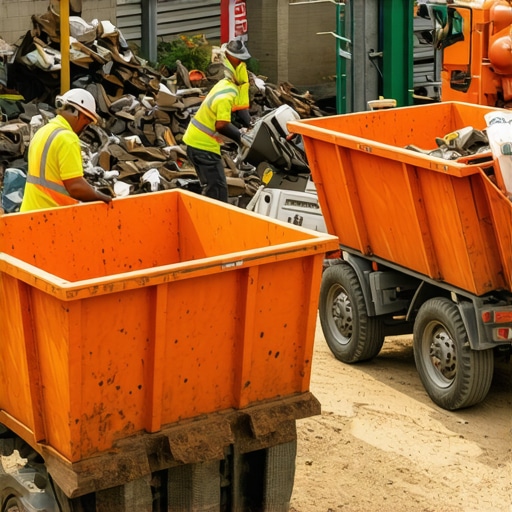
The harsh truth is, many contractors and estimators overlook these disposal line items or assume they’re included in the overall bid—only to be blindsided later. In my early days, I made the mistake of taking bids at face value without digging into the finer details. It’s all too easy to focus on materials, labor, and permit costs, while neglecting the often overlooked, yet hefty, waste disposal charges. These costs can quickly add up, especially with demolition projects where debris removal is not just a minor line item but a core expense.
From my experience, one of the biggest pitfalls is assuming disposal costs are standard or included. But what if the site has hazardous materials? Or if the local landfill charges higher rates for certain waste? These are questions I wish I had asked from the start. As per construction industry experts, nearly 30% of project overruns are caused by unforeseen waste disposal costs—an eye-opening statistic that underscores the importance of careful estimation.
So, how do we avoid this common pitfall? The good news is, with a bit of insight and due diligence, you can identify and negotiate disposal fees before they drain your budget. Today, I’ll walk you through how I uncovered these hidden charges in my bids, and more importantly, how you can ensure your estimates are accurate and comprehensive.
But before we dive into the practical steps, I want to ask—have you ever been caught off guard by unexpected disposal expenses in your projects? If so, you’re not alone. Let’s make sure that doesn’t happen again.
Dig Deep into Bid Details
Start by requesting detailed line-item breakdowns from multiple waste disposal companies and cross-reference their rates and policies. When I worked on a recent kitchen extension, I made a spreadsheet categorizing each potential disposal expense, including hazardous waste handling fees, which often get overlooked. This practice revealed subtle differences that could significantly impact costs. Always ask for specifics—vague estimates hide surprises that can inflate your budget without warning.
Inspect Your Project Scope Carefully
Align your waste estimate with the scope of work. For example, demolition involving hazardous materials like asbestos requires specialized disposal methods, drastically increasing costs. In a prior modular addition project, I discovered our initial bid underestimated debris volume, leading to additional fees later. Analyzing project plans and specifications can uncover such nuances, helping you anticipate waste quantities and disposal methods upfront.
Consult Local Landfill and Haulers
Contact local landfills and waste haulers directly to get current rates and policies. In one case, I called a regional landfill and learned about a surcharge for construction debris over a certain weight. This insight prevented me from accepting a bid that seemed competitive but would have incurred unexpected costs. Regularly updating this information ensures your estimates stay accurate and reflect real-world prices.
Factor in Special Waste Handling and Regulations
Hazardous materials like paints or contaminated soil demand different disposal processes. In a recent addition project, ignoring these details led to costly delays. Verify local regulations—some areas prohibit certain waste types or require paperwork, which involves additional fees. Documenting these requirements and including them in your bid helps prevent surprises and keeps your project on track.
Leverage Contractual Clauses for Clarity
Use clear contract language to specify who bears disposal costs and under what circumstances. I included a clause in my contract stating all waste disposal over a predetermined volume or weight would be cost-shared. This clause shielded me from unexpected charges when debris volume exceeded initial estimates. It’s an effective way to share risk and ensure transparency before negotiations wrap up.
Regularly Review and Adjust Estimates
Monitor disposal costs against actual invoices during project execution. In a recent backyard renovation, I tracked waste disposal expenses weekly, allowing me to adjust my budget proactively. This ongoing review ensures you catch any discrepancies early, giving you leverage to renegotiate rates or optimize waste management strategies.
By applying these concrete steps—deeply investigating bids, understanding project specifics, consulting regulators, including contractual safeguards, and staying vigilant—you’ll prevent hidden disposal fees from eating into your profit margin. Being proactive not only saves money but also builds confidence that your project aligns with your financial plan. Want to learn more about other crucial estimating techniques? Visit this guide to improve your overall accuracy.
While many believe that estimating costs for new builds and additions is straightforward, the reality is far more complex. A common misconception is that standard square footage multipliers suffice for accurate budgets, but this oversimplification ignores nuanced factors like site-specific conditions and project scope variations. Relying solely on averages can lead to significant underestimations, especially when hidden costs such as permit fees, regulatory hurdles, and unexpected site challenges are overlooked. In my experience, a meticulous, detail-oriented approach—understanding unique project intricacies—is essential for precision.
One prevalent myth is that permits are a mere formality and quick to secure. However, many underestimate the time and effort involved, often facing delays due to overlooked regulatory requirements or misunderstandings of local zoning laws. For instance, failure to account for specialty permits for high-wind zones or environmentally sensitive areas can halt projects unexpectedly. According to industry studies, failure to properly navigate permitting processes can extend project timelines by up to 30%, inflating costs and diminishing profits.
Moreover, advanced estimation techniques reveal that common pitfalls include neglecting soft costs—like design revisions, inspection fees, and utility connection charges—that significantly impact the overall budget. An expert approach involves a thorough review of local permitting regulations, which you can learn about in detail at this comprehensive guide. This helps prevent costly surprises and ensures compliance.
So, how can seasoned professionals avoid these costly errors? The answer lies in detailed, project-specific analysis rather than generic assumptions. For example, evaluating soil conditions can influence foundation costs, and understanding the nuances of local regulations helps in accurate permit cost estimation. Incorporating these factors into your initial estimates ensures your budgets are realistic and resilient.
An often-overlooked detail is the importance of early permit planning and proactive engagement with local authorities. This not only accelerates approvals but also minimizes unexpected fees. Consider establishing relationships with permit expeditors or consultants skilled in navigating complex regulatory landscapes. They can be invaluable in identifying potential hurdles early, saving time and money.
Finally, embracing a comprehensive, nuanced view of estimation and permitting can significantly improve project outcomes. Instead of complacency with basic calculations, integrating site-specific data, regulatory knowledge, and soft cost considerations creates a robust budget foundation. If you’re ready to refine your estimating techniques, check out this step-by-step guide for strategic planning.
Have you ever fallen into this trap? Let me know in the comments, and remember—mastering these nuances is crucial for successful, profitable projects.
Invest in Quality Equipment and Software for Long-Term Success
When it comes to maintaining momentum on your construction projects, having the right tools at your disposal is crucial. I personally rely on a few key pieces of equipment and software that streamline my workflow and help me stay organized. For example, a high-quality laser level ensures precise measurements on-site, reducing costly mistakes and rework. I use digital project management software like Buildertrend, which allows me to coordinate schedules, share updates with clients, and track progress in real-time. These tools eliminate guesswork and keep everyone on the same page, ultimately saving time and money.
Prioritize Routine Maintenance for Equipment
Preventative maintenance is often overlooked but is vital for durable tools and machinery. Regularly servicing your excavators, mixers, and power tools prevents unexpected breakdowns that can halt progress. I set monthly checklists to inspect filters, lubricate moving parts, and replace worn components. This approach reduces downtime and extends the lifespan of my equipment. Investing in maintenance isn’t just about avoiding costs—it’s about keeping your workflow steady and predictable. Additionally, using residual chlorinated compounds like WD-40 can protect against rust and corrosion, especially in humid environments, ensuring your tools remain reliable over years of heavy use.
Leverage Accurate Estimating Techniques
Precise estimates form the backbone of a successful project. I’ve found that integrating detailed quantities and unit costs into my estimating process helps prevent budget overruns. For example, I employ advanced estimating software that allows me to tailor templates based on project type—be it a new build or an addition. To sharpen these skills further, I highly recommend reviewing expert insights on estimating costs for new builds. Using accurate historical data and detailed scope analysis enables more reliable forecasts, reducing surprises down the line.
Preparing for Long-Term Results and Scaling
As your business grows, so should your tools and methods. Implementing scalable approaches, such as modular construction techniques, allows for faster repeatability and quality control. Additionally, investing in software that adapts to larger project portfolios—like cloud-based management systems—makes scaling smoother. For future-proofing, I predict that AI-driven estimating and project scheduling will become more mainstream, reducing human error and increasing efficiency. Staying ahead means regularly updating your toolkit with the latest tech innovations.
How do I maintain my tools over time?
Consistent upkeep is key. Schedule routine inspections, clean equipment after each use, and stay on top of manufacturer recommended service intervals. For digital tools, keep software updated and back up data regularly to prevent loss. Personally, I set reminders to review my equipment and software performance quarterly, ensuring everything remains in optimal shape. Remember, well-maintained tools translate to fewer delays, better quality work, and ultimately, stronger project outcomes.
If you haven’t already, try integrating a comprehensive maintenance schedule with your current toolkit. It can make a noticeable difference in your project efficiency and profitability.
Lessons That Changed My Approach to Construction Estimating
One of the toughest lessons I learned was that rushing through bids without scrutinizing every line item, especially waste disposal, can turn a profitable project into a financial headache. I used to believe that standard disposal fees were included or negligible, but I quickly discovered how underestimated debris removal costs sabotage budgets. Another eye-opener was assuming permit processes were straightforward; in reality, each project has its quirks, and overlooking local regulations can cause delays and extra expenses. Lastly, I realized that a proactive stance—such as contacting landfills directly—saves me from unpleasant surprises and keeps projects on track financially.
Tools and Resources That Keep My Projects Sharp
My go-to guide for estimating costs effectively is this expert insights article which dives deep into practical techniques for accurate budgeting. For managing multiple projects seamlessly, I rely on the comprehensive management system that streamlines scheduling and permits. To stay informed about local permitting nuances, I frequent this resource on permit processes. These tools empower me to estimate with confidence and avoid costly oversights, especially regarding hidden disposal fees.
Keep Moving Forward: Take Your Estimating to the Next Level
Going beyond basic calculations and investing in detailed, project-specific analysis can dramatically improve your results. Embrace a mindset of continuous learning by reviewing this step-by-step guide, which helps tighten your estimates and build trust with clients. Remember, mastery comes with attention to every detail—from site conditions to regulatory hurdles—so don’t shy away from asking tough questions early in planning. Your ability to identify and manage hidden costs like waste disposal not only boosts your profitability but also solidifies your reputation as a trustworthy builder. Now, I challenge you to reflect—have you ever overlooked a hidden cost that impacted your project? Share your experience below and let’s learn together.