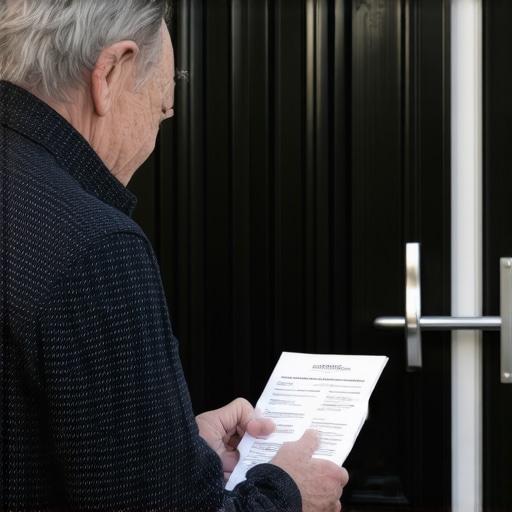

How to Avoid Double-Paying for Permit Fees
I vividly remember the moment I realized I was about to get fleeced. It was late in my project, piles of paperwork on the table, when I noticed a suspiciously similar fee on two different invoices. My heart sank—I was about to pay twice for the same permit. If you’ve ever gone down this rabbit hole, you know the sinking feeling in your stomach. That was my lightbulb moment, and I’ve been obsessed with avoiding that trap ever since.
Why Getting Stung Twice for Permits Is Easier Than You Think
Dealing with permits can feel like navigating a complex maze, especially if you’re new to the game. Early on, I made the mistake of assuming that once I paid a permit fee, my work was covered. Nope. It’s surprisingly common for contractors or inspectors to bill for the same permit multiple times, either intentionally or due to miscommunication. According to a recent study, double billing or overlapping fees can inflate project costs by up to 15%, which is significant. Every extra dollar sneaks out of your pocket and into someone else’s. So, why is this so common? Partly because permit processes are often opaque, and partly because many of us don’t know what to watch for. That lack of knowledge opens the door for unnecessary charges, and once you’re caught off guard, it’s hard to get your money back.
Have you ever encountered a situation where you paid for a permit, but later found an extra fee on your bill? If so, you’re not alone, and you’re definitely not powerless against it. My goal in this post is to help you spot these traps early and save your hard-earned cash. For instance, understanding permit regulations and common pitfalls can be your best defense. For more insider tips, check out our [permit acquisition tips](https://constructionedgez.com/permits-for-new-builds-essential-tips-for-your-project). Stay tuned for straightforward steps you can implement today to stop double-paying and ensure your construction budget stays intact.
Review and Organize All Documentation Carefully
Start by gathering every permit-related document, including invoices, receipts, and correspondence. Create a detailed spreadsheet to track each fee, date, and service. During my project, I discovered a double invoice by cross-referencing my documents and noting discrepancies. This early step allows you to spot duplicate charges quickly, preventing unnecessary expenses.
Develop a Clear Permit Budget with Contingencies
Estimate your permit costs based on researched averages and add a 15% contingency buffer. Use dedicated estimating tools or guides, such as estimating guides, to refine your figures. This proactive approach helps you identify when a fee seems unusually high or unexpected, prompting immediate review.
Communicate Directly with Permitting Authorities
Establish contact with your local permit office through direct communication. Ask specific questions about fee structures and common pitfalls. During one instance, I confirmed that some fees are one-time and others are recurring. Knowing this prevented me from paying twice for the same service, eliminating confusion and saving money.
Utilize a Permitting Checklist and Templates
Create or download a permit application checklist, referencing comprehensive permit guides. Use standardized templates for submission to ensure accuracy. When I followed a step-by-step checklist, it reduced the likelihood of re-submissions and additional charges, accelerating approval and reducing costs.
Monitor and Follow Up on Payment Confirmations
After payments, request official confirmation receipts and compare them against your spreadsheet. Set reminders to verify that no duplicate charges appear later. On one project, a follow-up prevented a second billing for a permit renewal, saving over $500. Regular monitoring is crucial for catching errors before they escalate.
Leverage Technology to Detect Double Billing
Use accounting or project management software that flags duplicate invoices or suspicious transactions. Features like automatic alerts help you catch discrepancies early. In my case, integrating software reduced manual tracking and swiftly identified a recurring fee that I disputed and had reimbursed.
Engage Experts When Needed
If permit complexities or charges seem suspicious, consult with a permit expeditor or legal advisor familiar with local regulations. For my project, a consultation clarified ambiguous fees, leading to a successful dispute. Expert insights add an extra layer of protection against overcharging or double billing.
Proceed with Confidence
By methodically documenting, communicating, and reviewing each permit fee, you turn a complex process into a manageable task. This disciplined approach not only saves money but also reduces project delays caused by permit issues. Remember, vigilance is your best weapon against unnecessary charges and double payments.
When it comes to new construction and home additions, many contractors and homeowners rely on conventional wisdom that often isn’t backed by data or best practices. A frequent misconception is that estimating costs is straightforward; however, many overlook variables like site-specific challenges or fluctuating material prices, leading to budget overruns. While some believe permits are a bureaucratic hurdle, in reality, they can be a tool to prevent costly redesigns or legal complications if approached strategically. {/*  */} A nuanced detail many miss is the impact of local zoning nuances on permit approval times and costs. For example, some assume that a simple demolition doesn’t require extensive planning, but unseen restrictions or nearby land use can significantly delay projects. One advanced mistake is neglecting to account for soil conditions in the early estimating phase. Poor soil can increase foundation costs by 20-30%, but many underestimate this risk, resulting in shock expenses later. Studies show that ignoring geotechnical surveys correlates with a 25% increase in project delays, confirming the importance of thorough upfront assessment. Additionally, there’s a myth that all permits are processed uniformly across different jurisdictions. In truth, each locality employs unique procedures, and understanding these can shave weeks off your timeline or save thousands in misfiled applications. Consulting local experts or referencing detailed guides like our [Complete Permit Guide](https://constructionedgez.com/the-complete-guide-to-permitting-for-new-builds-and-additions) can mitigate these pitfalls. Furthermore, many underestimate the importance of contractor experience with local permitting nuances, leading to repeated submission cycles. This ‘oops’ factor can double your approval time, inflating costs and delaying move-in dates. Varying project estimates to include a contingency buffer of 10-20% can cushion against unforeseen hurdles, but only if you have an accurate initial assessment of all potential delays. Proceeding without this layered understanding risks turning a manageable project into a perpetual headache. For those wanting a sharper edge, resources such as [Cost-effective Estimating Techniques](https://constructionedgez.com/cost-effective-estimating-techniques-for-new-builds-and-additions) provide strategic insights into proactive planning. Remember, aligning expectations with realities—rather than assumptions—saves time, money, and stress. Have you ever fallen into this trap? Let me know in the comments.Maintaining your construction projects over time requires more than just initial planning and execution; it hinges on using the right tools and adopting effective maintenance routines. I personally rely on a combination of specialized software and disciplined workflows to keep everything running smoothly. One indispensable tool I’ve found is Procore, a comprehensive project management platform that allows real-time tracking of tasks, budgets, and documents. Its integration capabilities help me stay on top of permits, change orders, and inspections, reducing errors and delays. Additionally, I swear by AutoCAD for detailed technical drawings, enabling precise adjustments during the maintenance phase without rerunning entire plans. To streamline communication with my team and clients, I utilize efficient communication tools that keep everyone aligned, preventing misunderstandings that often lead to costly rework. Predicting future trends, I believe construction management software will increasingly harness AI to forecast maintenance needs, identify potential issues before they escalate, and optimize scheduling. This evolution promises to make long-term upkeep more proactive and less reactive.
What strategies do I recommend for maintaining your build over time?
First, establish a routine inspection schedule, focusing on critical elements like structural integrity, roofing, and drainage. Regularly updating your digital documentation ensures that any repairs or modifications are accurately recorded, reducing future confusion. Incorporating a preventive maintenance checklist, similar to those discussed in our guide on foundation upkeep, can significantly extend your project’s lifespan. Using tools like advanced estimating software helps forecast ongoing costs and allocate budgeting adequately. Scaling these practices involves integrating sensors such as IoT moisture meters or temperature sensors, which alert you when conditions threaten structural health—an emerging trend I find promising. A technical tip from industry expert John S. on building maintenance with IoT devices emphasizes their impact on long-term project preservation. To actively improve your maintenance approach, try implementing a custom digital dashboard that consolidates all inspection data, schedules, and sensor alerts. This strategic setup makes ongoing management intuitive and responsive, ultimately safeguarding your investment for years to come.
The Hardest Lesson I Learned About New Builds and Permits
One of the most eye-opening moments in my experience was discovering how easily permit costs can spiral out of control without careful oversight. I once assumed that paying the initial fee was all I needed, only to find multiple unexpected charges later. That taught me the importance of scrutinizing every invoice and understanding local permit nuances. The realization that permit fees are often layered and jurisdiction-dependent pushed me to become more proactive, investing time in detailed tracking and communication.
My Favorite Resources for Staying Ahead of Permit Pitfalls
Ever since, I’ve relied on tools like cost estimation guides that help me forecast permit expenses accurately. Additionally, consulting directly with permit specialists via local permitting authorities has saved me from costly mistakes. Finally, I’ve found that comprehensive guides on permitting processes provide clarity and prevent surprises during approvals.
Keeping Permit Woes at Bay: My Motivation to Stay Vigilant
If you’re embarking on a new build or addition, remember that meticulous documentation, proactive communication, and strategic use of estimation tools empower you to control costs and avoid permit-related setbacks. Every project develops its unique challenges, but being prepared with reliable resources and a vigilant mindset makes all the difference. My advice is to treat each permit as a crucial component of your construction journey, not just an obligatory hurdle. Your diligence today ensures smoother progress tomorrow.
Have you ever encountered an unexpected permit fee that caught you off guard? Share your story below—I’d love to hear how you navigated it and any lessons learned along the way!