
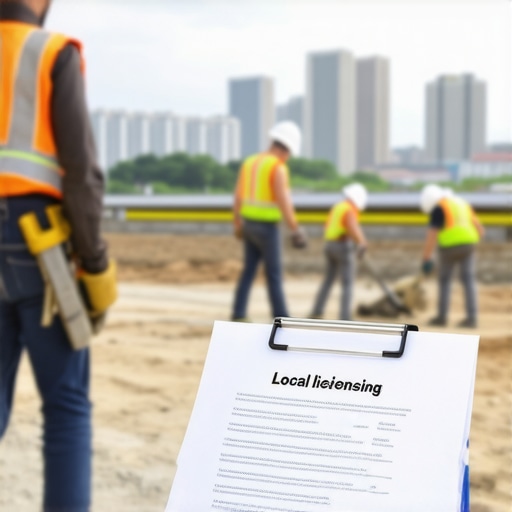
Why Your Contractor Needs a Local Business License
It was one of those mornings that make you question every decision you’ve made up to this point. I remember staring at a half-constructed deck, realizing that despite all the permits I thought I sorted out, a crucial piece was missing. Turns out, my contractor had been working without a proper local business license—something I had overlooked entirely. That realization hit me hard. Not only did it put my project on hold, but it also opened my eyes to a hidden world of licensing and permits that, if ignored, could lead to costly delays and headaches.
The Hidden Cost of Hiring Without Proper Licensing
Choosing the right contractor isn’t just about who offers the best price or quickest turnaround. It’s about ensuring they’re legally equipped to do the work. A local business license isn’t just a piece of paper—it’s a badge of compliance, experience, and trustworthiness. When your contractor operates without it, you risk more than just project delays; you risk legal complications, fines, and even having to tear down parts of your project to meet code.
Have you ever hired someone only to find out later that their license was expired or never existed? It’s surprisingly common, and many homeowners find themselves caught off guard. I made that mistake early in my career, assuming that a handshake and good reviews were enough. But the truth is, in the construction world, legality often safeguards quality and accountability.
Is the Hype Around Local Business Licenses Just a Bureaucratic Barrier?
It might seem like just red tape—another bureaucratic hoop to jump through. But as a seasoned DIY enthusiast and professional, I can tell you that skipping this step can be a recipe for disaster. Not having a proper license means that if something goes awry, your options for recourse are limited. Plus, many insurance policies refuse to cover damages caused by unlicensed contractors. Some influential studies, like those from the National Association of Realtors, highlight how licensed contractors are generally more reliable and provide safer work.
That’s why verifying that your contractor holds a valid local business license should be your top priority. If you’ve faced this problem before or wonder about the licensing status of your current contractor, it’s worth digging deeper. And don’t worry—this isn’t just about bureaucracy; it’s about protecting your investment.
In the upcoming sections, I’ll guide you through the practical steps to ensure your contractor is legit, so you can move forward with confidence. Ready to learn how to avoid the pitfalls and keep your project on track? Let’s dive in.
Verify Licenses Before Signing On
Start by demanding a copy of your contractor’s valid local business license. Contact the issuing agency, such as your city or county clerk’s office, to confirm the license’s validity and current status. I once faced delays because I assumed a license number provided via email was genuine; a quick call saved me from legal troubles later. This simple step ensures you’re dealing with a legitimately licensed professional, reducing your risk of scams.
Check for Specializations and Certifications
Beyond the basic license, verify if your contractor holds specific certifications relevant to your project—like licensed electricians or certified builders. These credentials often appear on their license or are available through the licensing authority’s website. I learned this the hard way when a handyman lacked the proper electrical certification, causing a permit rejection. Ensuring proper specialization guarantees compliance and safety.
Consult Permit Records for Your Area
Most local authorities provide online databases where you can search for existing permits or pending applications linked to your contractor’s name or business. Access these records to see if they have properly filed permits for your specific project. During a renovation, I discovered a permit pending status on a local portal, which meant I could avoid costly fines for unpermitted work. Doing this step prevents surprises during inspections.
Request and Review Permits for Your Project
Require your contractor to present copies of all permits issued for your project. Verify that the scope matches your work and that the permits are current. Sometimes, contractors forget to pull the necessary permits, or worse, intentionally skip them. I once caught a permit meant for a different property, which could have caused legal issues. Always cross-verify permit details before work begins to stay compliant.
Engage with Building Departments When Unsure
If any licensing or permit information seems unclear, reach out directly to your local building department via their contact page. They can provide official confirmation and clarify any doubts. I called ahead when I suspected a permit delay, which expedited approval and kept my project on schedule. Building departments are a vital resource for navigating regulatory compliance seamlessly.
Keep Records and Monitor Expiry Dates
Maintain a file of all license and permit documentation, noting expiration and renewal dates. Set reminders to ensure ongoing compliance. I once overlooked an expiry date, causing a temporary halt on work, but promptly renewing saved the project from escalating delays. This organization keeps your project protected from potential legal pitfalls and helps you stay proactive.
Many homeowners and even seasoned builders overlook nuanced aspects of permit processes and estimating, leading to costly mistakes. A common misconception is that obtaining permits is a straightforward bureaucratic hurdle, but in reality, misjudging the complexity or scope of permit requirements can cause project delays or legal issues. For instance, underestimating the structural assessments needed for a new build or an addition can lead to overlooked engineering reports, which are critical for compliance and safety. Furthermore, some assume that estimates are just about material costs; however, advanced errors often stem from underestimating labor, permits, or unforeseen site conditions. A common trap is relying on initial quotes without factoring in hidden costs like soil testing, utility relocations, or unexpected code upgrades. According to industry experts, detailed and accurate estimating involves multiple layers of analysis, including reviewing local building codes and testing for site-specific challenges, which many miss.
How can experienced builders accurately anticipate complex permit challenges in early planning stages?
They often engage directly with local permitting authorities early on and invest in comprehensive site assessments. This proactive approach minimizes surprises and ensures compliance from the outset. Be wary of shortcuts here—skipping detailed planning can result in rework or project halts, especially in areas with strict zoning or environmental regulations. For example, understanding setback rules or utility easements thoroughly can prevent costly redesigns. To improve your projects’ success rate, consider consulting resources like permits for new builds guide or advanced estimating techniques. It’s prudent to remember that detailed planning, combined with expert insights, significantly reduces risk and enhances project timelines. Have you ever fallen into this trap? Let me know in the comments.
Maintaining your building projects over time requires a combination of reliable tools, strategic planning, and consistent oversight. Personally, I rely on a few key pieces of equipment and software that have proved invaluable for ensuring projects stay on track and meet quality standards. One such tool is LevelMaster Pro, a digital laser level that I use daily. Unlike traditional bubble levels, this device provides precise readings over long distances, which is crucial when checking for consistency across expansive surfaces like decks or roofing planes. I’ve found that investing in high-quality tools like this reduces errors and saves countless hours during inspections.
Another essential is ConstructionScheduler+ software. In my experience, managing multiple permits, inspections, and ongoing tasks becomes daunting without a robust scheduling tool. This software allows me to set milestones, send automated reminders for permit renewals, and coordinate subcontractors seamlessly. As a result, I can focus more on quality rather than chasing paperwork or delay overlaps. Future trends suggest that integrating AI-driven project management platforms will become standard, further increasing efficiency and reducing errors during the long-term maintenance phase.
To keep your projects running smoothly over the years, periodic site audits using streamlined permit management techniques are vital. Regular inspections help catch issues before they escalate, such as small structural cracks or drainage problems, which might be overlooked without a systematic approach. Additionally, maintaining accurate digital records of all permits and inspections, with software that alerts you to upcoming renewal deadlines, prevents legal issues stemming from expired documentation.
How do I maintain my permits and project documentation over time?
Developing a routine — perhaps quarterly reviews — to verify permit statuses and inspect ongoing work ensures compliance and preserves project integrity. I recommend setting up digital folders synchronized with cloud storage solutions, which makes updating and retrieving documents effortless. For example, I use Dropbox Business combined with my scheduling app to track permit renewals and inspection dates. This approach not only maintains order but also creates a reliable audit trail for future reference.
Lastly, as the construction industry evolves, so do the tools. Embracing advanced estimating and project management software like these upcoming solutions can dramatically improve your long-term maintenance strategy. Currently, I am exploring augmented reality apps that allow on-site visualizations and real-time damage assessments, which could revolutionize how we monitor ongoing projects in the future. Trying out one of these cutting-edge tools today might give you a significant advantage in managing your projects more effectively over the years.
The Hard-Earned Lessons That Transformed My Approach to Permitting
One of the most profound insights I gained is that meticulous early-stage planning around permits can save you countless headaches down the line. I once underestimated the complexity of local regulations for a small addition, which resulted in months of rework and increased costs. That experience instilled in me the importance of engaging directly with permitting authorities from the start and never assuming that a project’s scope simplifies the approval process. Recognizing that every detail—be it setback requirements or environmental restrictions—can derail progress was a lightbulb moment that reshaped my approach.
Another lesson was the value of detailed documentation. I used to rely on verbal assurances and hurried paperwork, but I now understand that maintaining comprehensive records, including permit copies, inspection reports, and correspondence, acts as a safeguard. It’s like having an insurance policy—providing clarity, accountability, and a quick resolution path if issues emerge.
Lastly, I learned that proactively monitoring permit renewals and expiration dates isn’t just bureaucratic; it’s essential. Overlooking an expired permit could halt your project unexpectedly, costing time and money. Setting up automated reminders and digital filing systems has become an indispensable part of my routine, ensuring I stay ahead of deadlines and compliance requirements.