How to Keep Your Foundation Quote From Ballooning Mid-Dig
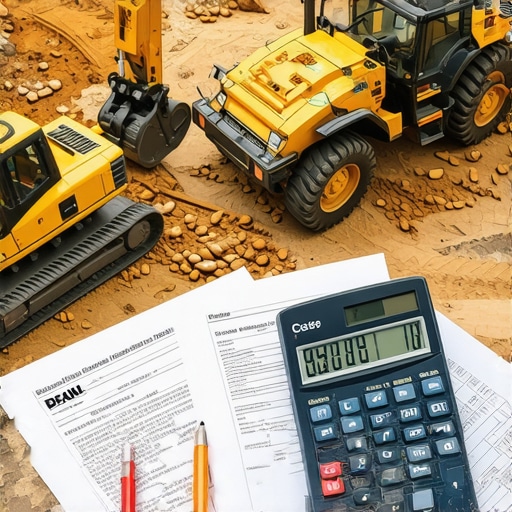
Have you ever watched your foundation quote spiral out of control midway through a project? I remember my first big build; everything seemed perfect—until I received the initial estimate. The numbers looked reasonable at first, but as the dig started, the costs just kept ballooning. It felt like watching a slow-motion train wreck, and I couldn’t figure out where I went wrong. Turns out, this is more common than you’d think—and it’s a problem many homeowners and builders face without realizing the hidden pitfalls.
The Hidden Trap That Makes Your Foundation Cost Skyrocket
This mid-project surge in costs often happens because of underestimated factors or overlooked details in the initial quote. When I dug deeper (literally and figuratively), I realized that the root cause was often a lack of understanding about how estimates can change once the digging begins. Specifically, unexpected soil conditions, hidden utilities, or scope creep can all cause the bills to inflate quickly. It’s a frustrating experience but fixable with the right approach. Today, I want to share proven strategies to keep your foundation quote from ballooning mid-dig, ensuring you stay within budget and avoid nasty surprises.
Facing Skepticism: Can Accurate Estimation Really Save Your Project?
You might be thinking, “Is it even possible to predict these costs with certainty?” Believe me, I was there too. Early on, I made the mistake of relying solely on average prices without verifying the specifics of my site—something I learned the hard way. If you want to avoid throwing money into the abyss, understanding detailed estimation techniques and permit processes is crucial. For further guidance on how detailed costs can be accurately predicted, check out this resource.
Now, let’s dive into the core strategies that will help you keep your foundation work on budget from start to finish. Because, trust me, a well-informed plan makes all the difference.
.
Break Down the Site Assessment
Before even considering numbers, start with a meticulous site inspection. I recall a project where I overlooked soil conditions, assuming they were typical, only to face unexpected stabilization costs. To avoid this, use a soil bearing capacity test and map underground utilities using ground-penetrating radar. This initial step is crucial and can be sped up by hiring specialists who focus solely on site evaluation, reducing surprises during excavation.
Develop a Detailed Scope of Work
Clarity here prevents scope creep and hidden costs. Instead of vague descriptions, itemize every task: soil prep, formwork, pouring, curing, backfilling, etc. For example, I once included the entire excavation phase without reserving extra for unforeseen rock, leading to delays. Document each phase thoroughly, referencing estimation guides that emphasize scope details, ensuring everything is accounted for before bidding.
Analyze Cost Factors Rigorously
Gather multiple quotes for materials and labor to get a range, then average them to set realistic estimates. During my last project, I obtained three concrete bids; the median price helped me negotiate better rates. Don’t just rely on initial quotes—dig into labor hours, weather contingencies, and material wastage rates. Remember, a quick estimate is just a starting point; use top estimating strategies for rigorous analysis.
Factor in Permitting and Regulatory Costs
Permits often slip into the background until delays hit. I learned to add a dedicated line item for permits and associated inspections. Use comprehensive permitting guides to identify all required fees upfront. This proactive approach helps prevent permit-related surprises that can delay the project or inflate your budget unexpectedly.
Contingency Planning for Unexpected Events
No estimate is complete without a contingency buffer. A common mistake is neglecting to include 10-15% for unforeseen issues like soil instability or utility conflicts. In practice, I add a 15% contingency to my total, which has saved me from costly overruns in complex projects. This proactive measure is akin to insurance—better to have it and not need it than to face project halts and budget overruns.
Leverage Estimating Technology and Resources
Use digital tools to increase accuracy. I transitioned from manual spreadsheets to specialized estimating software, which reduces human error. For example, I inputted project-specific data into a platform that cross-referenced current market prices, giving me a realistic budget. Resources like expert estimating insights can guide you on integrating technology successfully and avoiding common pitfalls.
Review, Revise, and Validate
Final estimates should undergo a review process. I always double-check my calculations and ask a peer to review my scope and costs. This step uncovers overlooked expenses or errors. Remember, even the most detailed estimates are living documents—review them periodically, especially when project scope or market prices shift, to stay aligned with your budget goals.
Applying these actionable steps transforms rough guesses into reliable forecasts, empowering you to assert control over your project costs and avoid the costly surprises that can derail even the best planning efforts.
Many homeowners and even some contractors fall prey to widespread misconceptions about additions, permits, and estimates. A prevalent myth is that low bids always equate to savings, but in reality, they often mask hidden costs or corners cut to appear competitive. This misconception can lead to budget overruns once hidden issues surface or scope creep occurs. Skilled estimators know that the true art is not just in initial pricing but in understanding nuances like site conditions and permit complexities. For instance, a study by construction estimating experts highlights that projects with comprehensive initial assessments experience 20% fewer budget deviations.
What do most people overlook when estimating renovation costs?
They tend to underestimate the impact of site-specific factors such as soil stability, utility conflicts, or local permitting hurdles. Overlooking these nuances can turn a seemingly straightforward project into a financial headache. For example, ignoring a detailed permit review can lead to regulatory delays that inflate costs by thousands. The trap is thinking permits are a mere formality—when, in fact, navigating permit requirements is a critical step that requires expert understanding, as outlined in permitting guides. Familiarity with these aspects allows you to incorporate accurate timelines and costs upfront, preventing surprises later.
Another common mistake involves scope creep—adding unplanned work without adjusting the budget. Successful project management involves detailed scope definitions and contingency planning, which many overlook. Incorporating a 15% contingency buffer, for example, can safeguard against unforeseen issues, a strategy endorsed by industry specialists. This proactive approach ensures that minor issues don’t snowball into substantial overruns and highlights the importance of precise estimation techniques.
Advanced Estimating often requires leveraging technology—manual calculations are no longer sufficient in complex projects. Using specialized estimating software reduces human error and enables the integration of real-time market data, leading to more reliable budgets. For an in-depth exploration of these tools, see this resource. The key is adopting a data-driven mindset that recognizes the dynamic nature of construction costs.
Finally, don’t forget about the importance of reviewing estimates with experts or peers. Even the most detailed preliminary budget benefits from external validation to catch overlooked costs or miscalculations. Regularly revisiting your numbers, especially when market prices fluctuate or scope changes occur, is essential for accurate project management and cost control.
In conclusion, challenging common myths and understanding the intricacies of estimating, permits, and scope management can transform your approach from guesswork to precision. This deeper knowledge not only saves money but also fosters confidence and control over your project. Have you ever fallen into this trap? Let me know in the comments.
How do I maintain my foundation over time? Discover essential tools and techniques to ensure longevity and prevent costly repairs. Regular inspection is key; invest in a high-quality moisture meter to monitor soil conditions and detect potential issues early. I personally rely on digital moisture sensors that sync with my smartphone, allowing real-time updates and alerts when levels are off. This proactive approach helps catch problems before they escalate, saving significant money. Additionally, keep gutters clean and ensure proper drainage around the foundation—simple yet effective practices to prevent water accumulation and soil erosion. For more advanced soil monitoring, utilize a soil probe to assess compaction and stability periodically. Incorporate these tools into your annual maintenance routine; over time, you’ll notice fewer cracks and structural concerns, demonstrating long-term value. In the future, expect a trend toward smarter home maintenance devices that integrate AI to predict potential issues before they arise, making upkeep even more effortless. To maximize your efforts, I recommend implementing a moisture monitoring system combined with professional inspections to catch subtle shifts early, preventing minor issues from turning into major repairs. This combination of technology and regular checks forms the backbone of effective long-term foundation care, ensuring your investment remains sound for decades. Want to take your maintenance game further? Try setting up weekly soil moisture checks using your digital sensors and log the data to identify patterns. This small step can dramatically improve your foundation’s health and longevity, saving you money and stress down the line. For precise guidance, consult industry specialists or trusted resources like expert guides on foundation maintenance. Staying ahead with the right tools and consistent monitoring is the secret to a durable, worry-free home.Lessons from the Trenches: What I Wish I Knew When Estimating Foundations
One of the toughest lessons I learned was that even the most detailed initial estimate can go awry without thorough site assessment. Overconfidence in early numbers often blinds us to hidden soil issues or utility conflicts, which can double or triple costs. Embracing humility and preparing for surprises has made me a better estimator, ensuring projects stay within budget and avoiding last-minute financial shocks.
Secondly, I realized the significance of building a strong relationship with suppliers and subcontractors. Their insights on market fluctuations and material availability are invaluable. Maintaining open communication helps lock in prices early and adapt estimates proactively, rather than reacting to unexpected price hikes during the project.
Finally, understanding that estimating is an ongoing process, not a one-time calculation, has transformed my approach. Regularly revisiting and refining estimates as new information comes in prevents budget creep and keeps the project aligned with financial goals. This adaptive mindset has saved my clients thousands and built trust through transparency.
Tools That Elevate Your Estimating Game
My essential toolkit includes specialized estimating software like industry-leading platforms. These tools integrate real-time market data, helping me create more accurate budgets swiftly. For measuring soil conditions, I trust digital moisture sensors such as smart soil monitors—they provide early warning signs, saving costly repairs down the line.
For project management, I rely on comprehensive guides like this resource, which emphasizes scope clarity and contingency planning. These resources streamline estimating processes and ensure all potential costs are accounted for before breaking ground.
Lastly, continuous education is vital. I recommend exploring top strategies for accurate budgeting to stay ahead of industry best practices. The more tools and knowledge you have, the more confidently you can navigate the complexities of foundation cost estimation.
Your Next Step to Mastering Foundation Planning
Taking control of your foundation estimates begins with action. Start by conducting a meticulous site assessment, utilizing advanced soil testing, and interviewing local utility companies early. Develop a detailed scope with contingency buffers—don’t skimp on the planning phase, because it sets the tone for the entire project. Remember, the secret to staying within budget isn’t just about accurate numbers but about ongoing vigilance and adaptability. Embrace technology, learn from seasoned experts, and review your estimates regularly—this proactive approach will turn estimation from a daunting task into a powerful tool for project success. What has been your biggest challenge in estimating foundation costs? Share your experiences below and let’s learn together.