
The Noise Mitigation Rule for Multi-Unit Permits
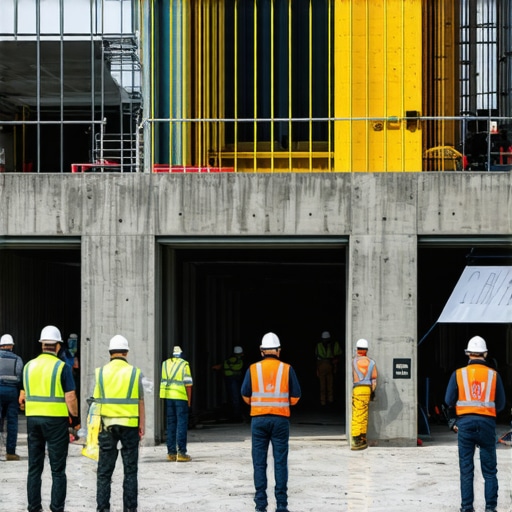
I remember the exact moment I realized I had overlooked a crucial part of my newest project. We were just about to submit the permit application for a multi-unit addition when I was hit with an unexpected hurdle: the Noise Mitigation Rule. It wasn’t part of my initial planning, and suddenly, everything felt like it was spinning out of control. That lightbulb moment — realizing that noise ordinances could derail an entire project — is a lesson I won’t forget.
Why the Noise Mitigation Rule Can Catch You Off Guard
For many builders and homeowners venturing into multi-unit developments, understanding permit requirements is already complex. Add noise mitigation regulations into the mix, and it can feel overwhelming. This rule, designed to limit construction noise near busy roads and residential zones, is a common stumbling block. It’s easy to dismiss at first glance, especially if your site isn’t adjacent to a major thoroughfare. But trust me, ignoring this regulation can lead to costly delays or even project rejections.
From my early experiences, I’ve learned that the devil is in the details. A missed noise mitigation requirement can delay approvals, increase costs, or force redesigns — none of which you want in the middle of a tight schedule. It’s a mistake I made early on, assuming that standard permits covered everything. That assumption nearly cost me weeks of work. According to the EPA, environmental noise regulations like this are becoming more stringent, emphasizing the need for proactive planning (EPA, 2022). Ensuring you’re ahead of the curve means understanding local noise ordinances from the outset.
So, what can we do to dodge these pitfalls? Well, that’s exactly what I’ll walk you through — practical steps to navigate the Noise Mitigation Rule effectively, saving you time and stress. Are you currently facing this challenge, or worried about how noise rules might impact your project? If so, keep reading — your project’s smooth approval depends on it.
Assessing Your Site for Noise Concerns
Begin with a thorough site analysis, identifying nearby roads, industrial areas, or other noise sources that could trigger the Noise Mitigation Rule. Use tools like GIS mapping or hire an acoustic consultant to quantify potential noise levels. During my last project, I visited the site multiple times, measuring sound levels at different times of the day, which helped me establish baseline noise data. This step ensures you recognize early whether additional mitigation measures are necessary, saving costly surprises later.
Research Local Noise Ordinances in Detail
Next, dive into your local jurisdiction’s specific noise regulations. These rules often specify allowable decibel levels, quiet hours, and exceptions. Visit your city or county’s official website or contact the permitting office directly. For example, during one project, I found that certain noise limits only applied during late-night hours—an insight that let me plan construction activities accordingly to avoid violations. Document all findings for reference during permit submission.
Implement Practical Noise Mitigation Strategies
Once you understand the rules, adopt targeted strategies such as installing sound barriers, using quieter equipment, or scheduling noisy tasks during permissible hours. I once repurposed existing fences into sound walls by adding mass-loaded vinyl panels, which significantly reduced noise escape. Think of it as building a shield around your project—effective barriers can prevent noise from traveling beyond property lines, thus aligning your project’s operations with legal standards and community expectations.
Document and Communicate Your Noise Controls
Maintain detailed records of all mitigation measures put in place, including material specifications, installation dates, and testing results. This documentation proves your compliance during inspections. I once faced a minor inspection delay because I couldn’t readily produce noise control test results. After that, I adopted a habit of keeping digital copies of all relevant documents, which streamlined my project approvals. Clear communication with neighbors and authorities about your mitigation efforts fosters goodwill and can preempt complaints.
Monitor and Adjust During Construction
Continuously monitor noise levels during construction using handheld decibel meters to ensure compliance. If levels approach limits, dynamically adapt your approach—perhaps by rescheduling loud activities or adding temporary barriers. In a previous project, I noticed that high-powered equipment occasionally exceeded thresholds, prompting me to switch to handheld tools during sensitive periods, which kept us compliant and avoided fines. Proactive adjustment minimizes delays and demonstrates your commitment to responsible construction practices.
Stay Updated on Changes and Best Practices
Regulations evolve, so regularly revisit your local rules and industry best practices. Join related forums, attend seminars, or subscribe to newsletters. I once discovered a new ordinance tightening noise limits in my area, which then informed my planning for subsequent projects. Being proactive ensures your strategies remain effective and your project remains on track, avoiding unexpected audit findings or penalties.
Many homeowners and even seasoned builders fall prey to misconceptions when estimating costs, navigating permits, or planning new builds. While common advice focuses on the basics like securing the right permits or accurate cost estimation, the real nuance lies in understanding the hidden complexities that can trip you up. Let’s dig deeper into some truths that often get overlooked.
One widespread myth is that creating a rough budget early on guarantees project success. In reality, initial estimates are often overly optimistic, especially when unforeseen site conditions or regulatory hurdles arise. According to industry expert insights, failing to include contingency allowances—typically 10-20% of the total cost—is a rookie mistake that can lead to budget overruns and project delays. For more detailed strategies, check out [cost-effective estimating techniques](https://constructionedgez.com/cost-effective-estimating-techniques-for-new-builds-and-additions).
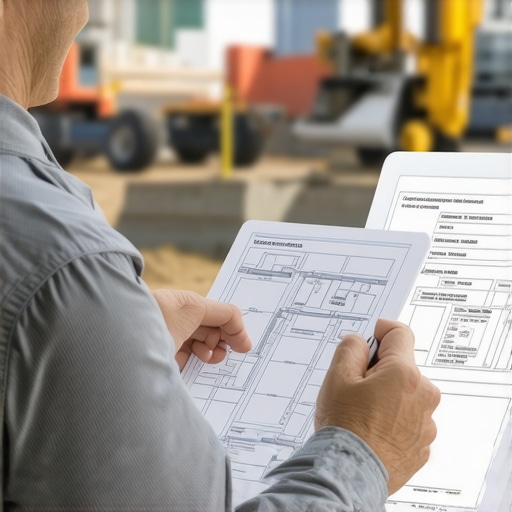
Furthermore, many assume that permits are a mere formal step—something to be expedited or bypassed. This oversimplification can cause severe setbacks. Regulations are more layered than they appear, and understanding the specific requirements for your locality is crucial. For example, overlooking nuances like the difference between building permits and environmental clearances can result in costly rework or legal issues. To master this, review [navigating permit requirements](https://constructionedgez.com/navigating-permit-requirements-for-additions-in-2025) comprehensively.
A common trap is also tied to the perception that estimating is straightforward. Many rely on ballpark figures or online calculators, but these often neglect site-specific factors such as soil quality, access challenges, or existing infrastructure. These nuances significantly impact total costs. A precise estimation process considers detailed site assessments, material price fluctuations, and contractor availability—areas explored extensively in [mastering new build estimating](https://constructionedgez.com/mastering-new-build-estimating-essential-tips-for-success).
Now, here’s a critical warning: rushing the permit process or underestimating the time it takes can cause project timelines to balloon unexpectedly. Permitting is a complex dance of paperwork, inspections, and approvals, often influenced by local politics or community considerations. An advanced mistake many miss is failing to factor in the variability of review times, which can vary dramatically from one jurisdiction to another. This oversight can throw off your entire project schedule.
> *Are you aware of the hidden costs or permit nuances that could impact your project?* Small details, like easements or specific local codes, can have outsized effects. For further insight on how permits can unexpectedly extend timelines, visit [understanding permit processes](https://constructionedgez.com/understanding-permit-processes-for-successful-home-additions).
In conclusion, understanding these nuanced pitfalls—bushing past initial expectations without contingency, neglecting locality-specific permit intricacies, or relying on inaccurate estimates—is essential for a successful project. These hidden factors require deliberate attention and expert knowledge.
Have you ever fallen into this trap? Let me know in the comments or reach out through our [contact page](https://constructionedgez.com/contact-us). Being aware of the intricacies helps you avoid costly surprises and keep your build on track.Maintaining your constructed additions or builds over time requires more than just initial quality work; it involves deploying the right tools, establishing effective routines, and staying informed about evolving regulations. One essential approach I personally advocate is utilizing advanced software tailored for project management and maintenance scheduling. For example, I rely on a platform like Procore, which allows me to track upcoming inspections, warranty periods, and maintenance schedules all in one dashboard. This integrated system minimizes the risk of oversight and ensures ongoing compliance with local permit conditions, such as those detailed in [the comprehensive guide to permitting](https://constructionedgez.com/the-complete-guide-to-permitting-for-new-builds-and-additions).
How do I maintain optimal building performance over the years?
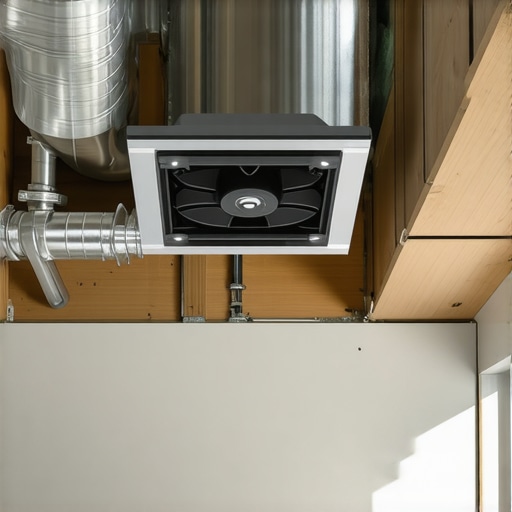
Regular inspections are crucial. I set quarterly reminders to evaluate critical components like roofing, foundation drains, and HVAC systems. Using tools like a thermal imaging camera, I identify insulation gaps or moisture issues before they escalate. These devices, while seemingly high-tech, are becoming increasingly affordable and user-friendly—allowing even DIY enthusiasts to perform preliminary assessments. Additionally, investing in preventive maintenance kits, including caulking, sealants, and filters, helps me address minor issues swiftly, saving time and costs later.
Long-term success also hinges on keeping all project documentation up to date. Digital storage solutions, combined with cloud-based backup, ensure warranty information, inspection reports, and permit paperwork are accessible when needed. This habit simplifies responses to future permit renewals or compliance checks, which are becoming more frequent as local regulations tighten, such as the Noise Attenuation Rule near busy roads. Such proactive management not only preserves the value of your property but also facilitates easier scaling should you decide to expand your holdings later.
Future trends in keeping your build in top shape
Looking ahead, I predict an increased integration of Internet of Things (IoT) devices in home maintenance. Smart sensors embedded discreetly in walls or foundations will monitor structural health, detect moisture intrusion, and even predict equipment failures before they happen. These innovations could revolutionize how we approach long-term building care, shifting from reactive to predictive strategies. Staying ahead might involve exploring emerging tech now—so I recommend testing a few IoT sensors to gauge their effectiveness for your specific projects. This practice will prepare you for a future where maintenance becomes less a chore and more an automated, data-driven process.
Smart habits for keeping your project working
Consistency is key. I’ve found that establishing a routine—note the date, what was checked, and what needs maintenance—ensures nothing slips through the cracks. Also, building strong relationships with local inspectors and maintenance contractors pays dividends if issues arise. Don’t forget to review permit stipulations periodically; local rules change, and compliance now often requires ongoing attention. Taking this proactive approach helps mitigate risks and maintains your investment’s integrity over the long haul.
Finally, I highly recommend trying out some of the advanced maintenance tips discussed, such as leveraging affordable thermal imaging cameras or integrating simple IoT sensors. These tools can significantly extend the lifespan of your investments and simplify compliance. To get started, consider testing a basic sensor kit, available at competitive prices online—many offer trial periods or money-back guarantees. Remember, the more you understand about your build’s health and performance, the better equipped you’ll be to address issues early and keep everything working seamlessly for years to come.
What I Only Fully Realized After My Last Big Project
One of the most valuable lessons I learned is that the devil truly is in the details. During my recent project, overlooking a small permit nuance nearly halted progress, teaching me the importance of meticulous research and proactive communication with local authorities. These subtle differences—like the specific noise limits or setback requirements—can have outsized effects if neglected.
Another insight emerged from tracking every step of the permitting process meticulously. Keeping detailed records—not just of approvals but also of correspondence and temporary adjustments—has saved me time and prevented unnecessary rework. It became clear that integrating these habits into my routine is essential for long-term success.
Lastly, I discovered that the quality of your initial site analysis fundamentally influences the entire project trajectory. Deep dives into local regulations and site conditions upfront reduce surprises later, especially when handling complex rules like the Noise Attenuation Rule near busy roads. Embracing a thorough approach from day one turns potential obstacles into manageable hurdles.
Tools and Strategies That Changed My Approach
To streamline my projects, I rely on project management platforms like Procore, which consolidates permit documentation, inspection schedules, and maintenance plans. This holistic view has enhanced my oversight and accountability.
Additionally, resources like the comprehensive guide to permitting ([see it here](https://constructionedgez.com/the-complete-guide-to-permitting-for-new-builds-and-additions)) have been instrumental in demystifying regulatory complexities. I trust these tools because they’ve consistently provided clarity and confidence during critical phases.
For estimating costs accurately, I use industry-leading techniques outlined in [this step-by-step guide](https://constructionedgez.com/estimating-home-additions-a-step-by-step-guide-for-2025). Combining detailed site assessments with these methods helps avoid budget overruns and keeps projects on track.
Finally, staying connected with local experts and forums ensures I remain current on evolving rules, such as noise regulations, which can shift unexpectedly. Maintaining these relationships means I can adapt swiftly, avoiding delays and fines.
Boost Your Confidence and Keep Your Projects Moving Forward
Every new build or project presents unique challenges, but with the right mindset and tools, you can turn potential pitfalls into stepping stones. Embrace detailed planning, leverage trusted resources, and develop routines that prioritize compliance and quality. The more proactive you are, the more your projects will benefit in both peace of mind and profitability.
Remember, the key is continuous learning and adaptation. If I’ve learned anything, it’s that paying close attention to the hidden nuances—like local noise rules or permit intricacies—can save you from costly setbacks. Ready to implement these insights and make your next project run smoothly? Your success starts now.
Have you ever experienced a permit or regulation surprise that shifted your plans? Share your story below and let’s learn from each other!
,