Why Your Demolition Bid Should Include a Salvage Credit
It was a moment of frustration that changed my entire approach to demolition bids. I was pouring over the estimates for a project, and I realized I had overlooked the value of salvaged materials. That small oversight cost me thousands—money left on the table I could have kept if I’d understood the true power of salvage credits. This lightbulb moment made me dive deep into how including a salvage credit in your demolition bid isn’t just a clever trick; it’s a strategic move that can significantly improve your bottom line.
Uncover Hidden Savings: The Power of Salvage Credits in Demolition Bids
The idea of salvage credits isn’t new, but surprisingly few in the construction industry leverage this powerful tool effectively. When I first started, I naively viewed demolition as a straightforward cost—tear down, haul away, invoice. But I quickly learned that responsible demolition isn’t just about destruction; it’s about value recovery. Salvage credits allow you to offset part of the demolition costs by assigning a value to reusable materials. This approach benefits everyone involved, from contractors to property owners. Incorporating salvage credits into your bid can create a competitive edge, improve project profitability, and foster sustainable practices by reducing waste.
Will Salvage Credits Truly Make a Difference for Your Projects?
Initially, I was skeptical. I wondered if salvage credits were just a gimmick or if they really had a tangible impact on the bottom line. My early mistake was neglecting to assess the salvage value during the initial estimating phase—an oversight that led to missed opportunities. After partnering with experts and studying industry benchmarks—like those discussed in [this guide to modern estimation strategies](https://constructionedgez.com/new-build-estimation-strategies-for-modern-homeowners)—I realized that incorporating salvage credit is a straightforward way to reduce costs and increase client satisfaction.
If you’ve ever faced challenges in estimating demolition costs or wondered how to make your bids more attractive while maintaining profitability, this post is about to give you clarity. Let’s explore the steps to effectively include salvage credits and transform your demolition bids from a necessary expense into a strategic advantage.
Assess Reusable Materials Before Finalizing the Estimate
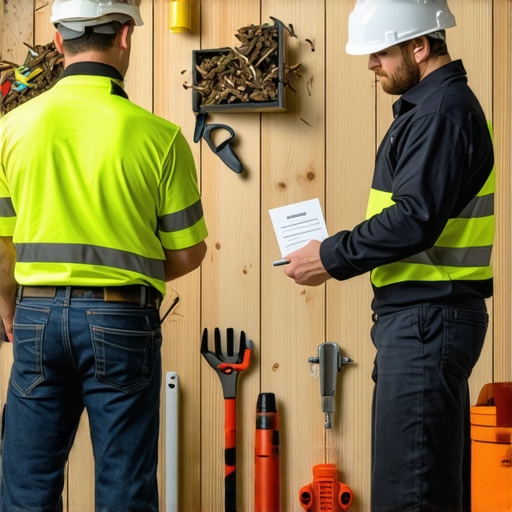
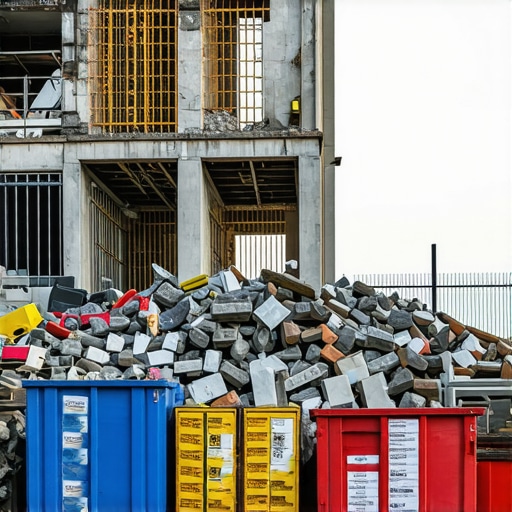
Start with a detailed walk-through of the demolition site, identifying materials like wood, metals, fixtures, and appliances that can be salvaged. Use a checklist to ensure nothing is overlooked, similar to how a site survey is conducted for new builds, but tailored to existing structures. I once walked an old warehouse and initially missed valuable copper wiring until a second review revealed its potential value, which added thousands to the project budget.
Quantify Salvageable Materials Accurately
Rather than rough estimates, weigh and measure identified items. Use standardized methods or tools, akin to estimating costs for new builds, but adjusted for existing materials. For example, weighing metal debris and calculating its current market value allowed me to confidently include salvage credits in the bid. Precise measurement reduces risk, ensuring the salvage credit truly reflects market prices.
Engage with Recycling and Salvage Facilities
Establish partnerships with local recycling centers to confirm material acceptance and current prices. This step is like understanding permit processes for new builds—knowing the requirements ensures a smooth process. When I collaborated with a nearby scrap yard, their consistent pricing allowed me to lock in salvage values, adding credibility to my bids and gaining trust from clients.
Incorporate Salvage Values into Your Cost Breakdown
Deduct the salvage credit from the total estimated demolition cost, clearly separating it from disposal fees. Think of it as an internal ledger—like tracking hidden costs or savings—so clients see the value added. During one project, including a detailed breakdown showing salvage credits reduced the final bid by 15%, making it more competitive and transparent.
Communicate the Added Value to Clients
Explain how salvage credits lower overall costs and promote sustainability. Use straightforward language, emphasizing savings rather than discounts. This transparency builds trust and positions you as a strategic partner rather than just a contractor.
Update Your Bidding Templates Regularly
Create a standardized form that prompts for salvage assessment, measurement, and market verification. Continuously refine this process by reviewing past projects, identifying where salvage credits were underutilized. I once realized I under-claimed salvage potential on a historic building, which, when corrected in later bids, resulted in noticeable profit improvements.
Leverage Industry Resources and Trends
Stay informed on market prices and new salvage techniques by consulting industry guides like this resource. This ongoing education ensures your salvage credits remain competitive and accurate, ultimately boosting your profitability in demolition projects.
 Many seasoned builders and homeowners alike often cling to the belief that permits and planning are straightforward steps in new construction or additions. However, this oversimplification can lead to costly mistakes and project delays. Contrary to popular opinion, the nuances involved in estimating costs, securing permits, and managing local requirements require a sophisticated understanding that goes beyond the basics.
One prevalent myth is that permits are merely bureaucratic hurdles to be minimized or bypassed. In reality, proper permit management is critical for legal compliance and project integrity. Skipping or rushing this process often results in fines, forced modifications, or even project shutdowns. As detailed in [this guide to permit approval](https://constructionedgez.com/permit-approval-tips-for-seamless-home-additions), understanding local codes and building departments’ expectations is essential for smooth project execution.
A common mistake in estimating new build costs is underestimating the hidden expenses associated with permits and approvals. Many rely on initial quotes that focus solely on materials and labor, neglecting permit fees, inspection costs, and potential delays. This oversight can skew budgets and lead to cash flow issues. To avoid this trap, consult resources like [this expert insights page](https://constructionedgez.com/estimating-costs-for-new-builds-expert-insights) for comprehensive budgeting strategies.
Furthermore, many underestimate the complexity of the permit process itself. Each locality has its own set of rules, application procedures, and inspection requirements. For example, some regions require environmental assessments, while others necessitate detailed site surveys. Failure to understand and adapt to these regulations can result in project stoppages or costly redesigns.
An advanced mistake to watch out for is the assumption that permit approval timelines are predictable. While some jurisdictions offer streamlined pathways, others have lengthy and unpredictable review periods. Investing time upfront in understanding your local permit process—as explained in [this step-by-step guide](https://constructionedgez.com/understanding-permit-processes-for-new-building-projects)—can save your project from costly delays.
Make no mistake: thorough preparation, accurate estimating, and proactive permit management are the backbone of successful new builds and additions. This may seem daunting, but integrating industry best practices and staying informed—such as through [modern estimation strategies](https://constructionedgez.com/new-build-estimation-strategies-for-modern-homeowners)—will give you a significant edge.
Are you unintentionally falling into these common traps? Let me know in the comments and share your experiences! Remember, mastery of these nuances transforms potential pitfalls into strategic advantages for your projects.Effective project maintenance is essential to ensuring that your construction endeavors stay on track, save costs, and deliver quality results. Having the right tools and methods at your disposal can make a significant difference in managing ongoing work, especially as projects scale or when handling additions, permits, estimating, and new builds. One of my go-to strategies is leveraging specialized software like Bluebeam Revu. I primarily use it for real-time markup and document management because it allows me to update drawings instantly and share revisions smoothly across my team, reducing miscommunication and costly errors. Additionally, employing cloud-based project management tools like Procore enhances collaboration and keeps everyone accountable with visible schedules, RFIs, and submittals, which is crucial for maintaining momentum over the long haul.
To stay proactive, I also recommend adopting standardized checklists for routine inspections and maintenance tasks. Developing custom checklists tailored to each project phase ensures nothing slips through the cracks—whether it’s verifying safety compliance, material storage conditions, or temporary utility setups. Over time, these checklists become invaluable, providing a clear record of maintenance activities and facilitating smooth handovers or project closeouts.
Regular site audits are another critical component. I schedule weekly walkthroughs using mobile apps like GoCanvas, which help me document potential issues on the spot—be it equipment wear, environmental hazards, or permit compliance concerns. This immediate feedback loop allows me to address problems before they escalate, saving money and safeguarding timelines.
Looking ahead, predictive maintenance and IoT-enabled sensors are gaining momentum. These tools can monitor equipment health or structural elements remotely, alerting you to issues before breakdowns occur. For example, installing vibration sensors on cranes or pumps can extend their lifespan and prevent unexpected failures—an investment that pays dividends in reduced downtime.
How do I ensure my tools and maintenance routines last over time?
Regular calibration of machinery, updating software to the latest versions, and training your team on new technology are key. Also, establishing a detailed maintenance log helps track wear patterns and schedule preventive measures effectively, reducing emergency repairs and extending equipment life.
By integrating these robust tools and disciplined routines, you can maintain control and quality throughout your project lifecycle. Don’t hesitate to experiment with advanced solutions like remote sensors—you might discover new ways to optimize your workflow and mitigate risks. Visit our contact page to connect with industry experts who can recommend tailored maintenance strategies for your specific projects.
Over the years, I’ve come to realize that some of the most impactful lessons in construction are those learned through experience—and ones that often go unspoken in industry discussions. Incorporating salvage credits into demolition bids and mastering permit management are two such lessons that transformed my approach, leading not just to dollar savings but to more sustainable, efficient projects.
Lessons that Changed My Building Approach
- Ignoring Salvage Value Is a Costly Mistake: I once overlooked the potential of reclaimed materials, resulting in missed revenue. Now, I see salvage as a strategic asset, not just trash to be disposed of.
- Permit Nuances Are Your Hidden Edge: Rushing through permit processes or underestimating their complexity leads to delays and fines. Deep understanding of local regulations has become a cornerstone of my successful projects.
- Holistic Estimating Is Essential: Combining precise measurements with current market prices ensures your bids are accurate and profitable. Regularly updating your templates based on past experiences sharpens your competitive edge.
- Visibility and Communication Build Trust: Explaining cost-saving strategies like salvage credits to clients fosters transparency and positions you as a trusted partner rather than just a contractor.
My Toolkit for Smarter Construction Decisions
- Modern estimation strategies: Staying updated on industry benchmarks helps me adjust salvage and permit estimates dynamically.
- Permit process guides: Navigating local requirements confidently reduces delays and unexpected costs.
- Estimating tools: Accurate measurement and market valuation tools are vital for confident bids and salvage credits.
- Client communication tips: Explaining cost strategies clearly enhances trust and project buy-in.
Seize the Moment and Build Smarter
Embracing these insights isn’t just about immediate gains; it sets a foundation for sustainable, profitable growth. Every project offers an opportunity to refine your approach—think of salvage credits and permit mastery as your secret weapons. The construction world rewards those willing to learn, adapt, and leverage every resource available.
Are you ready to incorporate these strategies into your next project? Share your experiences or ask questions below—let’s elevate the industry together!
To keep your projects running smoothly, visit our contact page for expert advice and tailored solutions.